Mid Size Helicopters
AgustaWestland AW169
ICAO: A169
The light twin helicopter built for speed, safety, and operational flexibility
The latest aviation news and stories sent to your inbox.
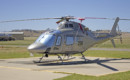
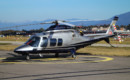
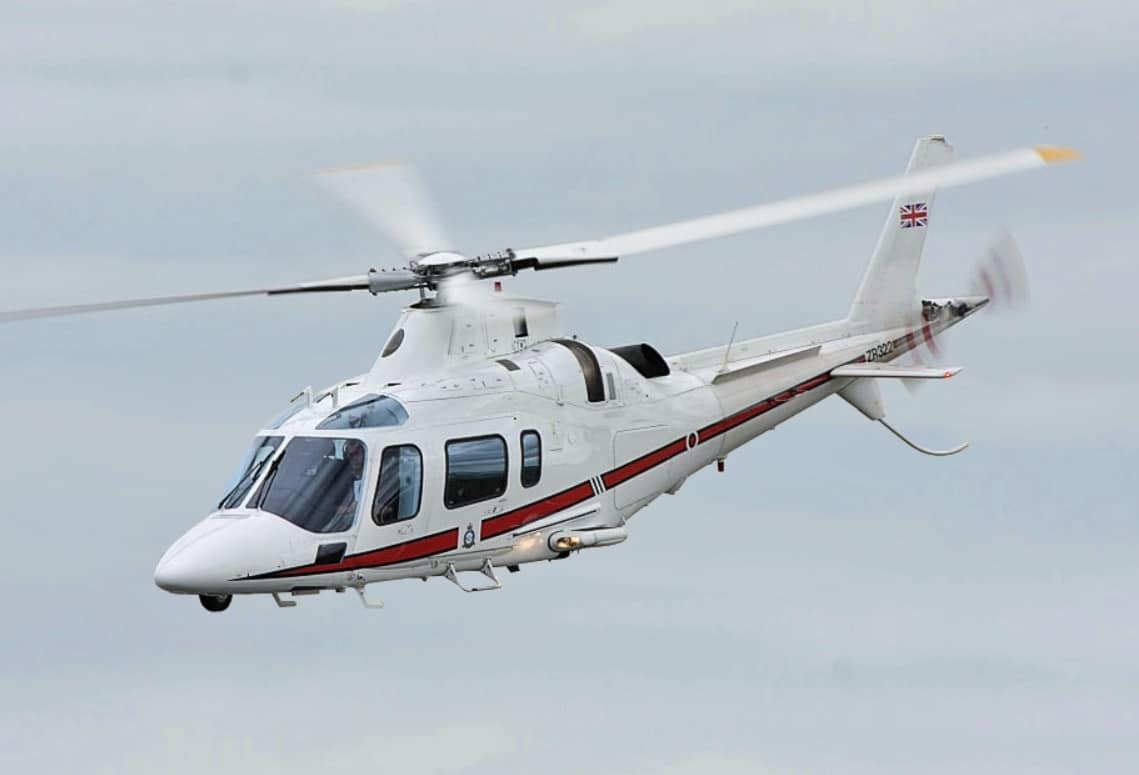
The AgustaWestland AW109 Power is a lightweight twin-engine helicopter developed to deliver strong performance in a compact airframe. As an advanced member of the long-running A109 family, it introduced more powerful engines and updated systems to meet modern operational demands. The type has become widely used in executive transport, emergency medical services, and law enforcement roles. Its blend of twin-engine redundancy and high cruise speed has made it a benchmark in the light helicopter segment.
Live Fleet Activity (A109)
Fetching live data…
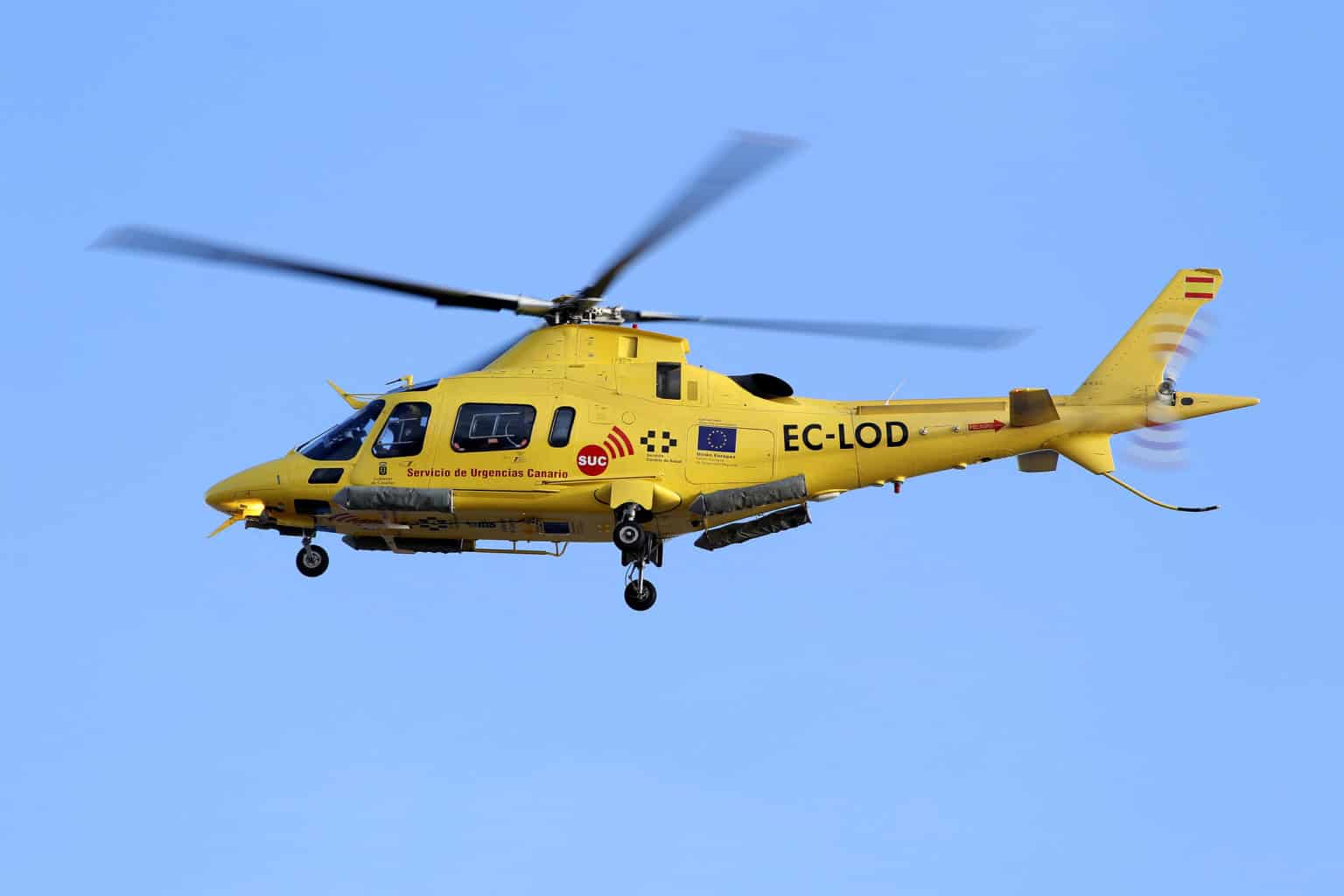
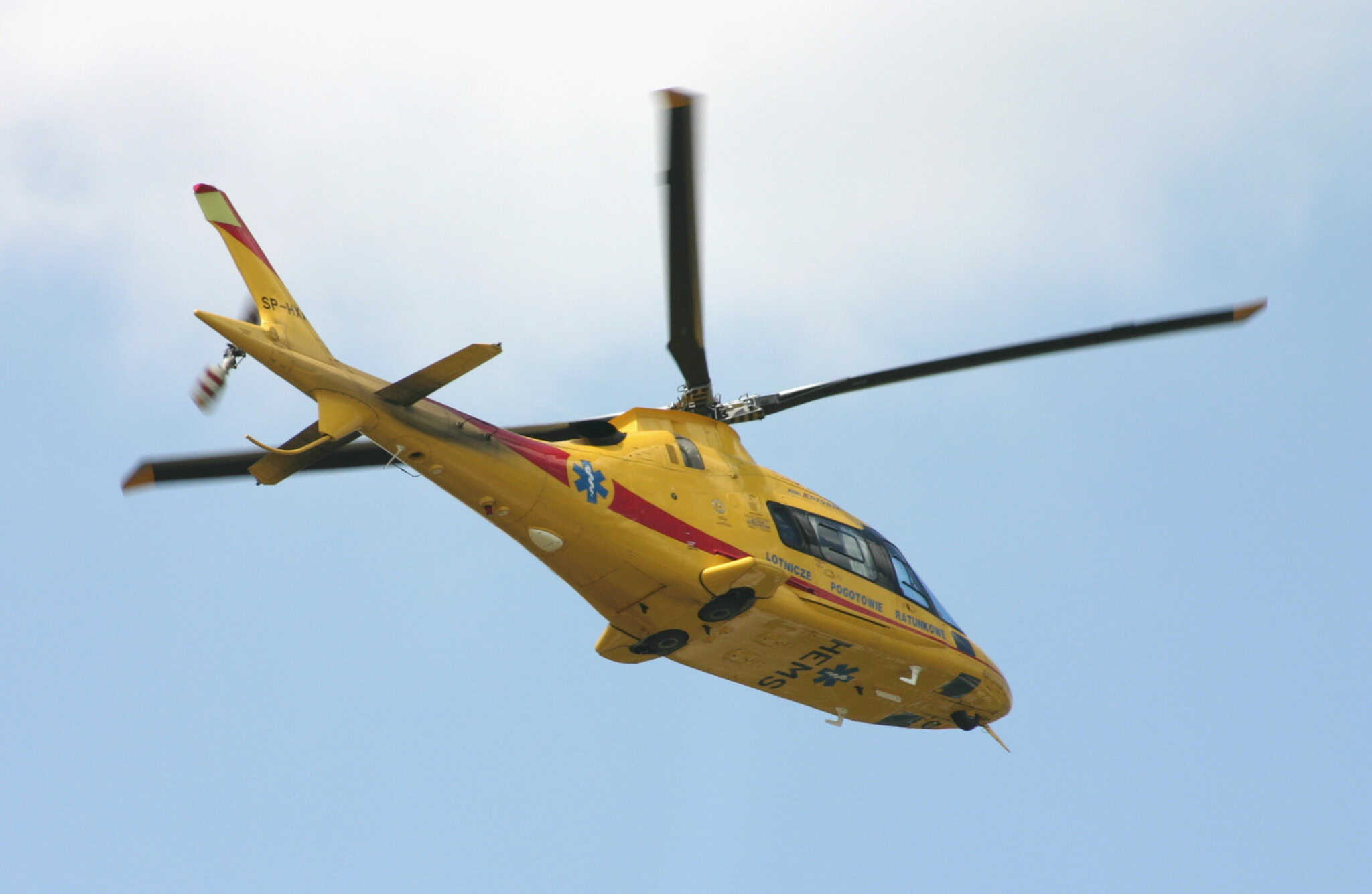


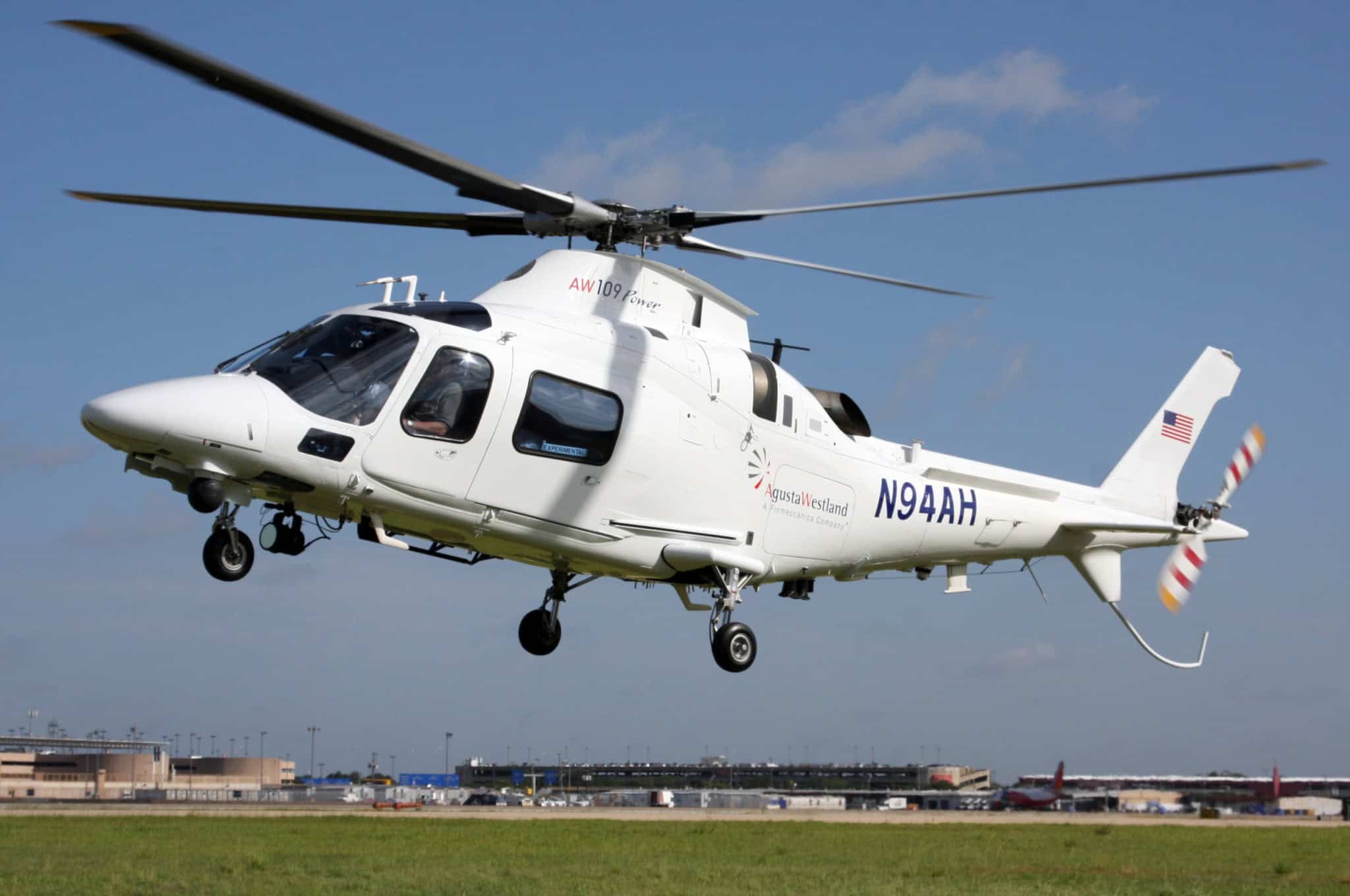
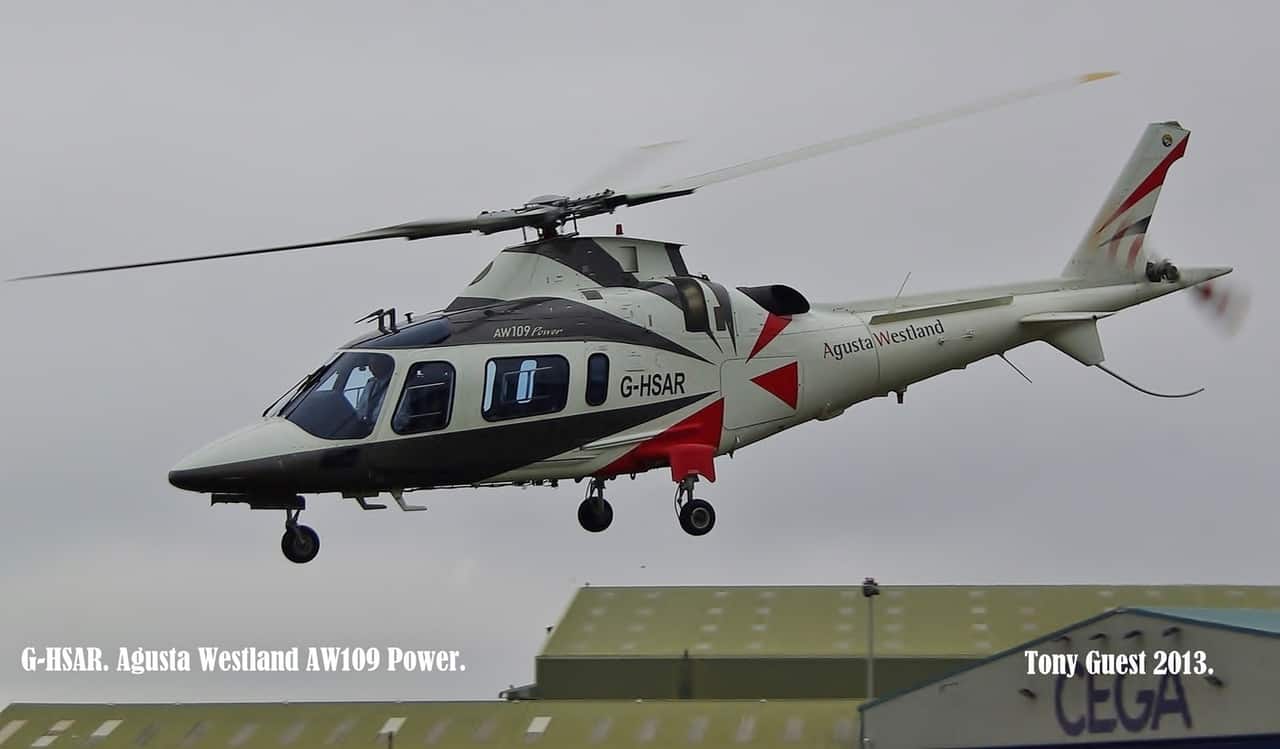

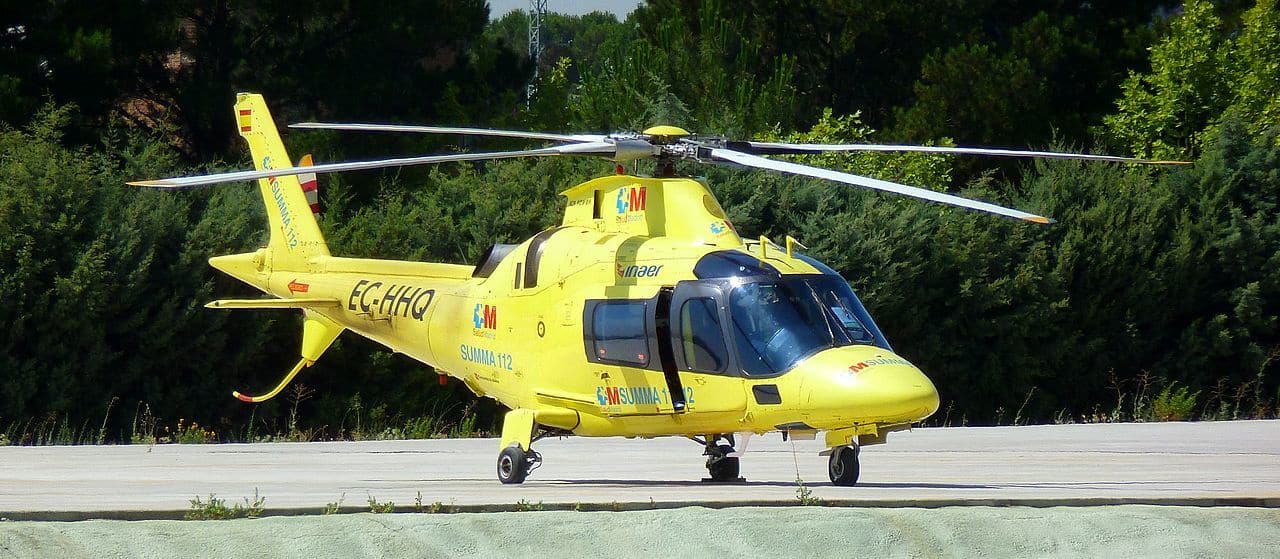
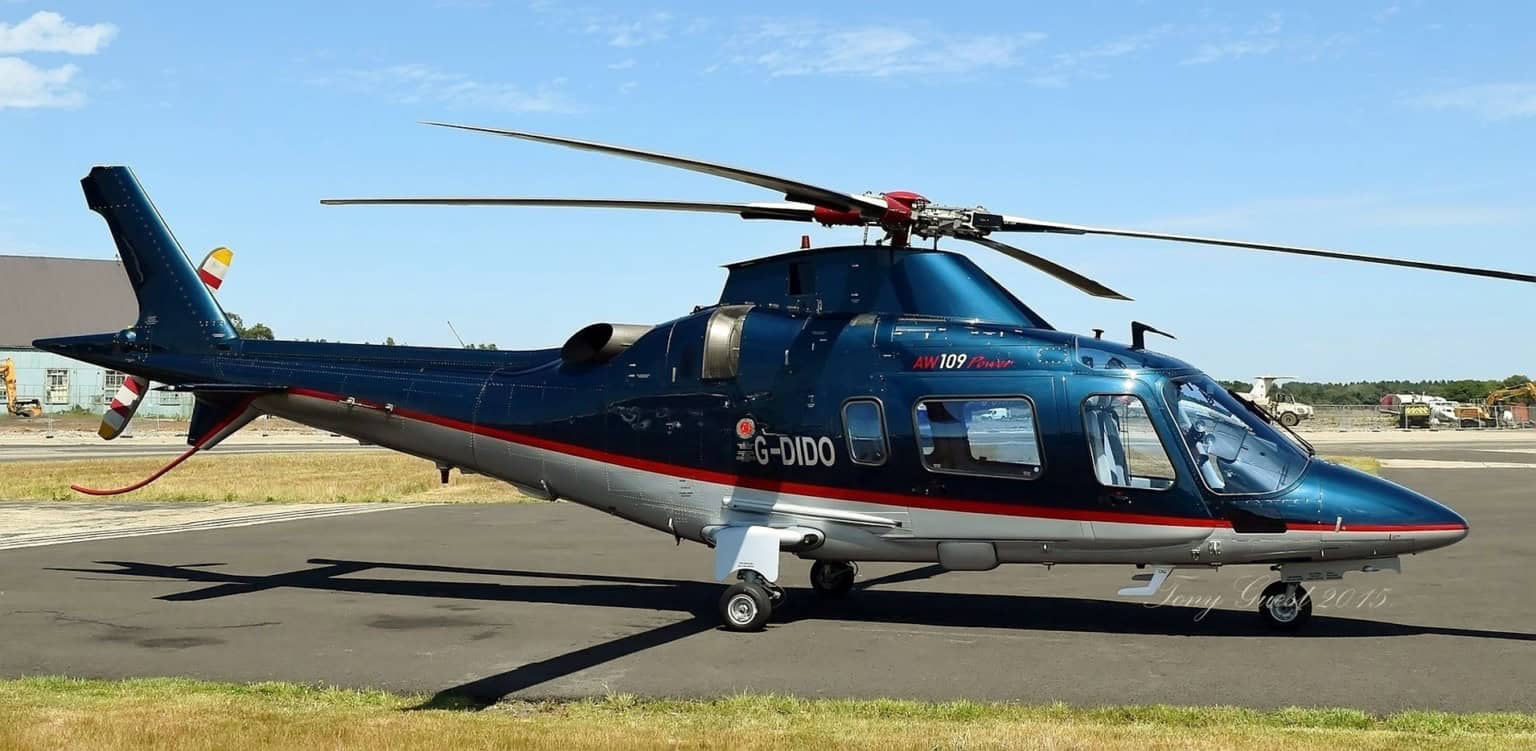

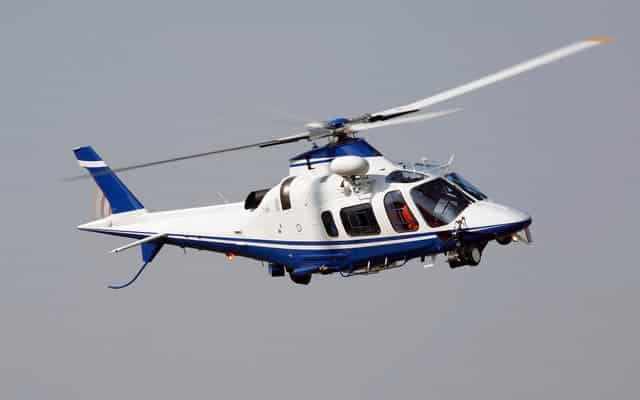
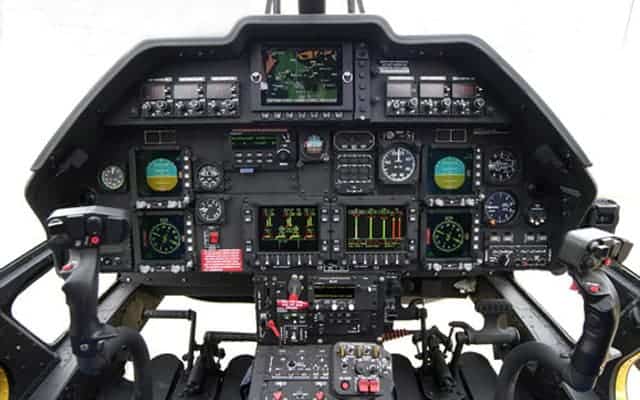

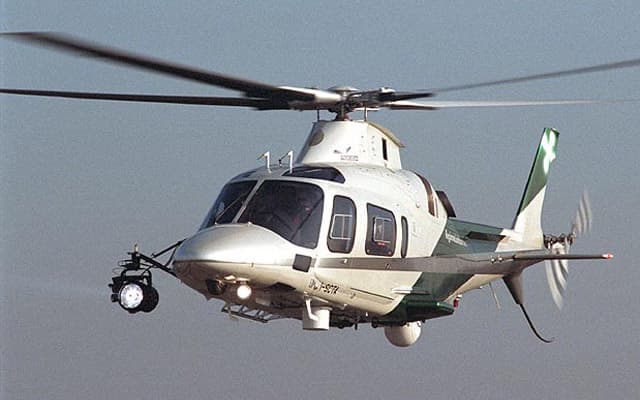
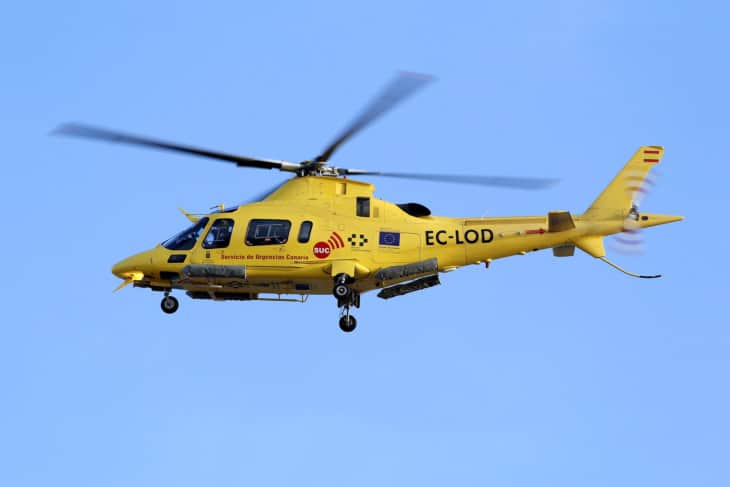
The AgustaWestland AW109 Power, also designated A109E Power, entered service in the mid-2000s as a significant evolution of the original A109, which first flew in 1971. While retaining the sleek fuselage and retractable landing gear that distinguished earlier models, the Power variant introduced Pratt & Whitney Canada PW206C engines. These engines improved hot-and-high capability and overall reliability, expanding the helicopter’s suitability for demanding climates and urban operations.
With a maximum takeoff weight of about 3,000 kilograms, the AW109 Power typically carries one or two pilots and up to six passengers, depending on configuration. Its four-blade main rotor and streamlined profile contribute to a cruise speed of roughly 150 knots, placing it among the faster aircraft in its class. Range is approximately 500 nautical miles, allowing for regional transport and offshore support missions without frequent refueling.
In service, the AW109 Power gained particular popularity with air ambulance operators due to its cabin accessibility, twin-engine safety margin, and strong climb performance. Corporate and VIP operators have also favored the type for its speed and refined cabin layout. The model later formed the basis for further cockpit and avionics upgrades under Leonardo, ensuring the platform’s continued relevance in the competitive light twin helicopter market.
Sources and references used for research and fact-checking.