

Mid Size Helicopters
AgustaWestland AW169
ICAO: A169
The single-engine utility helicopter built for performance and flexibility
The latest aviation news and stories sent to your inbox.
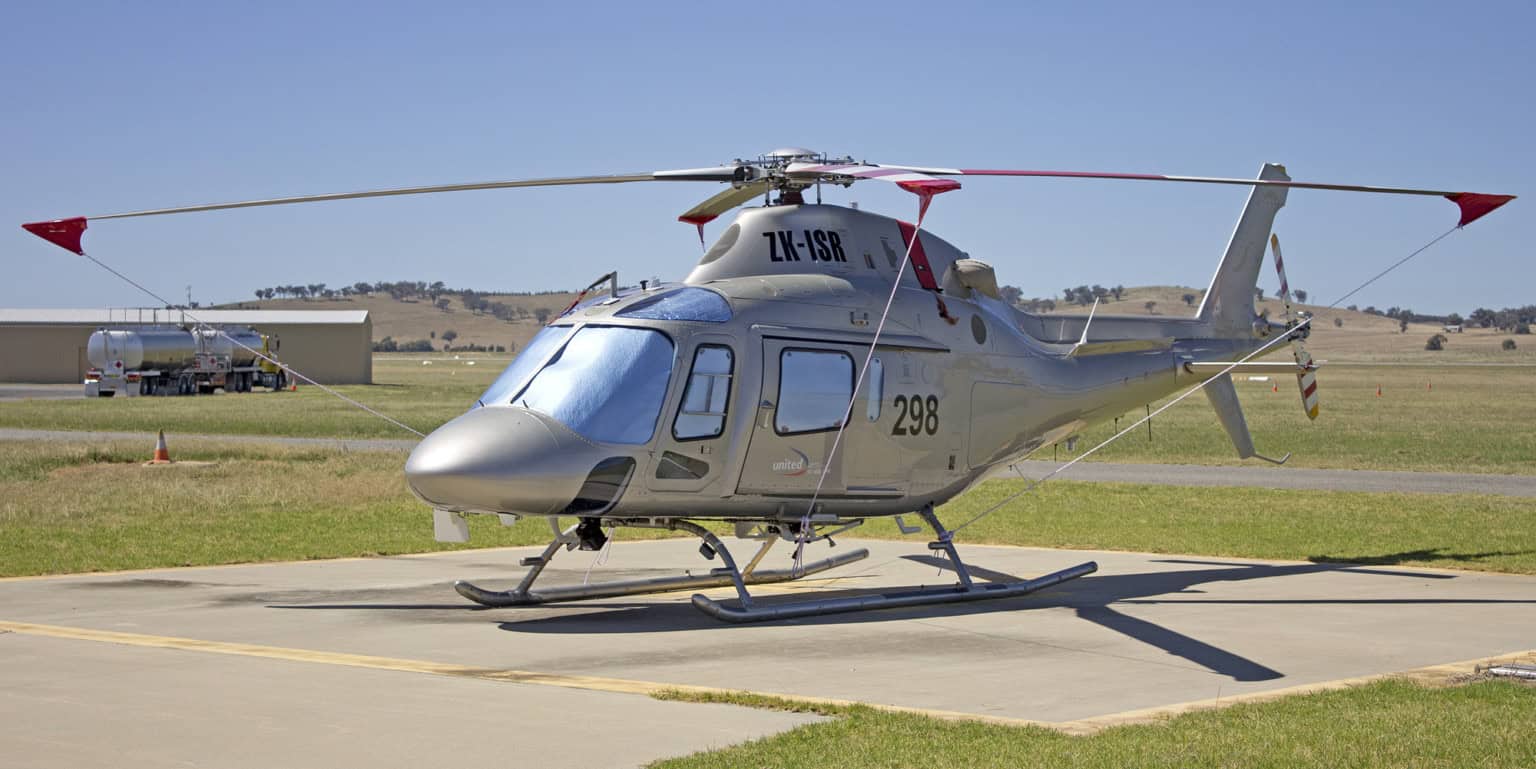
The AgustaWestland AW119 Ke is a light single-engine helicopter developed to combine the cabin space of a twin with the operating economy of a single. It was designed to fill a gap in the market for operators needing versatility without the cost of twin-engine systems. The aircraft has found widespread use in utility, law enforcement, EMS, and VIP transport roles.
Live Fleet Activity (A119)
Fetching live data…


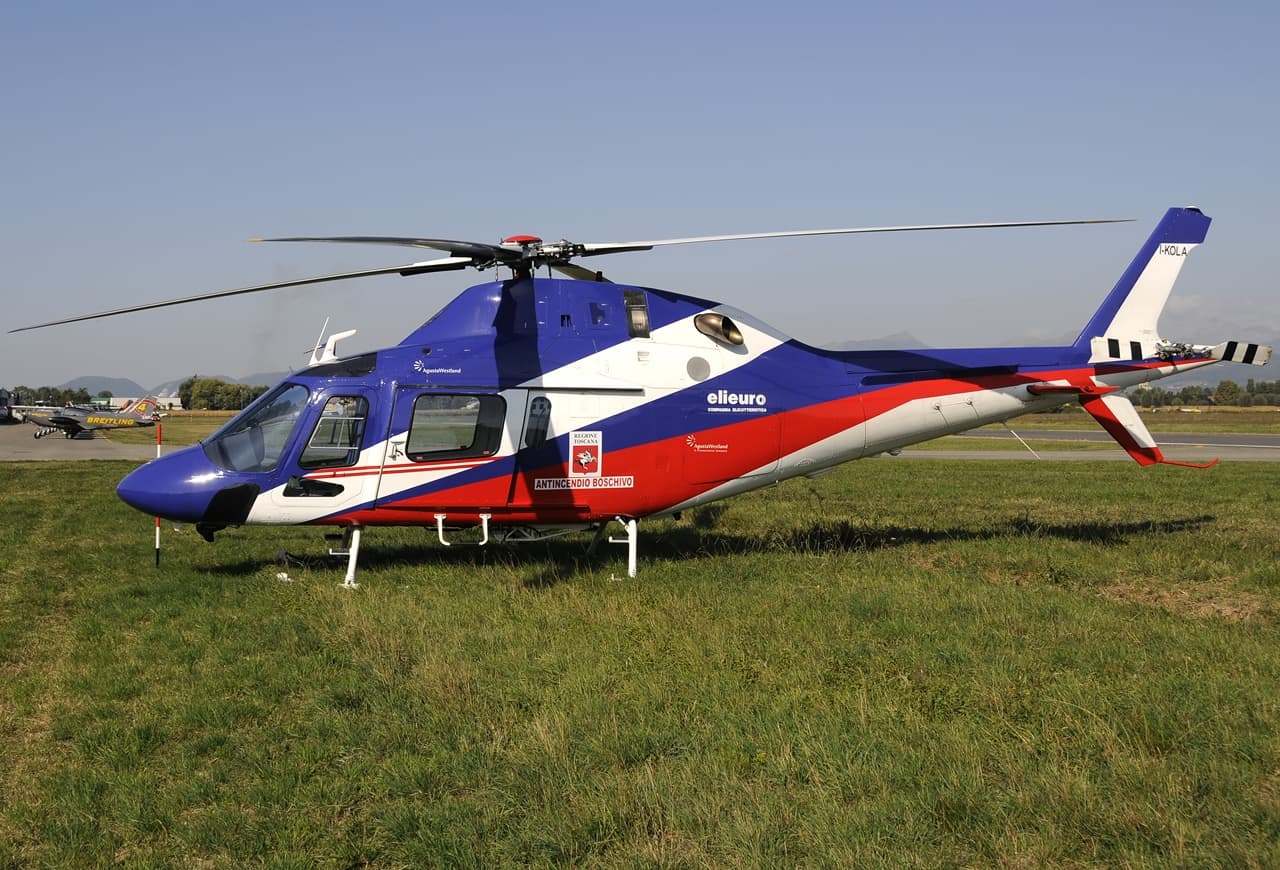


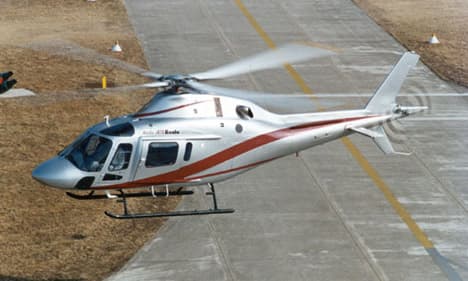
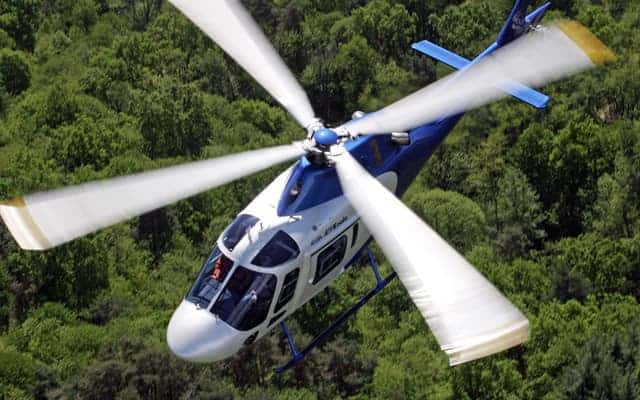
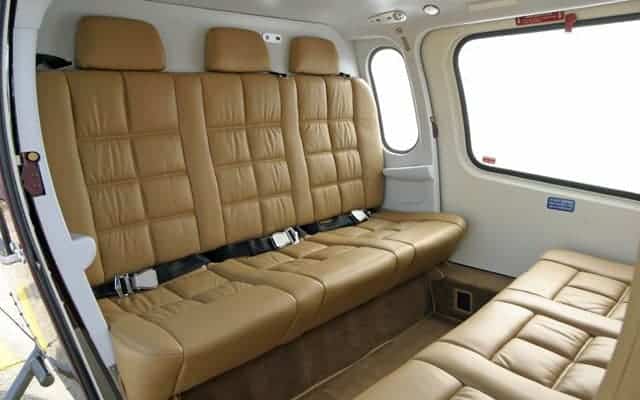
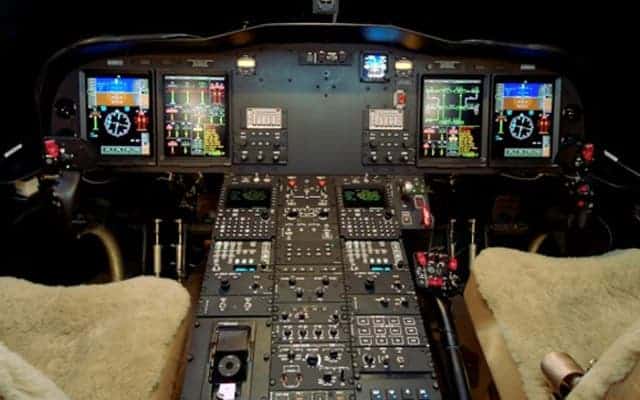
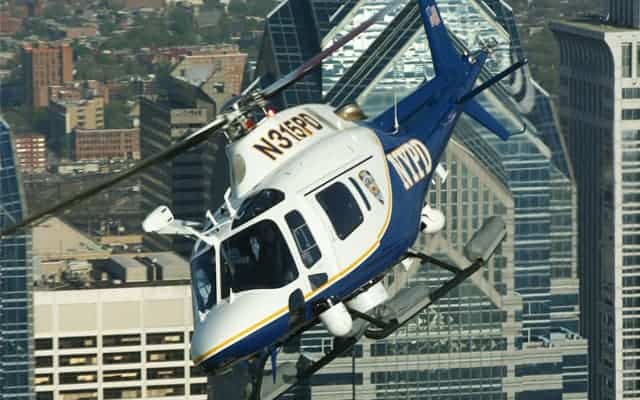
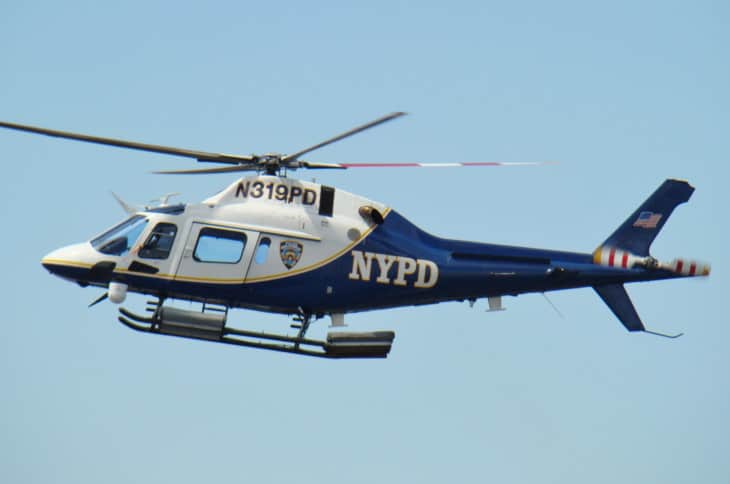
The AgustaWestland AW119 Ke traces its origins to the A119 Koala, which first flew in 1995 as a single-engine derivative of the twin-engine A109. While the Koala retained the spacious cabin and dynamic components of its predecessor, it struggled commercially in its early years. The improved AW119 Ke variant, introduced in the mid-2000s, addressed performance limitations with the installation of the Pratt & Whitney Canada PT6B-37A turboshaft engine. This upgrade significantly enhanced power margins, particularly in hot-and-high conditions, and improved overall reliability.
With a maximum takeoff weight of approximately 2,850 kilograms, the AW119 Ke can carry one or two pilots and up to six passengers. Its four-blade main rotor system contributes to smooth flight characteristics and reduced vibration levels compared with many competitors in the single-engine category. Cruise speed is typically around 140 knots, and range approaches 500 nautical miles depending on configuration and reserves.
The aircraft entered service during a period when many operators were seeking lower acquisition and operating costs without sacrificing cabin volume. Law enforcement agencies and air medical providers were among the key adopters, valuing the large cabin and rear clamshell doors for equipment access. The AW119 Ke also gained traction in the training market, including military customers that required a capable yet economical platform.
Over time, the model evolved further under Leonardo’s ownership, leading to enhanced avionics variants such as the AW119Kx. The AW119 Ke remains notable for successfully blending single-engine simplicity with the cabin size and refinement more commonly associated with twin-engine light helicopters.
Sources and references used for research and fact-checking.
_at_the_Wagga_Wagga_Airport_heli-pad_(1).jpg)