Military Helicopters
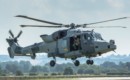
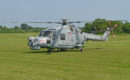
Westland Lynx
ICAO: LYNX
The light military helicopter built for reconnaissance and support roles.
The latest aviation news and stories sent to your inbox.
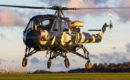
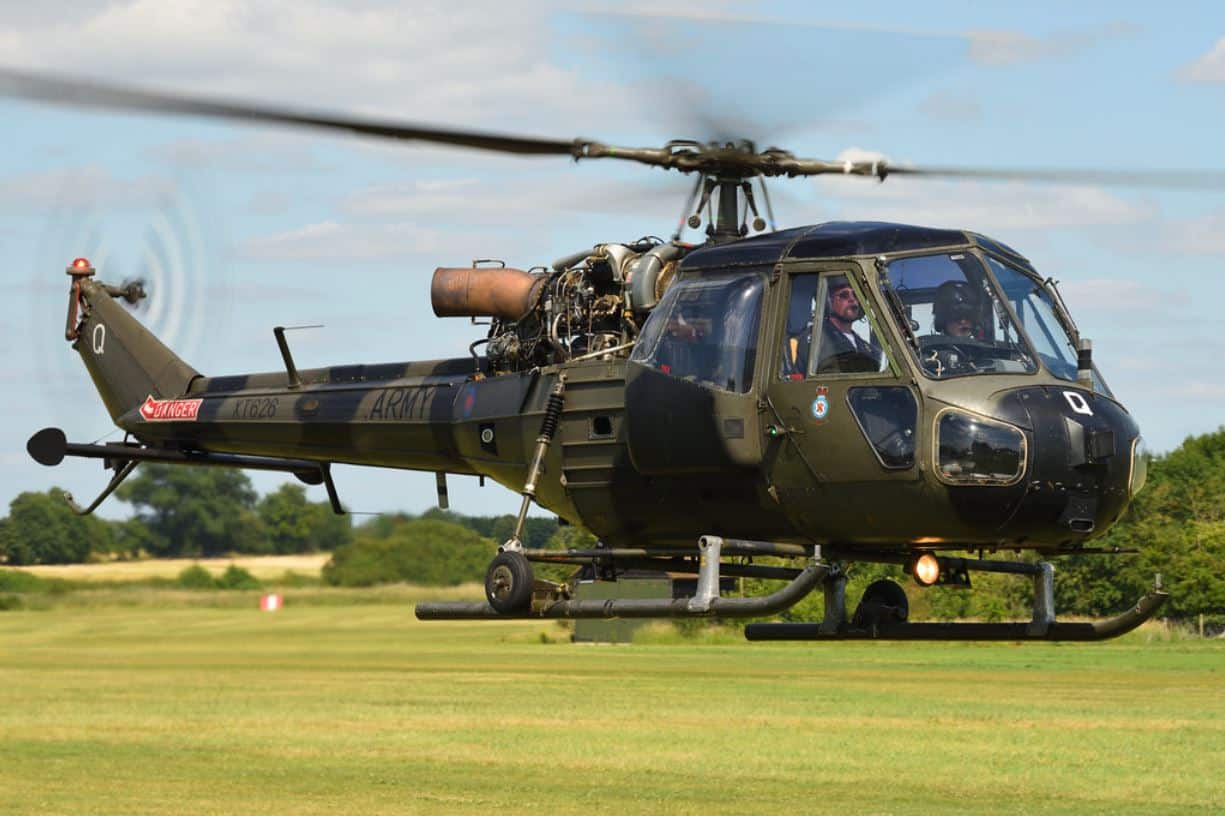
The Westland Scout was a British light utility helicopter developed for military operations. Introduced in the 1960s, it performed reconnaissance, liaison, and light transport duties. The aircraft saw service with the British Army and other operators.
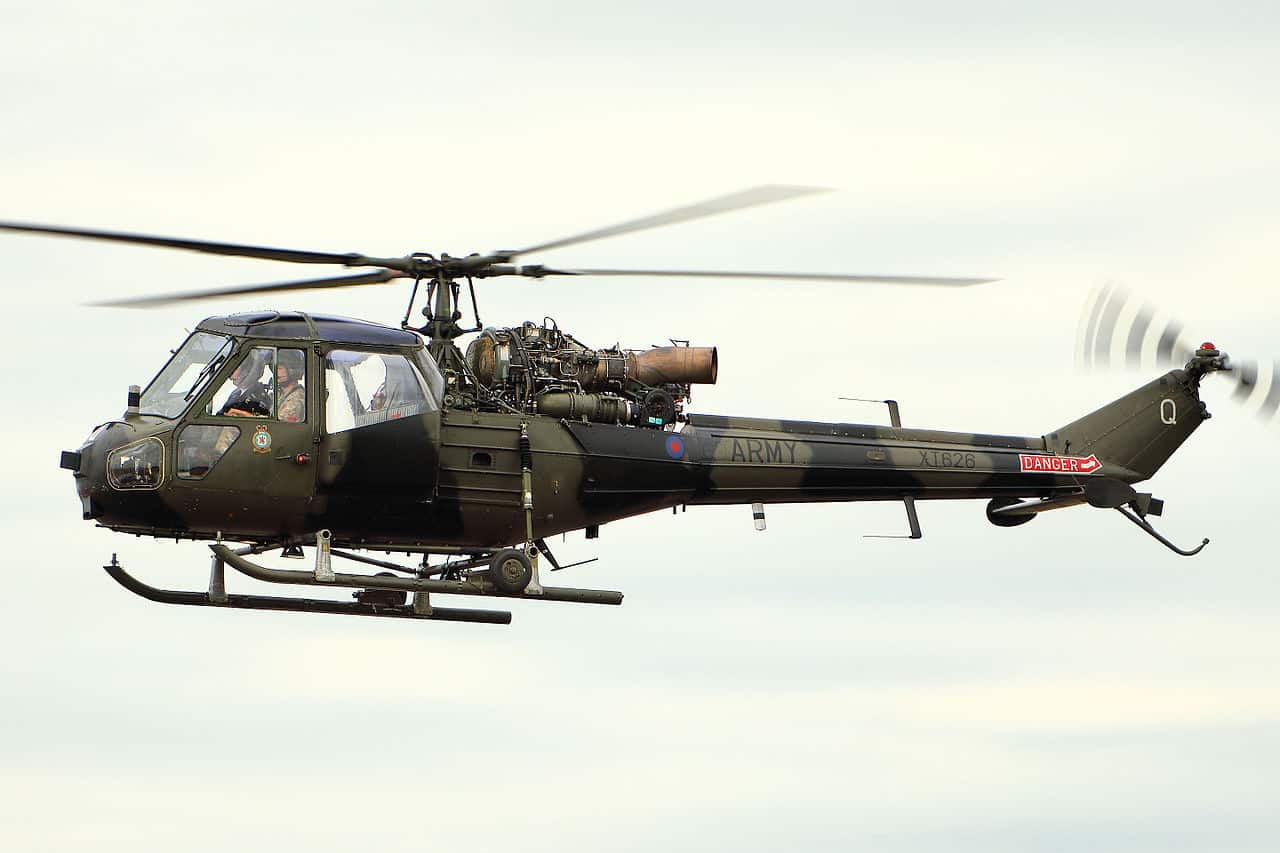


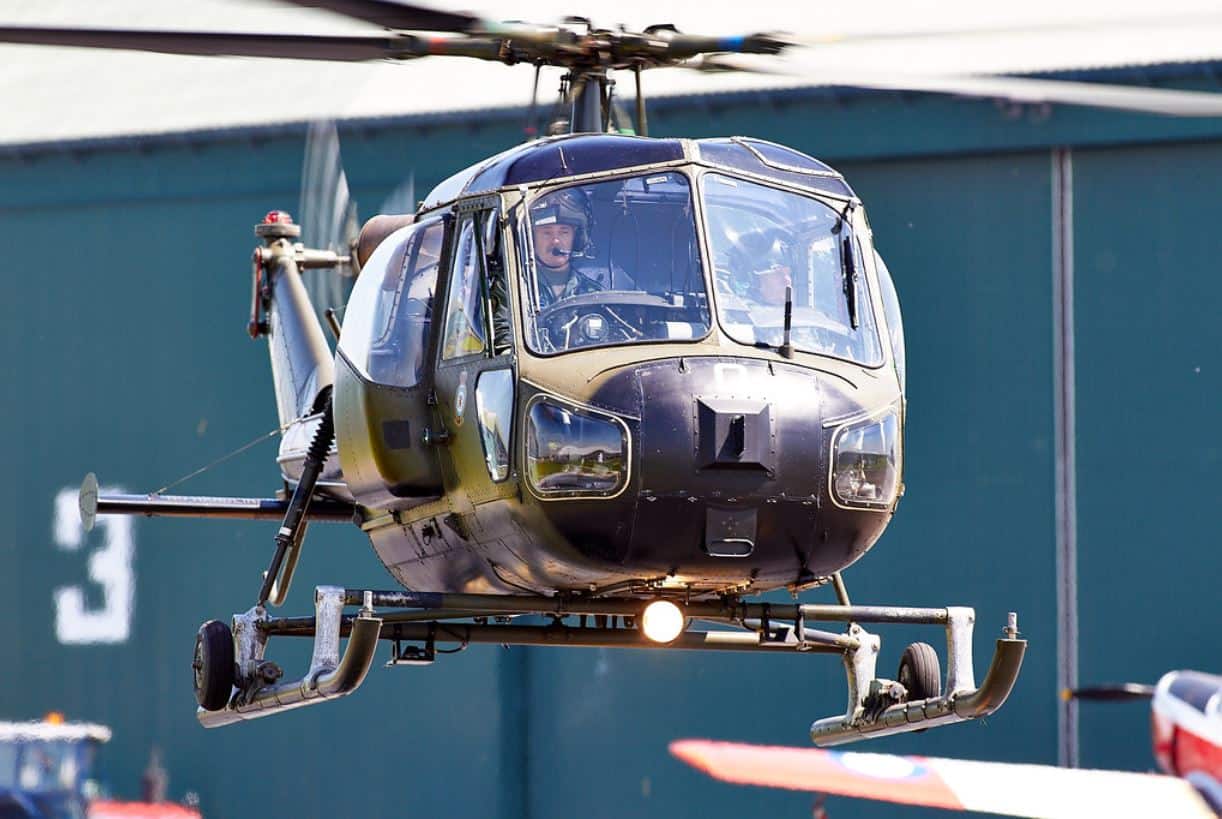

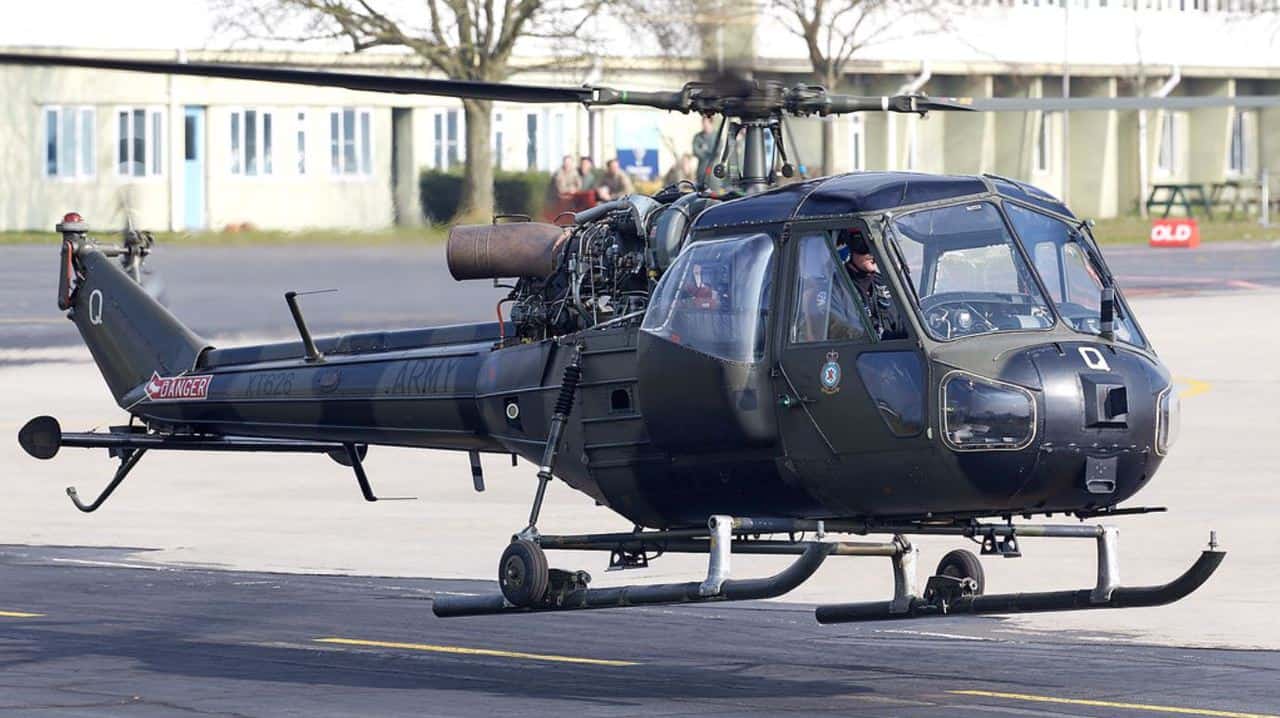


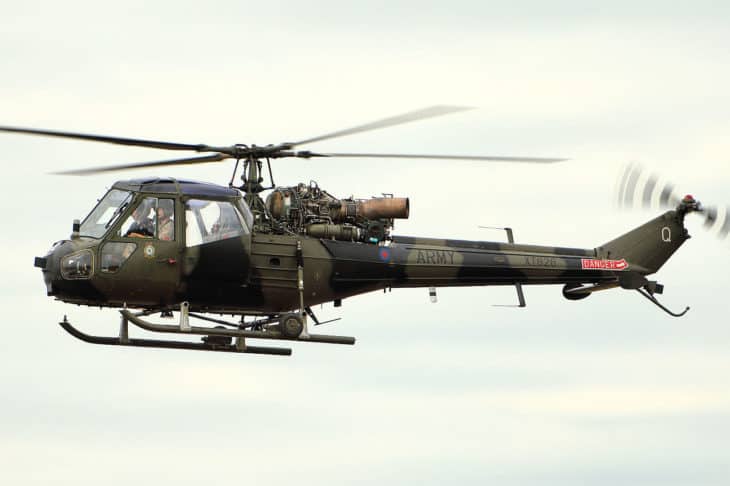
The Westland Scout first flew in 1960 and entered service in 1963. It was derived from the Saunders-Roe P.531 and adapted for British Army use. The helicopter featured a compact fuselage, skid landing gear, and a two-blade main rotor.
Powered by a Rolls-Royce Nimbus turboshaft engine producing approximately 1,050 shaft horsepower, the Scout cruised at around 115 knots (213 km/h). Maximum takeoff weight was roughly 5,500 pounds (2,495 kg). The aircraft could carry a small number of troops or light armament.
The Scout saw operational use in several conflicts, including Northern Ireland and the Falklands War. It was eventually replaced by more modern helicopter types. The aircraft remains an example of early British turbine-powered helicopter design.
Sources and references used for research and fact-checking.