


Table of Contents
When a reporter from Inside Edition cornered Kenneth Copeland at a private airport in 2019 and asked why he couldn’t fly commercial like everyone else, the televangelist’s face shifted from composed to something closer to rage. He leaned in, voice rising: “You didn’t ask that question — don’t even bring that up again.” It was a moment that went viral instantly, not just because of the confrontation, but because of what was parked behind him: a Gulfstream V worth tens of millions of dollars, paid for in large part by donations from his congregation.
Kenneth Copeland is one of the wealthiest televangelists in the world, with an estimated net worth ranging from $300 million to $760 million depending on the source. He leads Eagle Mountain International Church, a sprawling ministry based near Fort Worth, Texas, and broadcasts his prosperity gospel to millions globally. Central to his ministry, and his controversy, is a private jet fleet that includes a Gulfstream V, a Cessna Citation X, and a Cessna Citation Bravo. Copeland is himself a licensed commercial pilot, which only deepens the complexity: this is a man who genuinely loves flying.
This article covers Kenneth Copeland’s complete private jet fleet, from his earliest aircraft to the Gulfstream he purchased from Tyler Perry, the $17 million hangar his followers helped fund, and the Senate investigation that scrutinized exactly what those jets were being used for.
Quick facts about Kenneth Copeland’s private jets

Kenneth Copeland’s Private Jet Fleet
Kenneth Copeland Ministries operates three aircraft out of Kenneth Copeland Airport (ICAO: 4T2), a private airstrip on the ministry’s 33-acre campus in Fort Worth, Texas. The fleet is tiered by mission: the Cessna Citation Bravo handles domestic short-hops, the Citation X covers international routes, and the Gulfstream V serves as the crown jewel for long-range travel.











The Origin Story: A West Texas Kid Who Never Stopped Flying
Kenneth Copeland was born in 1936 in Lubbock, Texas, near a United States Army Air Forces airfield. The sight and sound of aircraft overhead left a mark. He learned to fly as a young man, eventually working as a copilot to help pay tuition. Aviation was never just a luxury for Copeland: it was baked into his story long before the ministry money arrived. What followed was a fleet that grew in tandem with his ministry’s reach and revenue.
1959
First aircraft: a Cessna. Copeland recalls starting out with a 1959 Cessna, flying as a young man and working as a copilot to fund his education. Aviation and ministry would be intertwined from the beginning.
1977
Beechcraft 58TC (N17850). FAA records show a 1977 Beech 58TC registered to Kenneth E. Copeland personally, an early twin-engine piston aircraft reflecting his growing status as a pilot and minister.
2005
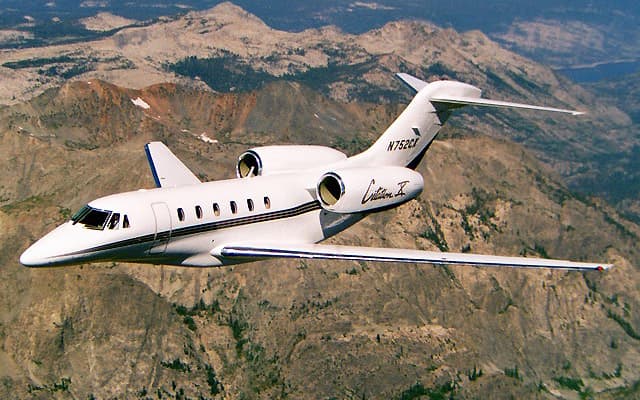
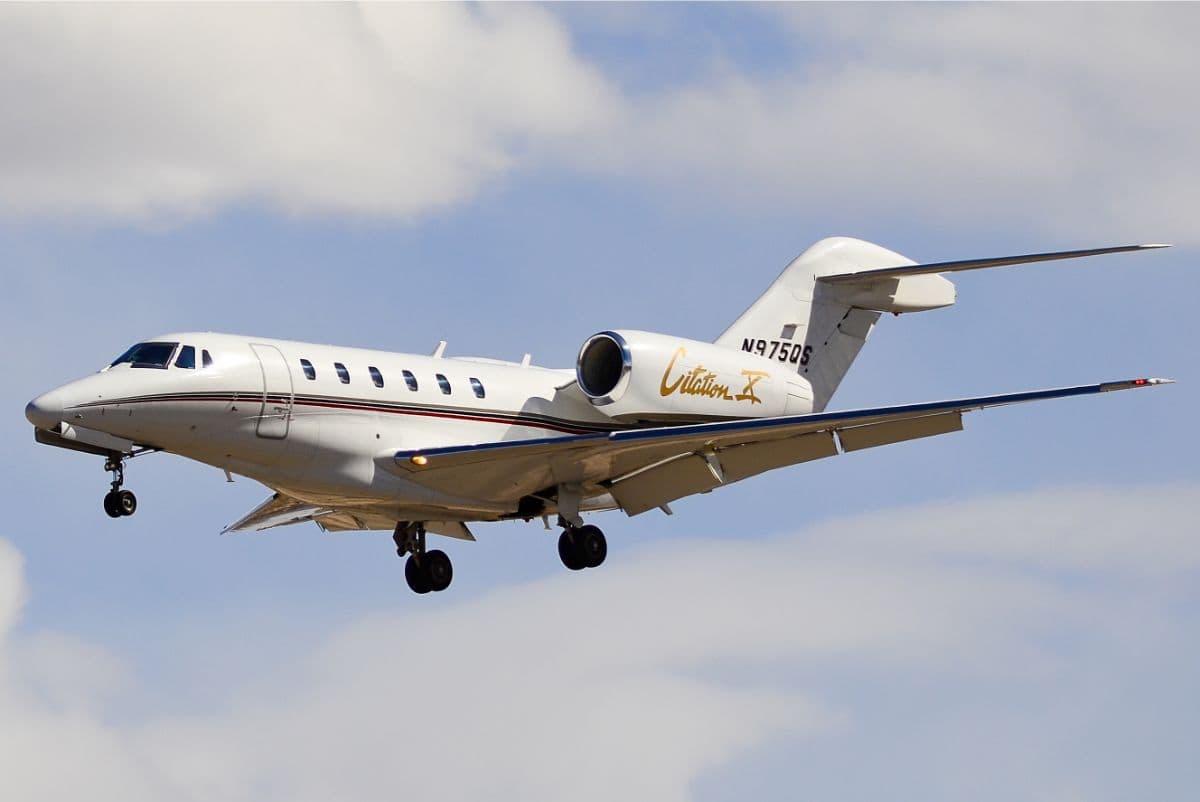
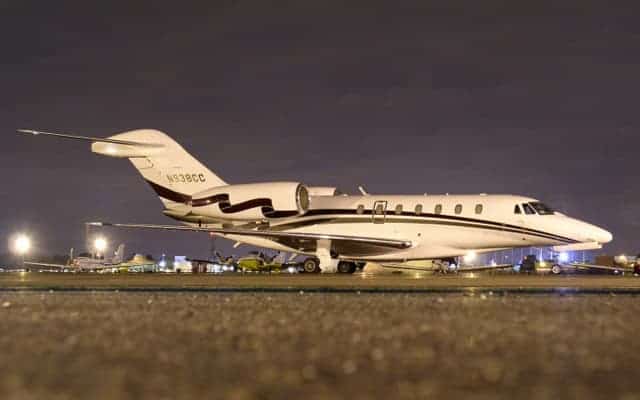
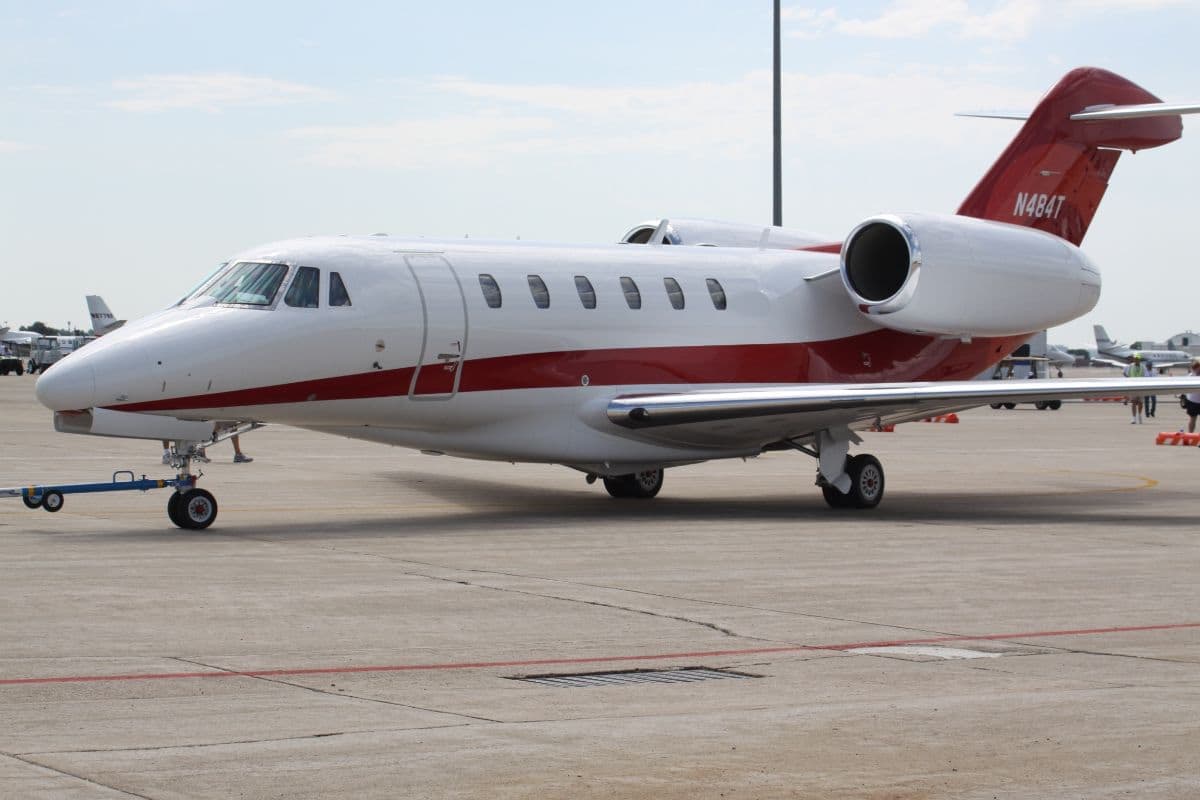
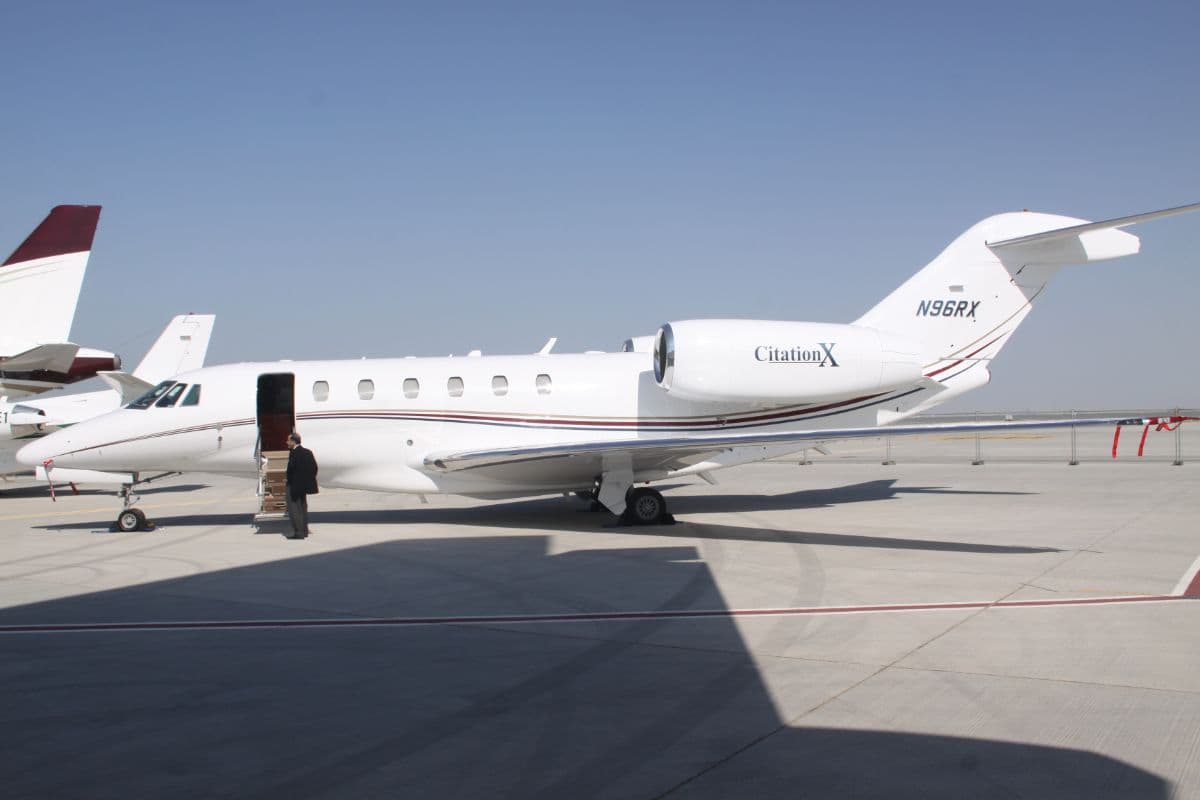
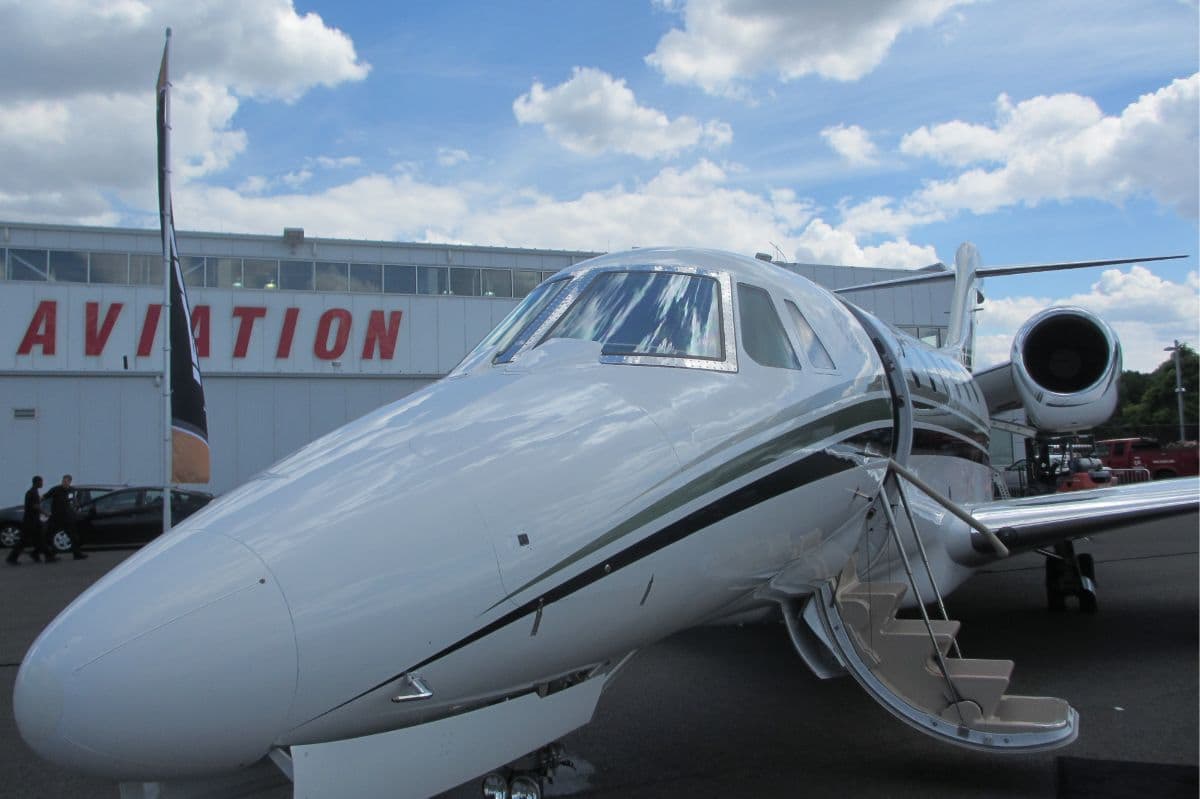
Cessna 750 Citation X joins the fleet. The ministry acquires a 2005 Citation X, one of the fastest business jets available, with a top speed of Mach 0.92. It becomes the long-range workhorse for international missions.
October 2007
Cessna 550 Citation Bravo received as a gift. A donor contributes the 1998 Citation Bravo to Kenneth Copeland Ministries. KCM designates it for domestic travel, freeing the Citation X for overseas routes.
November 2007
Senate Finance Committee announces investigation. Senator Chuck Grassley targets six major televangelist ministries, including KCM, over potential misuse of tax-exempt funds. The jets are a central concern.
2017
God “set aside” a Gulfstream V. Copeland tells his congregation that God has designated a specific aircraft for the ministry. KCM begins raising funds for acquisition and a new hangar.
January 2018
Gulfstream V (N652CK) purchased from Tyler Perry. The deal closes during Thanksgiving week 2017 and is finalized in January 2018. The aircraft is listed at approximately $5.9 million, then receives $2.5 million in upgrades.
2019
Inside Edition confrontation goes viral. Reporter Lisa Guerrero confronts Copeland about his jets and his “tube of demons” comment. The video earns tens of millions of views and reignites national debate about prosperity gospel finances.

Inside the Gulfstream V: Kenneth Copeland’s Flagship Jet
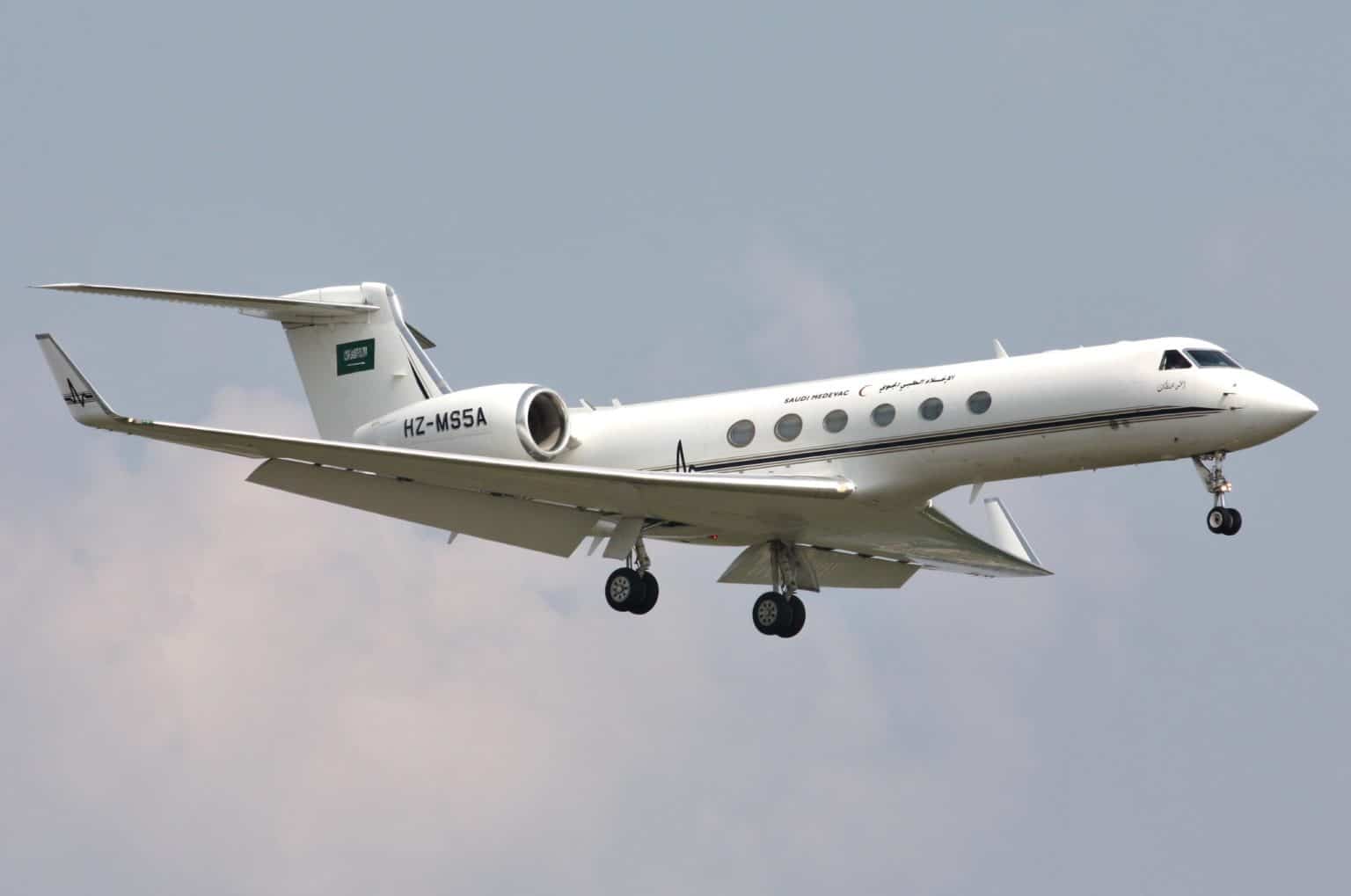
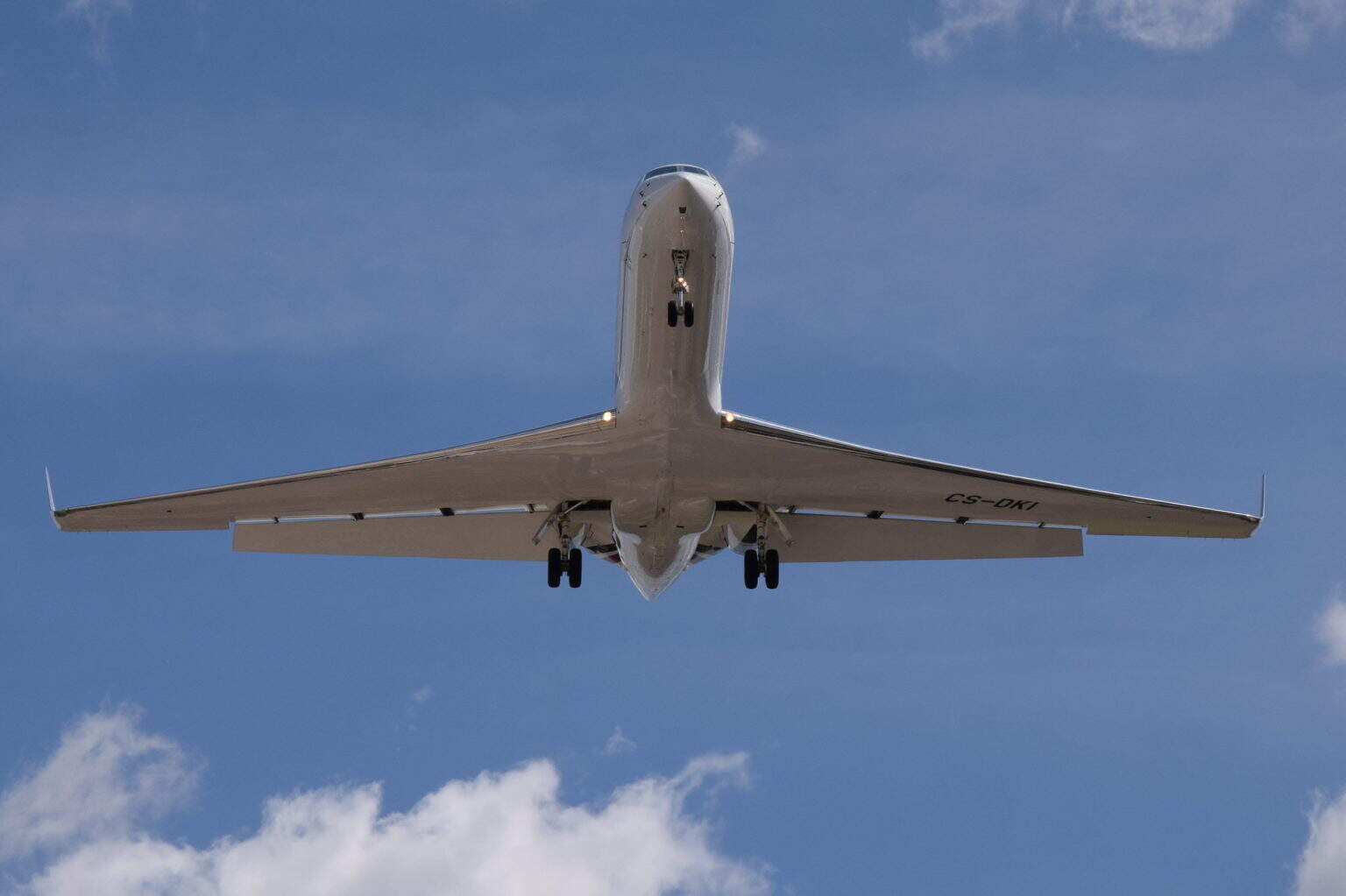
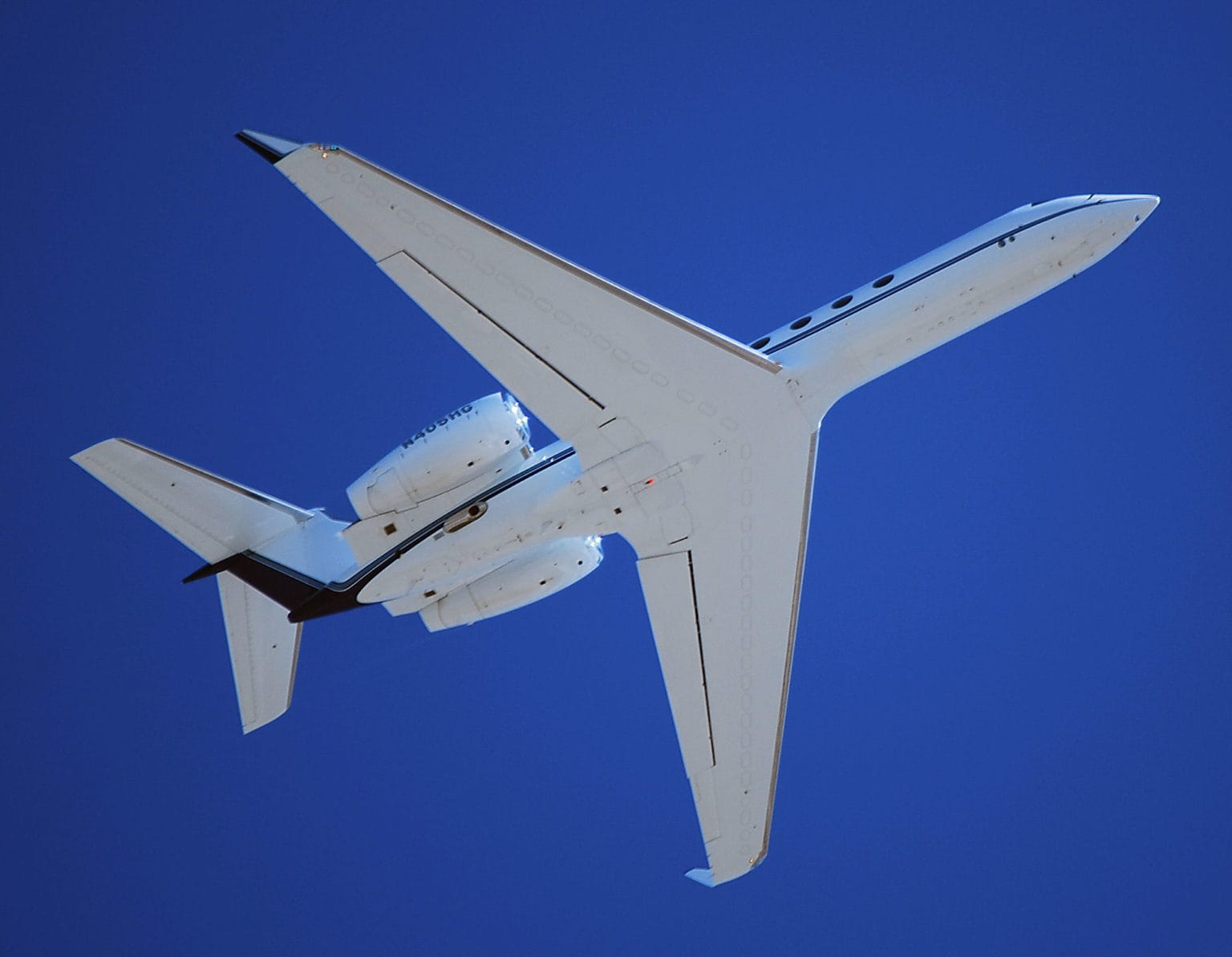
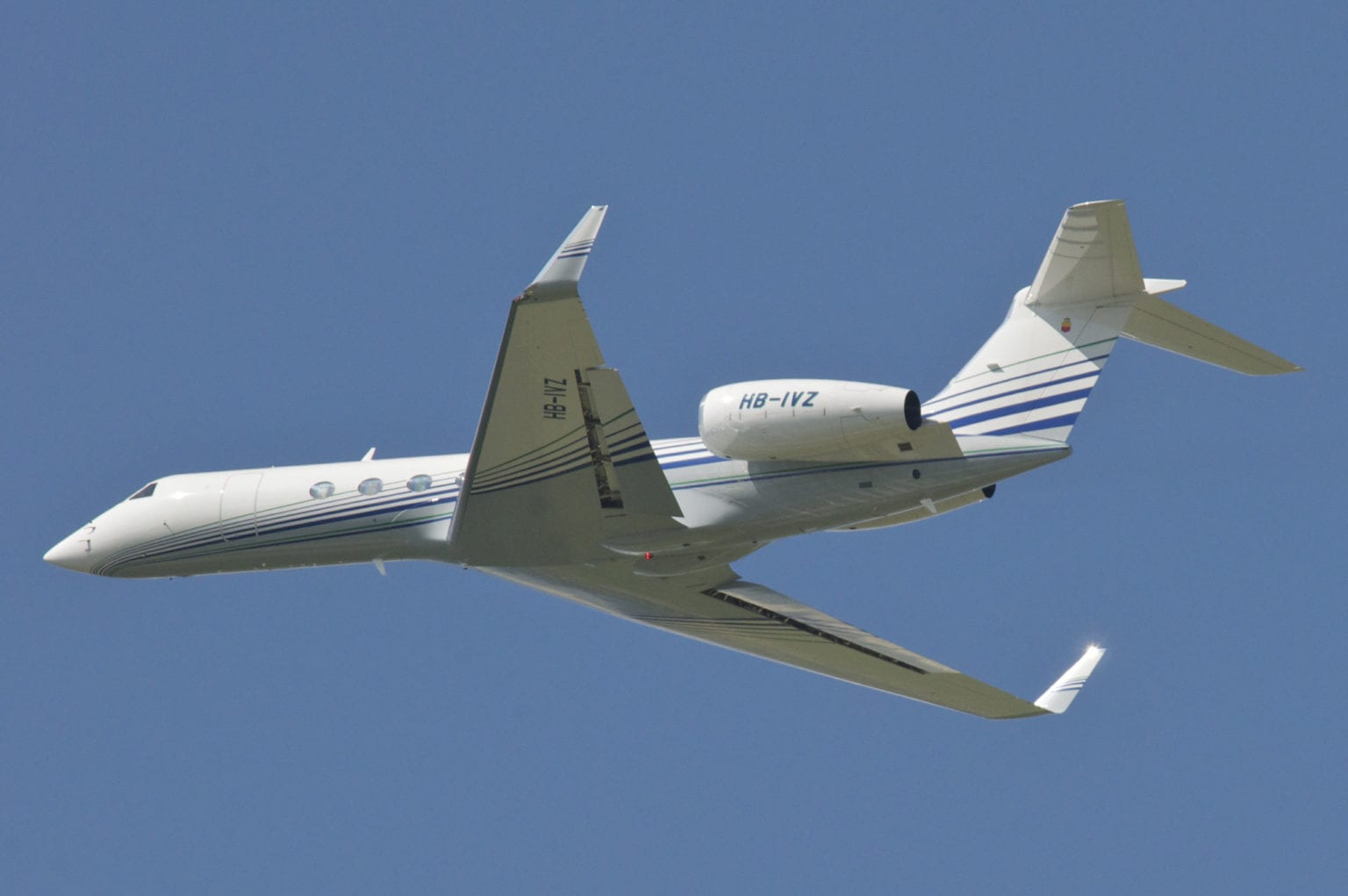
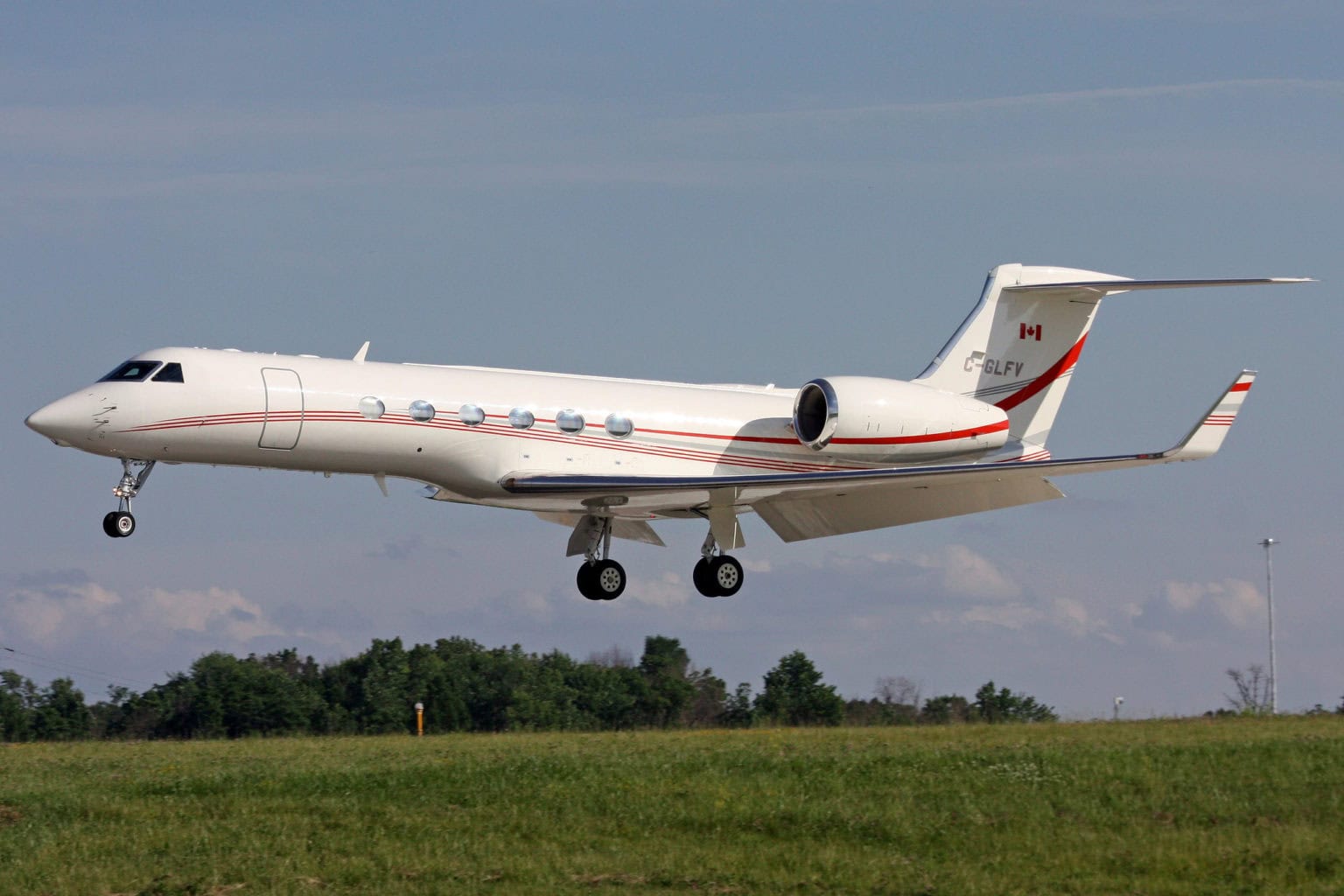
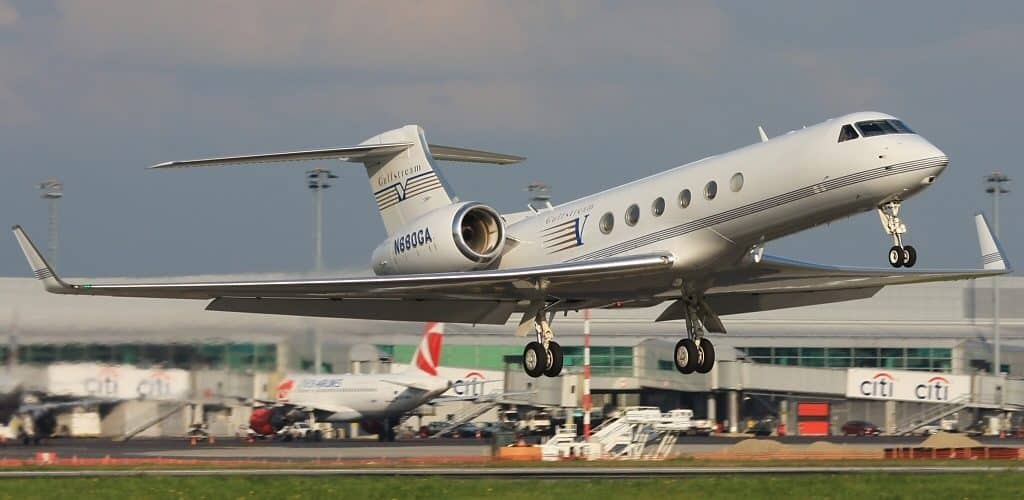
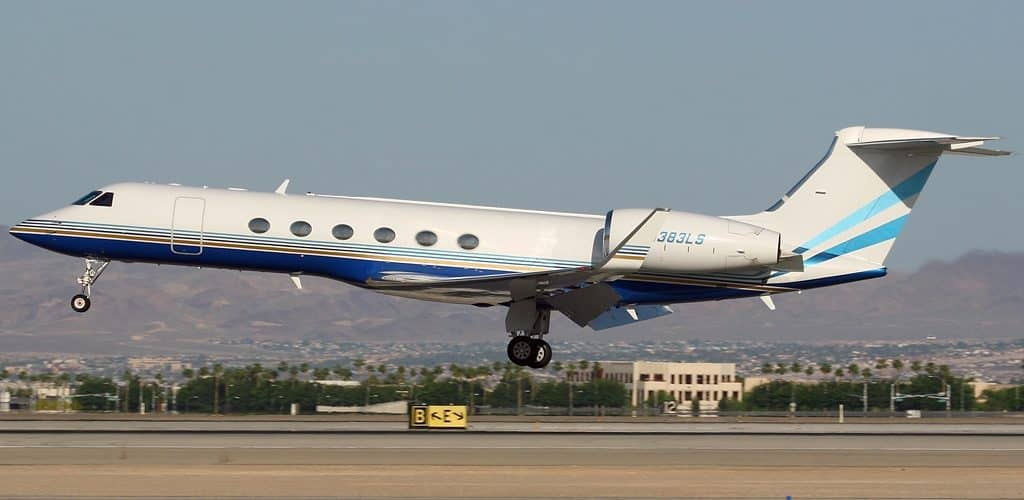
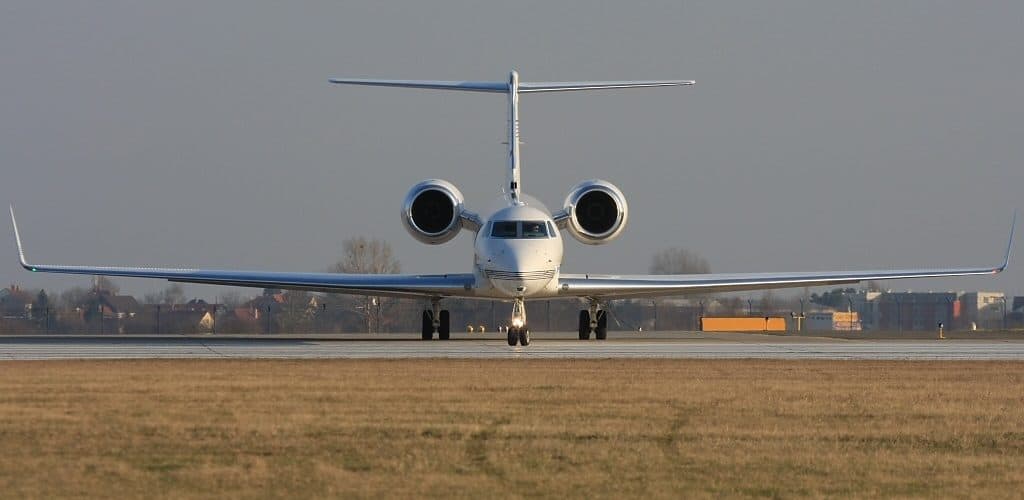
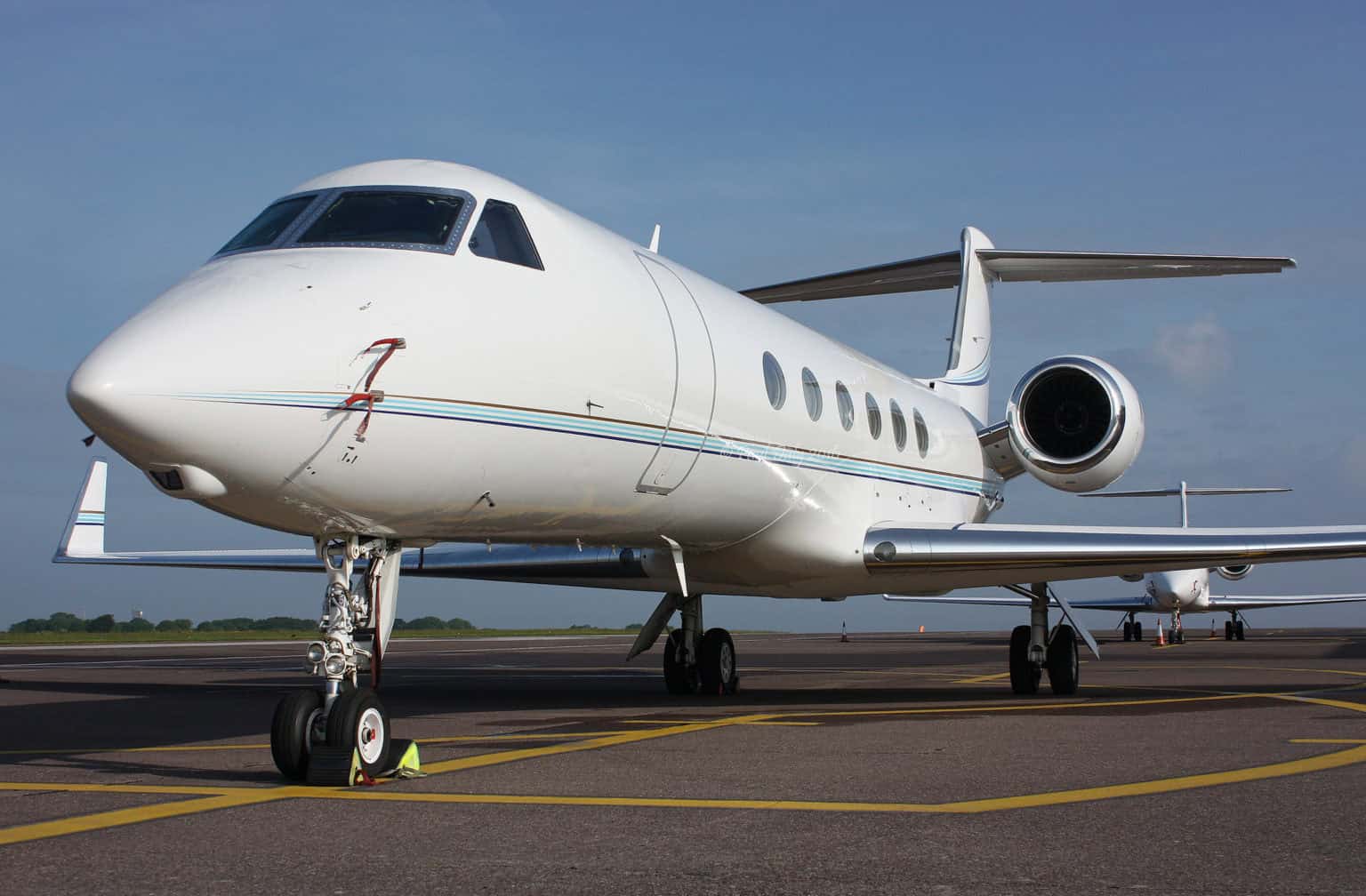
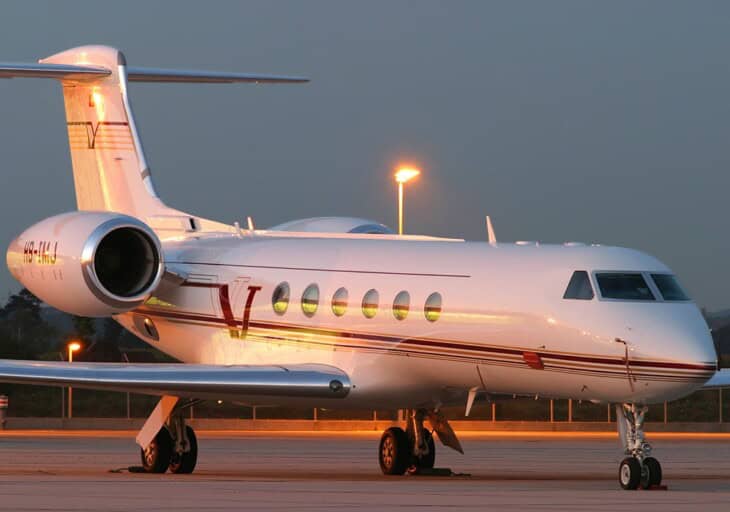
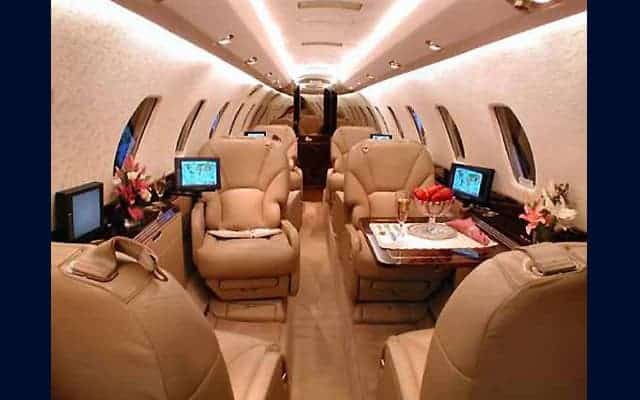
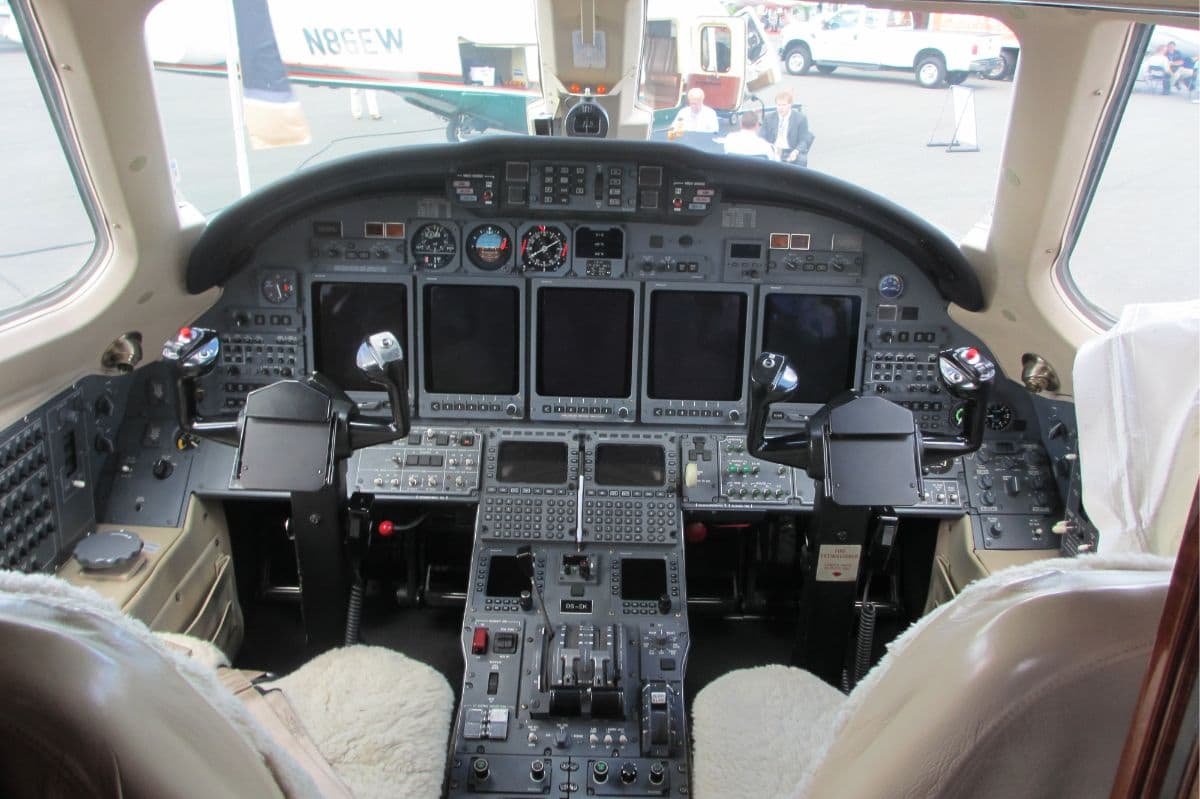
The Gulfstream V registered N652CK is the most capable aircraft Kenneth Copeland Ministries has ever operated. Before Copeland bought it, it belonged to Tyler Perry, who had used it for his own film and entertainment work. The transaction was reportedly one of the best deals available on the used Gulfstream V market at the time, with the aircraft listed at approximately $5.9 million. After purchase, KCM spent around $2.5 million on upgrades and then raised an additional $17 to $20 million from its congregation for a new hangar, runway improvements, and specialized maintenance equipment at Kenneth Copeland Airport.
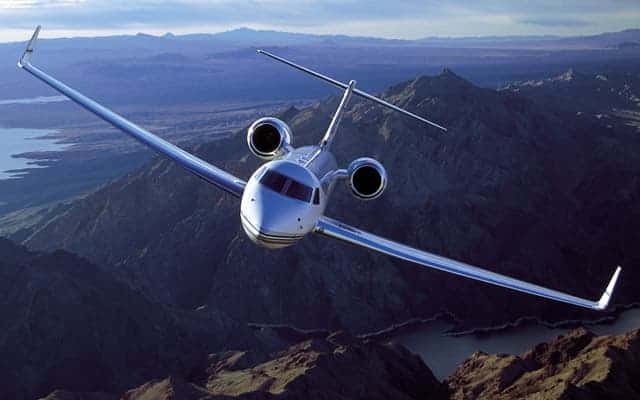
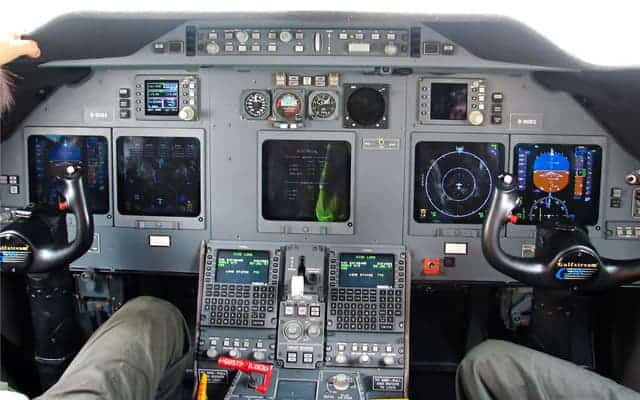
The Gulfstream V is a true ultra-long-range business jet. With a range of 6,500 nautical miles, it can fly nonstop from Fort Worth to London, Tokyo, or Cape Town without stopping. Its two Rolls-Royce BR710 turbofan engines push it to a maximum speed of Mach 0.885, with a typical cruise around Mach 0.80 at a service ceiling of 51,000 feet, comfortably above commercial traffic and most weather. In the context of ministry travel, that range means Copeland can reach virtually any international crusade destination on a single fuel stop or less.
Performance
Cabin
Ownership
Why a "debt-free" jet still cost followers millions
When KCM announced the Gulfstream V acquisition, Copeland celebrated that the aircraft was purchased “debt-free” — meaning no loans. But that was only the beginning of the spending. The ministry then launched a fundraising campaign seeking $17 to $20 million from donors to build a new hangar, resurface the runway at Kenneth Copeland Airport, and purchase specialized GV maintenance equipment. For critics, paying cash for a $5.9M jet only to ask followers for three times that amount in follow-on costs missed the point.

The Citation X: Speed Built for International Ministry
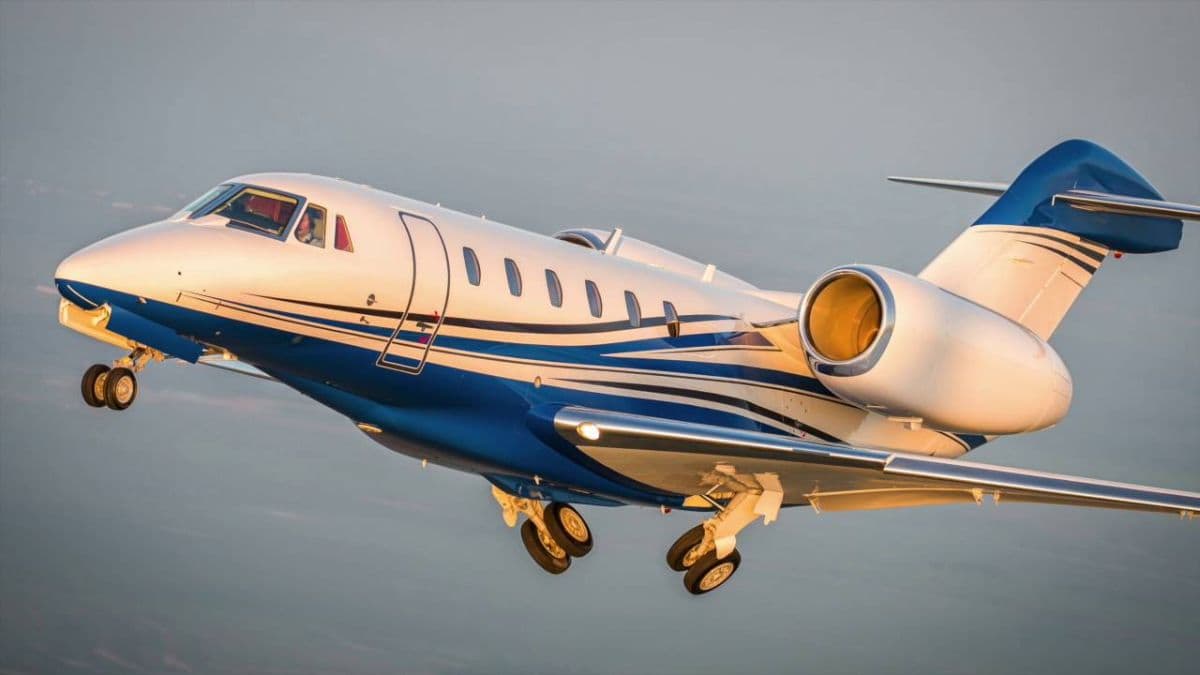
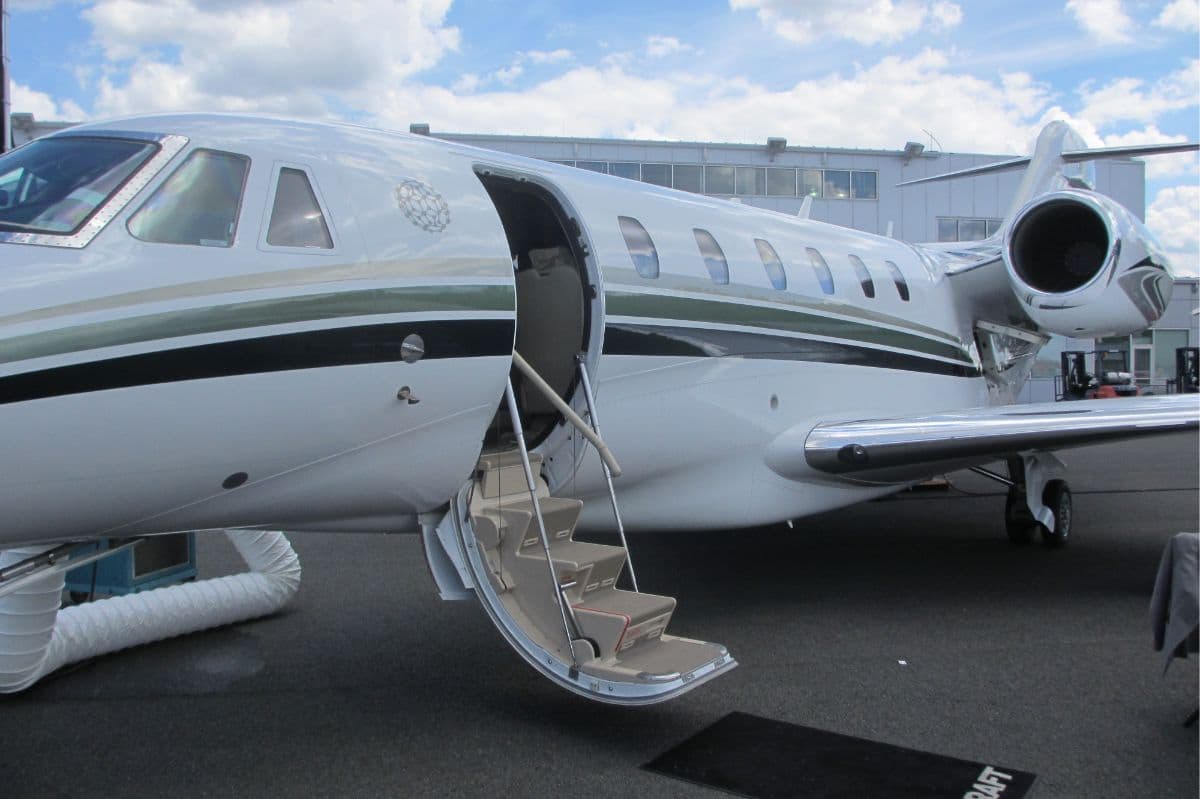
Before the Gulfstream V arrived, the 2005 Cessna 750 Citation X was the most capable aircraft in the KCM fleet, and by one important measure it still holds a record: the Citation X is one of the fastest business jets ever built, capable of reaching Mach 0.92. At that speed, a transatlantic crossing takes significantly less time than on a conventional business jet. Kenneth Copeland Ministries designated it specifically for international flights, connecting Fort Worth to overseas crusade locations in Europe, Africa, and beyond. The Citation X seats up to 12 passengers and is powered by two Rolls-Royce AE 3007C turbofan engines with a range of around 3,200 nautical miles.
Three jets, three missions
The fleet division is deliberate. The Citation Bravo handles short domestic hops where a smaller aircraft is more economical. The Citation X covers international routes where its speed and range give it an edge over the Bravo. And the Gulfstream V takes the longest and most high-profile trips. From a purely operational standpoint, the tiered fleet is logical — though critics note that most ministries manage without any of the three.
The Citation Bravo: A Gift That Keeps Flying
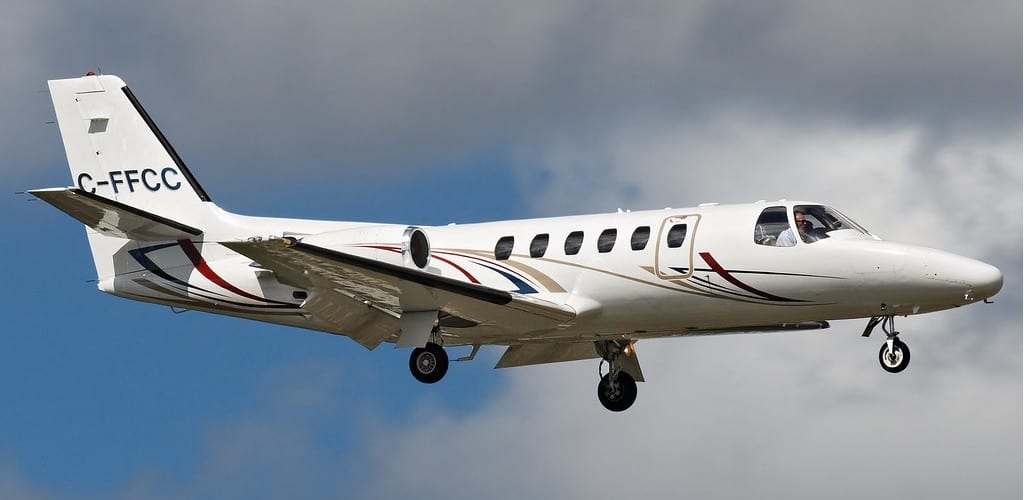
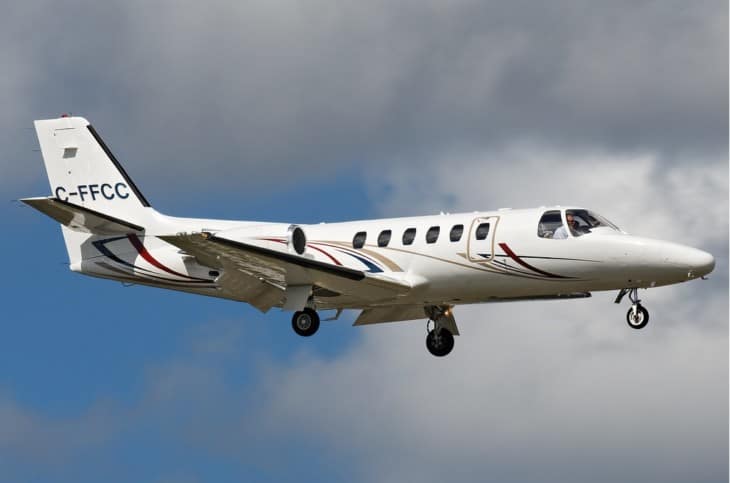
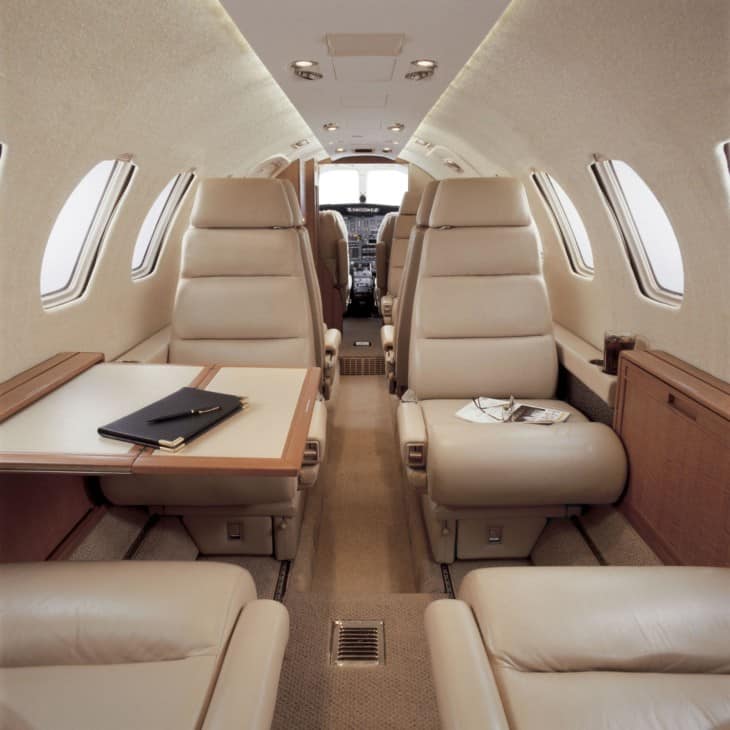
The oldest aircraft in the current KCM fleet, a 1998 Cessna 550 Citation Bravo, was not purchased at all: it was donated to the ministry in October 2007. Copeland frequently cites donor-funded aircraft as evidence that God provides for the ministry’s needs, and the Citation Bravo fits that narrative precisely. With a range of about 1,815 nautical miles and seating for up to eight passengers, it handles the domestic circuit: regional events, speaking engagements, and shorter ministry trips across the continental United States. Its Pratt & Whitney Canada PW530A engines are fuel-efficient relative to the larger jets in the fleet, making it the economical choice for shorter segments.
The Controversy: Demons, Donors, and a Senate Investigation
No discussion of Kenneth Copeland’s private jets exists in isolation from the controversies they have generated. There have been three major flashpoints: his public remarks about commercial aviation, the viral 2019 interview, and a multi-year Senate investigation into how the jets were actually being used.


“A Long Tube Full of Demons”
In 2015, Copeland explained his aversion to commercial flying in terms that would follow him for years. He described airline cabins as “a long tube with a bunch of demons,” arguing that the environment made it impossible to hear from God. He later denied characterizing fellow passengers as demons, insisting the quote had been taken out of context — but the clip spread widely regardless, framing every subsequent jet controversy through that lens.
The Inside Edition Confrontation (2019)
In May 2019, Inside Edition reporter Lisa Guerrero tracked Copeland to a private airport and asked him directly: why can’t he fly commercial? Copeland’s response was immediate and sharp. He denied making the demons comment, snapping at Guerrero with visible anger. When she pressed on the jets themselves, he replied: “If I flew commercial, I’d have to stop 65 percent of what I’m doing.” The clip circulated across social media platforms and news outlets globally, earning tens of millions of views. It remains one of the most-watched televangelist confrontation videos ever recorded.
The 65% claim under scrutiny
Copeland’s argument that commercial flying would eliminate 65% of his ministry activity depends on a particular definition of ministry. Senator Grassley’s subsequent investigation found evidence that KCM aircraft had been used for hunting trips, shopping excursions, routine medical visits, and personal vacations — activities that would not appear in any ministry itinerary.
The Senate Finance Committee Investigation (2007–2011)
On November 5, 2007, Senator Chuck Grassley of Iowa announced an investigation into six major televangelist ministries, with Kenneth Copeland Ministries among them. The Senate Finance Committee wanted to understand whether these nonprofits were using tax-exempt donations for personal enrichment. KCM’s jets were a central question: specifically, whether aircraft purchased with donor funds were being used for personal travel unrelated to ministry work.
Copeland’s response to the Senate inquiry was defiant. KCM refused to provide full financial disclosures. Copeland declined to reveal even the names of his ten board members to Grassley’s investigators. When investigators probed the ministry’s corporate structure, they found at least 21 subsidiary entities that KCM had not disclosed. A former KCM employee testified that the ministry’s aircraft had been used for personal hunting trips, shopping trips, routine medical appointments, and vacations — none of which would qualify as charitable ministry activity.
After three years, Senator Grassley closed the investigation in January 2011 with no formal penalties and no definitive findings of wrongdoing. The investigation had no subpoena power, which limited its reach. KCM and the other uncooperative ministries were never compelled to produce records. For critics, the outcome was a reminder of how much legal protection nonprofit status affords religious organizations.
The $7M tax-exempt mansion next door
The jet controversy is part of a broader picture. Copeland’s 18,000-square-foot lakefront mansion near Fort Worth, estimated at $7 million, is classified as a parsonage and therefore exempt from property taxes. Local authorities reportedly forgo over $150,000 per year in tax revenue on the property alone. Critics argue the combination — tax-exempt jets, tax-exempt mansion, tax-exempt ministry income — makes it nearly impossible for outside oversight to function.
Kenneth Copeland’s Most Notable Private Jet Moments
The Tyler Perry Handoff
The sale of Tyler Perry’s Gulfstream V to Kenneth Copeland Ministries in late 2017 and early 2018 was an unusual transaction in the world of ultra-high-net-worth aviation: a Hollywood filmmaker selling to a televangelist. Perry had used the aircraft extensively for his production and entertainment operations. For Copeland, the acquisition was framed as a divine appointment. In a recorded message to his congregation, he described God as having “set aside” the specific aircraft for the ministry, presenting the purchase not as a real estate decision but as an act of faith. The celebration was effusive, and the video of Copeland receiving the aircraft was shared widely by both supporters and critics.
Flying to a Political Rally
Nonprofit tax law generally prohibits 501(c)(3) organizations from engaging in political campaign activity. Despite this, reporting by the Trinity Foundation documented at least one instance where Copeland flew a KCM aircraft to join a political rally. The use of a ministry aircraft for what critics described as political activity renewed questions about whether KCM’s operations stayed within the legal boundaries of its tax-exempt status.
The Grassley Spotlight
The 2007 Senate investigation put Copeland’s jets in front of national news audiences for the first time. Grassley’s team specifically questioned whether the fleet was being operated as a ministry tool or as a personal benefit for Copeland and his family. The resulting media coverage, years before social media could amplify it, introduced millions of Americans to the concept of a televangelist operating a multi-jet private aviation fleet from a ministry campus with its own runway.
How Copeland’s Fleet Compares to Other Televangelists
Kenneth Copeland is far from alone among prosperity gospel ministers in operating private aviation. But the scale and visibility of his fleet set a particular benchmark in the televangelist world.
Comparison based on reported fleet values and public fundraising campaigns. Bar widths reflect fundraising amounts, not fleet values.
Creflo Dollar, pastor of World Changers Church International in Georgia, drew massive controversy when his ministry launched a campaign to raise $65 million for a Gulfstream G650, then the most expensive purpose-built business jet in production. Jesse Duplantis, a Louisiana-based televangelist and Copeland ally, asked his congregation to fund a $54 million Dassault Falcon 7X, telling them that Jesus would have used one too. What distinguishes Copeland from both is the breadth of his fleet: three aircraft, a private runway, a custom hangar, and decades of aviation history stretching back to his earliest days as a pilot. His operation is not just larger; it is more deeply institutionalized.
A licensed pilot at the controls
One detail that separates Copeland from most celebrity jet owners: he holds a commercial pilot certificate. He has spoken publicly about his love of flying and has logged thousands of hours over his lifetime. For Copeland, the jets are not just a status symbol or a ministry tool — they are an expression of a lifelong passion. That context does not resolve the fundraising or transparency questions, but it does distinguish his relationship with aviation from that of most public figures who simply climb aboard.
FAQ
Get the Newsletter
The latest aviation news and stories sent to your inbox.
About the Author

Tim is the owner and lead editor of AeroCorner since 2019, overseeing aviation content covering aircraft, airlines, airports, and the broader aviation industry. Through years of researching, writing, editing, and publishing aviation-focused content, he has developed extensive practical knowledge of commercial aviation and air travel. Based in Asia and a frequent traveler himself, Tim also brings firsthand passenger experience to AeroCorner’s coverage. Outside of publishing, he has also explored aviation firsthand through hands-on flight training in New Zealand.