
Heavy Business Jets
Gulfstream G650
ICAO: GLF6
The long-range business jet that redefined nonstop global travel
The latest aviation news and stories sent to your inbox.
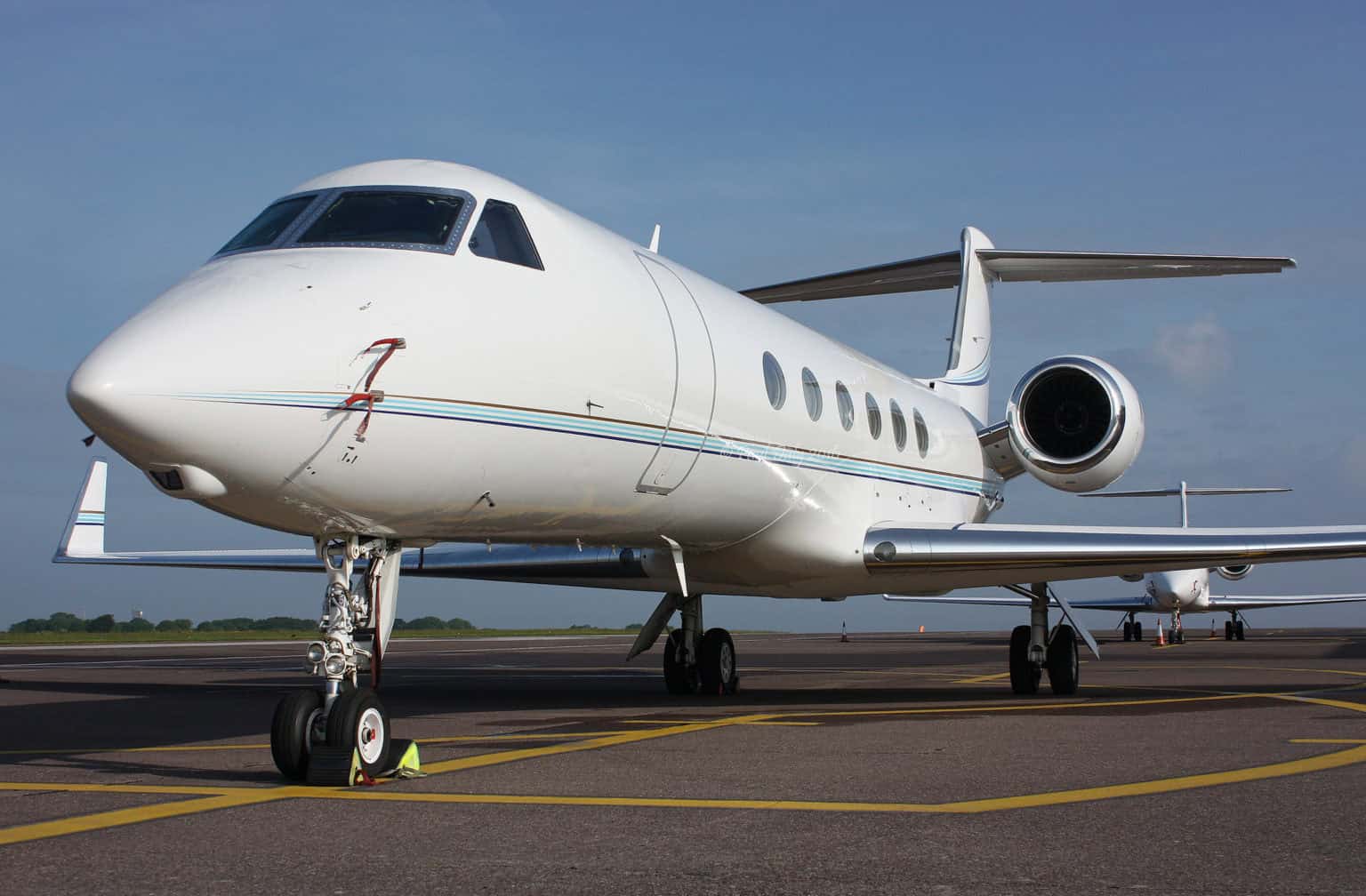
The Gulfstream V, commonly known as the G V, marked a major leap forward in ultra-long-range business aviation. Introduced in the 1990s, it gave corporate and government operators the ability to fly intercontinental routes nonstop, setting new expectations for performance and cabin comfort in the large-cabin jet market.
Live Fleet Activity (GLF5)
Fetching live data…


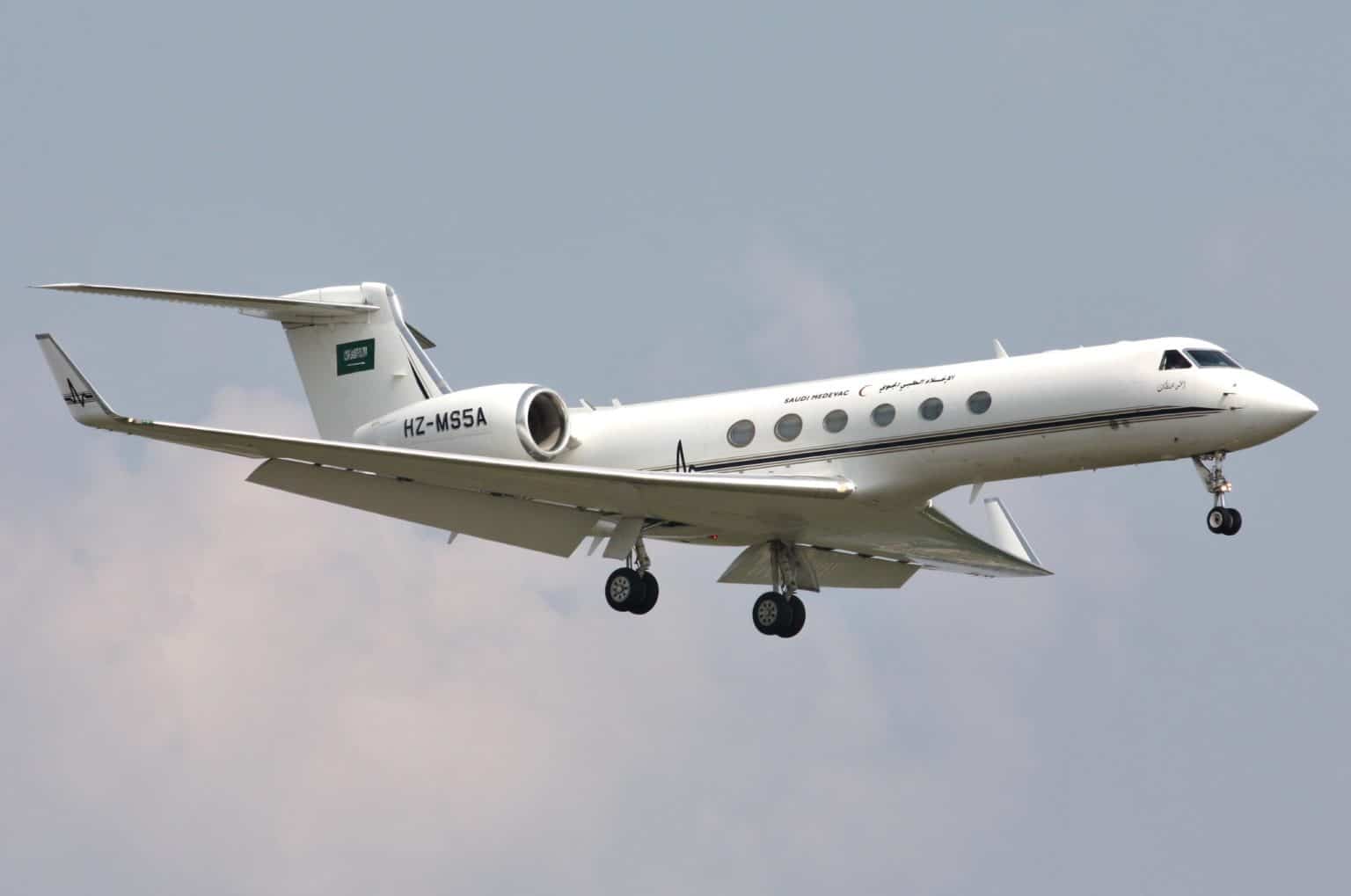
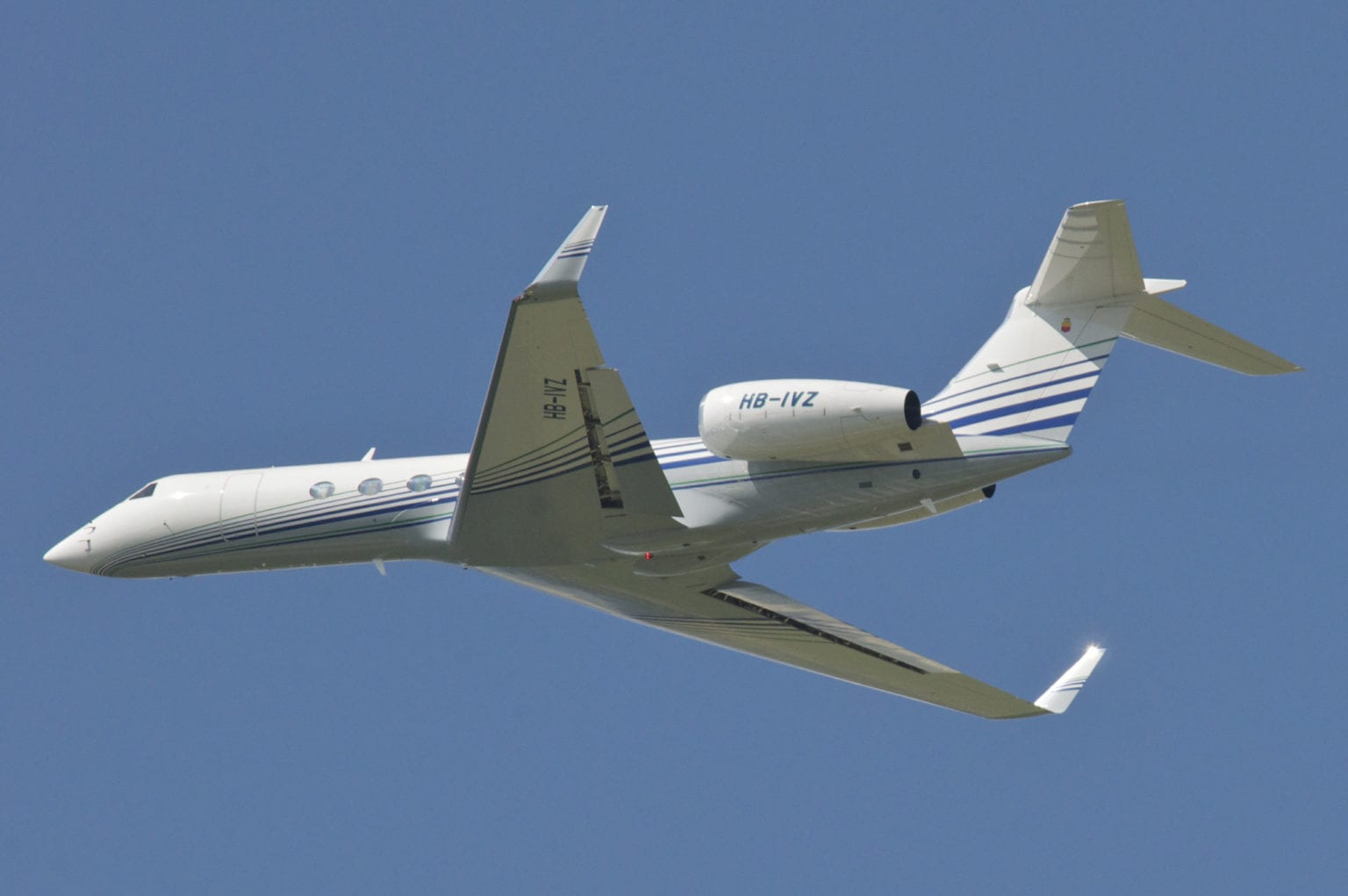
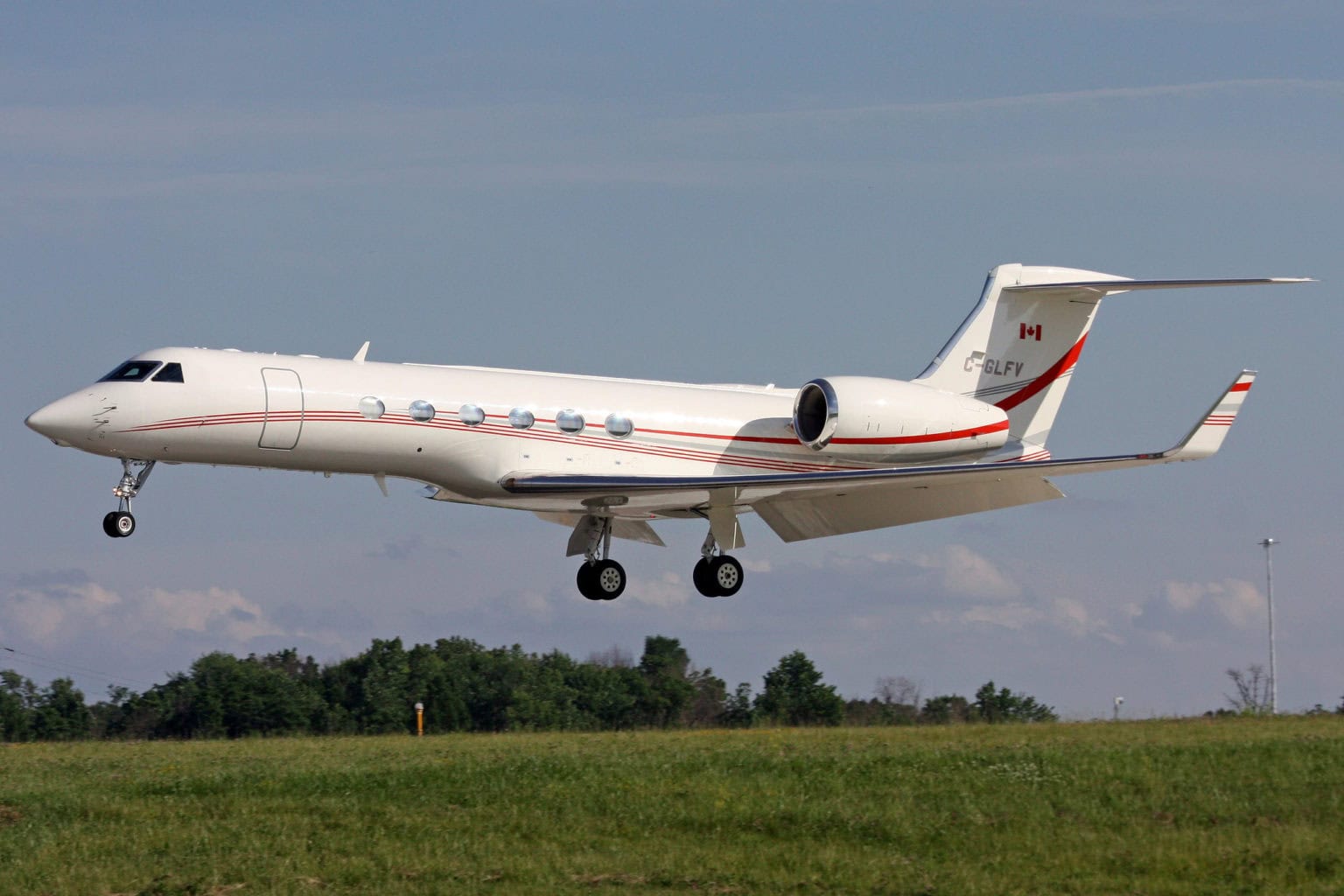
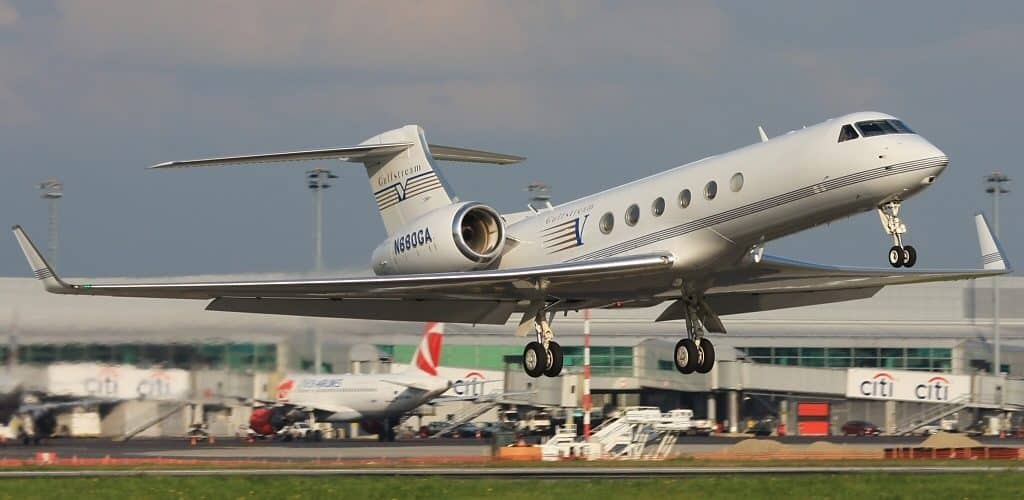
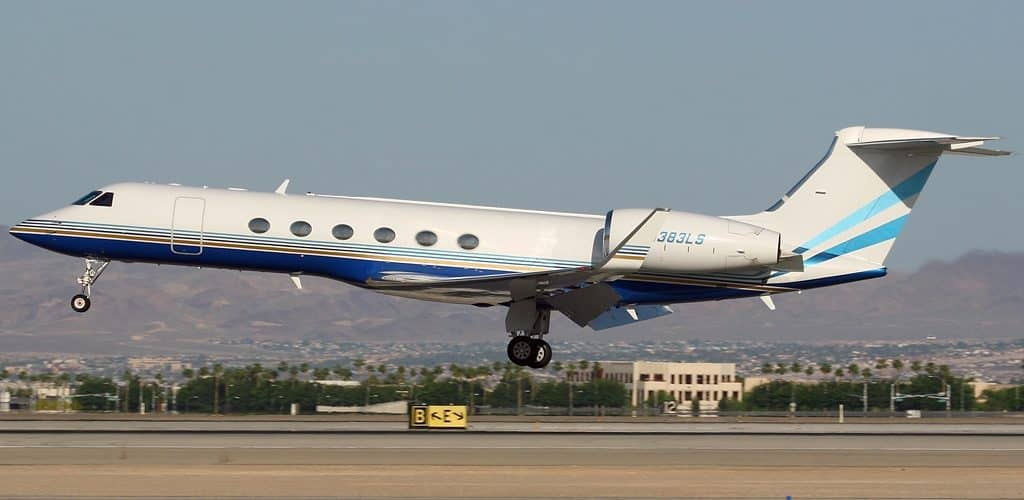

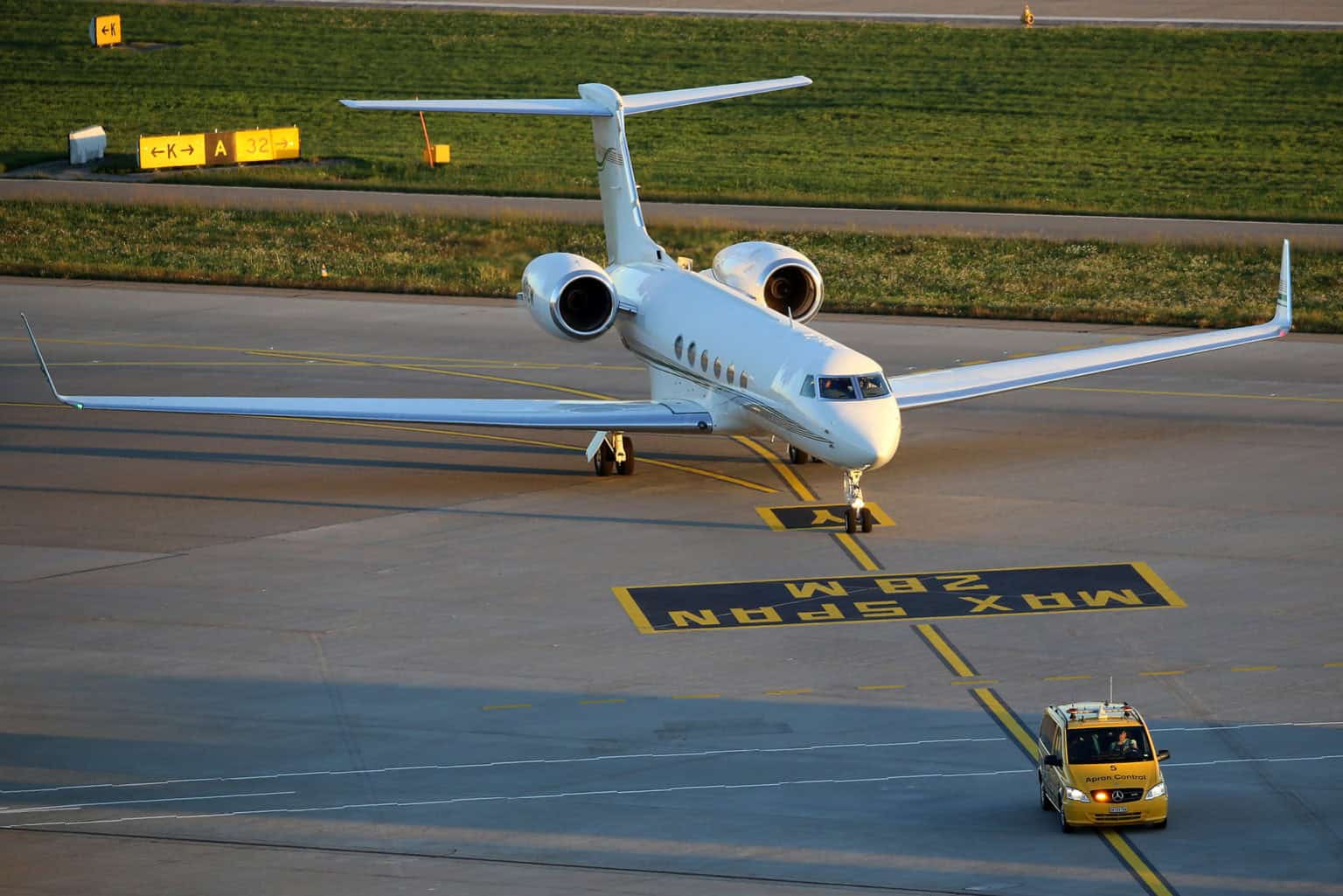
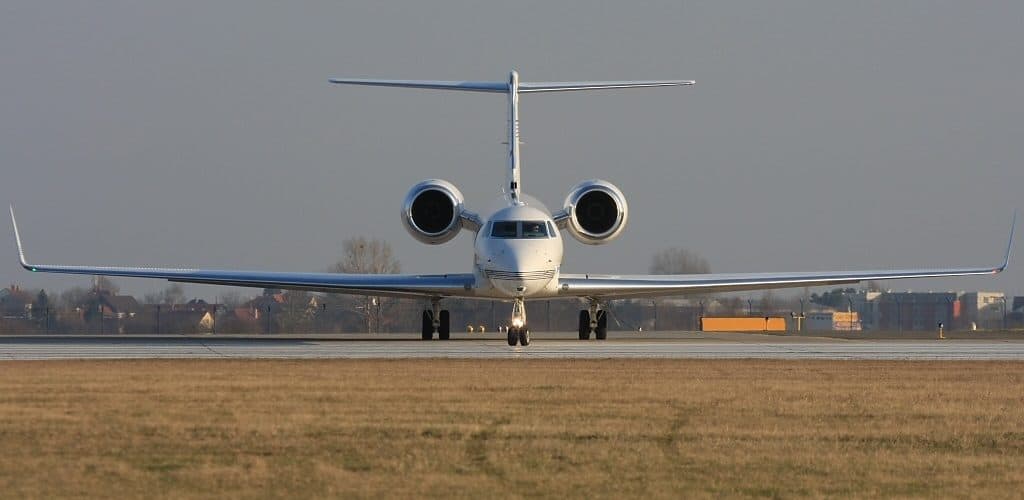




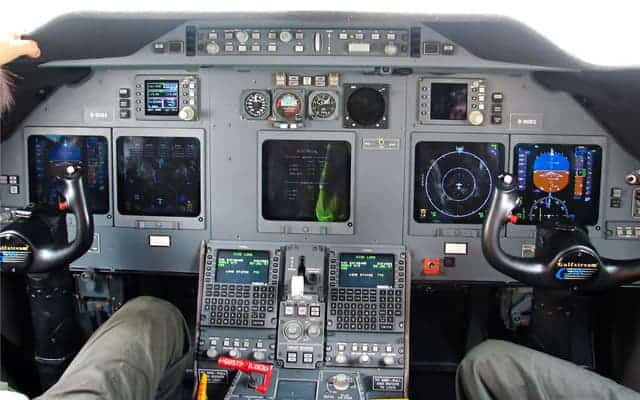
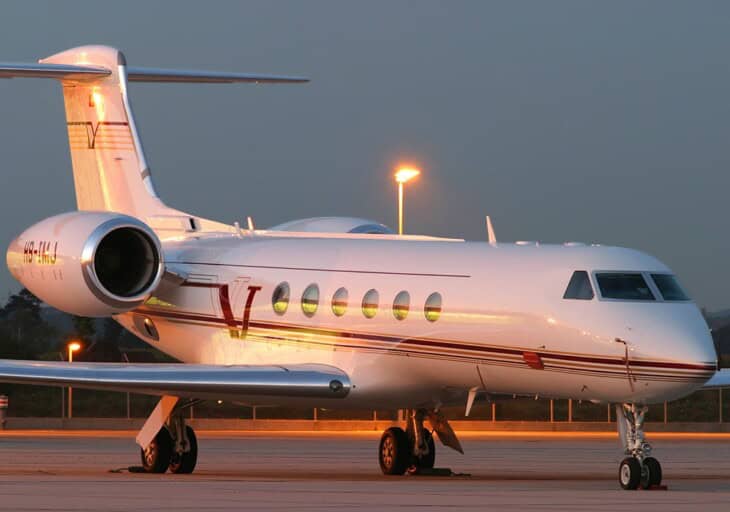
The Gulfstream V was developed by Gulfstream Aerospace as a stretched, longer-range follow-on to the IV series, with its first flight in 1995 and entry into service in 1997. The program aimed to provide nonstop intercontinental capability for corporate and government customers, incorporating advances in aerodynamics, systems, and cabin design relative to earlier Gulfstream types.
The aircraft is powered by two Rolls-Royce Tay 611-8 turbofan engines, each rated at roughly 13,850 pounds of thrust. It cruises at a high subsonic speed around Mach 0.80 and has a maximum takeoff weight in the vicinity of 91,000 pounds. Typical passenger accommodation is about 14 in executive layout, with long-range fuel capacity traded against cabin load to achieve transoceanic range.
In operational service the Gulfstream V established a benchmark for ultra-long-range business jets and was adopted by corporate, charter, and government operators. Its combination of range, cabin size, and reliability influenced subsequent Gulfstream models and contributed to the normalization of nonstop global business travel in the late 1990s and 2000s.
Gulfstream initiated the GV program as an incremental evolution of its large-cabin line, targeting customers that required extended nonstop range and greater cabin utility. Program planning emphasized integration of systems and structural changes that would support longer missions without a complete airframe redesign.
Flight test activity concentrated on validating fuel system arrangements and cabin environmental systems for sustained long-haul operations. Prototype airframes were instrumented for extended-duration trials that exercised high-altitude cruise, long-range fuel management, and system redundancy under simulated operational cycles.
Production planning scaled Gulfstream’s existing manufacturing flow while adapting tooling and support infrastructure for larger fuel tanks and revised systems. The company expanded service and parts distribution to match anticipated global long-range deployment patterns and to support diverse civil and government customers.
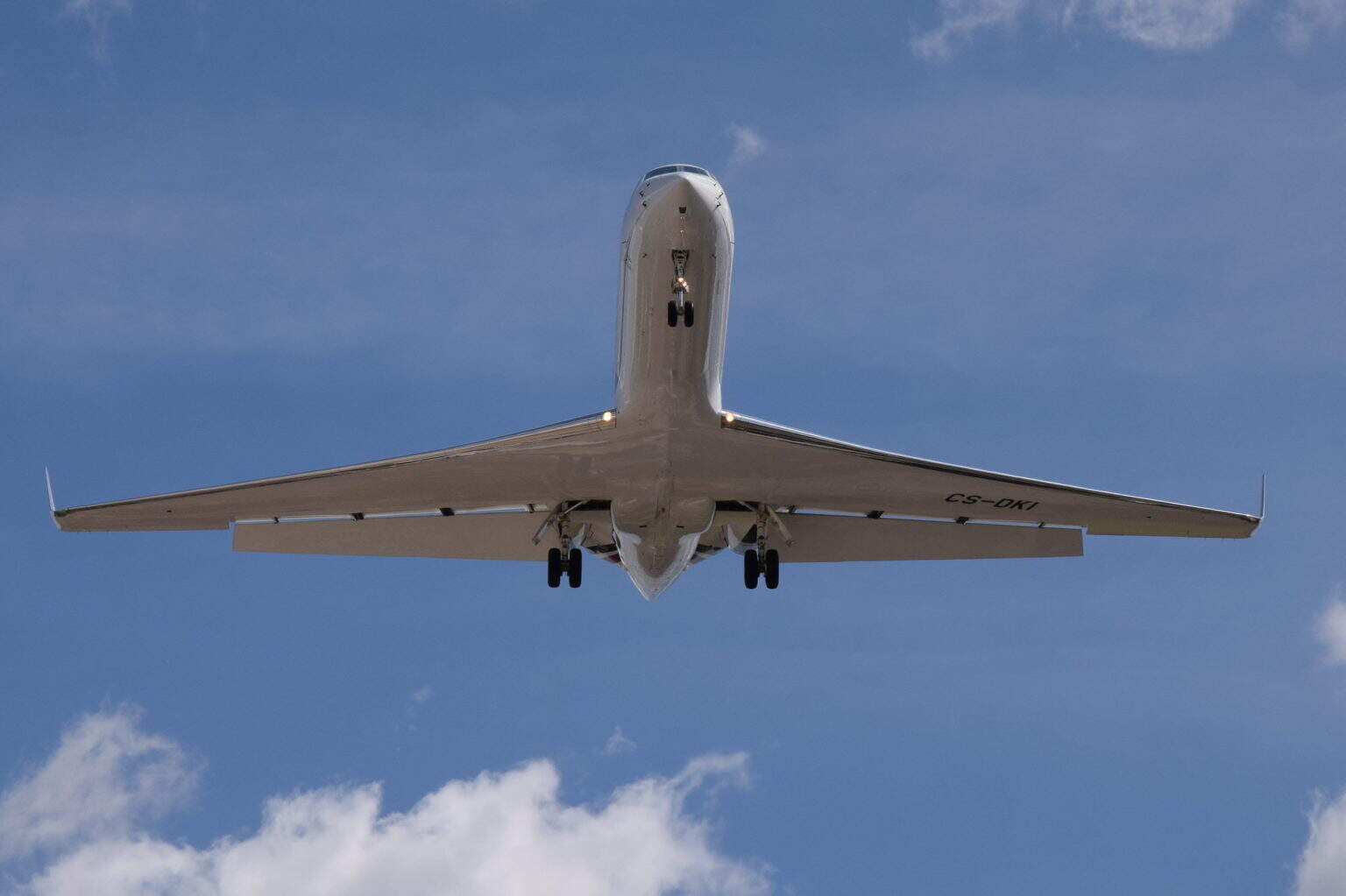
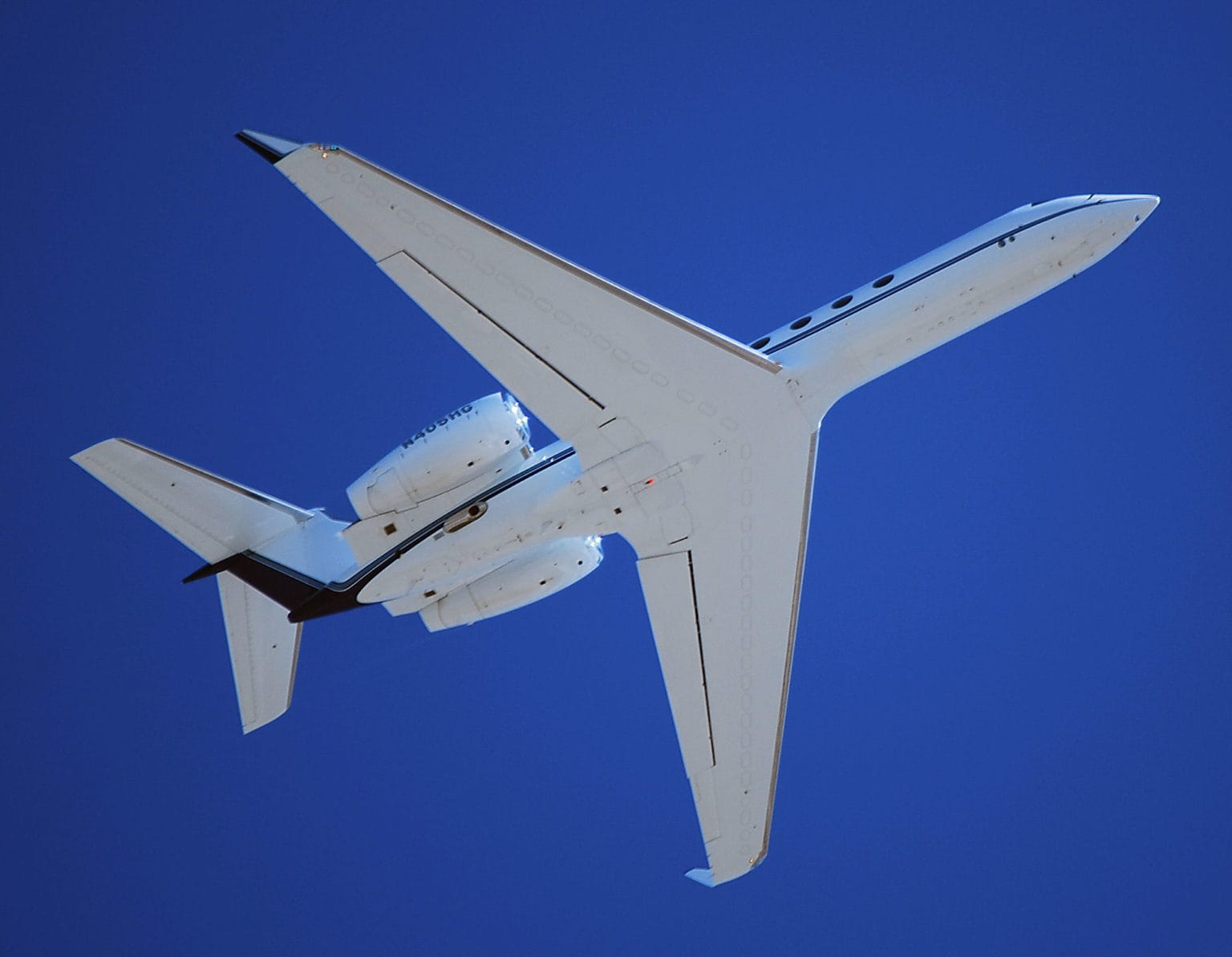
The GV is a low-wing corporate jet featuring a swept wing with pronounced winglets to reduce drag and improve cruise efficiency. Wing design accommodates substantial integral fuel volume while preserving handling qualities across the flight envelope at typical business jet cruise altitudes.
Cabin design centers on long-range comfort through modular furnishings, flexible cabin zones for work and rest, and integrated environmental systems that moderate noise and vibration. The fuselage cross-section supports a full stand-up aisle and wide cabin fittings, enabling varied interior configurations for executive or government use.
Structural design relies on conventional metallic primary structure with targeted use of advanced materials and manufacturing techniques to control weight while meeting fatigue and damage-tolerance requirements. Access panels, service points, and systems routing reflect an emphasis on maintainability in line maintenance environments.
Avionics architecture is an integrated digital flight deck with multi-redundant systems and automation to support oceanic navigation and long-range communications. The avionics suite is arranged to simplify pilot workload for extended operations and to accept mission-specific communications and defensive or secure-communications fittings for government customers.
The GV delivers performance optimized for long-distance point-to-point missions, balancing fuel capacity, payload, and cruise efficiency to permit extended nonstop sectors that exceed typical intercontinental ranges for earlier business jets. Fuel-management options allow operators to trade passenger load for increased range when required.
Operational climb capability and cruise performance enable rapid transit to high flight levels where fuel burn is reduced. Performance in hot and high environments is mission-dependent and requires planning for reduced payload or increased runway length at affected fields.
Runway and field performance reflect the aircraft’s size and weight class; operators typically plan for longer takeoff and landing distances than light and midsize business jets. Payload-range planning, alternate fuel reserves, and ETOPS-like considerations for oceanic crossings figure into operational dispatch decisions.
Military and government customers received specially outfitted versions with secure communications suites and mission-specific interiors, commonly designated with military type codes when accepted into national inventories. These installations focus on communications, cabin reconfiguration, and mission support equipment while retaining the base airframe and performance characteristics.
A number of civil GV airframes underwent aftermarket modifications to update avionics, cabin systems, and interior finishes. These upgrades preserve the platform’s long-range utility while modernizing operational capabilities for contemporary airspace navigation and passenger expectations.
Special-mission conversions exist for roles such as medical evacuation and airborne command support, where interior layouts are adapted to accommodate stretchers, medical equipment, or operator consoles. Structural changes for these roles remain conservative to retain primary flight characteristics and range.
Civil operators deployed the GV on long single-stage city-pair routes linking financial and political centers separated by oceans. Charter operators used the type for premium long-haul services that prioritized nonstop travel over lower seat density, while corporate flight departments employed the aircraft for executive mobility on global itineraries.
Government and military use encompassed VIP transport, secure communications missions, and staff movement. Military-configured GV airframes are integrated into protocol and transport fleets, with additional mission equipment and crew procedures tailored to government operational security and availability requirements.
Fleet experience highlights robust reliability for long-duration operations supported by Gulfstream’s global maintenance network. Common maintenance practices include scheduled heavy checks, propulsion system overhauls, and periodic avionics refreshes to meet evolving navigation and communication standards.
Residual value and aftermarket activity reflect demand for long-range capability combined with updated systems. Many operators perform interior retrofits and avionics upgrades to extend service life and to align the aircraft with contemporary regulatory and operational expectations.
The GV established a commercial and operational benchmark for ultra-long-range corporate aviation by demonstrating sustained long-distance capability in a large-cabin package. Its operational record informed manufacturers and operators about system integration requirements and support needs for nonstop global missions.
Technologically, the program validated design choices for high-capacity fuel systems, integrated avionics for oceanic operations, and cabin arrangements suited to extended flights. Experience gathered from GV service contributed to refinement of maintenance practices and upgrade pathways for long-range business jets.
Program lessons shaped operator expectations for support infrastructure and lifecycle management of long-range platforms. Continued use and modernization of GV airframes underscore the platform’s adaptability to revised avionics standards and interior configurations without fundamental airframe change.
Sources and references used for research and fact-checking.