

Military Helicopters
The naval helicopter built for speed, maritime strike, and export service
The latest aviation news and stories sent to your inbox.
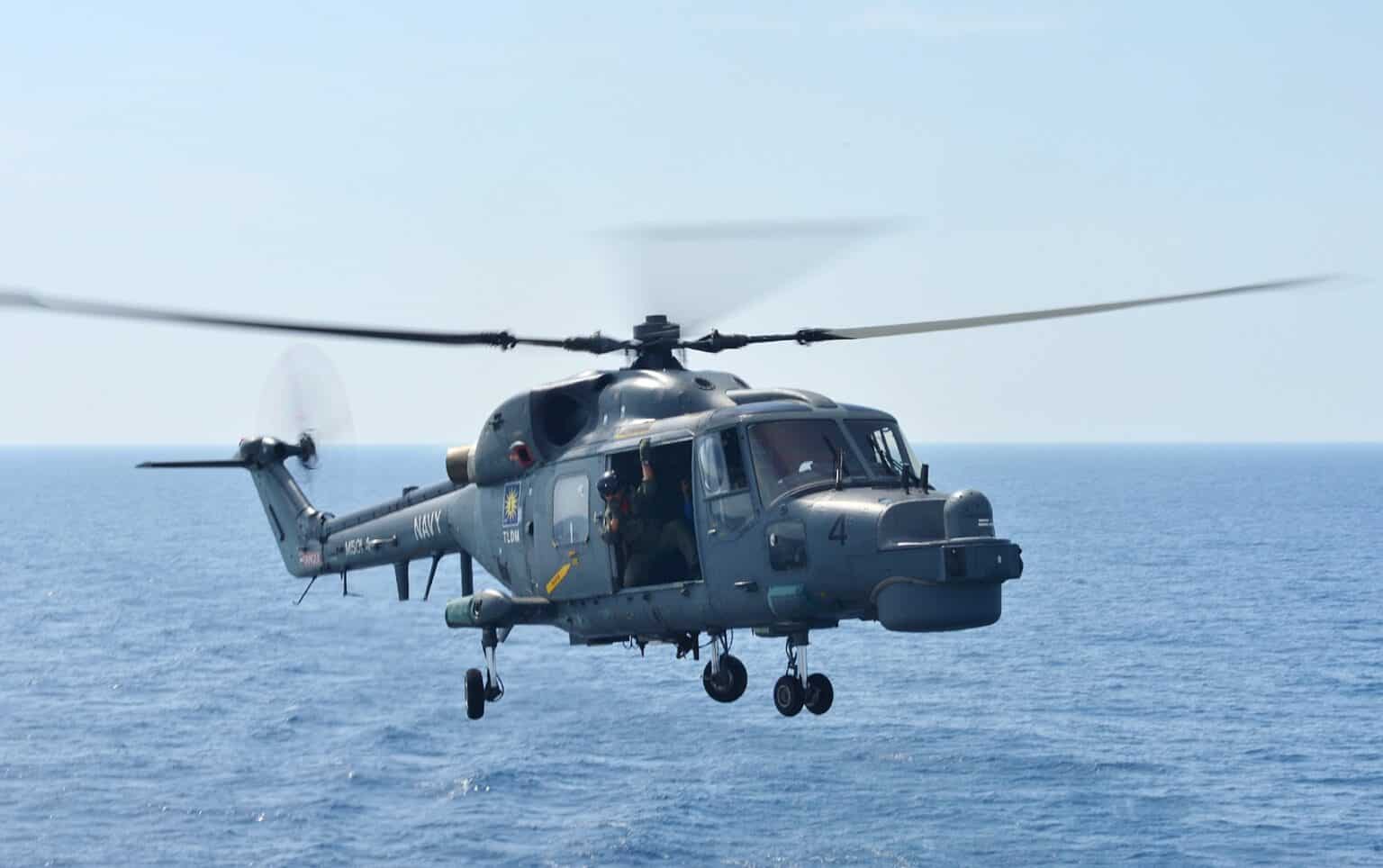
The Agusta Westland Super Lynx 300 is an advanced naval helicopter developed from the British Lynx family. Designed for anti-surface and anti-submarine warfare, it combines compact dimensions with high performance. The aircraft has been widely exported for shipborne operations.
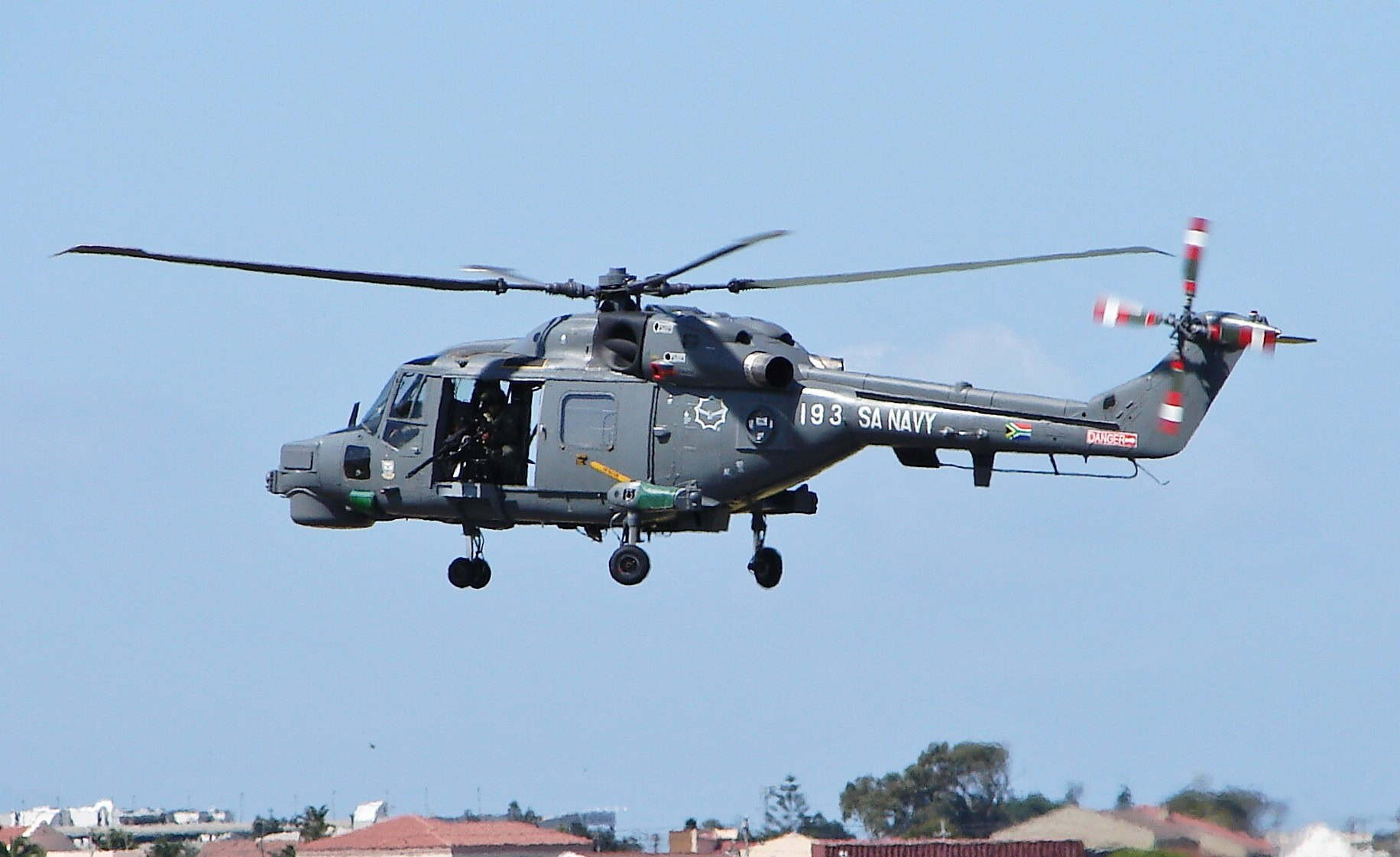
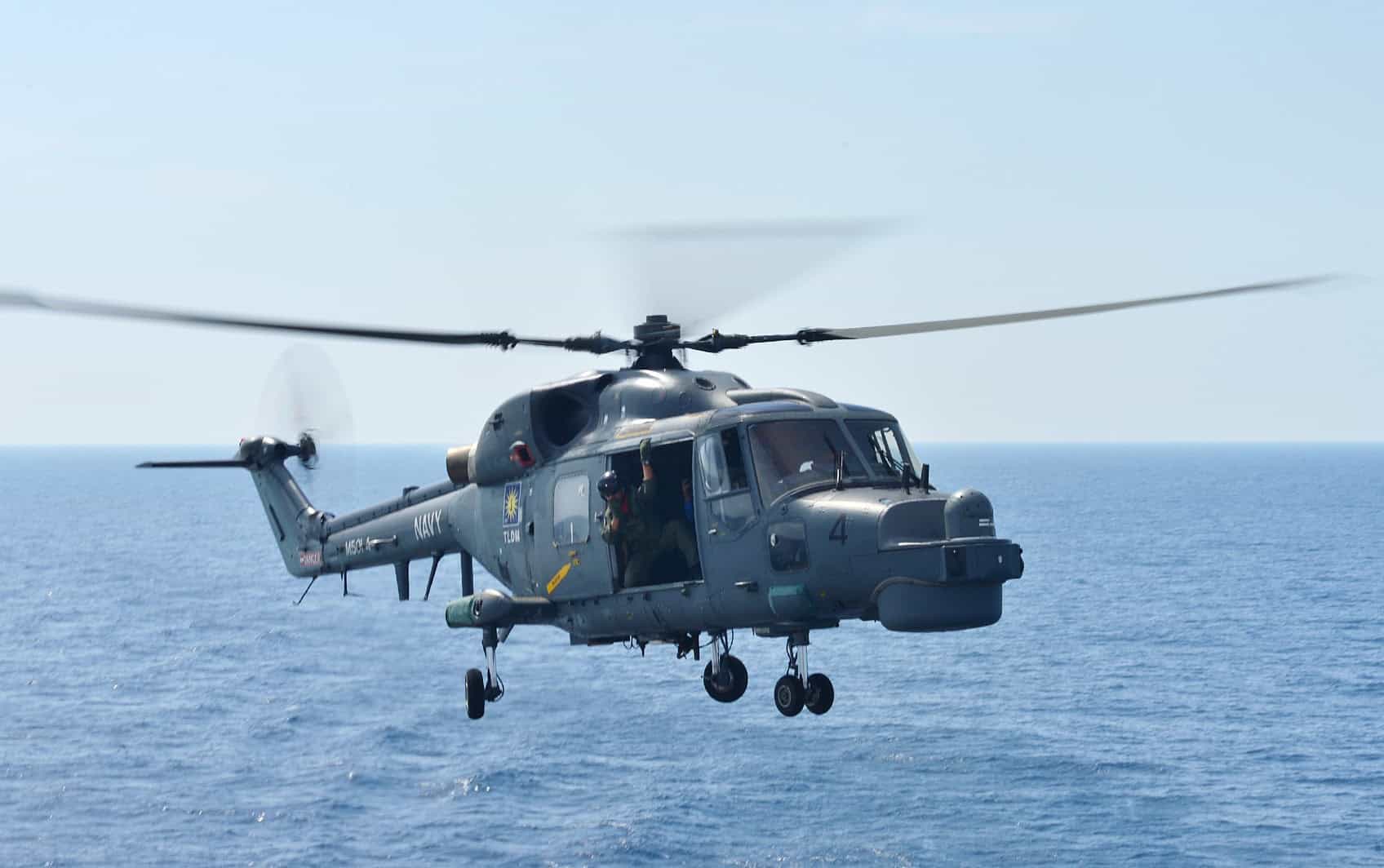


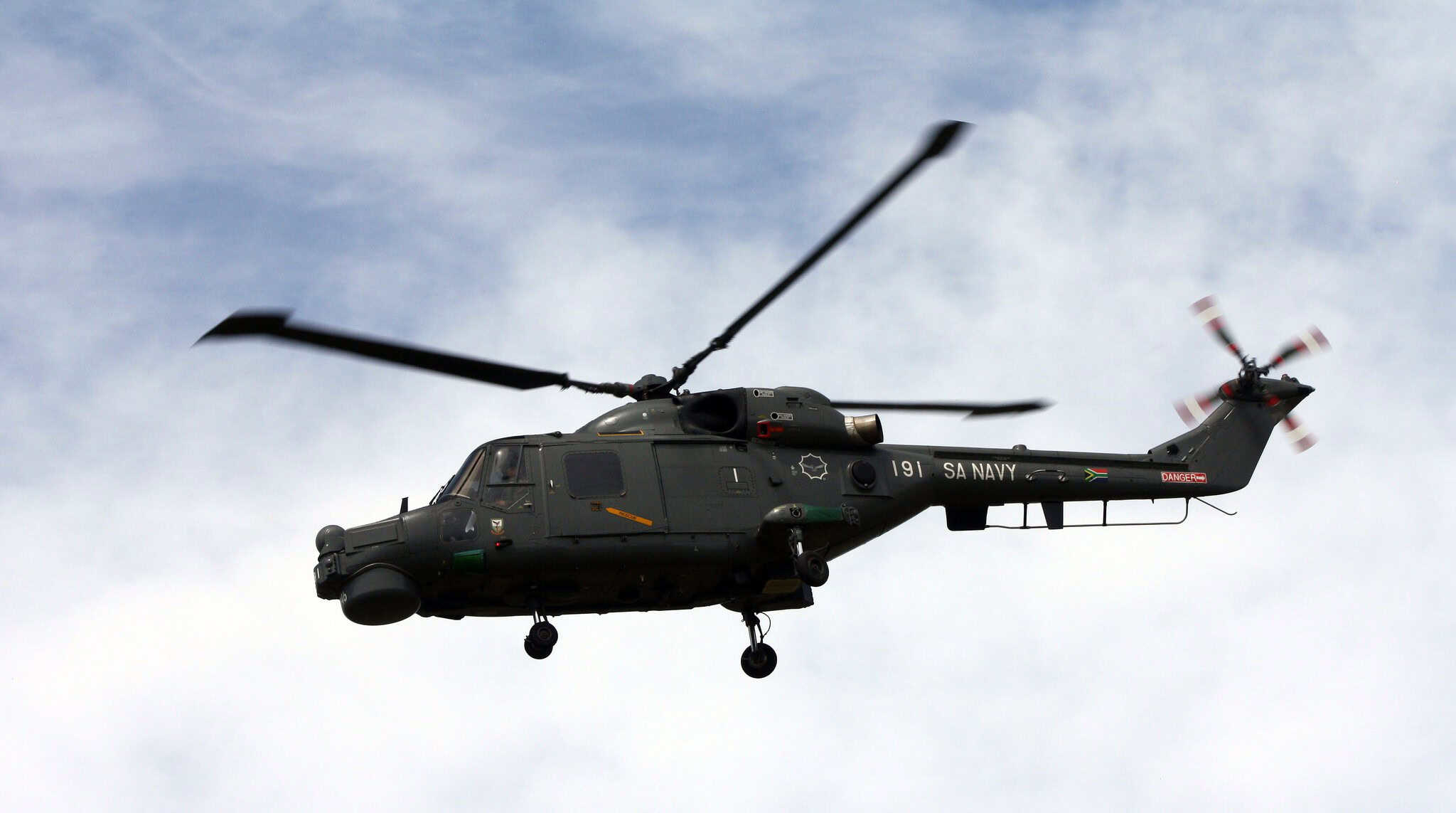


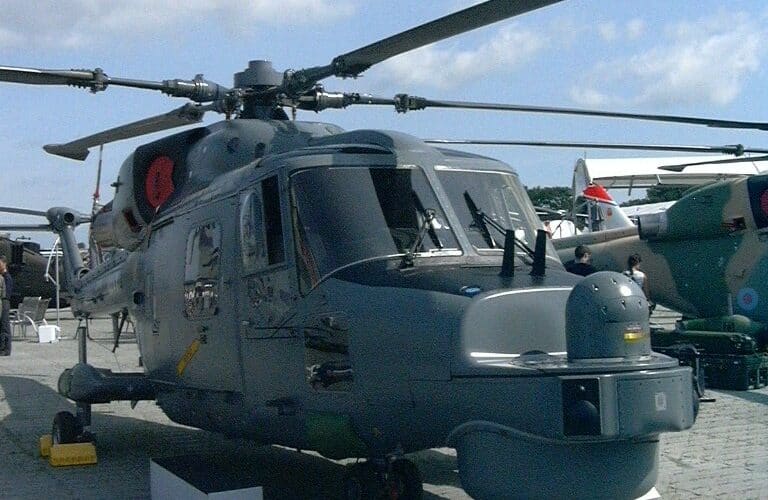

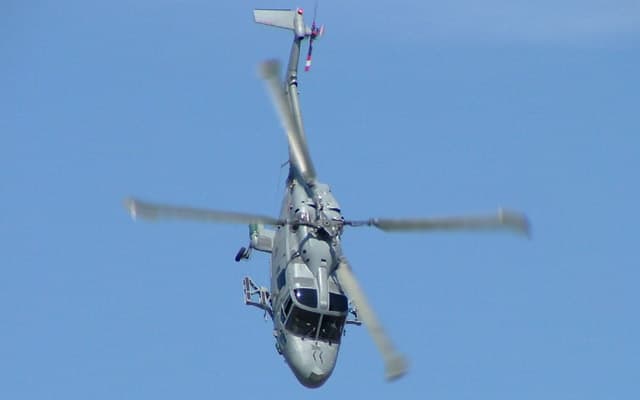
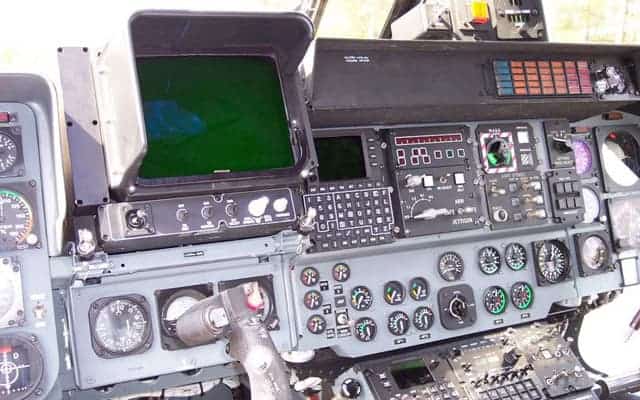

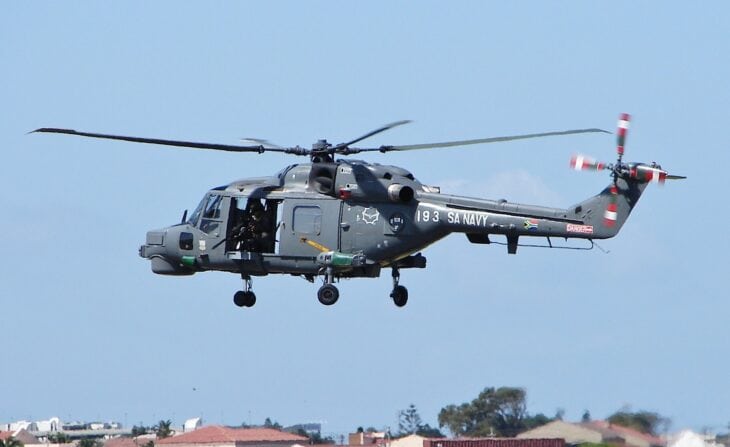
The Lynx program began in the 1960s as a joint British Army and Royal Navy requirement, with the prototype first flying in 1971. The Super Lynx 300 represents one of the most advanced naval variants, incorporating upgraded engines, avionics, and maritime mission systems. It was developed primarily for export customers seeking a capable frigate and destroyer-based helicopter.
Powered by two LHTEC CTS800 turboshaft engines producing roughly 1,300 shaft horsepower each, the Super Lynx 300 cruises at around 140 knots (260 km/h). Maximum takeoff weight is approximately 11,000 pounds (5,000 kg). The helicopter can carry anti-ship missiles, torpedoes, and depth charges depending on mission configuration.
The compact rotor system and folding blades make it well suited for shipboard storage. Operators have used the type for maritime patrol, search and rescue, and surface strike missions. The Super Lynx 300 remains one of the final and most capable iterations of the long-serving Lynx family.
The Super Lynx 300 arose from a requirement to offer an updated shipborne helicopter to export customers who needed increased power and modern mission systems. Its development emphasized integration of contemporary avionics and mission sensors into a compact naval airframe to meet frigate and corvette deck constraints. Industrial workshares were arranged to support customer maintenance and local assembly where requested.
Design updates to the airframe and dynamic components followed testing of higher-power engines and modern transmission arrangements. Emphasis during the program shifted toward reliability in corrosive maritime environments and simplified shipboard handling. Certification efforts covered deck handling, folding procedures, and compatibility with a range of naval launch and recovery systems.
Production planning incorporated modularity to allow different mission fits without extensive structural modification. Suppliers for mission equipment and weapons interfaces were contracted to deliver kits that could be fitted in customer facilities. Support arrangements included spares provisioning and training packages tailored to national logistic practices.
The airframe retains a compact fuselage with attention to accessible maintenance panels and corrosion-resistant treatments for saltwater exposure. Primary structure uses aluminum alloys with localized reinforcements where weapon stations and deck interface points require higher loads. Landing gear is configured for deck impact absorption and deck securing.
The main rotor system combines high-tip-speed blades with a design that balances agility and low vibration for crew comfort and sensor performance. A folding mechanism for rotor blades and tail assembly allows reduced stowage volume on smaller warships. The transmission and rotor mast are arranged to minimize shaft length and permit straightforward removal for depot-level maintenance.
Avionics architecture centers on an integrated mission computer that fuses navigation, radar, electro-optical sensors, and tactical datalinks. Interfaces are provided for shipboard combat systems to exchange track and targeting data. Cockpit layout is oriented to two-crew operation with controls and displays organized to support single-pilot shipboard recoveries in reduced-visibility conditions.
Mission equipment provisions include under-fuselage and lateral hardpoints, a sensor turret, and internal provisions for sonobuoys or mission equipment pallets. Weapons integration allows carriage of lightweight torpedoes and lightweight anti-surface missiles as well as machine guns on pintles for self-protection or constabulary tasks. Electrical and cooling systems are sized to support mission sensors and weapons without major airframe changes.
The helicopter delivers improved power-to-weight characteristics compared with earlier Lynx variants, yielding enhanced deck-to-deck transit and hover performance in maritime conditions. Its acceleration and agility facilitate fast interdiction profiles and shipboard manoeuvres in constrained airspace. Performance is sensitive to operating environment, particularly temperature and humidity, which affect available engine power.
Endurance on station depends strongly on payload and sensor operation. With a typical maritime sensor fit, endurance supports multi-hour patrol patterns from a host ship, though heavy weapon loads reduce on-station time. Fuel reserves are managed for both transit to transit from the ship and a reserve for recovery in adverse weather or diversion.
Altitude performance is oriented toward low-level maritime operations rather than high-altitude flight. Service ceiling is adequate for typical over-water search patterns and transit, while climb capability supports quick ascent for evasion or transit to operating area. Operational limitations include ship motion and sea state, which constrain launch and recovery windows and influence maximum shipboard operating weights.
Systems are designed to permit short turnaround cycles for sortie generation from a warship. Maintenance intervals and diagnostics focus on reducing time in the hanger bay and maximizing available flight hours per shipboard operating day. Environmental control and de-icing systems are tailored for maritime climate exposures rather than extreme cold weather operations.
The Super Lynx 300 is a modernization within the Lynx family, offered with multiple equipment packages to suit customer missions. Distinct configurations emphasize anti-submarine warfare or anti-surface warfare, with options for mixed-role fits. Structural differences between packages are minimized to allow reconfiguration in service.
Export customers could select different sensor suites, including alternative radars and electro-optical sensors, which required specific interfaces and software loads on the mission computer. Weapons interfaces are modular, enabling fitment of different torpedo models or missile types according to national choices and export approvals.
Upgrade paths were planned to extend capability through avionics refreshes and new sensor integrations. These upgrade lines allowed operators to modernize situational awareness and communications without major airframe modification. Training variants and dedicated test aircraft existed to support introduction and systems validation.
Naval operators have employed the helicopter for fleet reconnaissance, surface strike, and anti-submarine patrols within shipborne air wings. Ship integration typically included certified deck handling procedures, maintenance training for ship crews, and defined logistic support chains. Use profiles ranged from routine patrol and fleet protection to maritime security and search duties.
Serviceability records emphasize the importance of sustainment planning for the naval environment. Operators reported the value of modular mission kits that reduced downtime during role changes. Maintenance practices emphasized corrosion control and transmission inspections to preserve mean time between overhauls.
Deployment patterns saw the helicopter operating from frigates and destroyers capable of handling its size and support needs. Embarked squadrons operated with established procedures for arming, sensor calibration, and interoperability with ship combat systems. Crew training covered shipboard launch and recovery, tactical employment, and emergency deck procedures.
Fleet experience informed logistic contracts that included on-site spares, technical assistance, and periodic software updates for mission systems. Operators balanced capability upgrades against remaining airframe life to plan phased replacements or mid-life upgrades within naval aviation budgets.
When employed in hostile environments, mission profiles focused on long-range detection and targeting of surface contacts and prosecution of submarine contacts using embarked sensors and weapons. Tactics emphasized rapid transition from transit to search patterns and swift engagement or handover of targeting data to surface units. Rules of engagement and national export restrictions determined weapon employment options.
Multiple navies selected the helicopter for its shipborne fit and modular mission capabilities. Procurement decisions often reflected the ability to integrate the aircraft into existing fleet logistics and to obtain local sustainment support. Operator feedback influenced aftermarket support offerings and upgrade programs.
The program reinforced the operational value of combining compact shipboard size with modern mission systems in a maritime helicopter. Lessons learned influenced requirements for successor designs, particularly in integrating datalinks, sensor fusion, and reliability for shipborne operations. The emphasis on modular mission fits informed later naval rotorcraft acquisition approaches.
Sustainment and upgrade pathways demonstrated the cost-effectiveness of avionics and sensor modernization versus complete airframe replacement for certain service life extensions. The helicopter’s operational record highlighted the importance of tailored logistic support for naval aviation programs operating away from home bases.
The type’s operational experience helped define interoperability standards for ship-helicopter datalinking and weapons integration that carriers and navies considered in subsequent procurement. Where successor types entered service, they addressed identified needs for increased payload, survivability, and higher levels of avionics integration while retaining the compact form factor valued by operators.
_in_the_South_China_Sea_during_landing_qualifications_June_18,_2013,_as_part_130618-N-PD773-083.jpg)