

Table of Contents
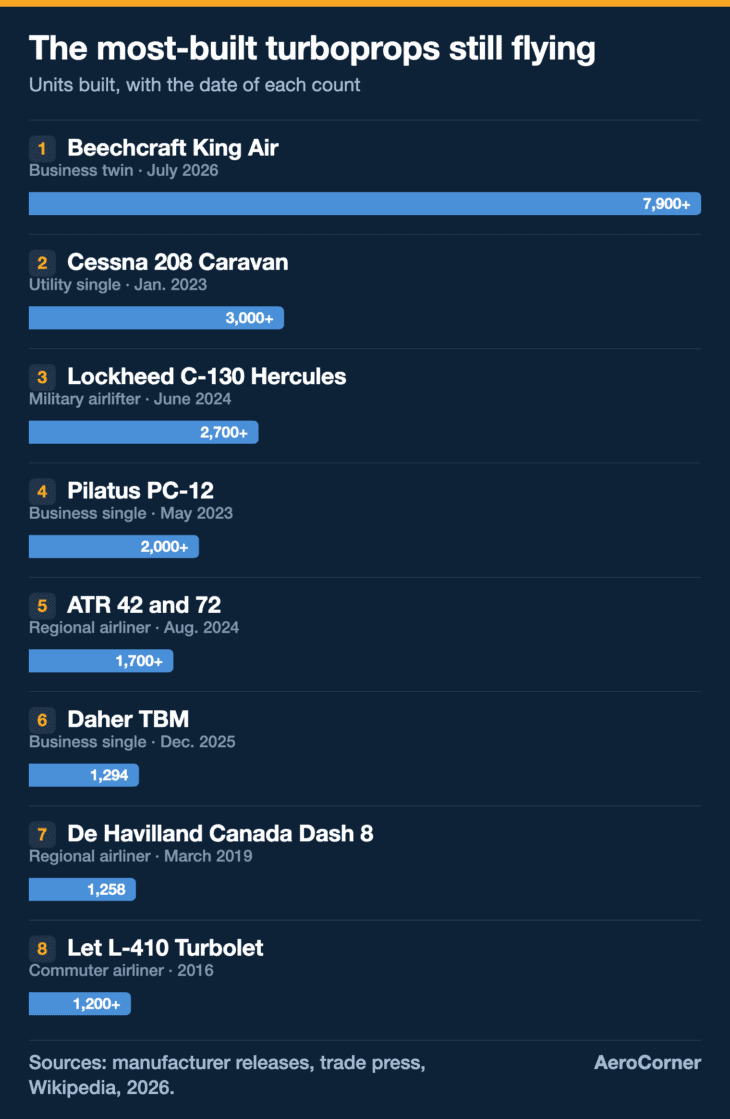
The most important turboprop plane flying today is the Beechcraft King Air. Textron Aviation counts more than 7,900 delivered since 1964, over twice the total of any other turboprop on this list.
“Important” is a slippery word, so this list uses a hard measure: units built, as of October 2026. A type that sold in the thousands has shaped pilot careers, air forces and remote air service in a way a rare record-holder has not.
That measure produces a surprise. The four most-built types are a business twin, a utility single, a military airlifter and a Swiss business single, and the first true airliner only arrives at No. 5. If you came here wondering why turboprops are still used at all, that is most of the answer.
| Rank | Aircraft | Main job | Units built | Count dated | Status |
|---|---|---|---|---|---|
| 1 | Beechcraft King Air | Business twin | 7,900+ | July 2026 | In production |
| 2 | Cessna 208 Caravan | Utility single | 3,000+ | Jan. 2023 | In production |
| 3 | Lockheed C-130 Hercules | Military airlifter | 2,700+ | June 2024 | In production (C-130J) |
| 4 | Pilatus PC-12 | Business single | 2,000+ | May 2023 | In production |
| 5 | ATR 42 and 72 | Regional airliner | 1,700+ | Aug. 2024 | In production |
| 6 | Daher TBM | Business single | 1,294 | Dec. 2025 | In production |
| 7 | De Havilland Canada Dash 8 | Regional airliner | 1,258 | March 2019 | Production suspended |
| 8 | Let L-410 Turbolet | Commuter airliner | 1,200+ | 2016 | In production (L 410 NG) |
| 9 | Beechcraft T-6 Texan II | Military trainer | 1,000+ | Oct. 2022 | In production |
| 10 | Air Tractor AT-802 | Crop sprayer, firefighter | 1,000+ | Jan. 2023 | In production |
| 11 | De Havilland Canada Twin Otter | Bush and island utility | 1,000 | March 2026 | In production |
How this ranking works
Two tests decide who qualifies: at least 1,000 built, and still being built at some point this century. That second test removes long-out-of-production Soviet types, covered further down. Counts come from manufacturers where possible and carry different dates, so close rows could swap: the TBM, Dash 8 and L-410 sit within about 100 units of each other. Airframes built is not the same as airframes flying today.
1. Beechcraft King Air: 7,900+
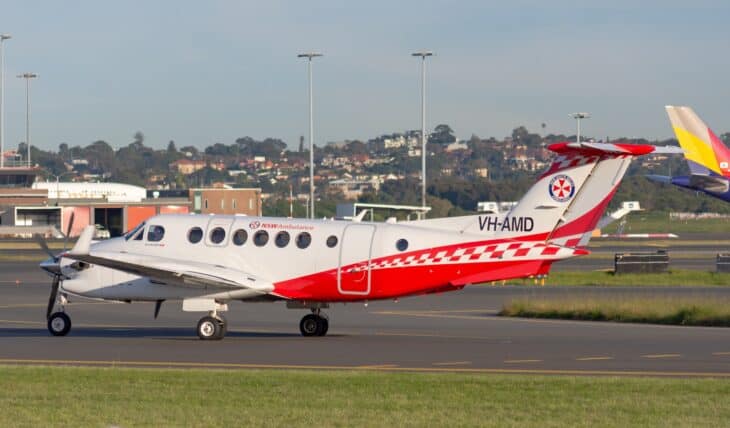

The first King Air prototype flew on January 24, 1964, and the family then grew through the 100, 200 and 300 series. Textron calls it the best-selling business turboprop family in the world, and its count puts the claim beyond serious argument.
The fleet passed 64 million flight hours by 2024, serving all branches of the U.S. military as well as commercial and special-mission operators. Today’s flagship, the King Air 360, replaced the King Air 350 and cruises at up to 312 knots with a maximum range of 1,806 nautical miles.
It wins without being the fastest: the 360 ranks only eighth on our list of twin turboprop speeds. What it has instead is six decades of unbroken demand, which no rival here can match in volume.
2. Cessna 208 Caravan: 3,000+
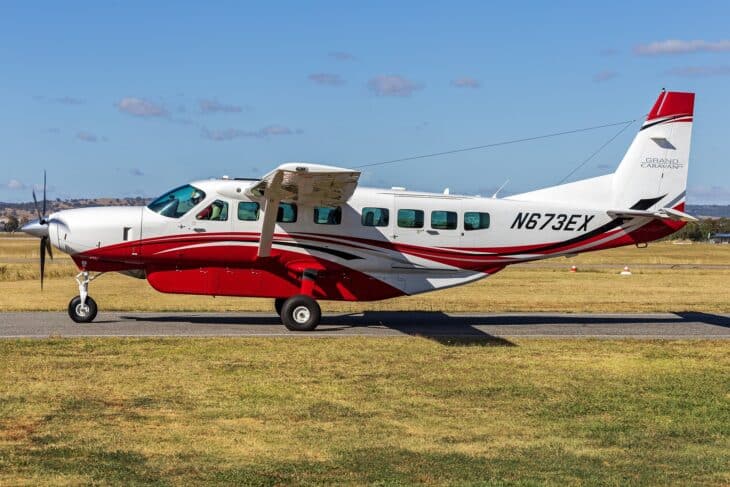

The Caravan first flew on December 9, 1982, and received its FAA type certificate in 1984. Textron handed over the 3,000th in January 2023, a Grand Caravan EX for Brazil’s Azul Conecta.
It is the opposite of glamorous. The Grand Caravan EX has one 867-horsepower PT6A-140 engine and cruises at 185 knots, which is slow by turbine standards, but speed was never the point of a utility airplane.
Four versions were in production at the 3,000th delivery, including two amphibians that land on water. The fleet had logged about 24 million flight hours by then.
3. Lockheed C-130 Hercules: 2,700+
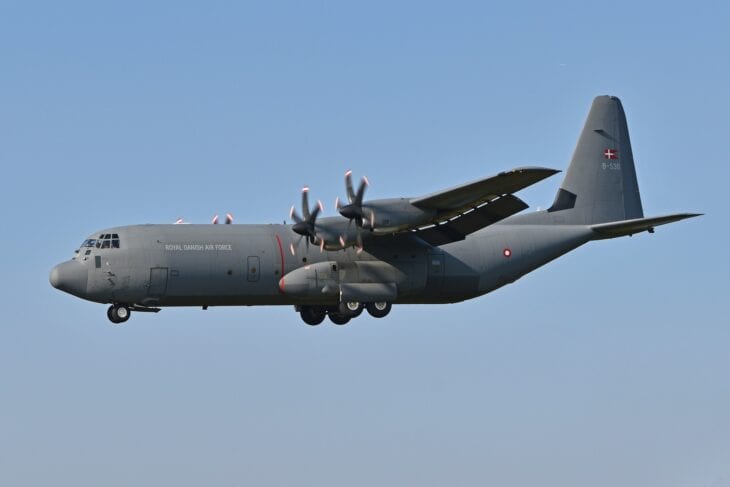
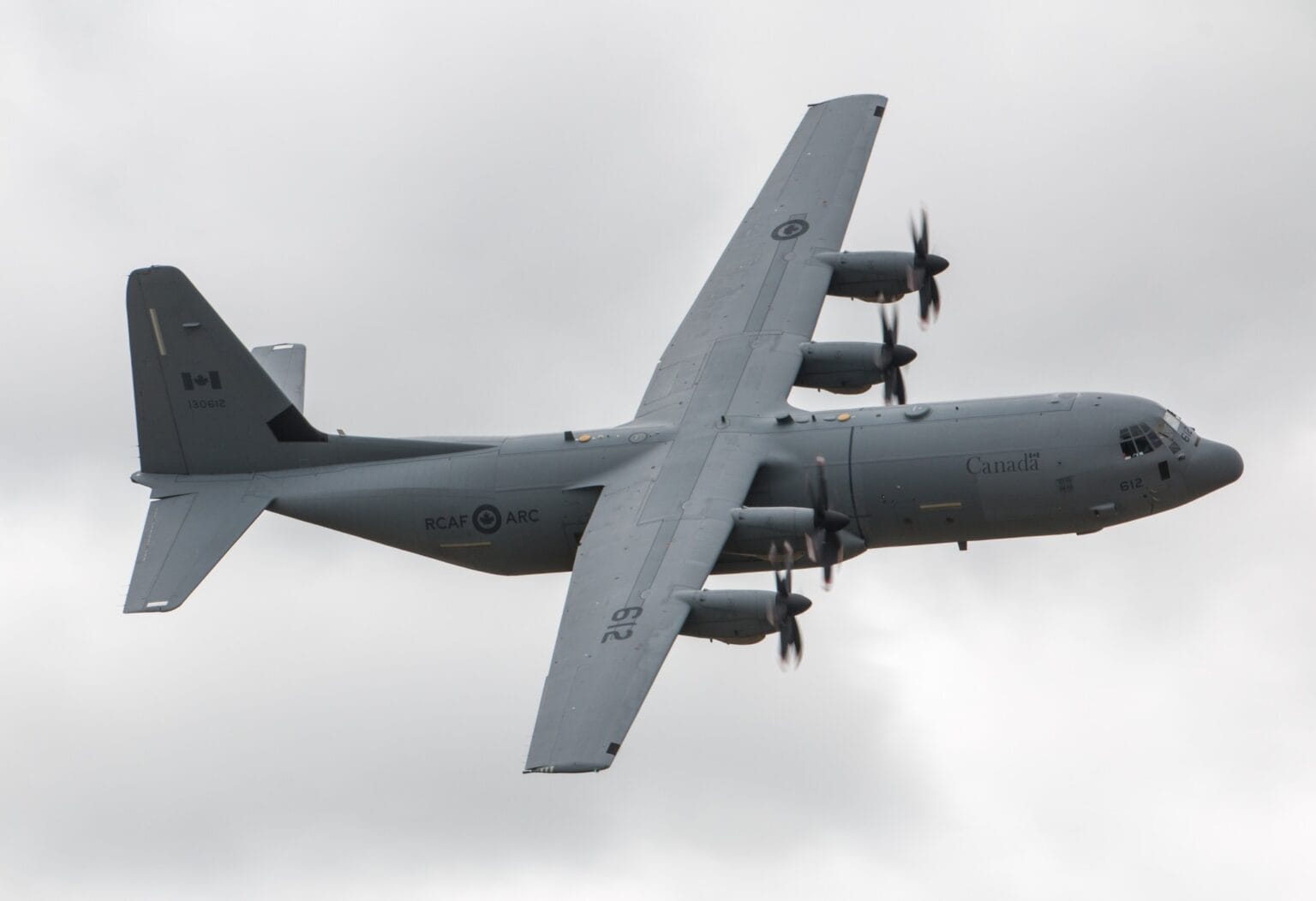
The Hercules first flew on August 23, 1954, and more than 2,700 had been built by June 2024. Guinness World Records lists it as the longest production run of any military aircraft, a title it recognized in 2013 and one the line has only extended since.
The C-130J Super Hercules is the only version still being built, and 500 had been delivered to 26 operators in 22 countries by March 2022. The U.S. Air Force lists it at 417 mph (671 km/h) and able to reach 28,000 feet with a 42,000-pound (19,090 kg) payload.
It earns its rank on what it can do from a dirt strip. The Air Force describes it as the prime transport for airdropping troops and equipment into hostile areas, and no jet transport has made it obsolete in 70 years.
4. Pilatus PC-12: 2,000+
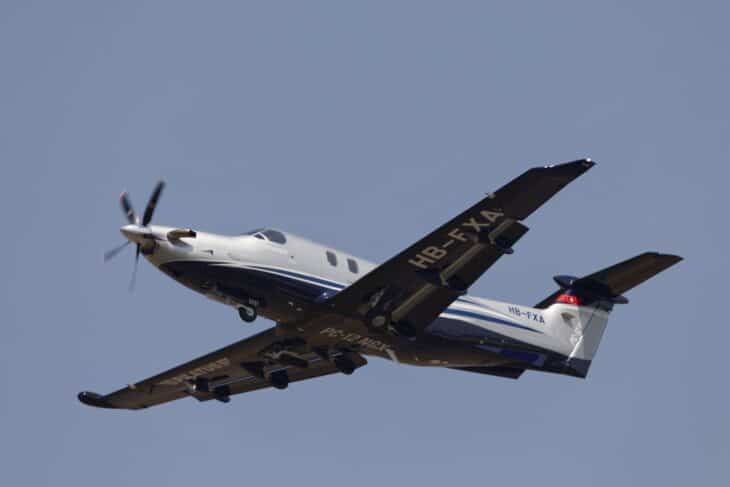

The PC-12 first flew on May 31, 1991, and the 2,000th went to fractional operator PlaneSense in May 2023. That same month, Pilatus announced the fleet had passed 10 million flight hours.
This is the airplane that made single-engine business travel respectable. The current PC-12 PRO, successor to the PC-12 NGX, cruises at up to 290 knots, reaches 1,765 nautical miles and seats up to nine passengers.
The most-built turboprops are not airliners
Most travelers picture a turboprop as a regional airliner. On this list, the first true airliner only appears at No. 5. The four types above it are business, utility and military aircraft, which is why the turboprop is far more common than an airline passenger would guess.
5. ATR 42 and 72: 1,700+
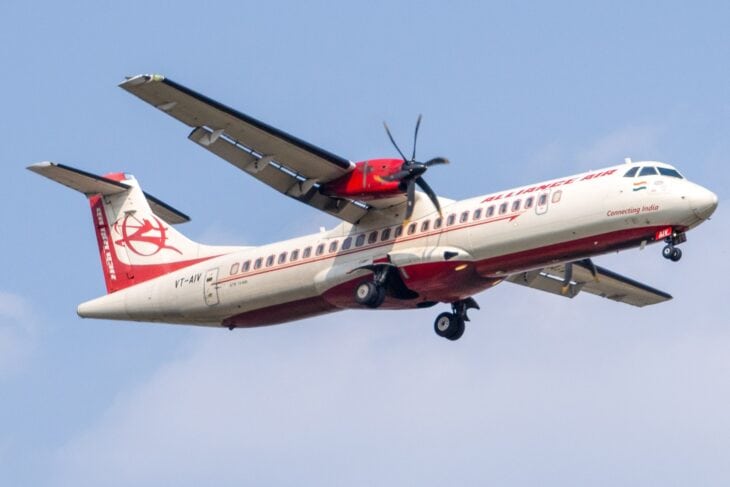

This is the turboprop most airline passengers will actually meet. The ATR 42 first flew on August 16, 1984, the stretched ATR 72 followed on October 27, 1988, and the 1,700th aircraft was delivered in August 2024.
The ATR 72-600 seats up to 78 passengers and flies 740 nautical miles with a full cabin. ATR calls it the most fuel-efficient regional aircraft, and by 2018 it was claiming about 75% of the turboprop airliner market since 2010.
The limit right now is supply, not demand. ATR delivered only 32 aircraft in 2025 against a backlog of more than 160, and it blamed supply chain disruption for missing its own guidance.
6. Daher TBM: 1,294
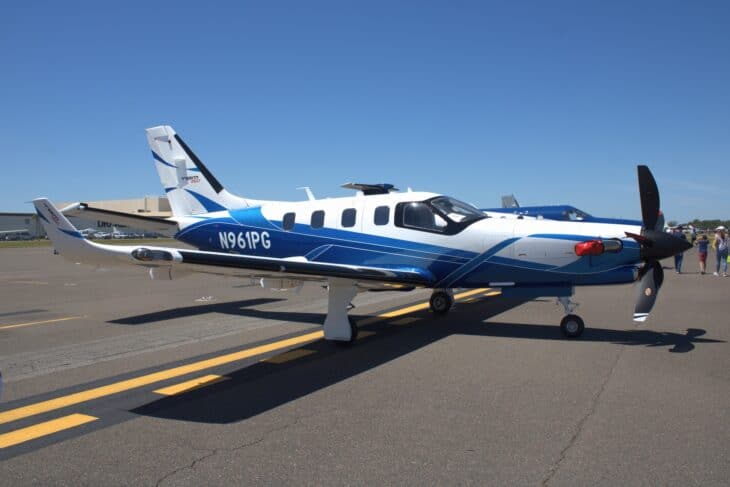

The TBM first flew on July 14, 1988, as the TBM 700. Daher reported 1,294 delivered by December 31, 2025, including 51 TBM 960s that year.
Where the PC-12 chases cabin size, the TBM chases speed. The TBM 960 cruises at 330 knots (380 mph, 611 km/h) at 28,000 feet, 40 knots faster than the PC-12 PRO.
7. De Havilland Canada Dash 8: 1,258
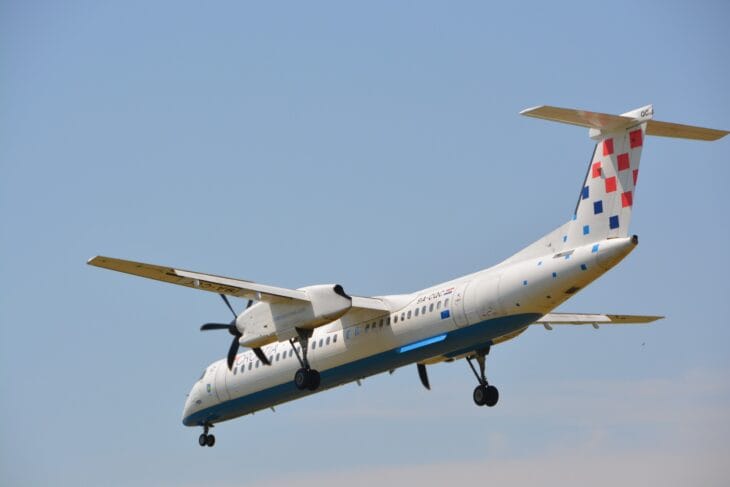

The Dash 8 first flew on June 20, 1983, and 1,258 had been built by March 2019, the latest full count we could find. Its stretched Series 400 carries up to 90 passengers at up to 360 knots, faster than any ATR.
It is also the one type here whose future is genuinely open. Production has been suspended since 2022, and De Havilland Canada’s plan to restart in a new Alberta plant carries a target of no later than 2033.
8. Let L-410 Turbolet: 1,200+
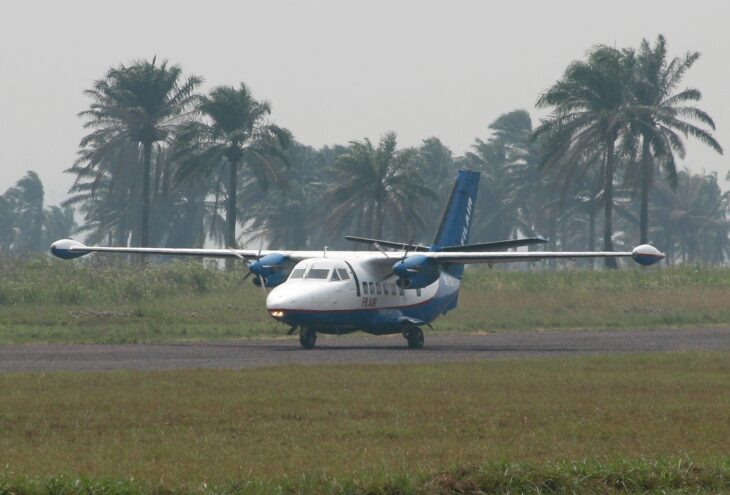

Few Western readers have heard of this one, yet more than 1,200 had been built by 2016. The Czech twin first flew on April 16, 1969, and about 500 had reached Soviet operators by 1985.
It seats 19 passengers and has a maximum cruise of 252 mph (405 km/h). More than 350 were reportedly in service across over 50 countries at the last published estimate, and Aircraft Industries now sells the updated L 410 NG.
9. Beechcraft T-6 Texan II: 1,000+

This is where U.S. military pilots start. The T-6 first flew on July 15, 1998, and handles basic or primary training for the Air Force, Navy, Marine Corps and Coast Guard.
The 1,000th went to the Colombian Air Force in October 2022, by which point the fleet had passed 5 million flight hours and was serving 13 nations plus two NATO flight schools. That milestone airplane was a T-6C.
10. Air Tractor AT-802: 1,000+
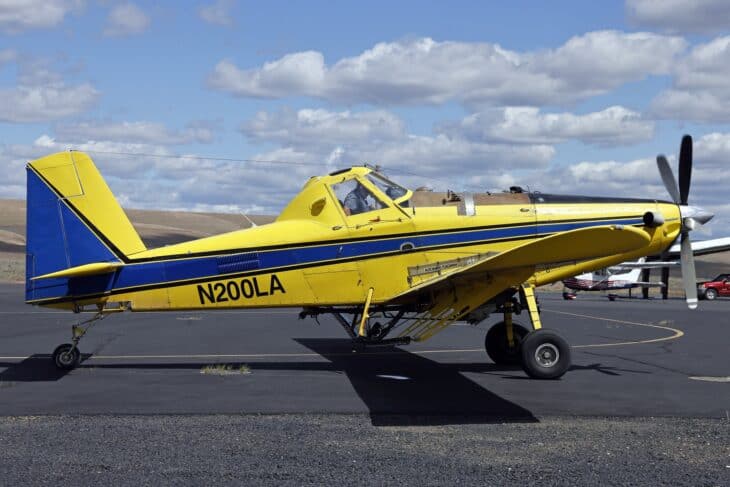
The AT-802 first flew in October 1990 and now works as both crop sprayer and water bomber. One 1,350-horsepower PT6A-67AG engine lifts a hopper holding 820 U.S. gallons (3,104 liters).
"Ten or twelve of these"
When the first 802s were built, founder Leland Snow looked at the airplane and said the company would probably build ten or twelve of them, according to Air Tractor president Jim Hirsch. The 1,000th was delivered to a Brazilian agribusiness customer in January 2023.
11. De Havilland Canada Twin Otter: 1,000
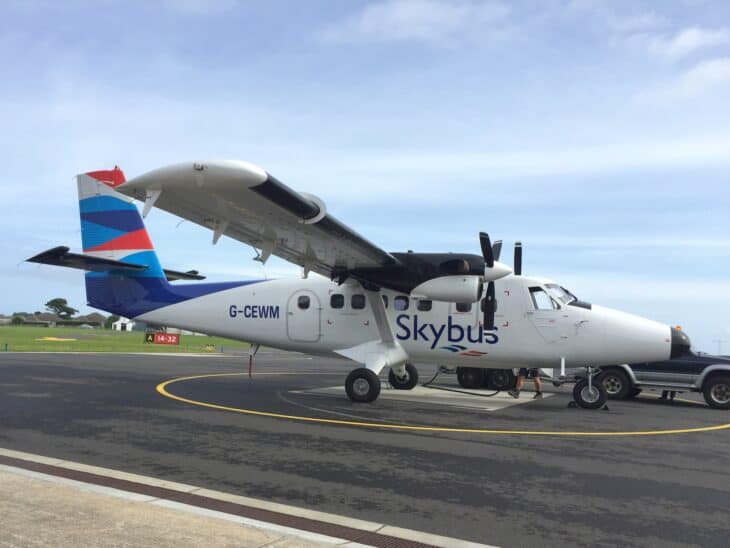

The Twin Otter first flew on May 20, 1965, and the 1,000th was delivered in March 2026. That total is split between 844 from the original production run, which ended in 1988, and 156 from the revived line.
It is on this list for what it can reach. A Series 400 can clear a 50-foot obstacle within about 1,200 feet (370 m) in short-field configuration, and the type operates on wheels, skis or floats. EASA certified the latest version, the Classic 300-G, in July 2026.
The Turboprops That Just Miss the List
Some famous names fail the production test or the units test, and they deserve an explanation rather than silence. The Tupolev Tu-95 bomber is the most obvious, with a listed maximum speed of 575 mph (925 km/h) and more than 500 built, but production ended in 1993.
The Antonov An-26 and An-12 would both rank on raw numbers, at roughly 1,400 and 1,248 built, but Soviet production ended in 1986 and 1973. The P-3 Orion (757 built, production to 1990) and the Saab 340 (459 built, to 1999) fall short as well.
Two newer types are too young to qualify. The Airbus A400M had about 140 deliveries by October 2026, and Daher had delivered 390 Kodiak utility singles by the end of 2025.
Explore Turboprops by Category
This list covers the field by production. These pages go deeper on one measure each:
- Speed with two engines: the fastest twin turboprop planes, led by the Piaggio Avanti at 402 knots.
- Speed with one engine: the fastest single-engine turboprops, including the TBM and PC-12.
- Price at the low end: the cheapest turboprops to buy.
- Price at the high end: the most expensive turboprops.
- Every twin in our database: twin turboprop aircraft, or the airliners under passenger turboprops.
A turboprop is not an old-fashioned propeller plane
A turboprop is a turbine aircraft. NASA describes it as a gas turbine core turning a propeller through a gearbox, with the propeller producing most of the thrust. The propeller is a choice, not a leftover: it suits slower aircraft, while faster transports use turbofans because propellers lose efficiency as speed rises.
FAQ
Sources and references used for research and fact-checking.
- GlobalAir, Textron's CJ3 Gen2 and King Air Crimson Edition make Oshkosh debut
- Textron Aviation, Beechcraft King Air special Crimson Edition unveiled in honor of 60th anniversary
- AIN, Textron Aviation celebrates 60 years of King Airs
- Textron Aviation, Beechcraft King Air 360
- AVweb, 3,000th Cessna Caravan Delivered
- Textron Aviation, Cessna Grand Caravan EX
- Wikipedia, Cessna 208 Caravan
- Wikipedia, Lockheed C-130 Hercules
- Wikipedia, Lockheed Martin C-130J Super Hercules
- Guinness World Records, Longest production run for a military aircraft
- U.S. Air Force, C-130 Hercules fact sheet
- AVweb, Pilatus Delivers 2,000th PC-12
- AIN, PC-12 Fleet Passes 10 Million Flight Hour Waypoint
- Pilatus Aircraft, PC-12 PRO
- Wikipedia, Pilatus PC-12
- Migflug, ATR (aircraft manufacturer)
- Aviation24.be, ATR reports strong 2025 demand, prepares 2026 production ramp-up
- ATR, ATR 72-600
- Wikipedia, ATR 72
- Wikipedia, ATR 42
- Daher, Daher's TBM and Kodiak aircraft continued their market expansion with deliveries in 2025
- Wikipedia, SOCATA TBM
- Wikipedia, De Havilland Canada Dash 8
- Wikipedia, Let L-410 Turbolet
- Aircraft Industries, Aircraft Industries
- Textron Aviation, Textron Aviation Defense delivers 1,000th Beechcraft T-6 Texan II
- Wikipedia, Beechcraft T-6 Texan II
- Aviacionline, Air Tractor delivers thousandth AT-802 to a Brazilian customer
- Wikipedia, Air Tractor AT-802
- Wikipedia, De Havilland Canada DHC-6 Twin Otter
- AVweb, De Havilland Canada Delivers 1,000th Twin Otter
- De Havilland Canada, News Releases
- De Havilland Canada, De Havilland Canada celebrates 60th anniversary of iconic Twin Otter aircraft
- Wikipedia, Tupolev Tu-95
- Wikipedia, Antonov An-26
- Wikipedia, Antonov An-12
- Wikipedia, Antonov An-22
- Wikipedia, Lockheed P-3 Orion
- Wikipedia, Saab 340
- Wikipedia, Airbus A400M Atlas
- AeroCorner, The 10 Fastest Twin Turboprop Planes in the World, Ranked
- AeroCorner, The 11 Fastest Single-Engine Turboprop Planes, Ranked by Cruise Speed
- NASA Glenn Research Center, Turboprop engine
- IATA, IATA releases 2025 annual safety report
Get the Newsletter
The latest aviation news and stories sent to your inbox.
About the Author

Tim is the owner and lead editor of AeroCorner since 2019, overseeing aviation content covering aircraft, airlines, airports, and the broader aviation industry. Through years of researching, writing, editing, and publishing aviation-focused content, he has developed extensive practical knowledge of commercial aviation and air travel. Based in Asia and a frequent traveler himself, Tim also brings firsthand passenger experience to AeroCorner’s coverage. Outside of publishing, he has also explored aviation firsthand through hands-on flight training in New Zealand.