

Table of Contents
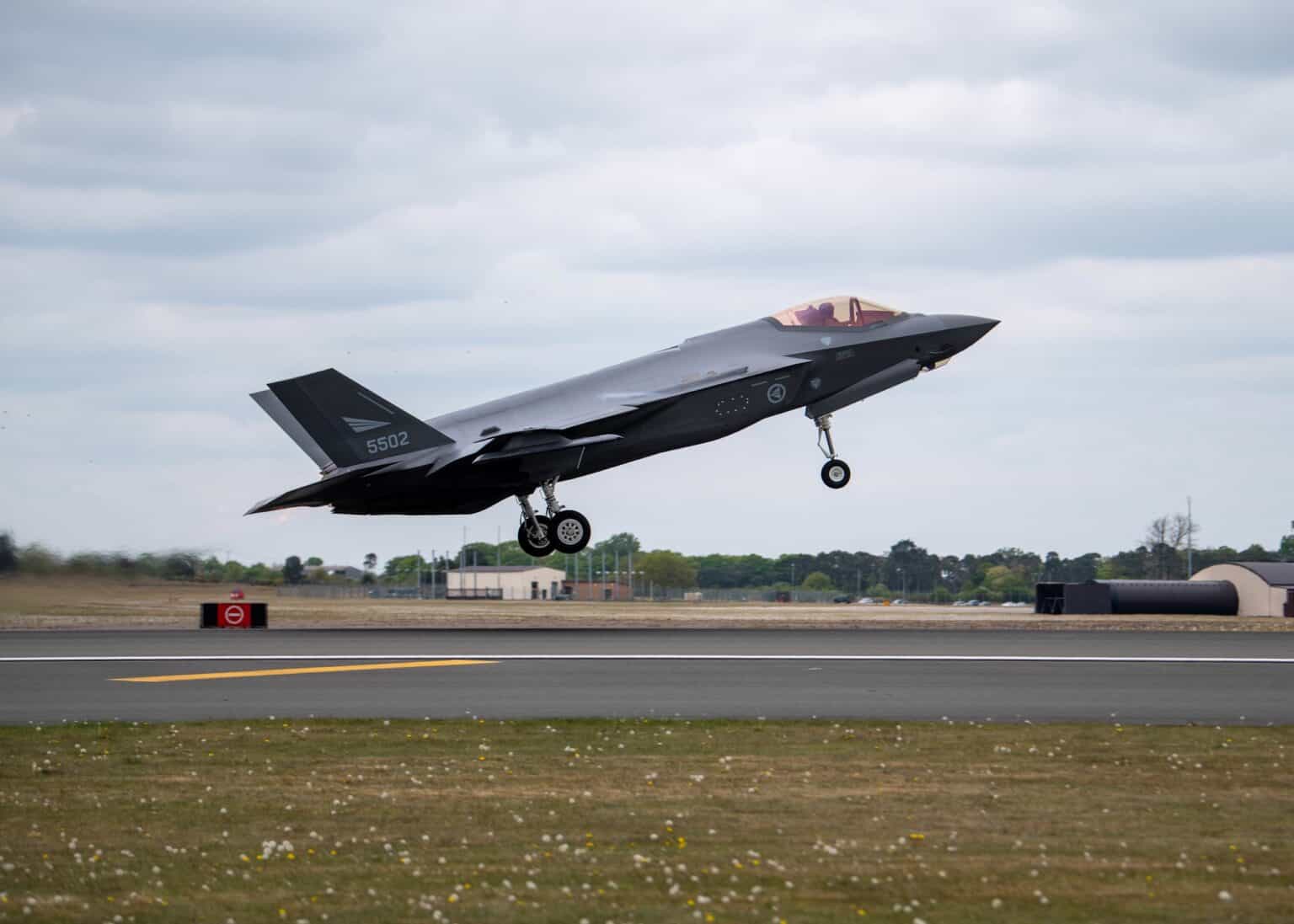
The Norwegian Air Force flies 52 F-35A stealth fighters and nothing else in the fighter role. When the 51st and 52nd jets were delivered on April 1, 2025, Norway became the first F-35 partner nation to complete its full order.
Its F-16s are gone. The F-35 took over quick reaction alert on January 6, 2022, ending 42 years of F-16 service, and 32 of the old jets were sold to Romania.
The Royal Norwegian Air Force, or Luftforsvaret, guards NATO’s northern flank next to Russia’s Kola Peninsula. This guide ranks every type it flies by its weight in Norwegian air power as of November 2026, then covers its bases, its shared aircraft and what is on order.
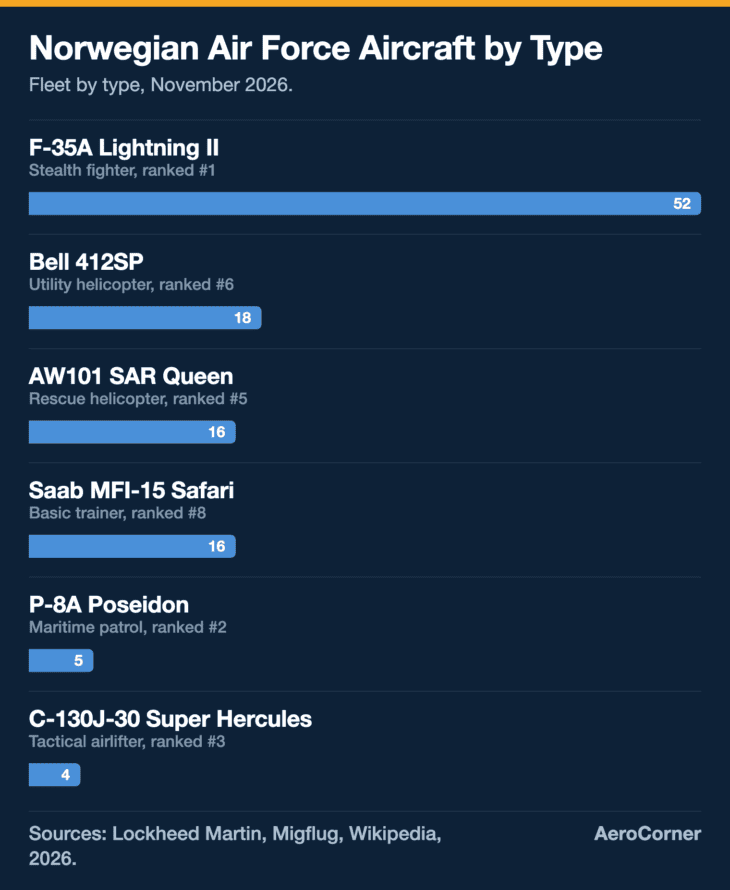
| Rank | Aircraft | Role | Fleet | Status |
|---|---|---|---|---|
| 1 | F-35A Lightning II | Stealth multirole fighter | 52 | Order complete April 2025 |
| 2 | P-8A Poseidon | Maritime patrol, anti-submarine | 5 | In service at Evenes |
| 3 | C-130J-30 Super Hercules | Tactical airlift | 4 | Block 8.1 upgrade from 2024 |
| 4 | Airbus A330 MRTT | Tanker, transport | Shared NATO fleet of 10 | Based at Eindhoven |
| 5 | AW101 SAR Queen | Search and rescue | 16 | 2 more ordered in 2026 |
| 6 | Bell 412SP | Utility, special operations | 18 | Up to 21 UH-60Ms approved as successors |
| 7 | MH-60R Seahawk | Naval helicopter | 6 on order | Due 2026 to 2027 |
| 8 | Saab MFI-15 Safari | Basic trainer | 16 | Replacement planned |
How this ranking works
Aircraft are ranked by their weight in Norwegian air power in November 2026: the fighter fleet first, then the patrol, airlift and tanker aircraft that extend it, then the helicopters and the trainer. F-35 numbers come from Lockheed Martin and The Aviationist. Other counts come from the fleet tables kept by Migflug and Wikipedia, checked against manufacturer and program reporting. Ground-based air defense, satellites and the NATO-owned C-17s and Global Hawks Norway helps fund are left out of the numbered list.
1. F-35A Lightning II: The Whole Fighter Force
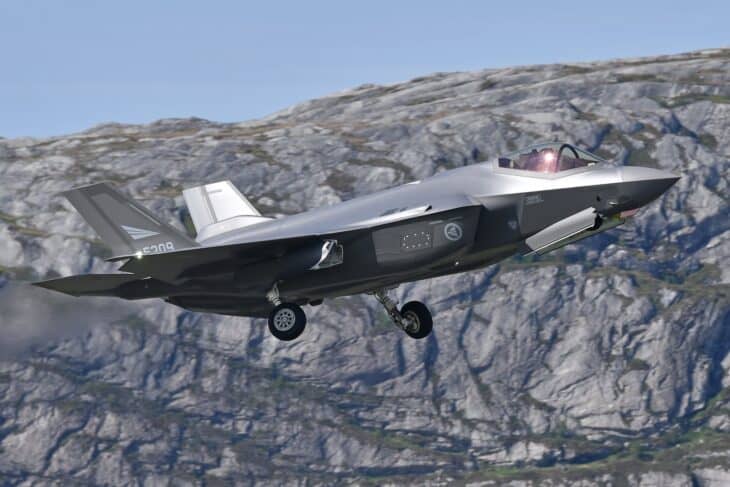
Every Norwegian fighter is an F-35A. Norway picked the jet in 2008 for 52 aircraft, a program costed at NOK 68 billion in 2015 prices.
The first three jets arrived at Ørland on November 3, 2017, and the fleet reached initial operational capability on November 6, 2019. The last two, airframes 5826 and 5823, landed at Ørland on April 3, 2025.
Two squadrons, 331 and 332, fly them from Ørland on the central coast. A detachment at Evenes, far inside the Arctic Circle, keeps two jets on quick reaction alert at 15 minutes’ readiness.
Those alert jets meet Russian aircraft over the Norwegian and Barents seas. On March 10, 2025, two F-35As from Evenes shadowed two Tu-142 Bear F maritime patrol aircraft in international airspace.
Norway also trains to scatter the fleet. In September 2023 two jets flew from a road strip in Finland, and in June 2024 a mountain hangar at Bardufoss, unused for about 40 years, reopened to shelter F-35s.
The squadrons are older than the air force
Norway’s two F-35 squadrons, 331 and 332, were formed as Norwegian-manned Royal Air Force squadrons in 1941 and 1942, during the German occupation of Norway. They flew Spitfires, and the Royal Norwegian Air Force itself was not created until November 1944.
2. P-8A Poseidon: Hunting Submarines From Evenes
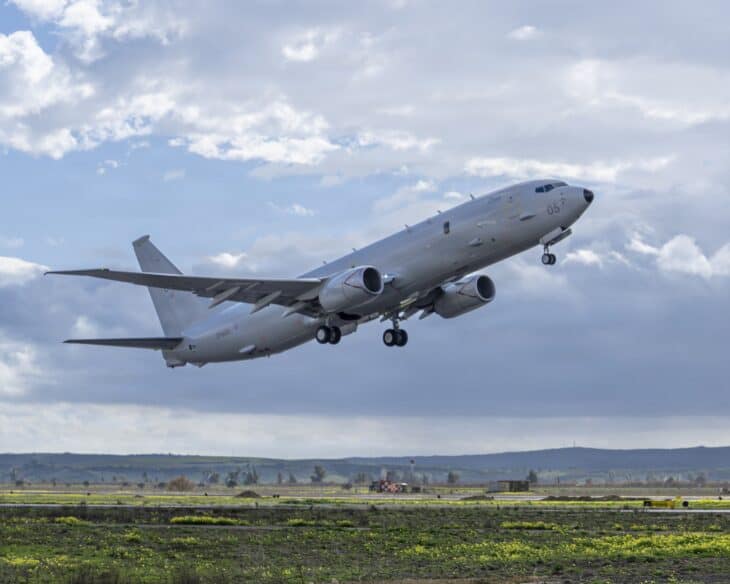

Five P-8A Poseidons fly with 333 Squadron at Evenes. Bought for about NOK 10 billion, the first landed in Norway on February 24, 2022.
They replaced six P-3 Orions, which retired at the end of June 2023 and left Andøya with them. Norway also retired its two Falcon 20 electronic warfare jets in 2022, after half a century of service.
Their main job is watching the submarines of Russia’s Northern Fleet, based on the Kola Peninsula next door. That makes five aircraft arguably the second most important fleet Norway owns.
3. C-130J-30 Super Hercules: The Airlifters
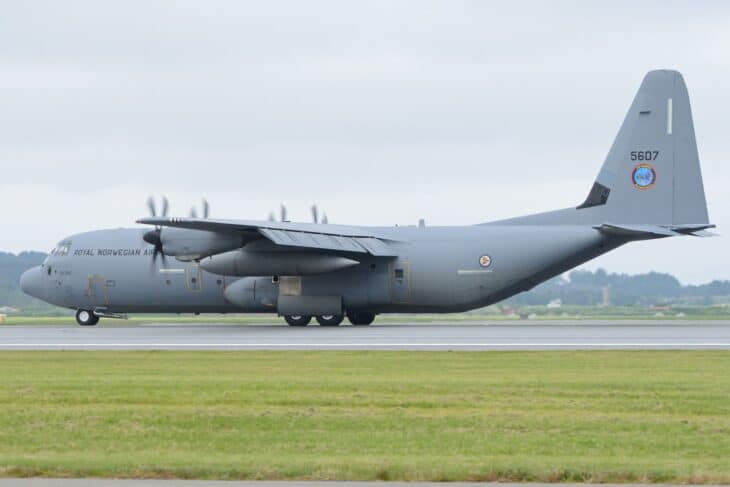

Four stretched C-130J-30s fly with 335 Squadron at Gardermoen, beside Oslo Airport. Norway received them between 2008 and 2012, as the first foreign military sale customer for the Super Hercules.
A fifth was lost on March 15, 2012, when it crashed into Kebnekaise, Sweden’s highest mountain, killing all five aboard. In February 2024 Lockheed Martin delivered the first of the four survivors upgraded to Block 8.1, with a new flight management system and better defensive equipment.
The 2024 long-term defense plan adds one more C-130J to the fleet. Norway also gets heavier airlift through its share of NATO’s Strategic Airlift Capability C-17s.
4. Airbus A330 MRTT: The Shared Tankers
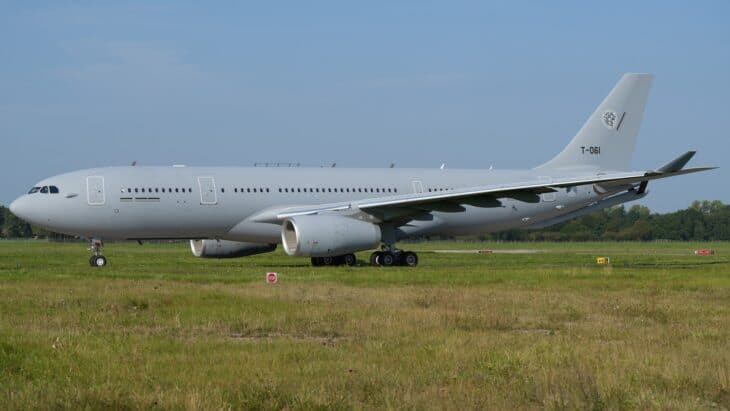

Norway owns no tanker of its own. It joined the Multinational MRTT Fleet with Germany in September 2017, and that NATO pool now flies 10 A330 MRTTs from Eindhoven in the Netherlands, with two more on order.
Those shared tankers refuel Norway’s F-35s on long missions, and they also carry troops and cargo.
5. AW101 SAR Queen: The Rescue Helicopters
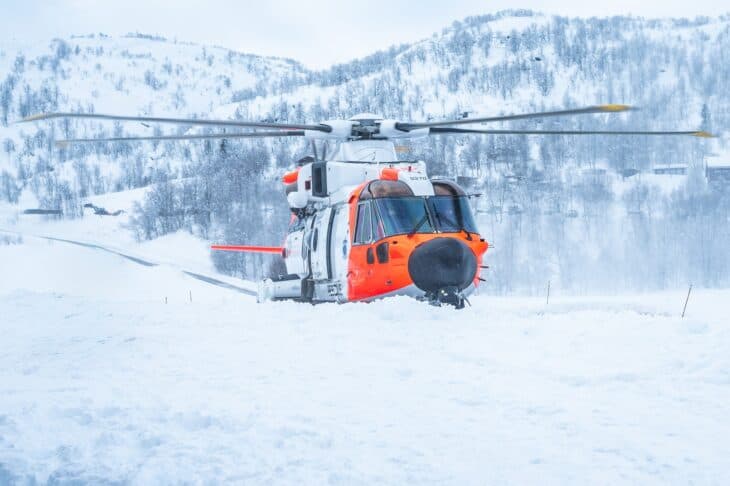

Norway’s biggest helicopter fleet saves lives. Sixteen AW101 “SAR Queen” helicopters fly search and rescue for 330 Squadron, headquartered at Sola near Stavanger, with detachments at Banak, Bodø, Ørland, Florø and Rygge.
They replaced the Westland Sea King, and the last of the 16 was delivered in 2025. In early 2026 Norway ordered two more for a seventh base at Tromsø, which 330 Squadron takes over in 2030.
6. Bell 412SP: The Workhorse Facing Replacement
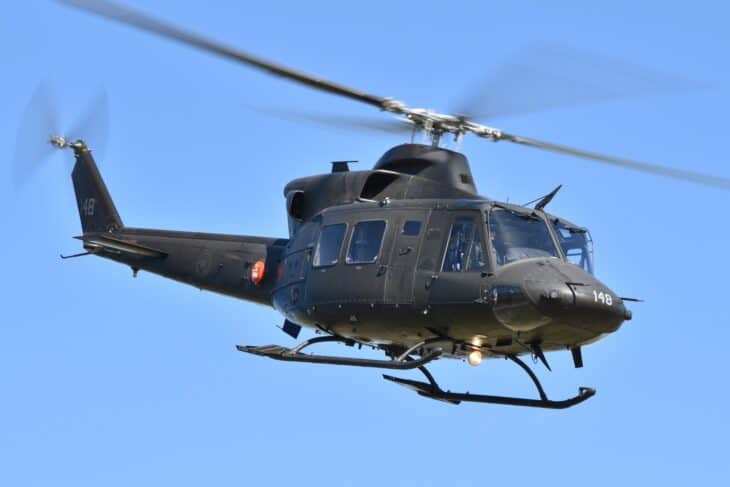

Eighteen Bell 412SP helicopters move Army troops and Norway’s special forces. They fly with 339 Special Operations Aviation Squadron at Rygge and 336 Squadron at Bardufoss.
The fleet has been in service for over 30 years. It is going through a mid-life upgrade to keep it flying until a successor arrives.
That choice has changed once. The US approved nine HH-60W combat rescue helicopters for Norway in July 2025, then Norway walked away from them, and on August 21, 2026 the State Department cleared up to 21 UH-60M Black Hawks for $2.3 billion instead.
That clearance is not a contract. As of November 2026, Norway had not announced a signed Black Hawk deal, so the 412s keep flying.
7. MH-60R Seahawk: The NH90’s Replacement
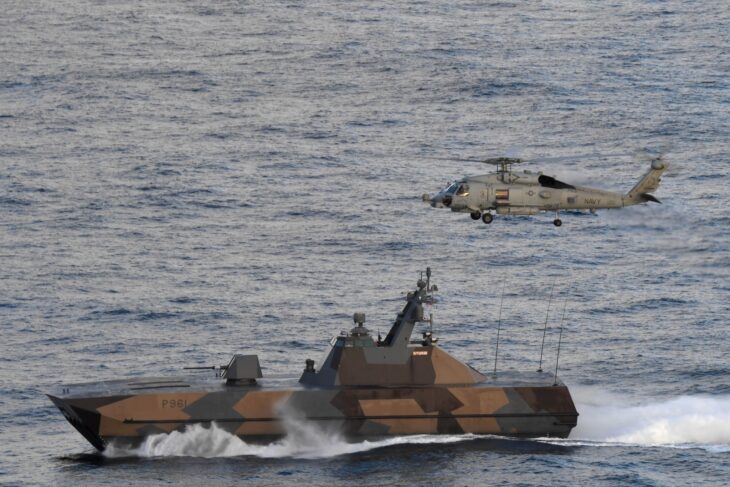

Norway ordered 14 NH90 helicopters in 2001 for its frigates and Coast Guard. Norway terminated the contract in June 2022, and in November 2025 NHIndustries agreed to pay back €305 million plus €70 million in bank guarantees.
The replacement is six MH-60R Seahawks, bought for about NOK 12 billion in 2023. They will fly with 337 Squadron at Bardufoss, with deliveries due from 2026 and all six in 2027.
8. Saab MFI-15 Safari: Where Norwegian Pilots Start
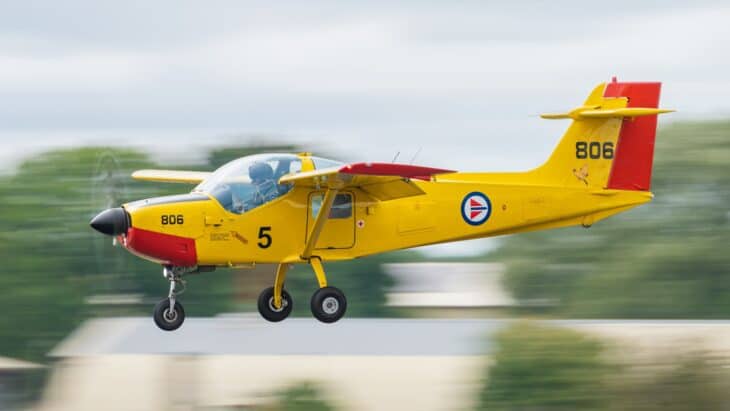

Norwegian military pilot training starts in a small yellow Saab MFI-15 Safari at the flying school in Bardufoss. Norway bought 20 from 1981, and 16 remain, per Migflug.
Their time is nearly up. In January 2026 Norway’s Teknisk Ukeblad reported that the Safari is to be replaced, though no successor has been named.
Doesn't Norway still fly F-16s?
No. The first Norwegian F-16 landed at Rygge on January 15, 1980, and the type flew its last alert duty on January 6, 2022, when the F-35 took over. Norway sold 32 of the jets to Romania, with deliveries starting in November 2023, and donated others to Ukraine. Oslo has not published a final count of the Ukrainian transfer.
Norwegian Air Force Bases
The air force is organized into five air wings. Its headquarters is at Rygge, south of Oslo, and its chief since August 2024 has been Major General Øivind Gunnerud.
| Base | Air wing | Units and aircraft |
|---|---|---|
| Ørland | 132 | 331 and 332 Squadrons, F-35A |
| Evenes | 133 | 333 Squadron, P-8A; F-35A alert detachment |
| Bardufoss | 131 | 336 Squadron, Bell 412SP; 337 Squadron, MH-60R (on order); flying school, Safari |
| Rygge | 134 | 339 Squadron, Bell 412SP; air force headquarters |
| Gardermoen | 134 | 335 Squadron, C-130J-30 |
| Sola | 130 | 330 Squadron, AW101 |
Bodø, once Norway’s main northern fighter base, lost its F-16s in January 2022. It now hosts NATO’s Combined Air Operations Centre, which opened there in October 2025.
How Big Is the Norwegian Air Force?
It is small in people. Wikipedia puts the force at about 3,650 personnel, and Migflug cites roughly 3,500 in peacetime plus about 1,100 conscripts.
It is not small in quality. With 52 fifth-generation fighters and no older jets, Norway fields a fighter fleet entirely of F-35s, the same position the Netherlands reached with its own all-F-35 Dutch Air Force.
Against its Nordic neighbors, Norway sits between the Swedish Air Force, which builds its own Gripens, and the Finnish Air Force, which is trading its Hornets for F-35s. For the global picture, see the largest air forces in the world.
A Short History of the Norwegian Air Force
Norway’s Army and Navy each started flying in 1912. When Germany invaded on April 9, 1940, seven combat-ready Gloster Gladiators defended Fornebu, and the campaign was over by June 10.
The fight moved abroad. A training camp called Little Norway opened on Toronto Island on November 10, 1940 and trained more than 2,500 pilots, navigators and mechanics.
The two air arms merged into one air force on November 10, 1944. Norway co-founded NATO in 1949 and then flew a string of American jets: 179 F-86 Sabres, 45 F-104 Starfighters, 92 F-5s and finally the F-16.
During the Cold War, Norwegian fighters intercepted 500 to 600 Soviet aircraft a year. That northern watch is still the job, now done by F-35s and P-8s.
FAQ
Sources and references used for research and fact-checking.
- Migflug, Royal Norwegian Air Force
- Wikipedia, Royal Norwegian Air Force
- The Aviationist, Norway completes F-35 program of record
- The Aviationist, Norway Approved for 21 UH-60M Black Hawks After Reversing Plans for HH-60W
- Migflug, Norway Swaps Rescue Helicopters for 21 UH-60M Black Hawks
- Lockheed Martin, Norway Receives First C-130J-30 Super Hercules Tactical Airlifter with Block 8.1 Upgrade
- FW Magazine, Norway's defence forces to take over SAR at Tromsø, add 2 more AW101 SAR Queen helicopters
- FlightGlobal, Norway retires electronic warfare-roled Falcon 20s after 50 years of service
- The Kyiv Independent, Norway to complete F-16 deliveries to Ukraine by end of 2025, minister says
- Teknisk Ukeblad, Luftforsvarets lille gule moped skal skiftes ut
Get the Newsletter
The latest aviation news and stories sent to your inbox.
About the Author

Tim is the owner and lead editor of AeroCorner since 2019, overseeing aviation content covering aircraft, airlines, airports, and the broader aviation industry. Through years of researching, writing, editing, and publishing aviation-focused content, he has developed extensive practical knowledge of commercial aviation and air travel. Based in Asia and a frequent traveler himself, Tim also brings firsthand passenger experience to AeroCorner’s coverage. Outside of publishing, he has also explored aviation firsthand through hands-on flight training in New Zealand.