

Table of Contents
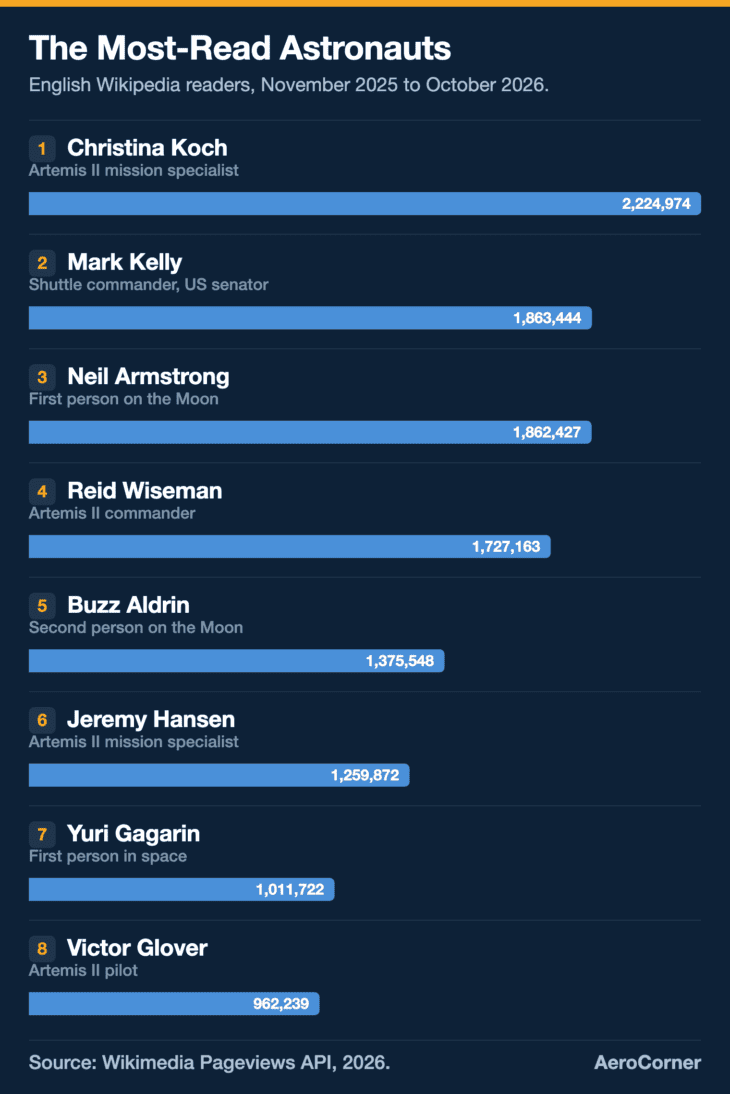
The most famous astronaut right now, measured by how many people go looking for them, is not Neil Armstrong. It is Christina Koch, whose English Wikipedia article drew 2,224,974 human readers in the 12 months to October 2026, after Artemis II took her around the Moon.
Armstrong comes third, 1,017 readers behind Mark Kelly. Most “famous astronaut” lists are one writer’s opinion, so this one uses a number anyone can check: a year of Wikipedia pageviews, bots excluded, from November 2025 through October 2026.
Then we asked a question the other lists skip: what did each of them fly before space? Fourteen of the 20 came up through military cockpits. The most-read astronaut of all did not.
| Rank | Astronaut | Earliest aircraft on record | Readers, 12 months |
|---|---|---|---|
| 1 | Christina Koch | T-38 Talon, in astronaut training | 2,224,974 |
| 2 | Mark Kelly | A-6E Intruder | 1,863,444 |
| 3 | Neil Armstrong | Ford Trimotor, as a child passenger | 1,862,427 |
| 4 | Reid Wiseman | F-14 Tomcat | 1,727,163 |
| 5 | Buzz Aldrin | T-6 Texan | 1,375,548 |
| 6 | Jeremy Hansen | Air Cadet glider | 1,259,872 |
| 7 | Yuri Gagarin | Flying-club biplane, then Yak-18 | 1,011,722 |
| 8 | Victor Glover | F/A-18C Hornet | 962,239 |
| 9 | Jared Isaacman | Cessna Citation CJ2, 2009 record | 893,373 |
| 10 | Jim Lovell | F2H Banshee | 873,169 |
| 11 | Sunita Williams | H-46 Sea Knight | 733,405 |
| 12 | Sally Ride | T-38 Talon, then a Grumman Tiger | 722,891 |
| 13 | John Glenn | Civilian trainer, 1941, then F4U Corsair | 667,185 |
| 14 | Kalpana Chawla | Lessons at Boulder Municipal Airport | 630,341 |
| 15 | Christa McAuliffe | None as a pilot: she was a teacher | 597,443 |
| 16 | Michael Collins | Grumman Widgeon | 502,794 |
| 17 | Gus Grissom | A Bedford attorney’s small plane | 458,483 |
| 18 | Alan Shepard | Rides at Manchester Airfield, then F4U Corsair | 428,474 |
| 19 | Valentina Tereshkova | Parachute jumps, then MiG-15UTI | 392,088 |
| 20 | Scott Kelly | T-34 Mentor | 390,651 |
How this ranking works
We ranked 71 astronauts and cosmonauts by one year of English Wikipedia pageviews from human readers, then checked the field against Wikipedia’s NASA astronaut, Soviet cosmonaut and space tourist categories. To qualify, a person’s fame had to rest substantially on spaceflight. The aircraft column shows the earliest type our sources name, which is not always the first they ever touched, and several trainers go unrecorded. Readership measures attention in one year, not achievement.
This list is the companion to our ranking of the most famous pilots in history, which set astronauts aside because their fame rests on spaceflight.
1. Christina Koch

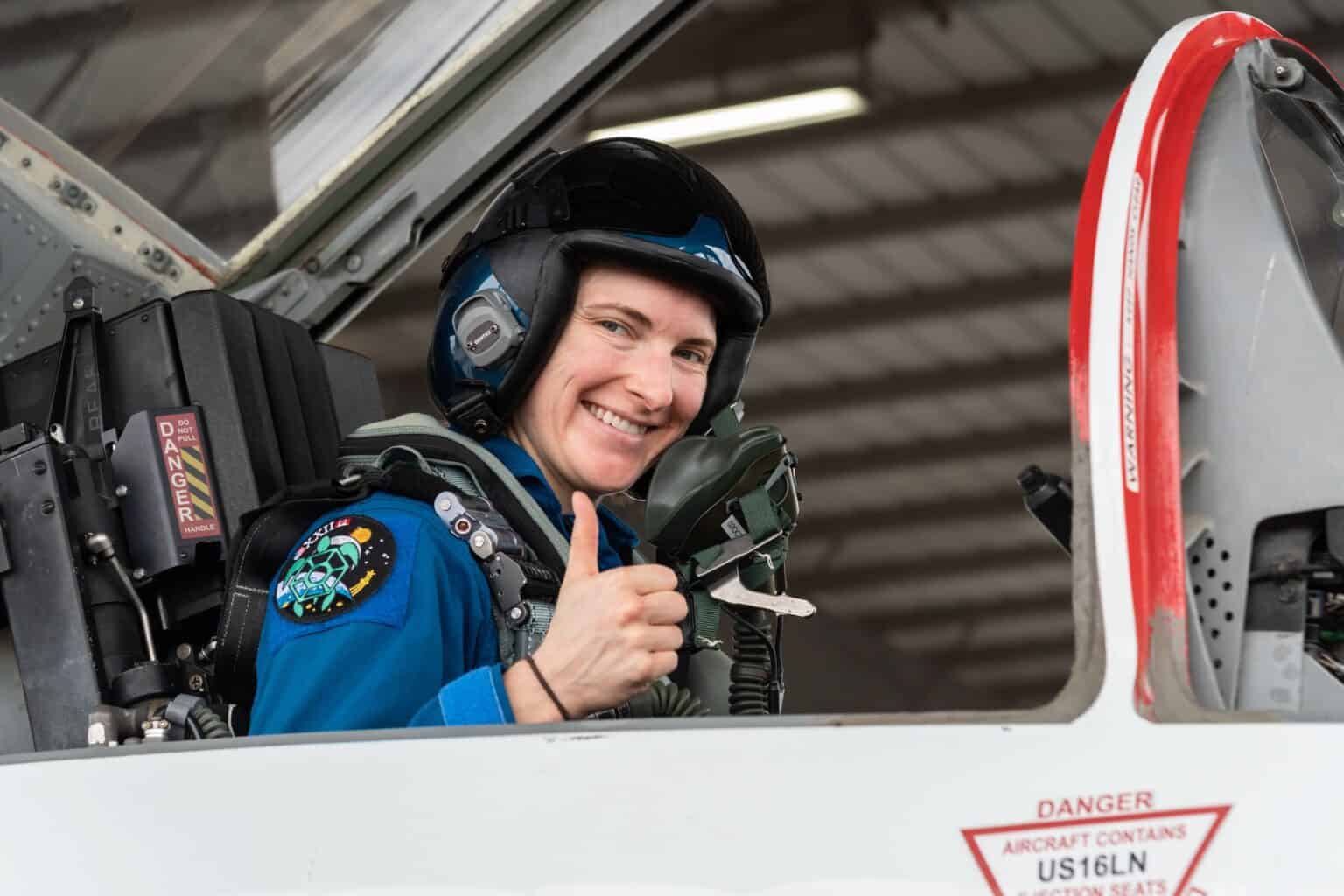
Koch reached NASA as an electrical engineer, not a pilot. She had worked on space instruments at Goddard and run a remote observatory in American Samoa before her astronaut candidate training put her in the T-38 Talon.
She set a record for the longest single spaceflight by a woman, at 328 days, and took part in the first all-female spacewalk. In April 2026 she flew on Artemis II, which reached 252,756 miles from Earth.
NASA does not require a pilot’s background. Applicants need either two years of related professional experience or at least 1,000 hours as pilot in command of jet aircraft, and Koch came in through the first door.
2. Mark Kelly
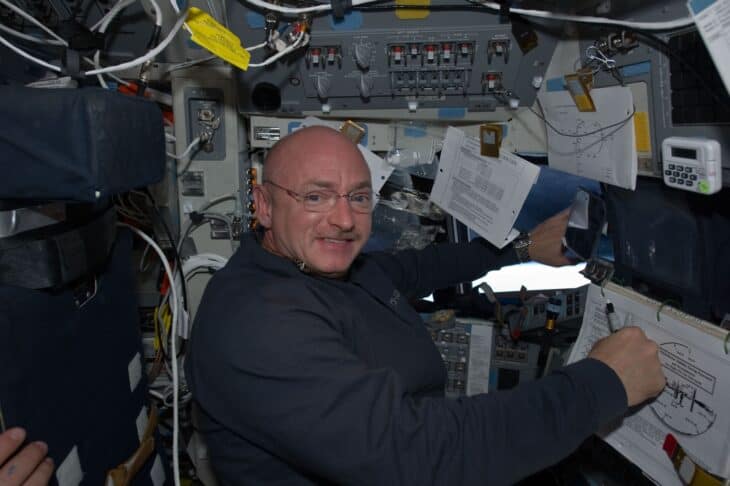

Kelly became a naval aviator in December 1987 and trained on the Grumman A-6E Intruder, flying 39 combat missions in Operation Desert Storm. He went on to log over 5,000 hours in more than 50 aircraft.
He flew four Space Shuttle missions and commanded the final flight of Endeavour in 2011. Much of his readership is likely political rather than spacefaring: he has been a US senator from Arizona since 2020, and a November 2025 video led to a Pentagon investigation and a court fight.
3. Neil Armstrong
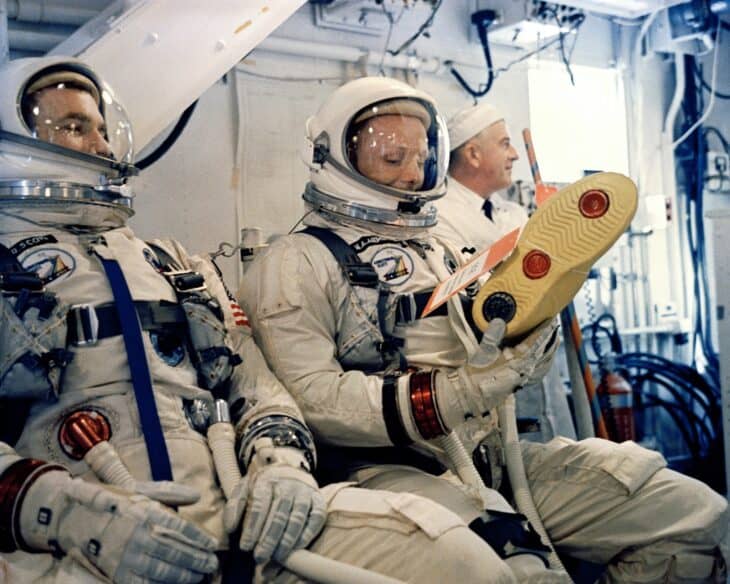

Armstrong’s first flight came at five or six, as a passenger with his father in a Ford Trimotor in Warren, Ohio. He earned a student flight certificate on his 16th birthday and soloed that August.
A pilot before a driver
Armstrong had his student flight certificate and his first solo before he had a driver’s license. The Navy later had him solo all over again, in a North American SNJ trainer on September 9, 1949.
His first jet flight was in a Grumman F9F Panther on January 5, 1951, and he flew 78 combat missions in F9F-2s over Korea. As a test pilot he took the X-15 up seven times, and over his career he flew more than 200 aircraft models.
4. Reid Wiseman
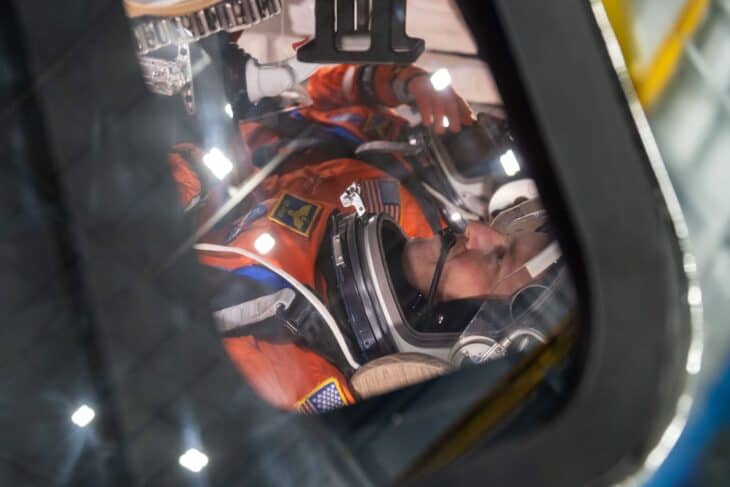

Wiseman became a naval aviator in 1999 and reported to Fighter Squadron 101 to transition to the F-14 Tomcat. He deployed to the Middle East with Fighter Squadron 31 and later flew the F/A-18F Super Hornet.
He commanded Artemis II, the first crewed flight around the Moon since Apollo 17 in 1972. At 50 he also became the oldest person to travel beyond low Earth orbit, a mark Alan Shepard had held since Apollo 14.
5. Buzz Aldrin
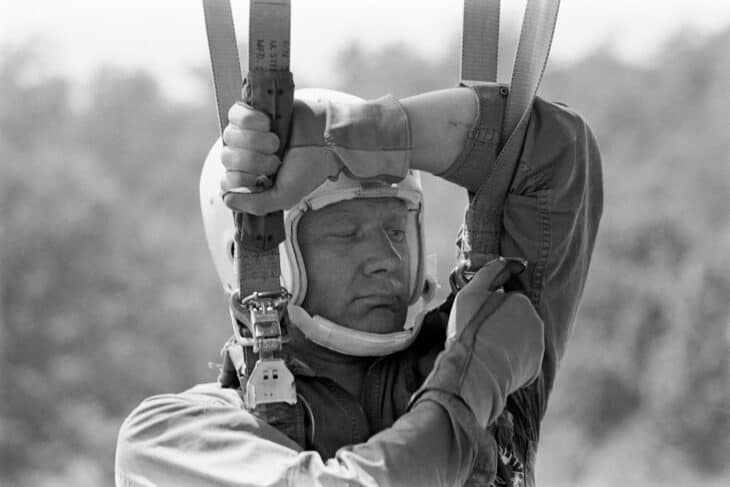

Aldrin graduated third in the West Point class of 1951, chose the Air Force, and did his basic flight training in T-6 Texans at Bartow Air Base in Florida. His father had been an Army aviator in World War I.
He flew 66 combat missions in the F-86 Sabre over Korea and shot down two MiG-15s, the first on May 14, 1953. Sixteen years later he became the second person to walk on the Moon. For the aces ranked by combat record, see our list of the best fighter pilots in history.
6. Jeremy Hansen
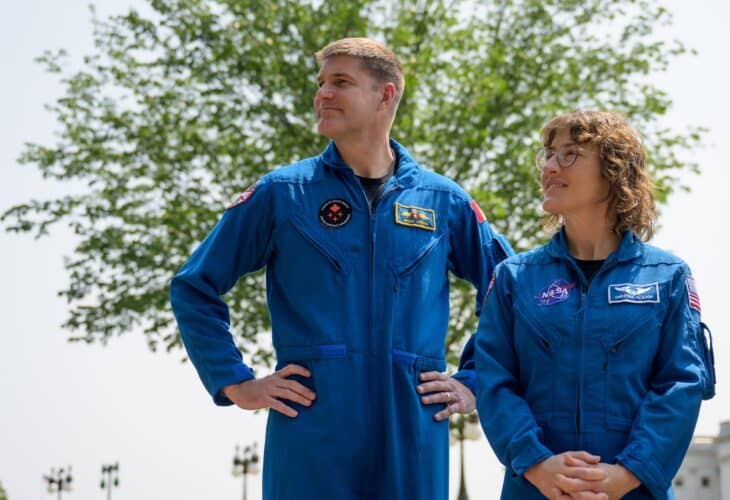

Hansen joined the Royal Canadian Air Cadets at 12, earned his glider wings at 16 and his private pilot licence at 17, according to the Canadian Space Agency.
From 2004 to 2009 he flew the CF-18 with two tactical fighter squadrons. On Artemis II he became the first person from outside the United States to travel to the vicinity of the Moon.
7. Yuri Gagarin
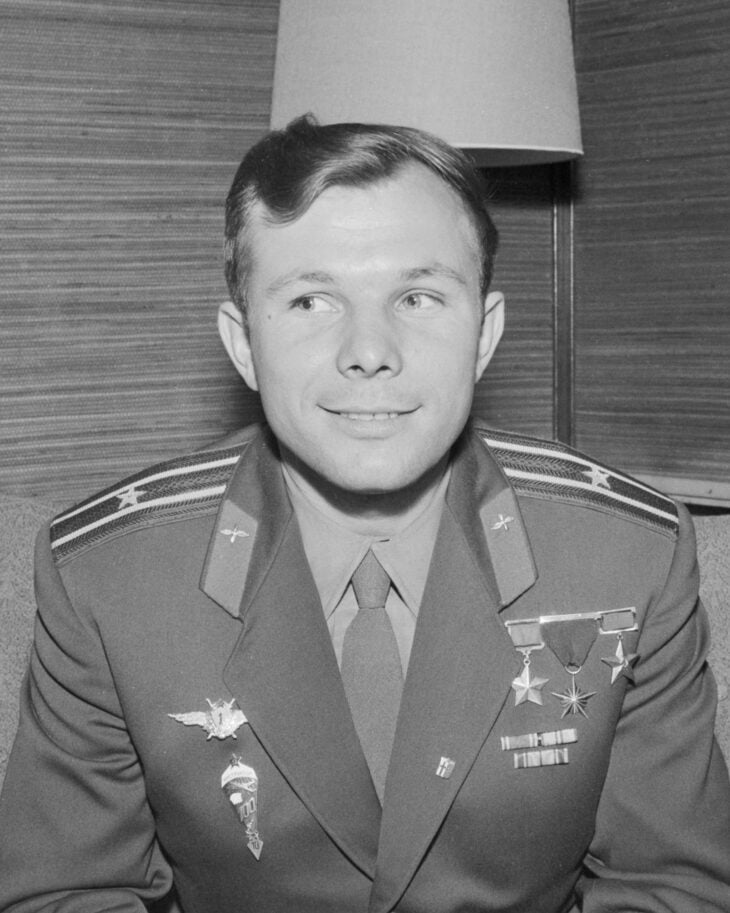

The first human in space learned to fly on weekends. While studying at an industrial school in Saratov, Gagarin trained at a local flying club on a biplane and then a Yakovlev Yak-18.
He moved to the MiG-15 in February 1956 and flew the MiG-15bis with a fighter regiment. Vostok 1 carried him around the Earth once on April 12, 1961, in 108 minutes.
Standing 5 feet 2 inches (1.57 m), he fit a capsule that limited candidates to 5 feet 7 inches (1.70 m). He died on March 27, 1968, on a training flight in a MiG-15UTI with his instructor.
8. Victor Glover
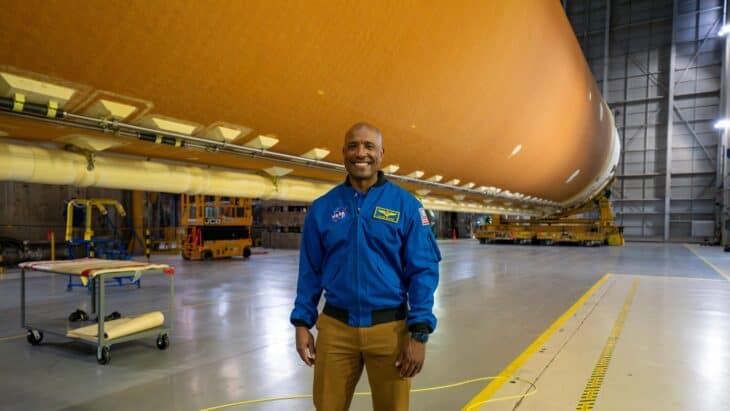

Glover earned his Navy wings in December 2001 and trained on the F/A-18C Hornet at Miramar. The Smithsonian credits him with more than 40 aircraft, more than 400 carrier arrested landings and 24 combat missions.
He became a test pilot on the Hornet, Super Hornet and EA-18G Growler, then piloted SpaceX Crew-1 and Artemis II. On Artemis II he became the first person of color to travel to the vicinity of the Moon.
9. Jared Isaacman
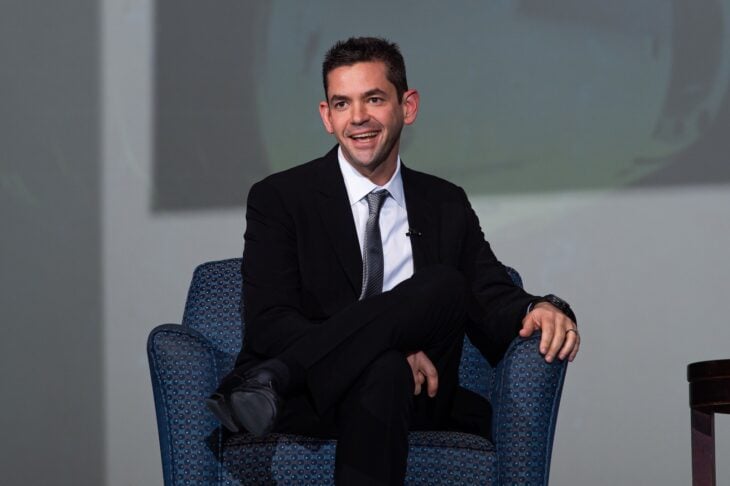

Isaacman is the outlier: a civilian who left school at 16 and founded a payments company. Our sources do not name his first trainer, but the earliest flying feat they record is a 2009 round-the-world record in a light Cessna Citation CJ2, in 61 hours, 51 minutes and 15 seconds.
He has logged over 8,000 hours and is qualified on jets including the A-4, L-39 and MiG-29UB. He commanded Inspiration4 in 2021, made the first commercial spacewalk on Polaris Dawn in 2024, and has been NASA’s administrator since December 2025.
10. Jim Lovell
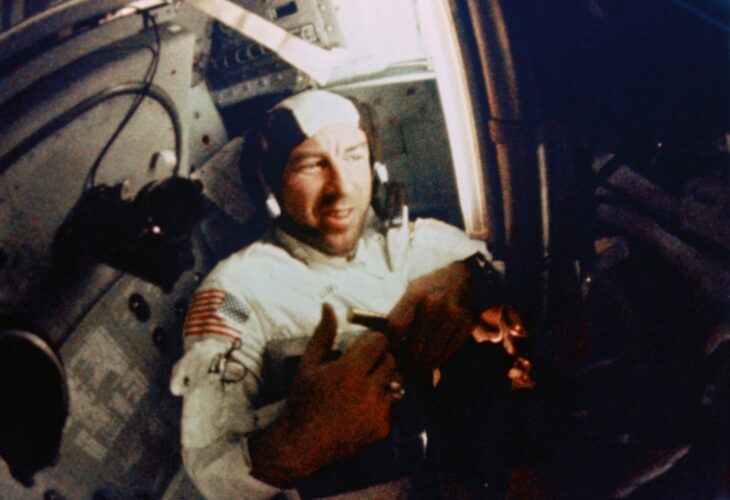

Lovell built flying models as a teenager, then trained at Pensacola after graduating from the Naval Academy in 1952. His first fleet aircraft was the McDonnell F2H Banshee night fighter, which he flew from 1954 to 1956.
He flew Gemini 7, Gemini 12, Apollo 8 and Apollo 13, and his crew’s distance record stood until Artemis II broke it in 2026. Lovell died in 2025 at 97, and NASA played his recorded message to the Artemis II crew in flight.
11. Sunita Williams
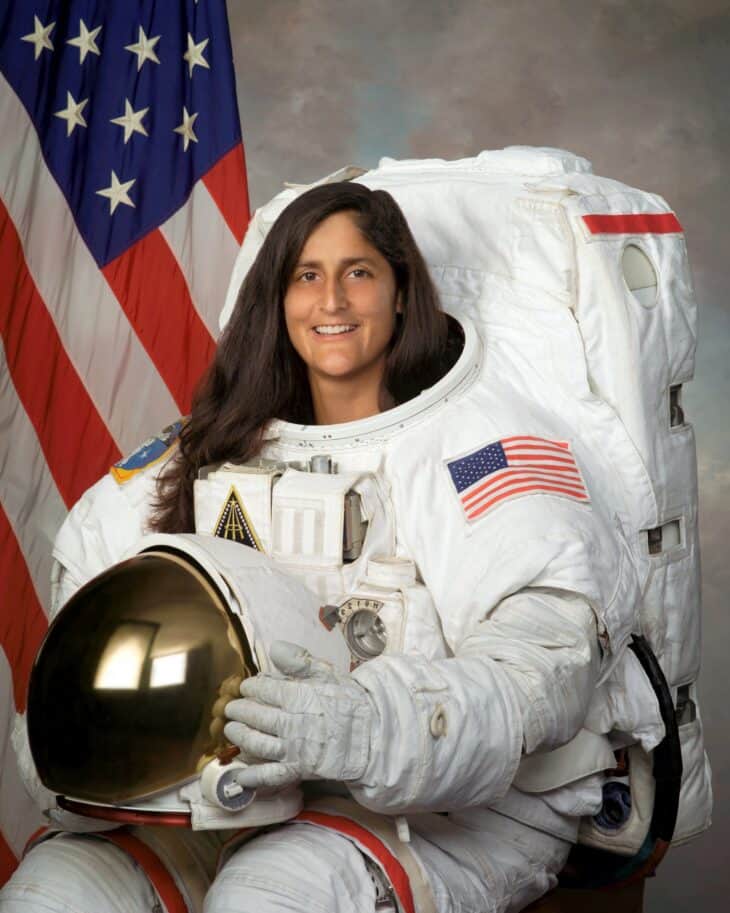

Williams is the only astronaut here who came up through helicopters. She trained on the H-46 Sea Knight, deployed with it to the Mediterranean, Red Sea and Persian Gulf, and led an H-46 detachment to Hurricane Andrew relief in 1992. She went on to log more than 3,000 hours in more than 30 aircraft types.
Her June 2024 Starliner test flight was planned for eight days and left her on the space station for more than nine months. She retired effective December 27, 2025, with 608 days in space, the second most for a NASA astronaut.
12. Sally Ride
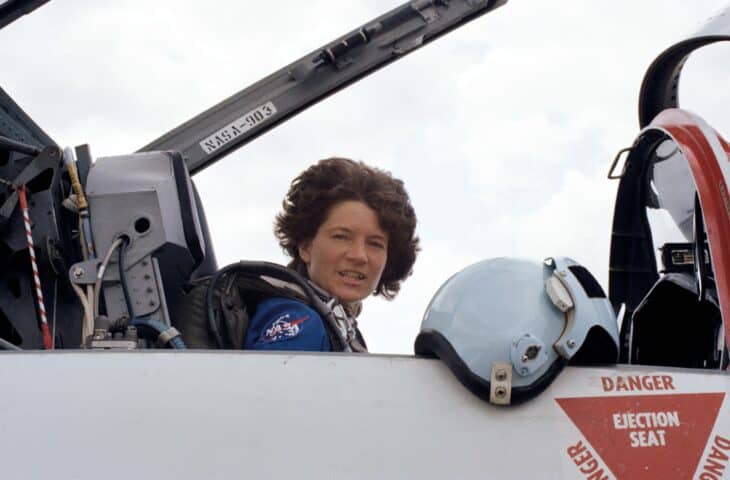

Ride, the first American woman in space, flew on Challenger in June 1983 and again in 1984. Mission specialists did not have to qualify as pilots, only ride in the back seat of the T-38 and handle an emergency.
She liked it enough to take private lessons, earn a pilot’s license, and buy a part interest in a Grumman Tiger that she flew on weekends. She later served on the panels investigating both the Challenger and Columbia losses, the only person to do so.
13. John Glenn
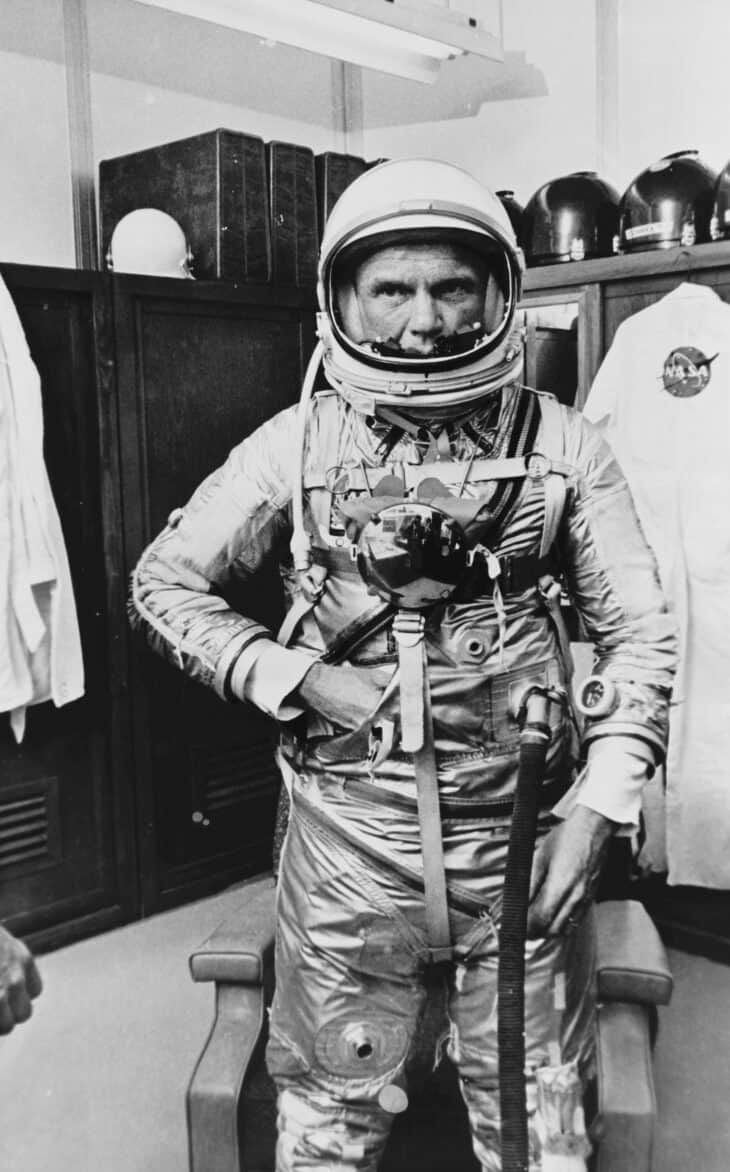

Glenn first flew with his father at age eight and earned a private license through the Civilian Pilot Training Program in 1941. In the Marines he flew R4D transports and then the F4U Corsair. His squadron flew 57 combat missions in the Marshall Islands in 1944.
Faster than a bullet
On July 16, 1957, Glenn crossed the United States in an F8U Crusader in 3 hours, 23 minutes and 8.3 seconds. He called it Project Bullet, because the jet was faster than a .45 caliber round.
Over Korea he flew 63 missions in the F9F Panther, with baseball star Ted Williams at times on his wing, then 27 in the F-86, shooting down three MiG-15s. He orbited the Earth in Friendship 7 on February 20, 1962, and returned to space on Shuttle Discovery at 77.
14. Kalpana Chawla
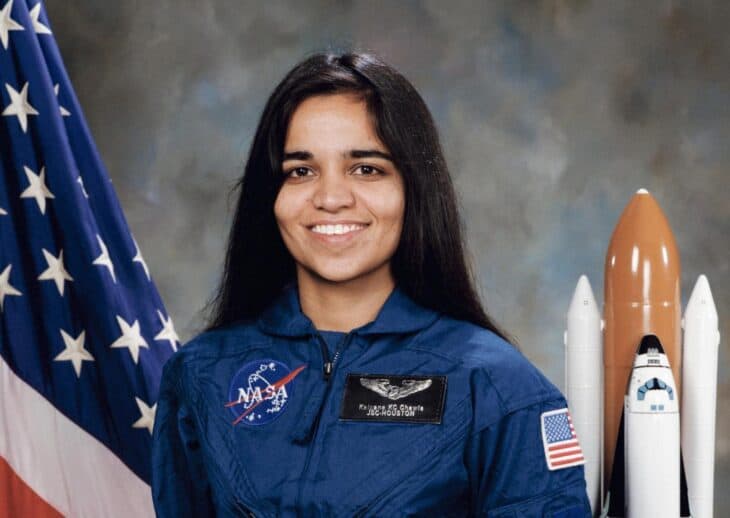

Born in Karnal, India, Chawla was an aerospace engineer who took her first flying lessons at Boulder Municipal Airport while studying in Colorado. She went on to hold commercial licenses for land planes, seaplanes and gliders, and qualified as a flight instructor.
She became the first woman of Indian origin in space on STS-87 in 1997. She died with her crew when Columbia broke up on February 1, 2003, and she remains a household name in India.
15. Christa McAuliffe
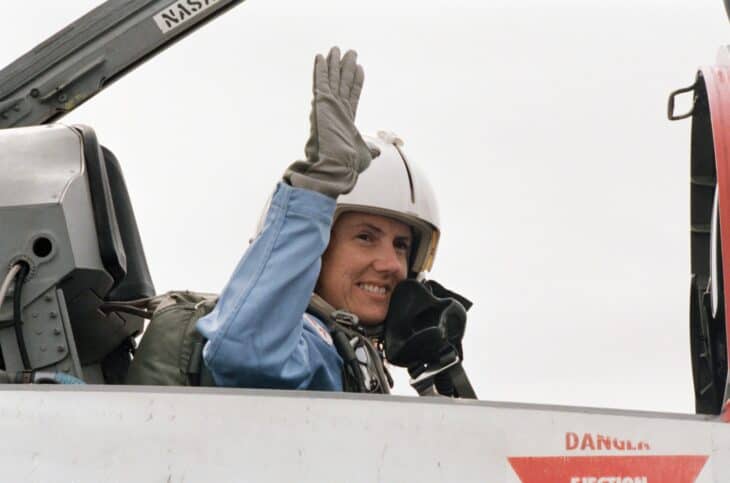

McAuliffe had no flying career to list, and the job did not call for one. She taught social studies at Concord High School in New Hampshire and was chosen from more than 11,000 applicants for NASA’s Teacher in Space Project.
She died aboard Challenger on January 28, 1986, when the shuttle broke apart 73 seconds after launch. Her backup, Barbara Morgan, flew to the space station on STS-118 in 2007.
16. Michael Collins
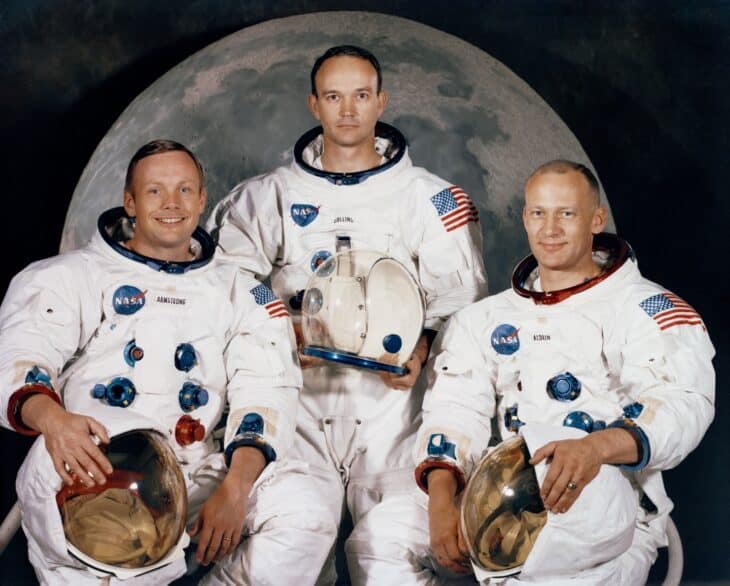

Collins took his first plane ride in Puerto Rico, in a Grumman Widgeon whose pilot let the boy fly it for part of the trip. The Air Force started him in the T-6 Texan in August 1952 and then moved him to F-86 Sabres.
He ejected from a burning F-86 in France, then became a test pilot at Edwards. On Apollo 11 he flew the command module Columbia alone around the Moon while Armstrong and Aldrin walked on it.
17. Gus Grissom
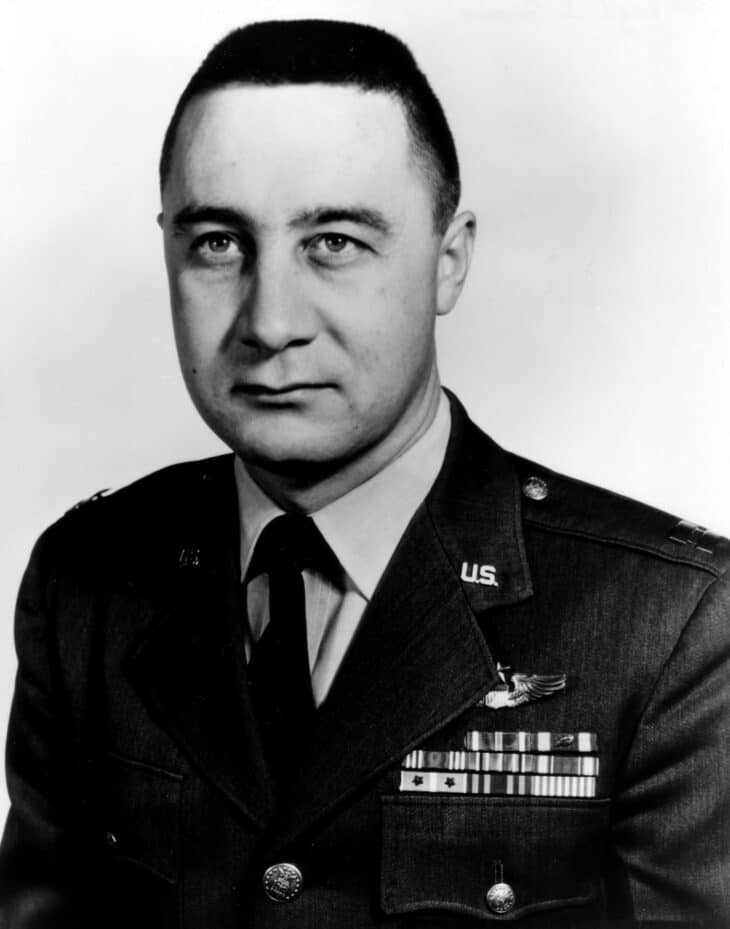

As a teenager in Bedford, Indiana, Grissom spent time at the local airport, where an attorney who owned a small plane took him up and taught him the basics. That airport now carries his name.
He flew 100 combat missions in the F-86 over Korea, asked to fly 25 more, and was refused. He became the second American in space in 1961, commanded Gemini 3, the first crewed Gemini flight, and died in the Apollo 1 fire in 1967.
18. Alan Shepard
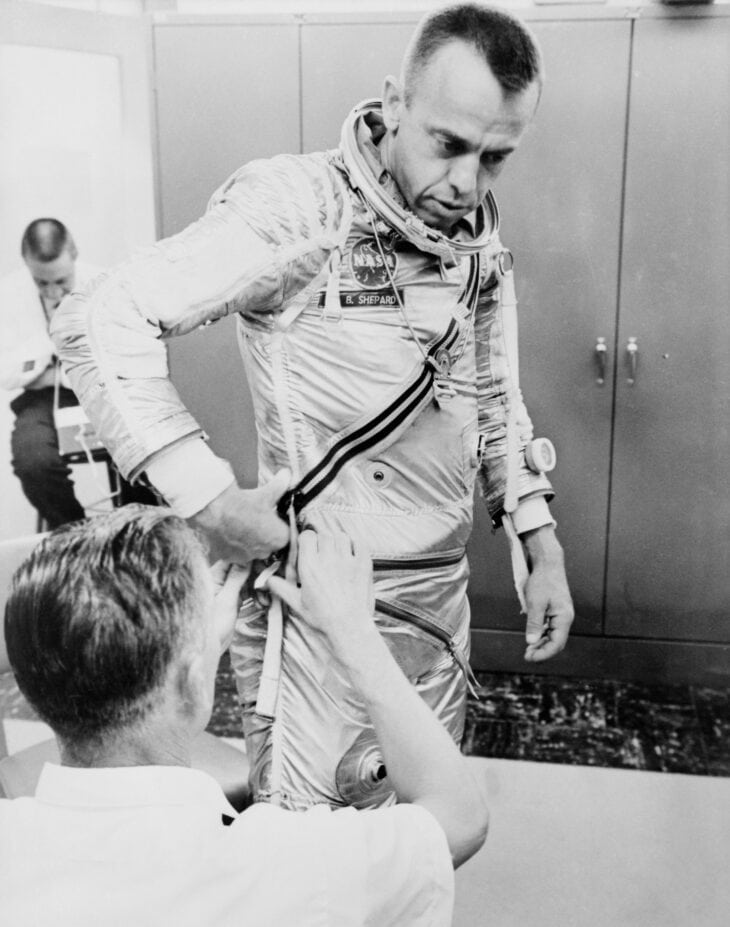

As a boy Shepard cycled to Manchester Airfield in New Hampshire and did odd jobs in exchange for rides and informal lessons. In Navy flight training he was an average student who nearly washed out, so he paid for private lessons on the side, which the Navy frowned on, and earned a civil license.
He then flew the Corsair with Fighter Squadron 42 and tested the F2H Banshee and F-8 Crusader. He became the first American in space on May 5, 1961, and at 47 the oldest person to walk on the Moon.
19. Valentina Tereshkova
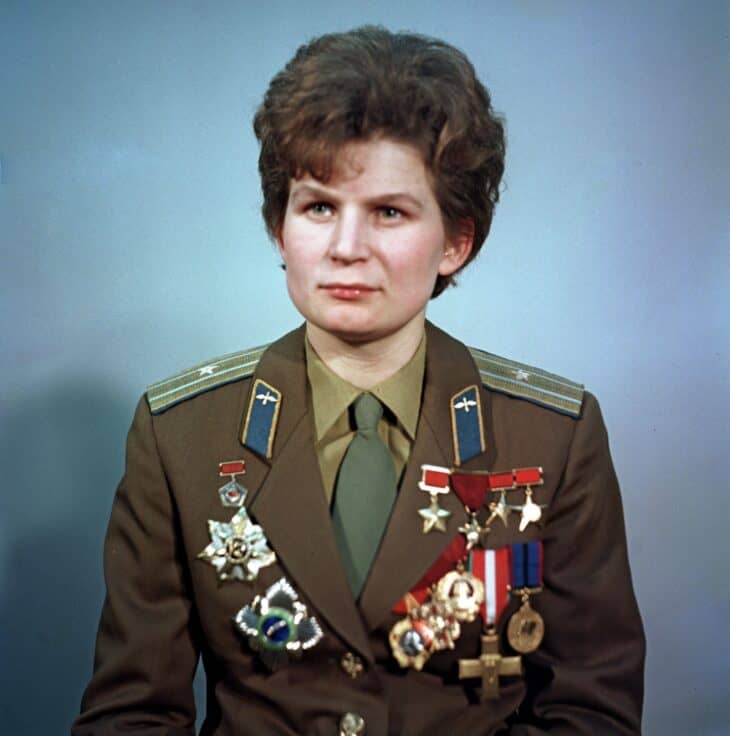

The first woman in space was a textile worker who came to the program from the air, but not in an airplane. She made her first parachute jump on May 21, 1959, at 22, and the women’s group required parachutists: every Vostok pilot was planned to eject and land under a canopy.
Training added the MiG-15UTI jet. On June 16, 1963, she launched alone on Vostok 6 and orbited the Earth 48 times, and she remains the only woman to fly a solo space mission.
20. Scott Kelly
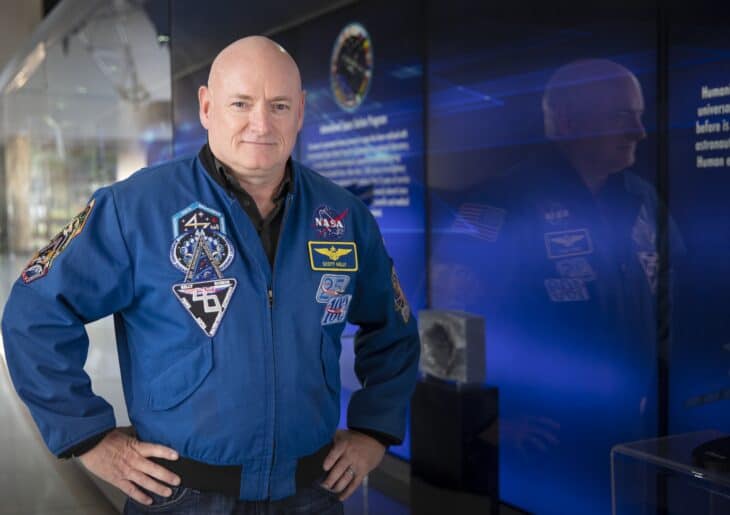
Kelly decided on naval aviation after reading The Right Stuff as a college freshman. At Pensacola he flew the T-34 Mentor propeller trainer, then the T-2 Buckeye and A-4 Skyhawk, before reaching the F-14 in 1989.
His nearly year-long stay on the space station, which began on March 27, 2015, was the basis of NASA’s Twins Study, which compared him with his identical twin brother Mark, who ranks second here. Scott logged about 520 days in space.
What about William Shatner?
Shatner drew 2,657,956 readers, more than anyone on this list, and Katy Perry drew 3,778,559. Both flew Blue Origin’s suborbital New Shepard, in 2021 and 2025, but neither is famous for it, so they are out. The closest miss among career astronauts is Mae Jemison, at 376,200 readers, under 15,000 short of the list.
What the Aircraft Column Tells You
Fourteen of these 20 came up through military cockpits, and the aircraft mark the generations: the Corsair and F-86 for the Mercury astronauts, the F-14 and Hornet for the Artemis crew.
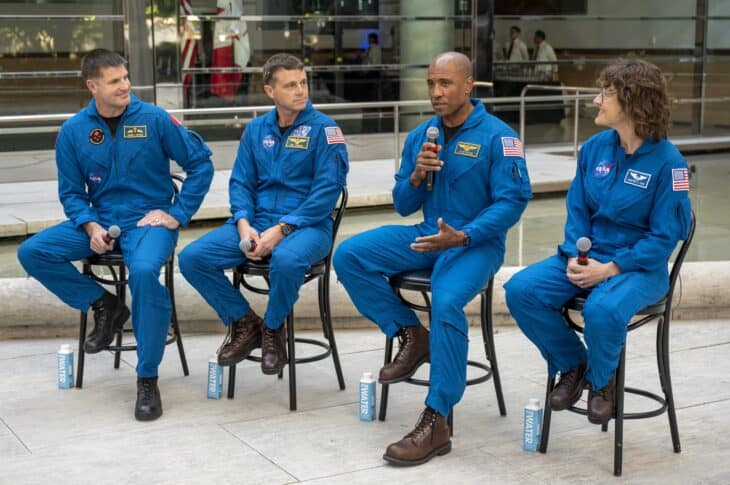
But the top of the list says the pipeline has widened. The most-read astronaut of the year is an engineer, the ninth is a civilian entrepreneur, and the Artemis II crew put a Navy test pilot beside an electrical engineer. For how paying passengers now reach space, read our guide to space tourism.
FAQ
Sources and references used for research and fact-checking.
- Wikimedia, Pageviews API
- NASA, Christina Koch biography
- NASA, Neil Armstrong biography
- NASA, Jared Isaacman biography
- NASA, Astronaut Requirements
- NASA, Twins Study
- Canadian Space Agency, Jeremy Hansen biography
- Smithsonian National Air and Space Museum, Victor Glover: From California to the Moon
- Business Today, NASA astronaut Sunita Williams retires after record-setting missions
- Wikipedia, Christina Koch
- Wikipedia, Mark Kelly
- Wikipedia, Neil Armstrong
- Wikipedia, Reid Wiseman
- Wikipedia, Buzz Aldrin
- Wikipedia, Yuri Gagarin
- Wikipedia, Jared Isaacman
- Wikipedia, Jim Lovell
- Wikipedia, Sunita Williams
- Wikipedia, Sally Ride
- Wikipedia, John Glenn
- Wikipedia, Kalpana Chawla
- Wikipedia, Christa McAuliffe
- Wikipedia, Michael Collins (astronaut)
- Wikipedia, Gus Grissom
- Wikipedia, Alan Shepard
- Wikipedia, Valentina Tereshkova
- Wikipedia, Scott Kelly (astronaut)
- Wikipedia, List of Apollo astronauts
- Wikipedia, List of spaceflight records
- Wikipedia, William Shatner
- Wikipedia, Katy Perry
Get the Newsletter
The latest aviation news and stories sent to your inbox.
About the Author

Tim is the owner and lead editor of AeroCorner since 2019, overseeing aviation content covering aircraft, airlines, airports, and the broader aviation industry. Through years of researching, writing, editing, and publishing aviation-focused content, he has developed extensive practical knowledge of commercial aviation and air travel. Based in Asia and a frequent traveler himself, Tim also brings firsthand passenger experience to AeroCorner’s coverage. Outside of publishing, he has also explored aviation firsthand through hands-on flight training in New Zealand.