Military Transport Planes
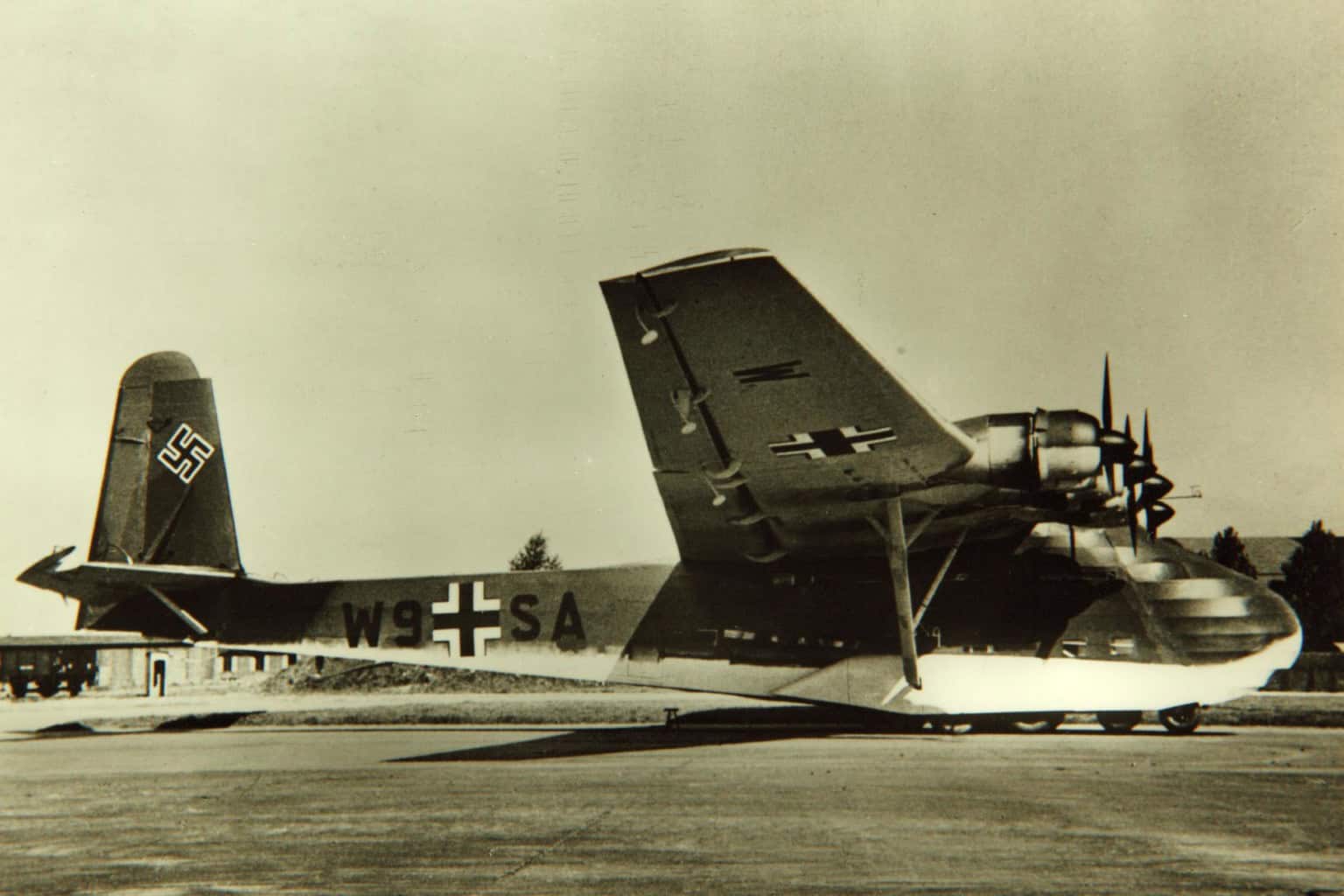
The Messerschmitt Me 323 Gigant was the largest land-based transport aircraft of World War II, a six-engined powered version of the Me 321 glider that hauled artillery and troops across the Mediterranean until Allied fighters caught it over the Sicilian Straits.
Updated: by Tim de Vries
The latest aviation news and stories sent to your inbox.
The Messerschmitt Me 323 Gigant (“Giant”) was a German heavy transport of World War II. It grew out of a 1940 requirement for a huge assault glider meant for the planned invasion of Britain. The powered version carried up to 130 troops or about 12 tonnes of cargo, but its slow speed and fabric-covered structure made it easy prey for fighters.
Live Fleet Activity (ME323)
Fetching live data…
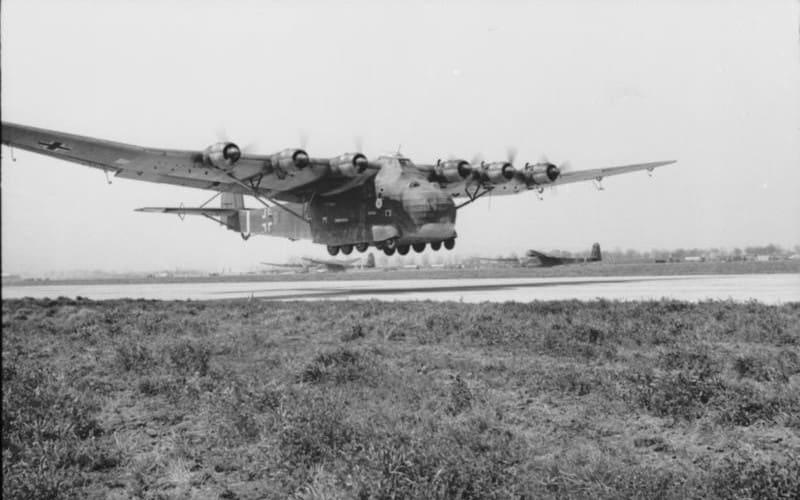
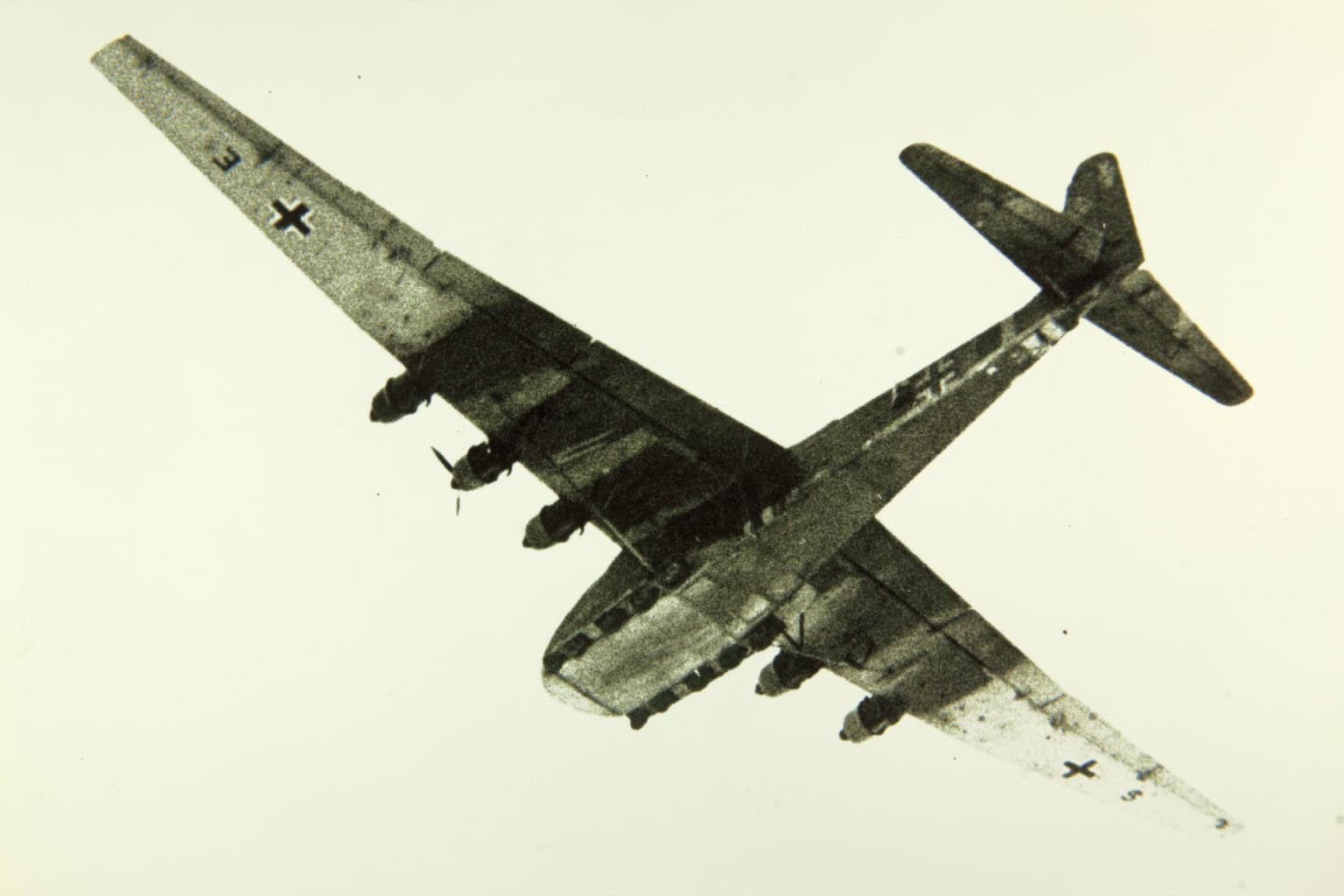


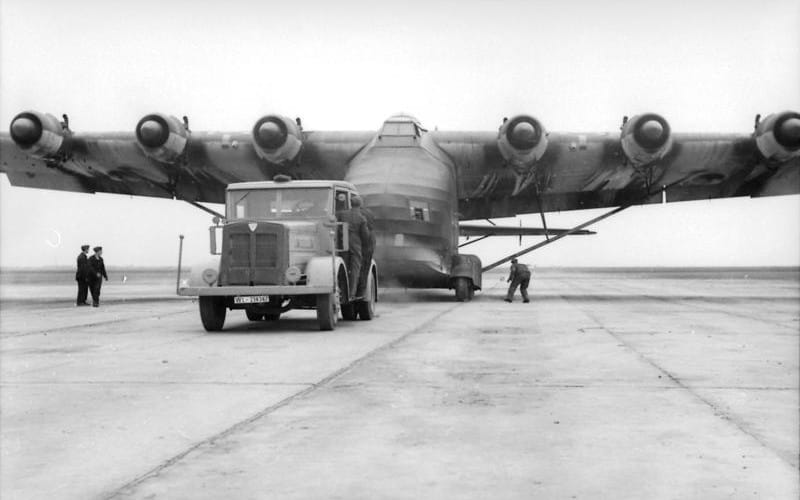

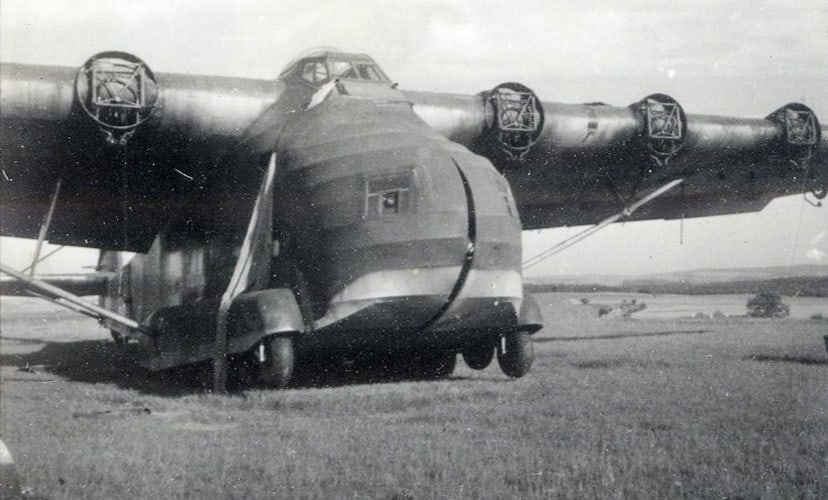

The Messerschmitt Me 323 Gigant was the largest land-based transport aircraft of World War II. It carried up to 130 troops or a field gun with its tractor. It was also slow, fabric-covered and heavily outnumbered by Allied fighters.
The full specification table for the aircraft is on this page. This article explains how the Gigant came about, how it was used and why it is remembered mainly for one disastrous day in April 1943.
The Me 323 began as a German requirement in 1940 for a very large assault glider, tied to the planned invasion of Britain. The result was the Me 321, which needed a tow of several aircraft to leave the ground.
In early 1941 the decision was made to build a motorized version. Engines were the problem, because Germany had no big powerplants to spare.
Designers settled on French Gnome-Rhone 14N radials, originally intended for the Bloch MB.175 bomber. An interim four-engined Me 323C still needed help to take off fully loaded. The six-engined prototype became the basis for the production D series.

The wing span was 181 ft 1 in (55.20 m). The aircraft was 92 ft 6 in (28.20 m) long.
Maximum takeoff weight was 95,000 lb (43,000 kg). The Gigant could lift a maximum payload of 26,500 lb (12,000 kg), roughly the weight of a loaded truck and trailer.
The D series carried a crew of five: two pilots, two flight engineers and a radio operator. Gunners could be added.
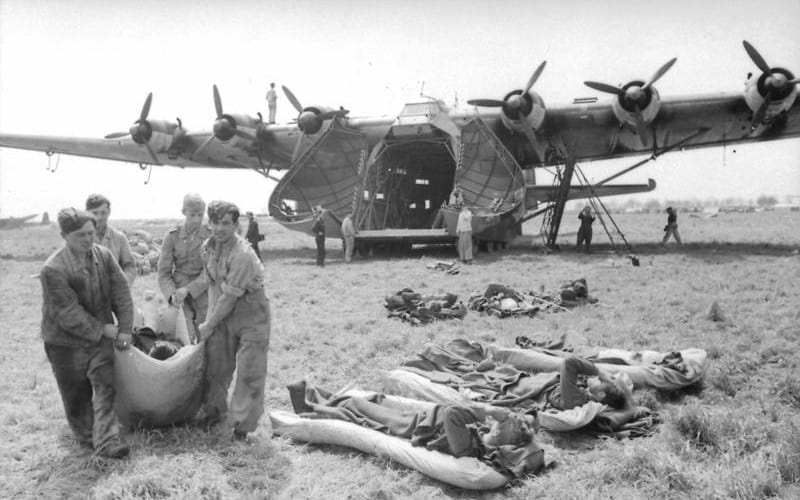
Typical loads included a 15 cm field howitzer with its half-track tractor, two 4-ton trucks, an 88 mm Flak gun, 52 fuel drums, 130 men or 60 stretchers. Wartime photographs show a Renault UE tracked carrier being unloaded in Tunisia.


Six Gnome-Rhone 14N engines, three on each wing, gave 1,160 hp each. They drove three-bladed variable-pitch propellers. Starboard engines were the 14N-48 and port engines the 14N-49, turning in opposite directions.
The airframe was a metal-tube fuselage with wooden spars, covered in doped fabric. The wings were mostly plywood and fabric.
Performance was modest. Top speed and cruise speed are in the panel. A loaded Gigant could not outrun a fighter.
The service ceiling was 13,000 ft (4,000 m), so the Gigant could not climb above fighters or most bad weather.
The D-1 was the first production series. The D-2 changed the engine installation, and the D-6 was the D-2 with variable-pitch propellers. The D-6 is the version most specifications describe.
The E-1 followed as the second production series, with gun turrets in the wings. The E-2 WT was a proposed escort gunship, with a 20 mm nose turret, extra wing turrets and about 1.3 tonnes of armour.
Two E-2 WT prototypes were built before the series was cancelled. Single-engined fighters were judged a better escort. One prototype briefly served with KG 200.
In all, 198 Me 323s were built, including 15 converted from Me 321 gliders. Production ended in April 1944.
Gigants reached the Tunisian campaign in late 1942. They supplied Rommel’s forces across the Mediterranean, carrying fuel, guns and vehicles that German forces badly needed.
The route crossed open water within reach of Allied fighters. A loaded Gigant had little defense beyond a few machine guns and its escorts.

On 22 April 1943, 27 fully loaded Me 323s with Bf 109 escorts from JG 27 were crossing the Sicilian Straits. Seven squadrons of Spitfires and P-40s intercepted them.
Sixteen or seventeen transports were shot down. Three or four P-40s were lost to the escorts. Sources differ slightly on the exact counts.
The day showed how vulnerable a slow, fabric-covered transport was without air superiority. Losses continued through 1943 and the type never recovered its role.
No complete aircraft survives. The Luftwaffenmuseum der Bundeswehr in Berlin holds a main wing spar.
A wreck lies off La Maddalena, Sardinia, in about 200 ft (60 m) of water, shot down by a Beaufighter in July 1943. A wing section was reused as a bridge in Losiniec, Poland.

The Me 323 Gigant was the largest land-based transport aircraft of World War II, with a wing span of 181 ft 1 in (55.20 m). No other land-based transport of the war was larger.
Yes. The first prototype flew on 20 January 1942, and 198 were built. They flew in the Mediterranean theater from late 1942 until the type was withdrawn after heavy losses.
The Me 323 Gigant was the heaviest, taking loads such as guns and vehicles. The Me 321 was its unpowered glider predecessor.
Up to 130 men or 60 stretchers. Alternatively it carried 10,000 to 12,000 kg of cargo.
Sources and references used for research and fact-checking.