Military Propellor Planes
Messerschmitt Bf 109
ICAO: ME09
Engineering the Luftwaffe’s most formidable fighters

AeroCorner features profiles for 7 Messerschmitt aircraft. This includes 3 Military Propellor Planes, 2 Fighter Jets, 1 Private Single Engine, and 1 Military Transport Plane. Each profile includes performance data, photo galleries, dimensions, and operational history.
Messerschmitt AG was one of Germany’s most important aircraft manufacturers during the interwar and World War II periods. Known for fast, lightweight, and highly engineered designs, the company produced some of the most iconic aircraft of the era, including the Bf 109 fighter and the Me 262, the world’s first operational jet fighter. Messerschmitt became a core supplier to the Luftwaffe and played a defining role in the technological evolution of aviation.


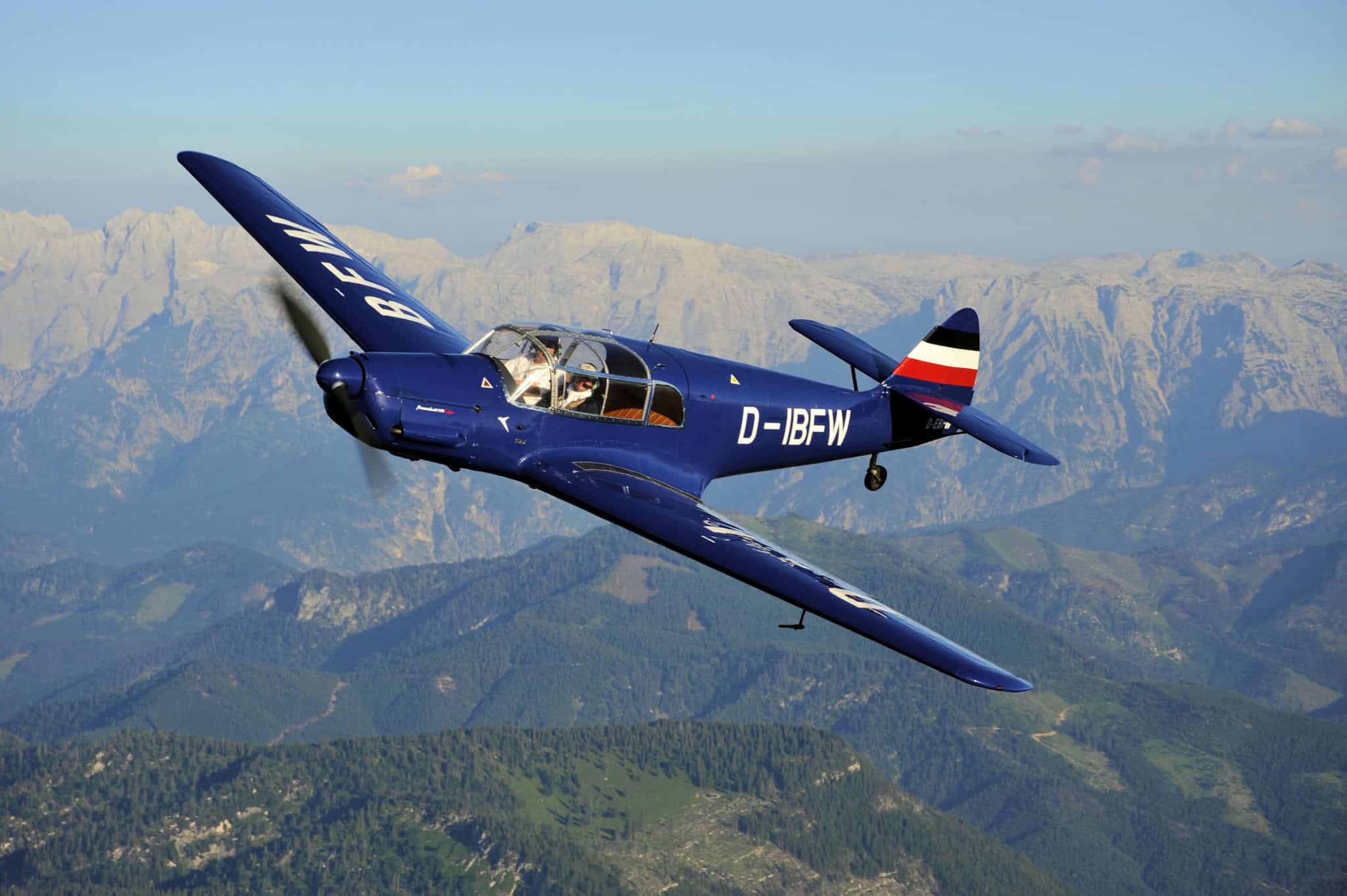
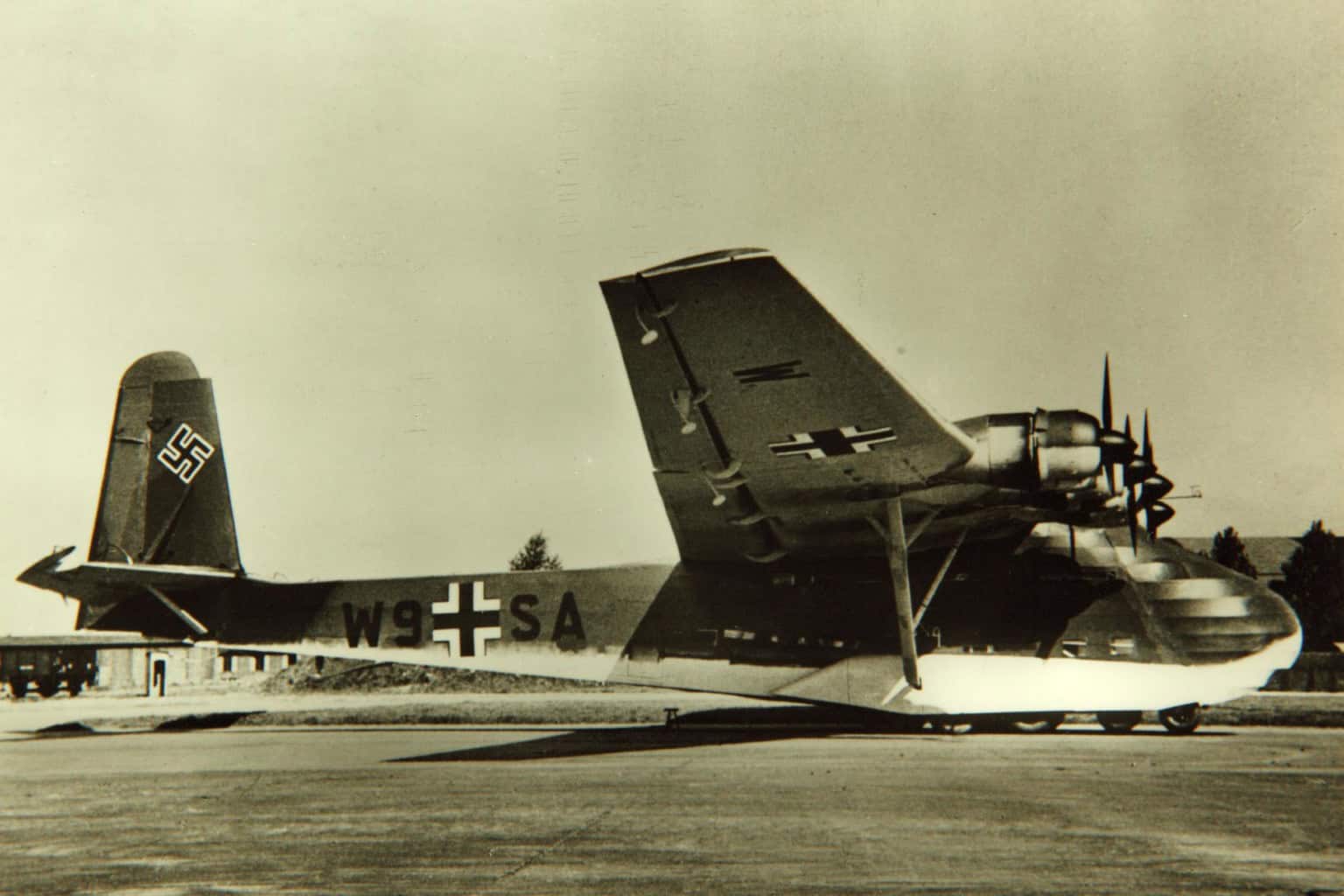
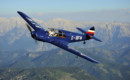
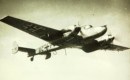
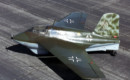
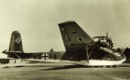
Messerschmitt traces its roots to the Bayerische Flugzeugwerke (BFW), founded in 1926. Aircraft designer Willy Messerschmitt joined the company and eventually restructured it under his leadership. In 1938, the company was formally renamed Messerschmitt AG.
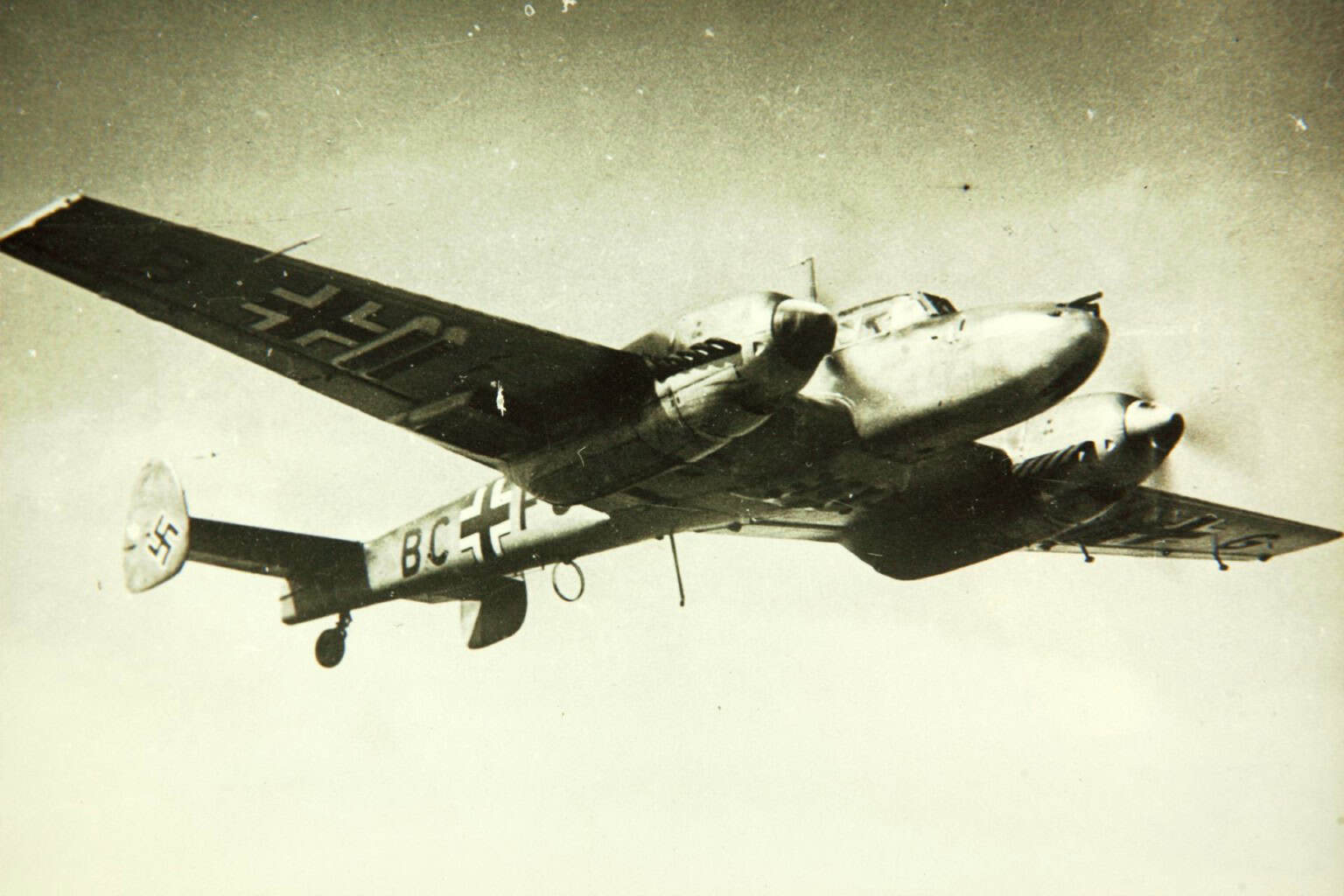
During the buildup to World War II, Messerschmitt became Germany’s leading aircraft producer, designing numerous fighters, trainers, and experimental types that pushed the limits of aeronautical engineering.
After Germany’s defeat in 1945, Messerschmitt AG was banned from aviation production. The company shifted to civilian products, including sewing machines, prefabricated homes, and the Messerschmitt Kabinenroller (KR175/KR200) microcars.
In 1968, Messerschmitt merged with Bölkow and Blohm & Voss to form Messerschmitt-Bölkow-Blohm (MBB). MBB later became part of DASA, which eventually merged into Airbus—meaning the modern successor to Messerschmitt is effectively Airbus Group.
Messerschmitt was headquartered in Augsburg, Bavaria, Germany, with major facilities in Regensburg, Leipzig, and Obertraubling during World War II.
Key production sites included:
Post-war products included:
Key milestones:
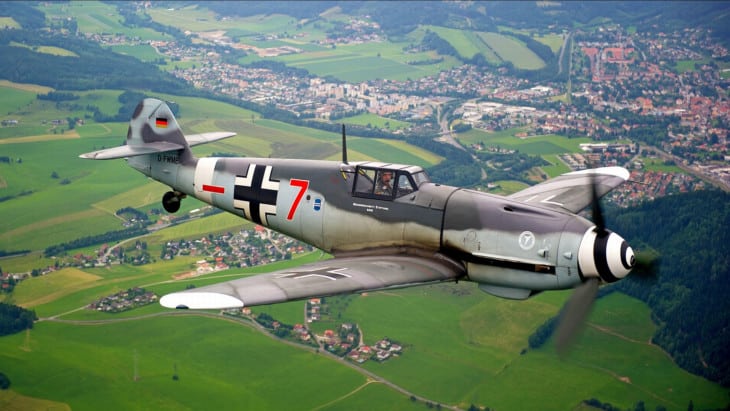
Designed in the mid-1930s, the Bf 109 became one of the most produced fighters in aviation history, with over 33,000 aircraft built. It served as the Luftwaffe’s backbone during the Battle of Britain and throughout the war. Its advanced monoplane design, retractable landing gear, and powerful Daimler-Benz engines represented a leap forward in fighter technology.
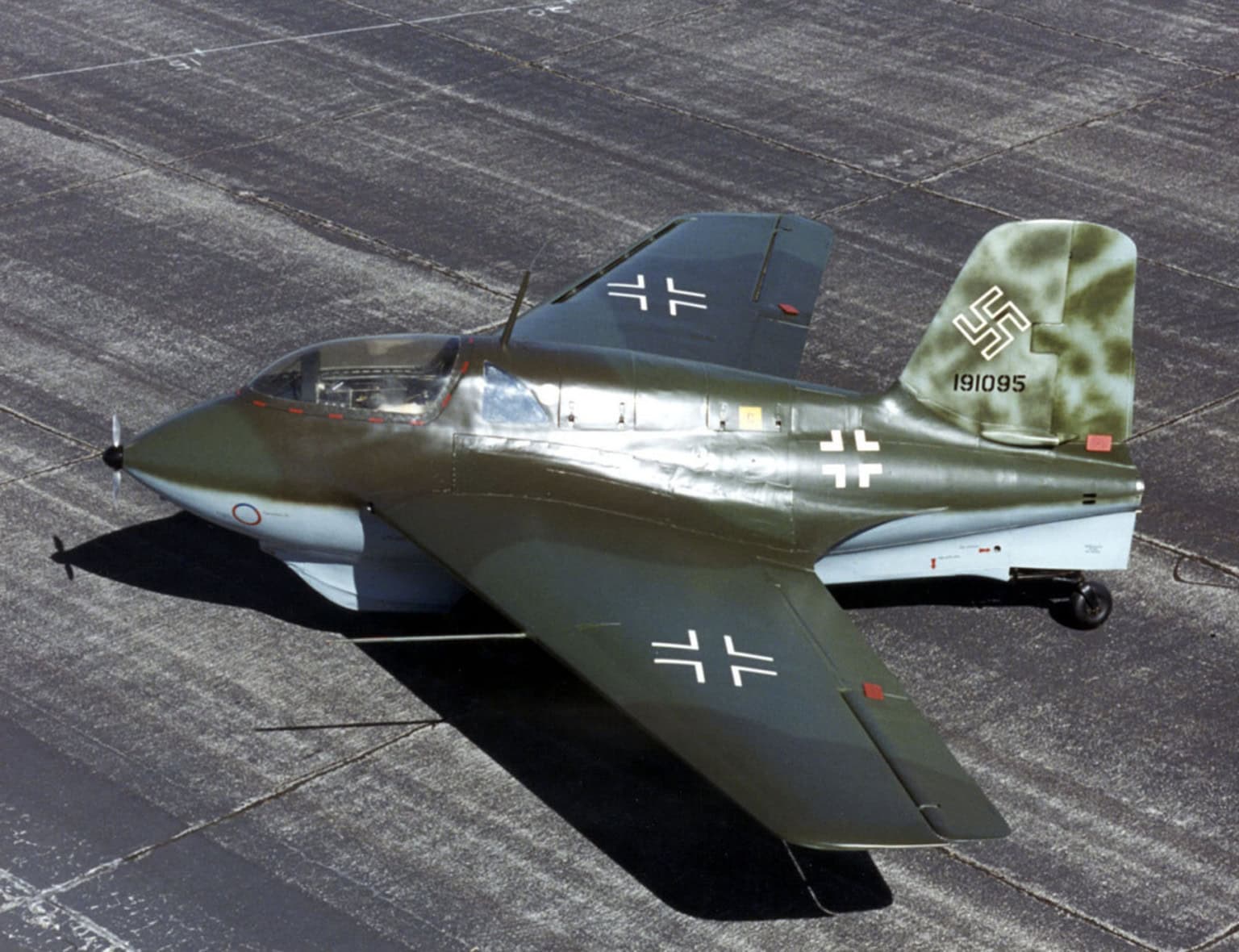
The Me 262 was the world’s first operational jet fighter, entering service in 1944. Its speed and power made it dramatically superior to Allied piston-engine aircraft. Although introduced too late to affect the war’s outcome, the Me 262 influenced post-war jet development worldwide. Its design demonstrated Messerschmitt’s technological ambitions and engineering capabilities.
As Allied bombing intensified, Messerschmitt dispersed production to satellite factories and underground tunnels. Facilities such as those at KZ Mauthausen-Gusen and Bergkristall were used for forced-labor manufacturing, particularly for the Me 262. This dark chapter remains one of the most significant and controversial aspects of the company’s wartime history.
After World War II, Messerschmitt was prohibited from designing or building aircraft. The company survived by producing civilian goods, including the Messerschmitt KR200 microcar, which became a symbol of West Germany’s economic recovery. This ban shaped Messerschmitt’s unusual transition from aircraft to consumer vehicles.
In 1968, Messerschmitt merged with Bölkow and later Blohm & Voss to form MBB, one of Germany’s major aerospace firms. MBB contributed to major European aerospace projects, including helicopters and early Airbus components. Through subsequent mergers, Messerschmitt’s lineage now resides within Airbus, one of the world’s largest aircraft manufacturers.