Fighter Jets
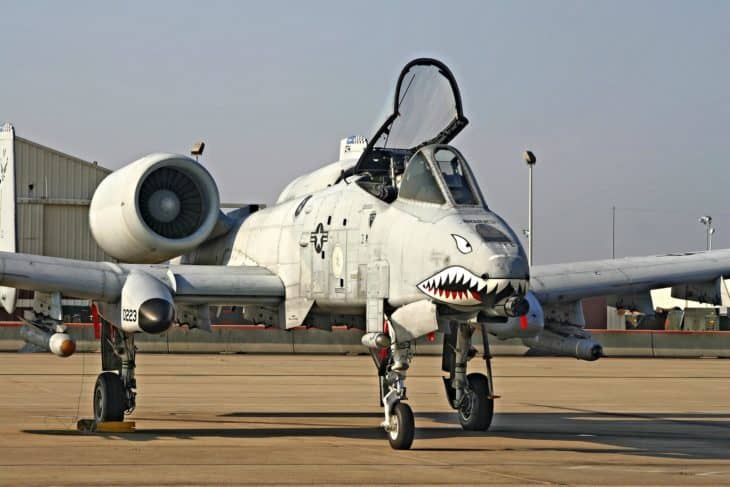
Fairchild Republic A-10 Warthog
ICAO: A10
A legacy of utility aircraft, trainers, and transport innovation
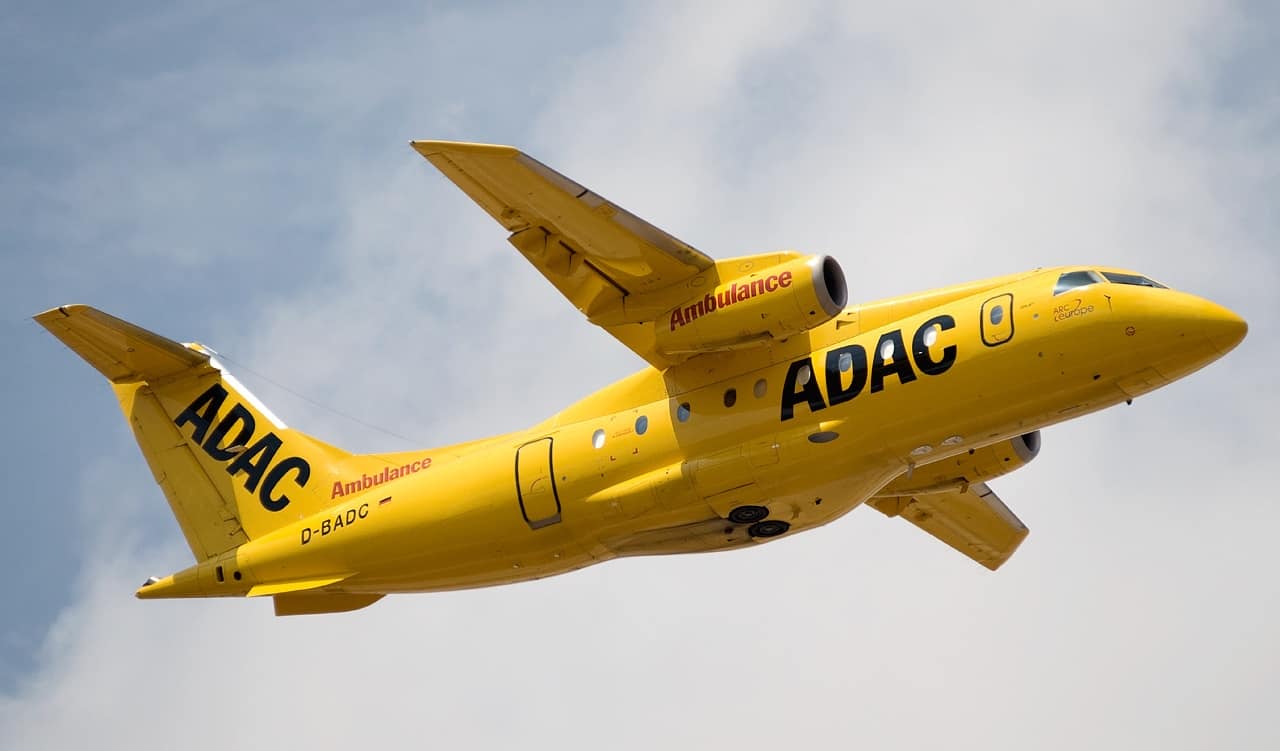
AeroCorner features profiles for 14 Fairchild aircraft. This includes 3 Military Transport Planes, 2 Private Single Engine, 2 Military Aircraft, 1 Fighter Jet, 1 Light Passenger Jet, 1 Mid Size Passenger Jet, 1 Passenger Turbo Prop, 1 Military Trainer, 1 Twin Turboprop, and 1 Light Business Jet. Each profile includes performance data, photo galleries, dimensions, and operational history.
Fairchild was a major American aerospace manufacturer known for producing military transports, trainers, and regional aircraft. The company built rugged, reliable designs such as the Fairchild C-119 Flying Boxcar and later the Fairchild Swearingen Metro, becoming a significant contributor to U.S. military and civil aviation throughout the 20th century.
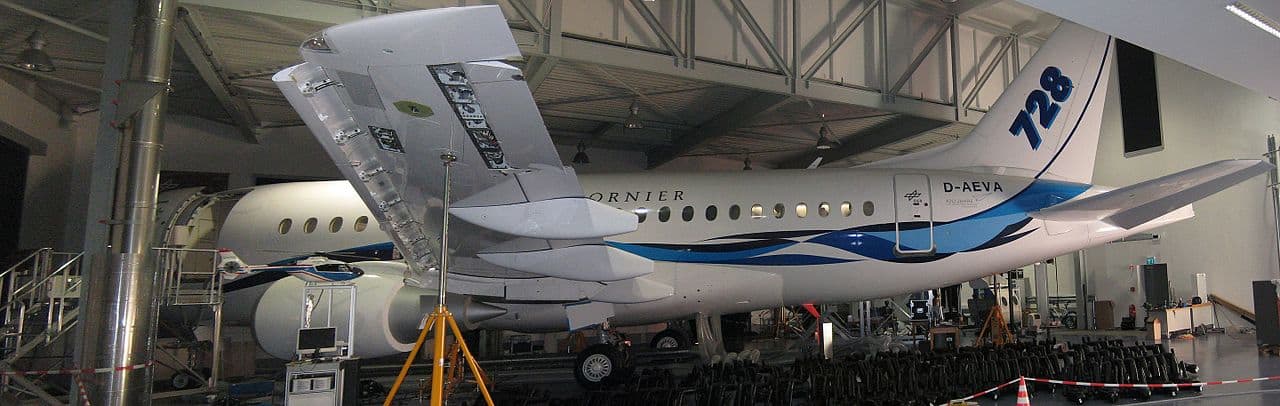
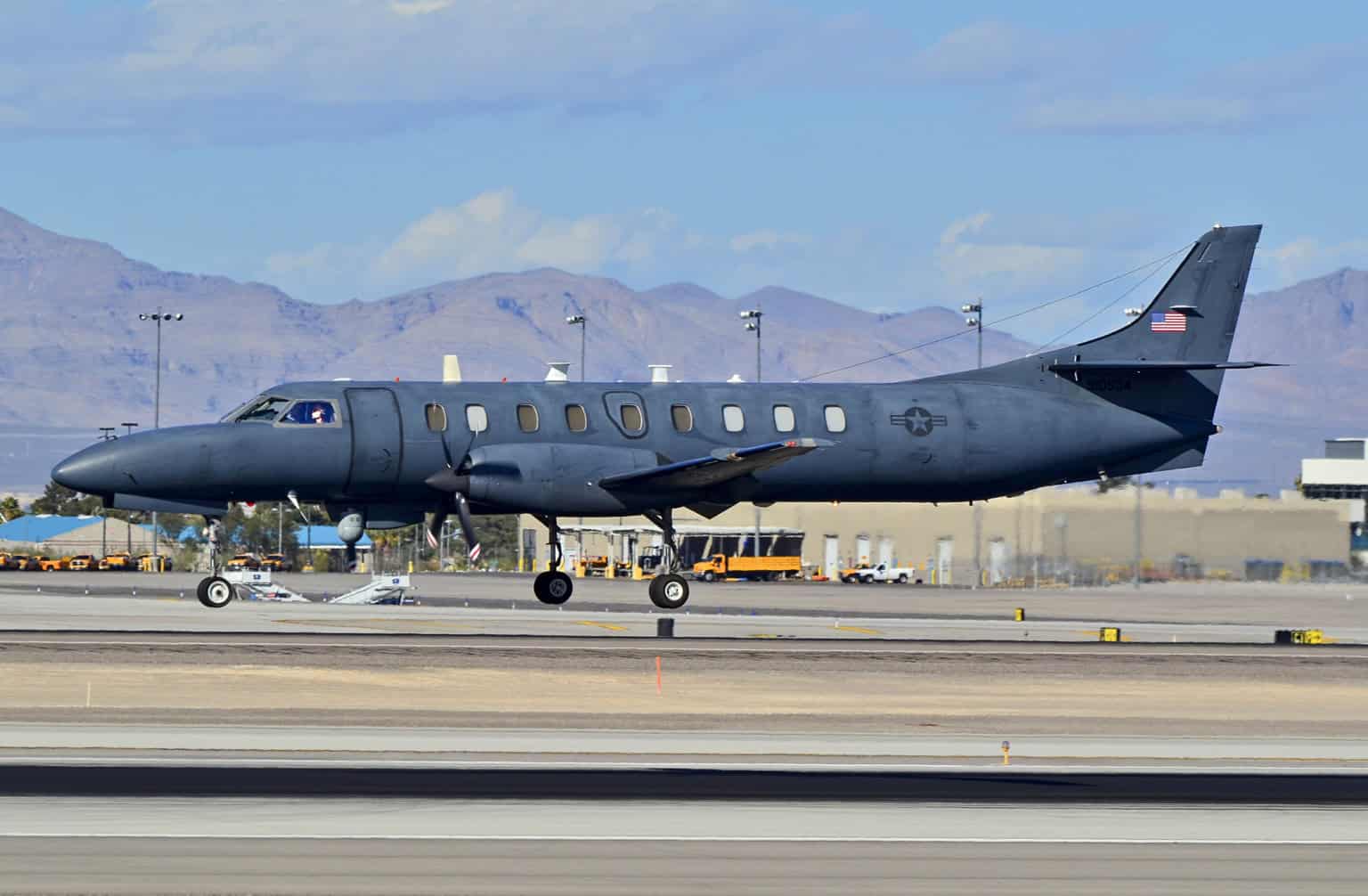
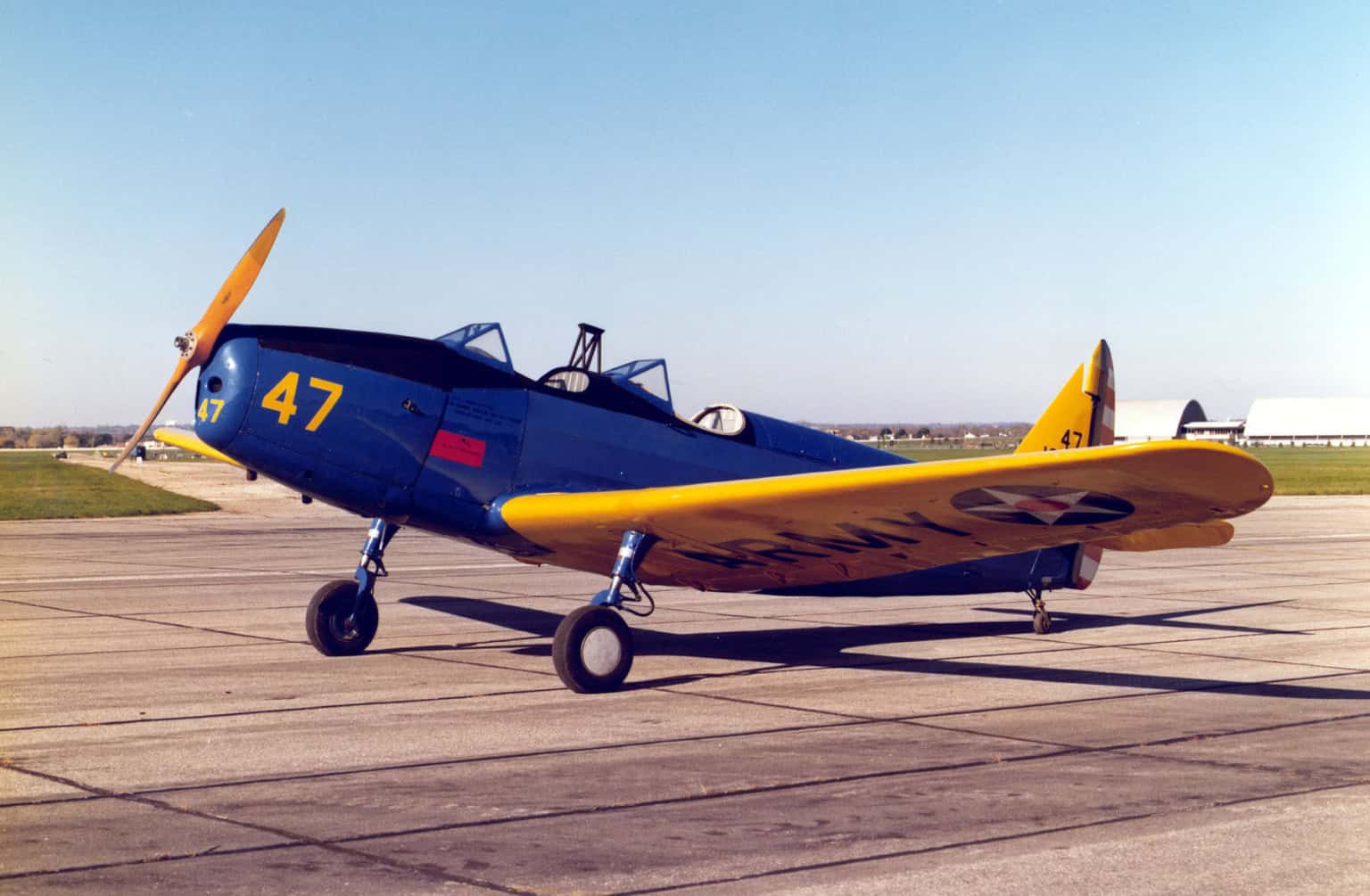

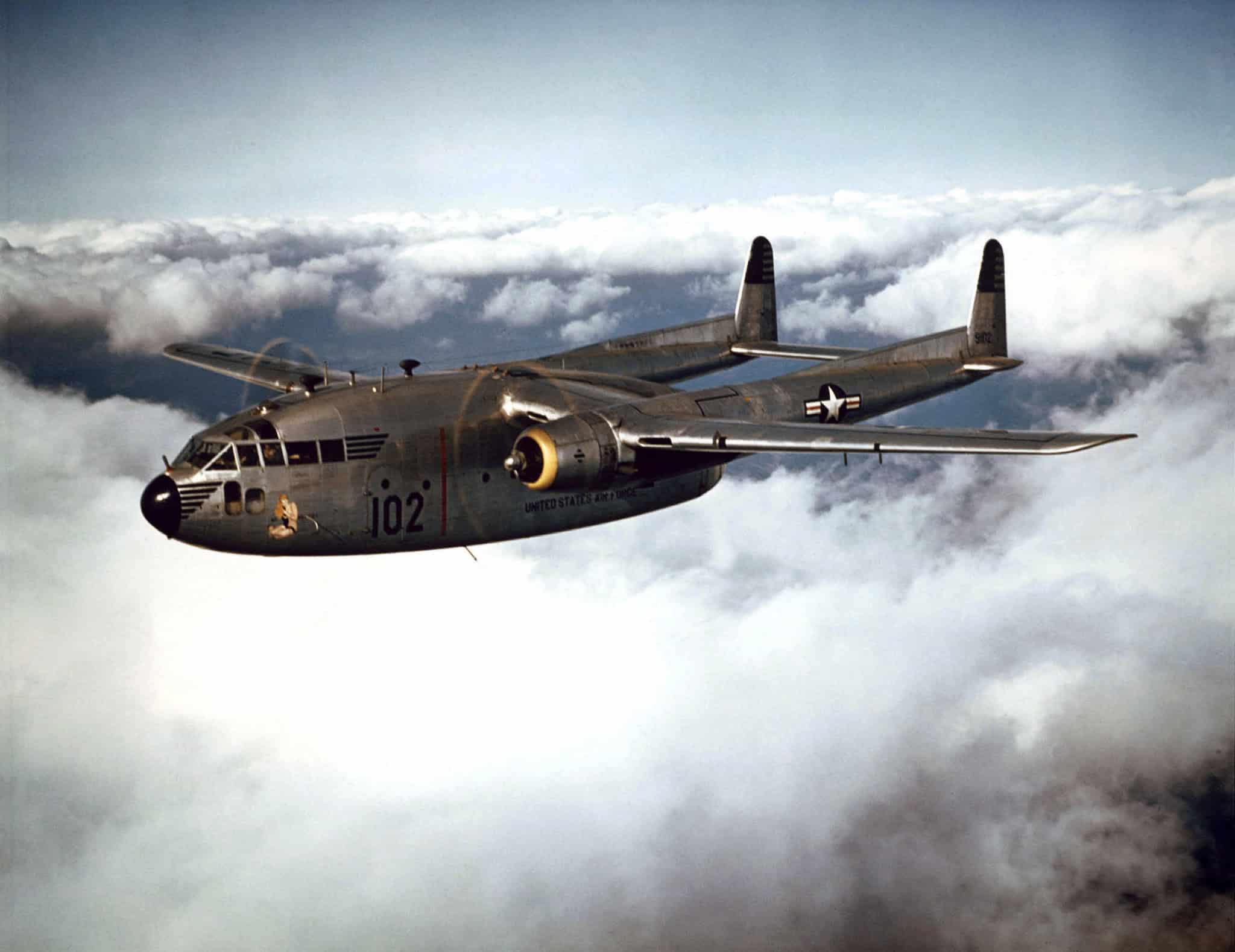

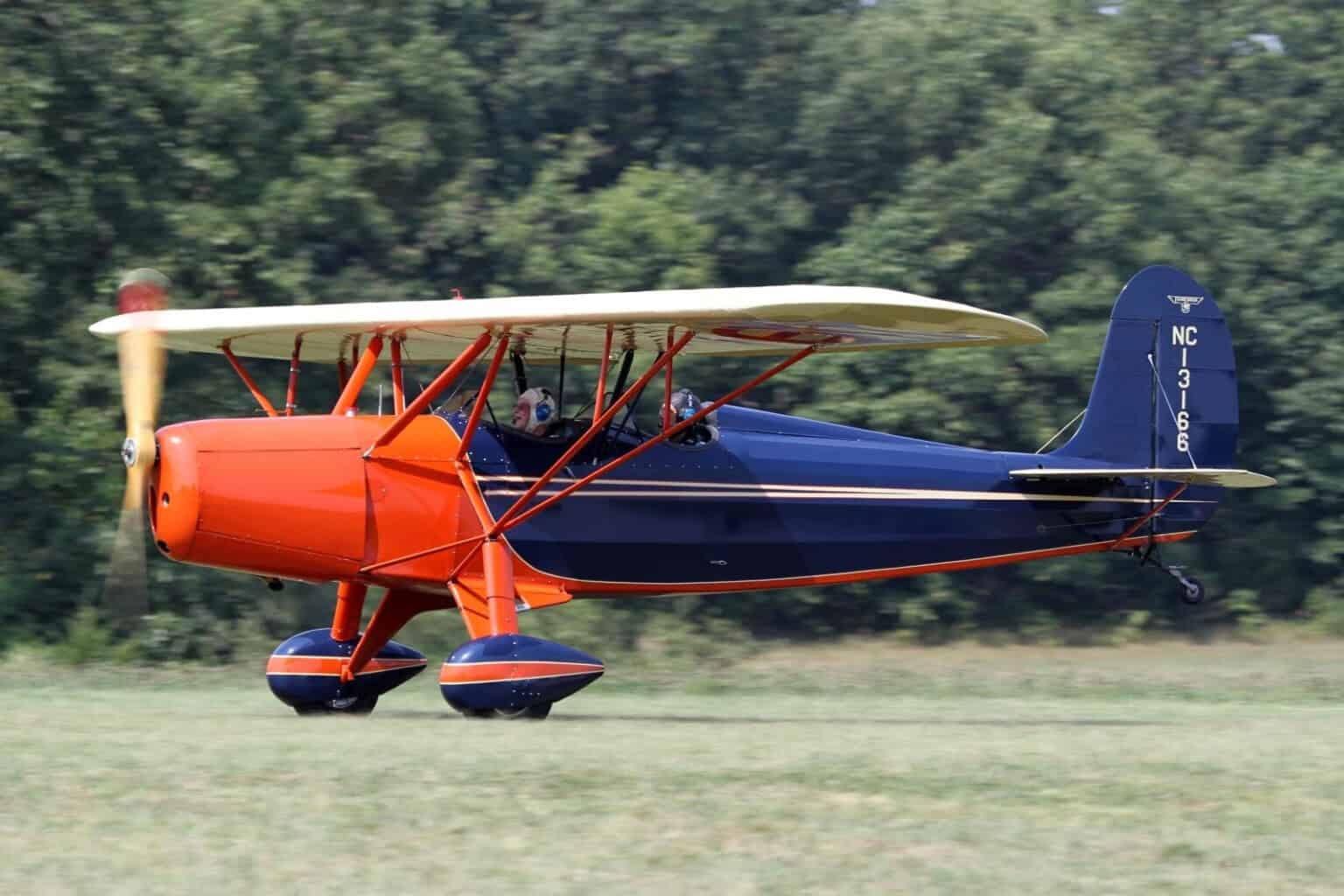
Fairchild was founded in 1924 by Sherman Fairchild, an aviation pioneer and entrepreneur. The company initially produced photographic equipment and early aircraft before expanding into military designs. Fairchild became a key supplier to the U.S. government, producing transport and training aircraft for prewar and wartime operations.
After several restructurings, Fairchild acquired major programs such as the Swearingen Metro series and developed aircraft like the A-10 Thunderbolt II in partnership with other contractors. The company later became Fairchild Aircraft, eventually merging into other aerospace groups, with its lineage today connected to M7 Aerospace and Textron.
Fairchild’s main headquarters and production facilities were located in Hagerstown, Maryland, which served as the center for its transport aircraft programs. Additional facilities operated in Texas and other U.S. states as the company expanded into commuter aircraft and postwar military development.
Major aircraft were produced in Hagerstown, including the C-119 and C-123. Later commuter aircraft such as the Metro and Merlin were built in San Antonio after Fairchild acquired Swearingen. These locations supported both military and civilian markets across several decades.
Fairchild produced military transports, trainers, reconnaissance aircraft, regional turboprops, and drones. The company also contributed to NASA and defense projects, manufacturing components and participating in major aerospace programs requiring advanced engineering and high-volume production capability.
During peak operations, especially in the 1950s and 1960s, Fairchild employed thousands of workers across multiple states. Its facilities played a major role in regional economies and supported large-scale government contracts requiring extensive industrial capacity.
Fairchild went through multiple mergers and reorganizations, eventually becoming Fairchild Aircraft. The company’s assets later passed through M7 Aerospace and ultimately became connected to Textron Aviation, which manages ongoing support for some legacy aircraft programs.
The most influential figure in the company’s development was founder Sherman Fairchild, whose financial backing and engineering vision established the company’s early success and long-term presence within the American aerospace sector.
Fairchild’s financial strength peaked during periods of large U.S. military procurement. Its production of major transports and commuter aircraft generated substantial revenue and positioned the company as a prominent mid-century aerospace manufacturer.
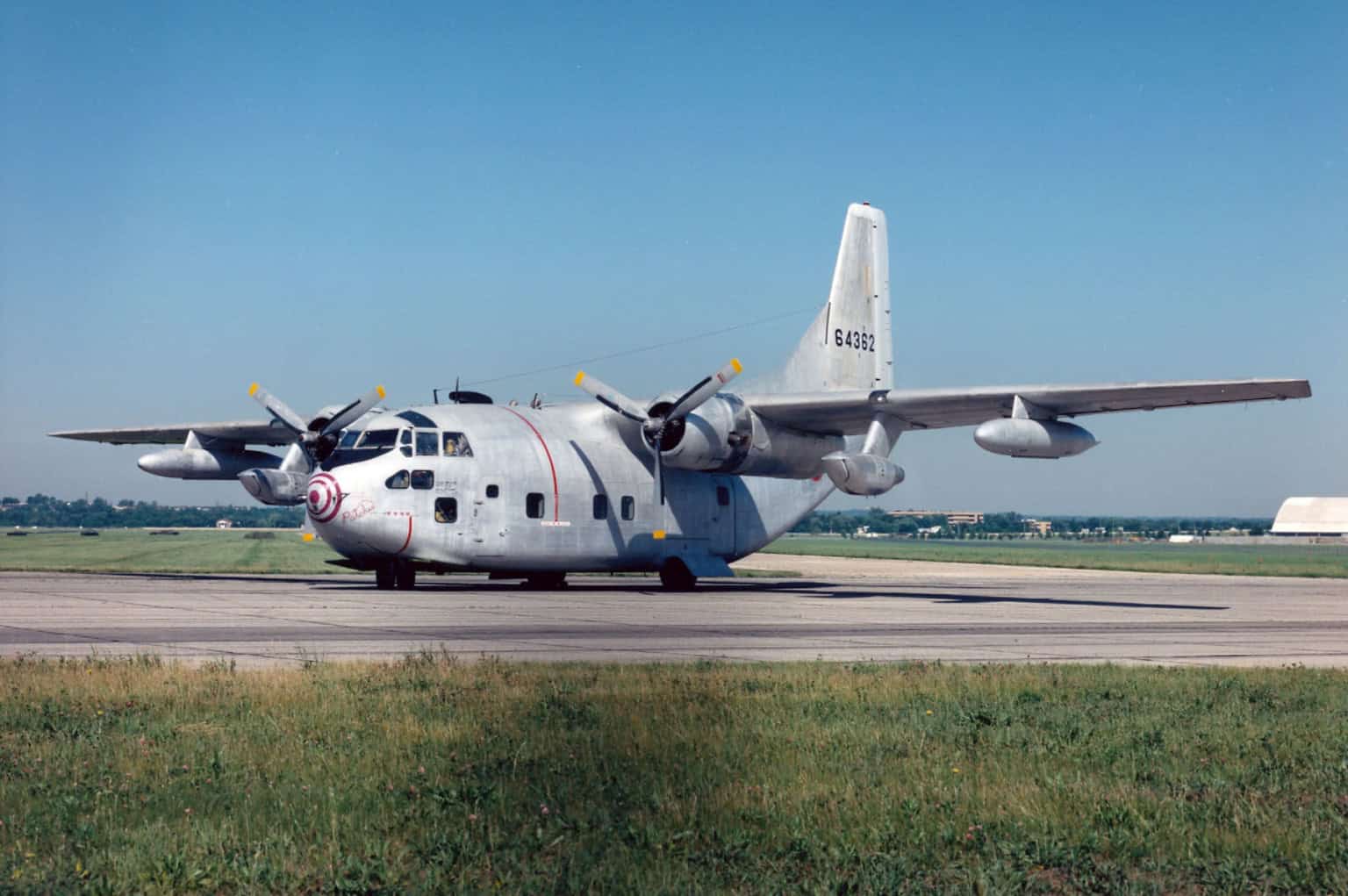
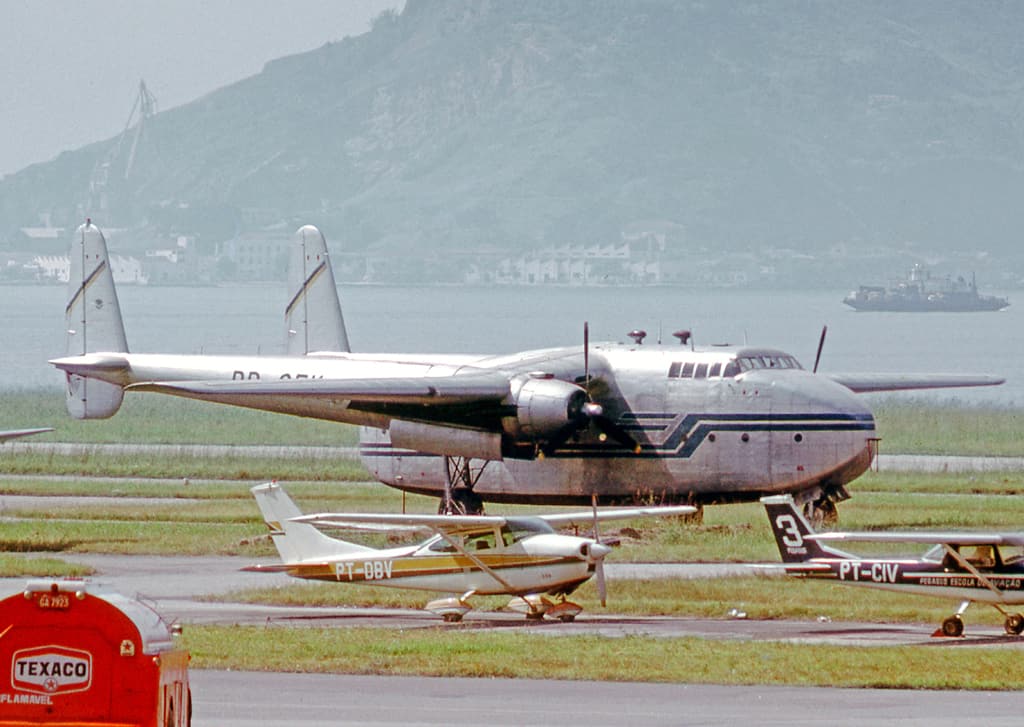
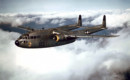
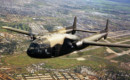
The C-119 became one of Fairchild’s most important aircraft, serving extensively in transport, paratroop, and supply missions. Its rugged twin-boom design made it a staple of U.S. military logistics during the postwar period.
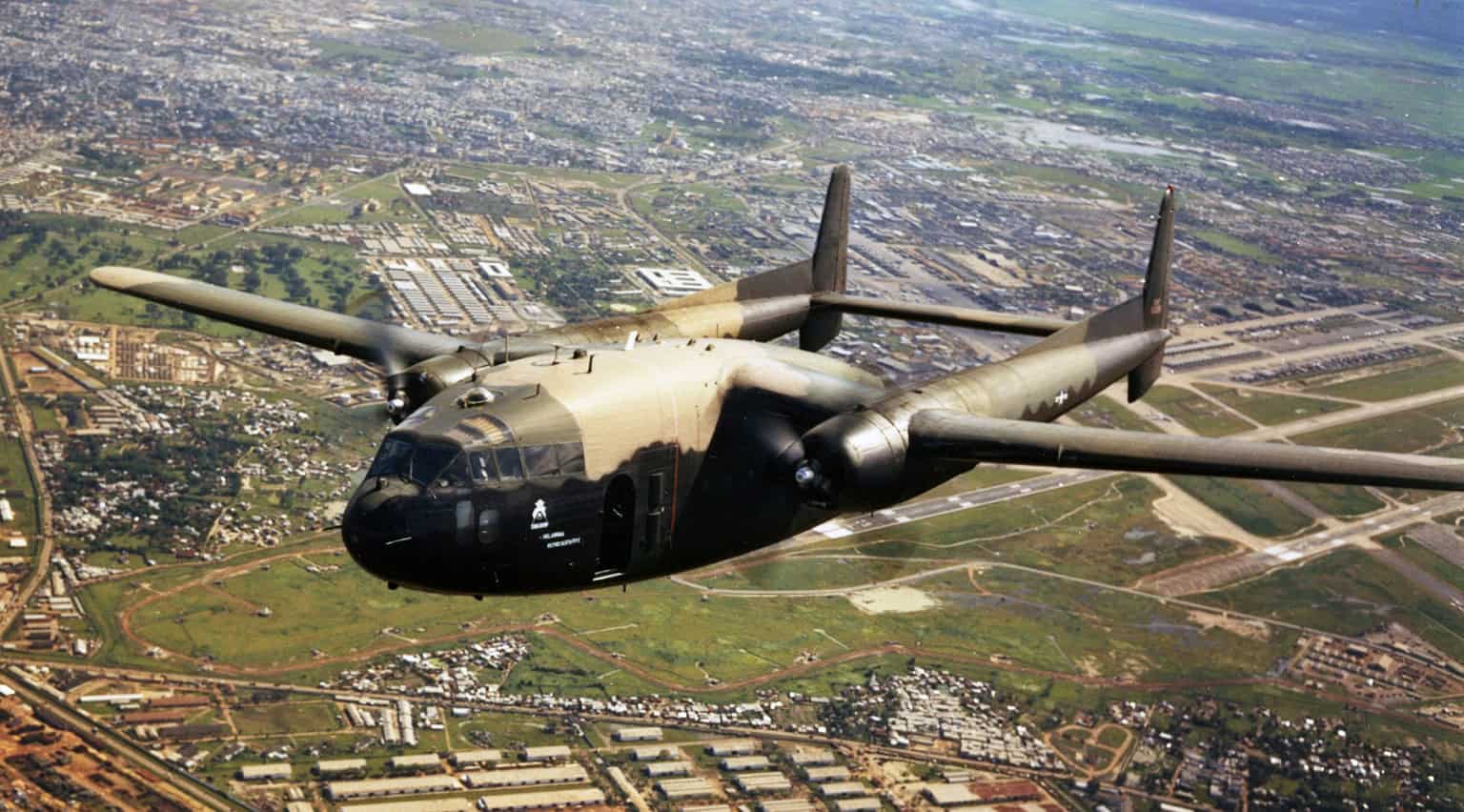
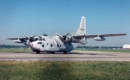
Adapted from a glider design, the C-123 became a versatile tactical transport widely used during the Vietnam War. It demonstrated Fairchild’s ability to turn unconventional concepts into successful operational aircraft.
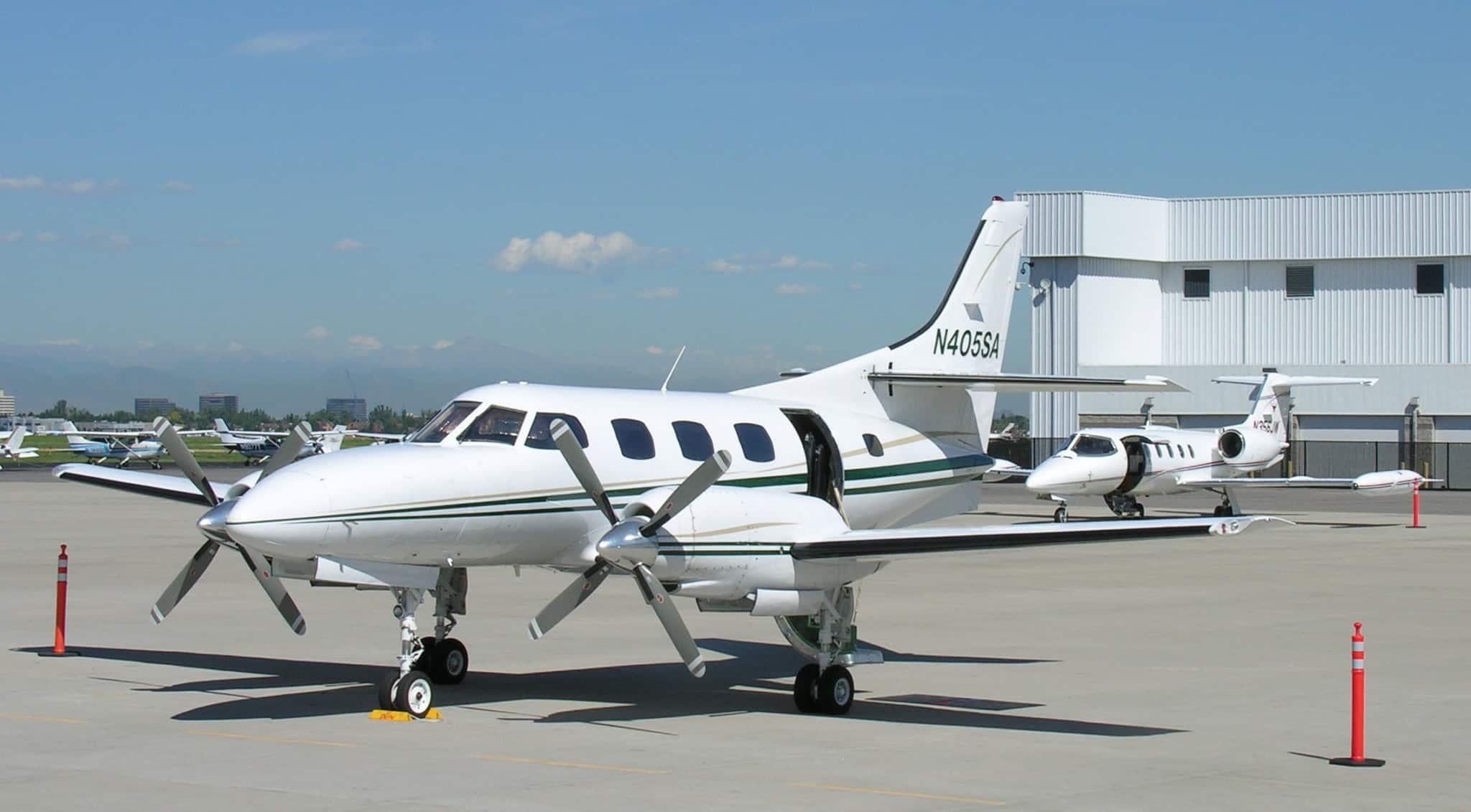
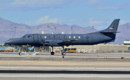
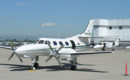
Fairchild’s purchase of Swearingen brought the Metro and Merlin turboprops into its lineup. These aircraft became popular commuter airliners and strengthened Fairchild’s position in the civilian regional aviation market.
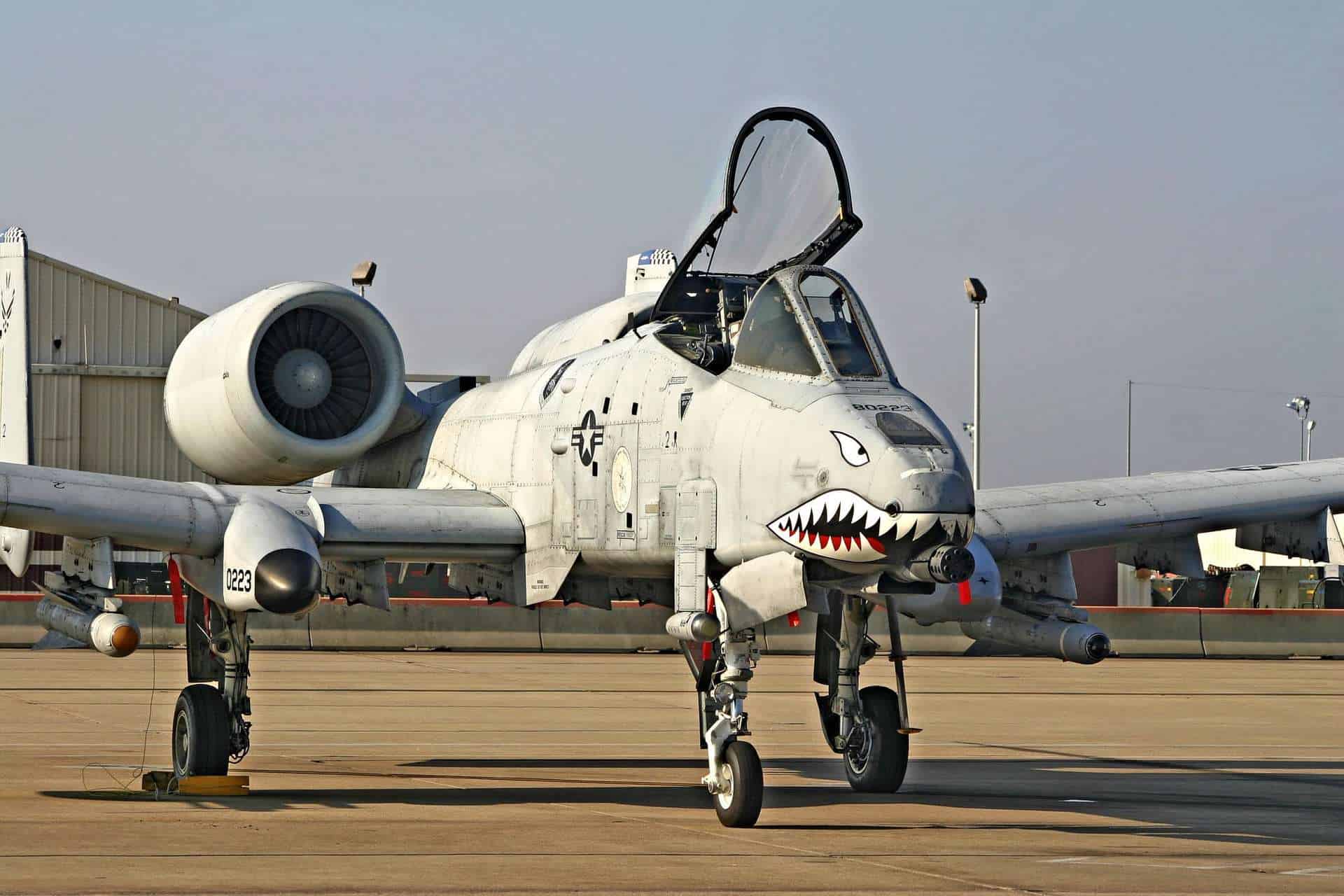
Fairchild was heavily involved in manufacturing the A-10, one of the most iconic close-air-support aircraft ever built. Its durable airframe and engineering expertise contributed significantly to the aircraft’s long operational success.