

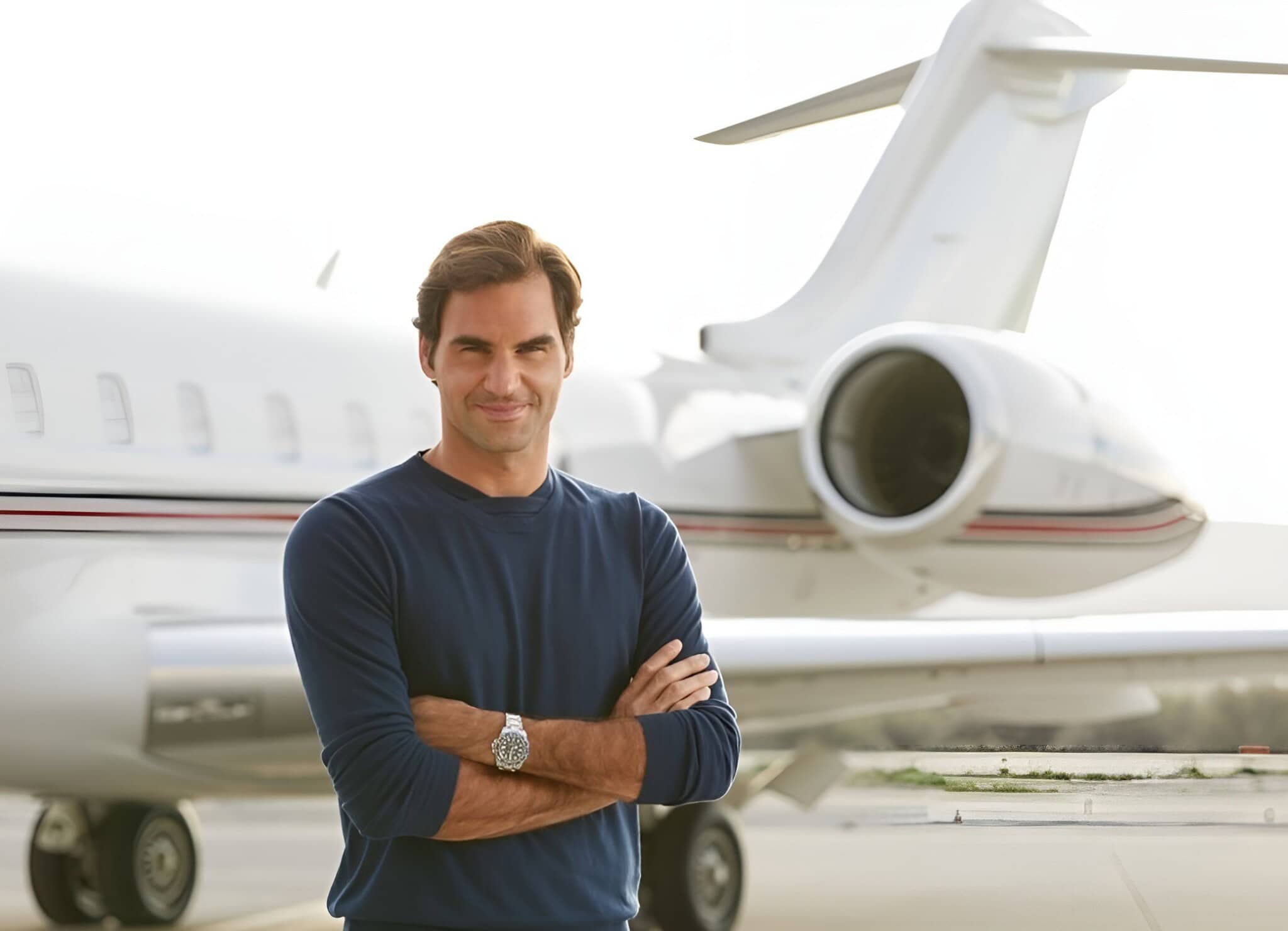
Table of Contents
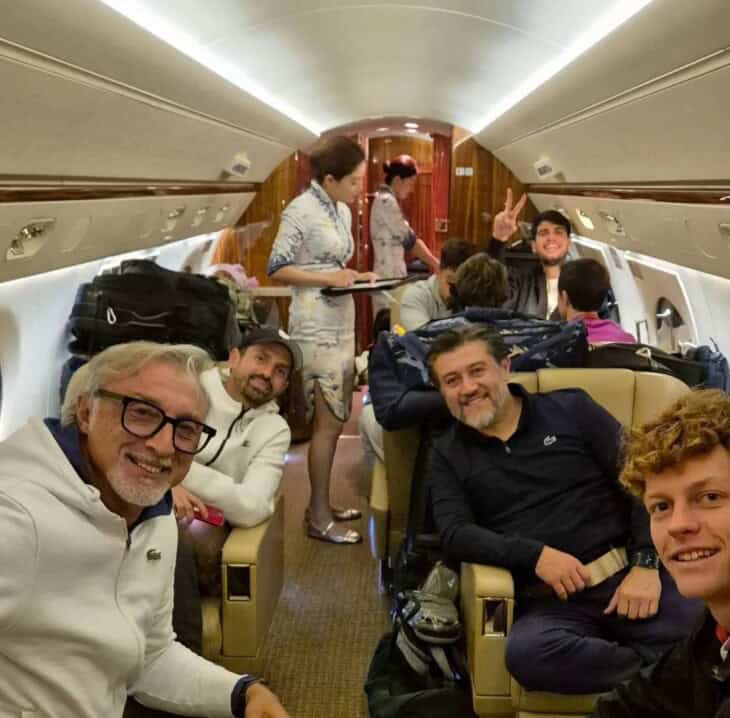
In October 2024, Carlos Alcaraz and Jannik Sinner spent three and a half hours trying to beat each other in the Beijing final. Two hours after it finished, they were sitting on the same chartered aircraft to Shanghai.
“We are fighting against each other, three-hour match, really close,” Alcaraz said afterwards. “And then two hours later, we are in the same plane, having some laughs, making jokes, talking about life.”
That flight is a fair summary of how tennis players with private jets travel. The sport flies privately at the top, hardly anyone owns the aircraft, and the biggest active name flies commercial by choice. This article covers every player with a documented jet, what the rest of the tour charters, and the one player who bought an airline.
Quick facts about tennis players and their private jets
Which Tennis Players Own a Private Jet
Outright ownership in tennis is rarer than in almost any comparable sport. Most of the names attached to private jets in press coverage are fractional shareholders, charter customers, or brand ambassadors.
| Player | Aircraft | Arrangement | Status |
|---|---|---|---|
| Ion Țiriac | Global 5000, G200, Phenom 300E, AW139 | Owns an airline | Confirmed, operator Țiriac Air |
| Rafael Nadal | Cessna Citation CJ2+ | Owned outright | Widely reported since 2010 |
| Roger Federer | Bombardier Challenger 350 | NetJets fractional share | Owner and ambassador since 2004 |
| Novak Djokovic | Bombardier Learjet 45 and others | Brand ambassador, charter | No confirmed ownership |
| Serena Williams | Gulfstream, model disputed | Reported | Never independently confirmed |
| Jannik Sinner | Hawker 400XP and similar | Charter | No ownership on record |
| Carlos Alcaraz | None | Commercial airlines | Declined a jet deal on the record |
Two patterns jump out of that table. Only one active singles player of the modern era is reliably reported to have bought an aircraft outright, and the man with the largest fleet stopped playing in 1979.
A note on sourcing
Celebrity jet coverage in tennis is unusually thin. Registrations get copied from one outlet to another without anyone checking a civil register, and values are frequently list prices for a new airframe rather than what was paid for a used one. Where a claim rests on secondary reporting alone, this article says so rather than presenting it as fact.
Rafael Nadal: The Cessna Federer Talked Him Into
Nadal is the clearest case of outright ownership among modern singles players, and the story of how he got there is the best anecdote in tennis aviation.
In 2010 he tried to book an economy seat to Federer’s Match for Africa and could not get one. Federer offered him a lift on his own aircraft instead.
Nadal bought a Cessna Citation CJ2+ shortly afterwards, reportedly for around $5 million, specifically so that it would not happen again.

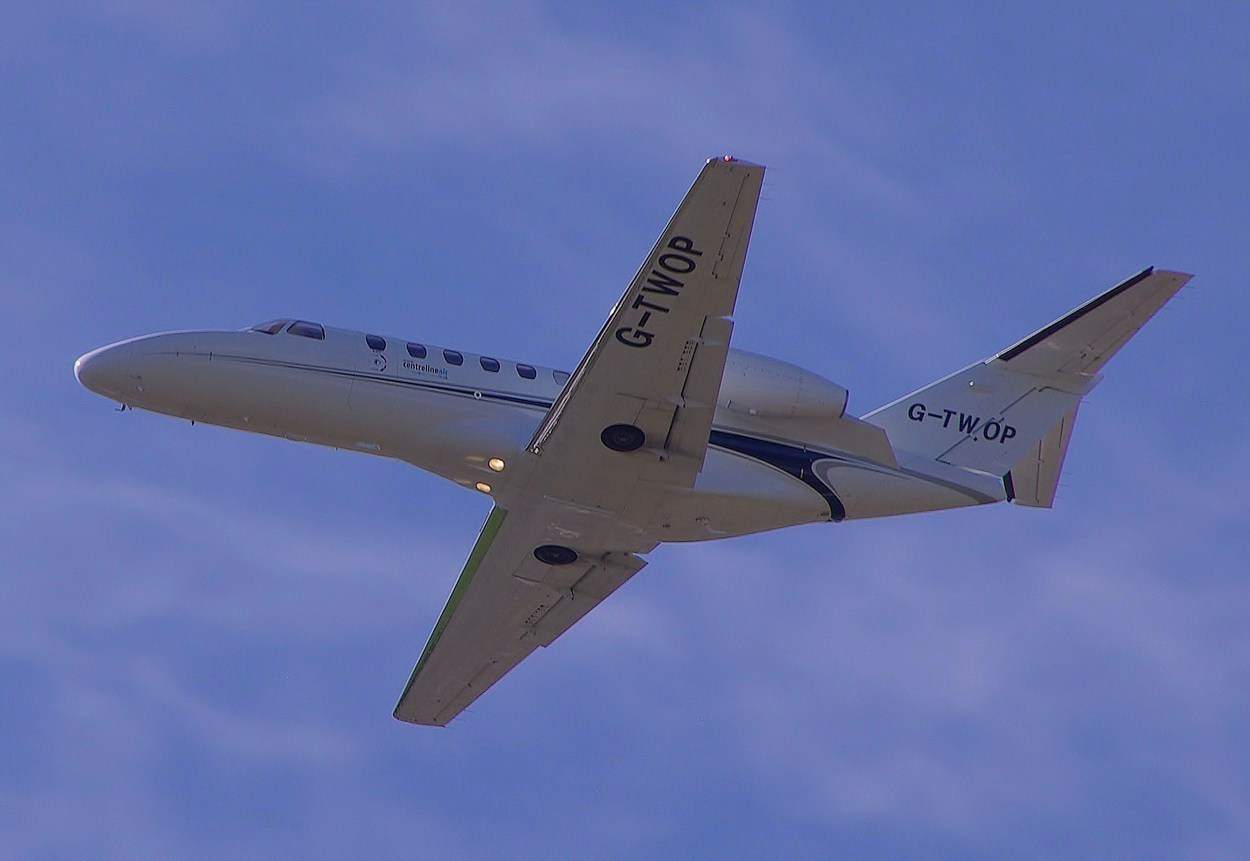


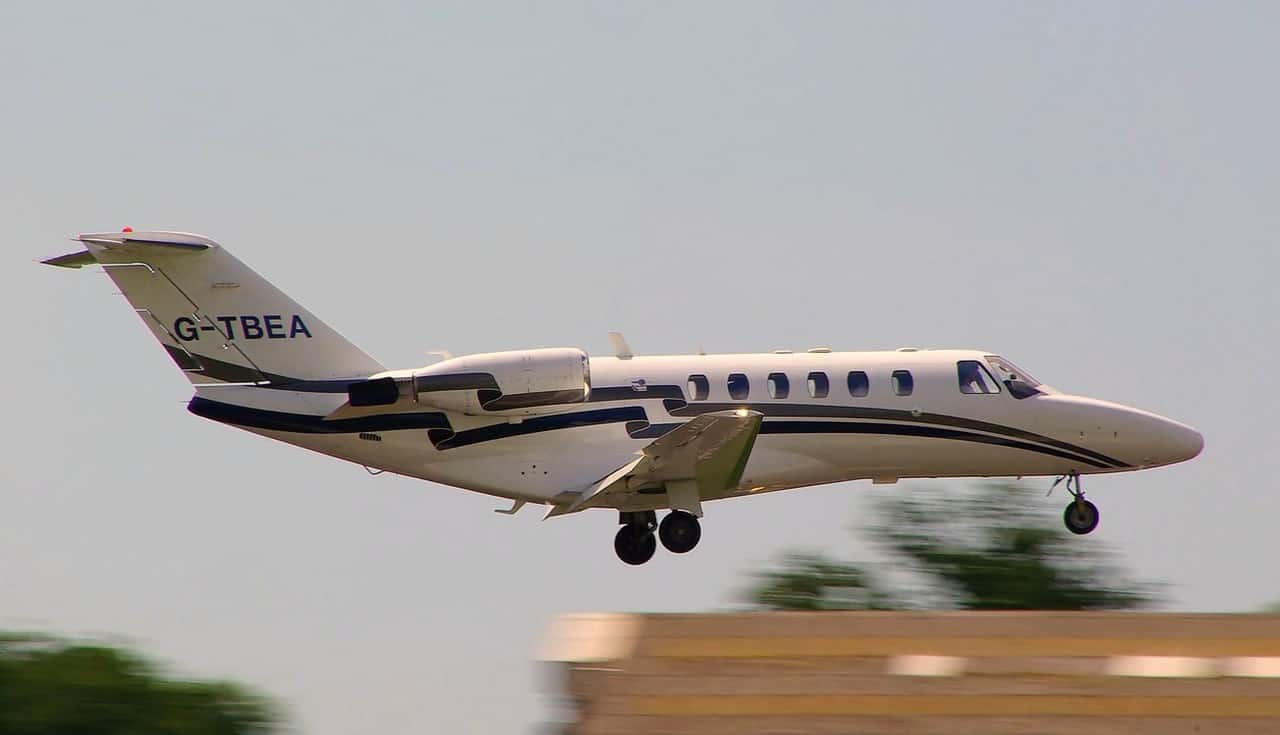

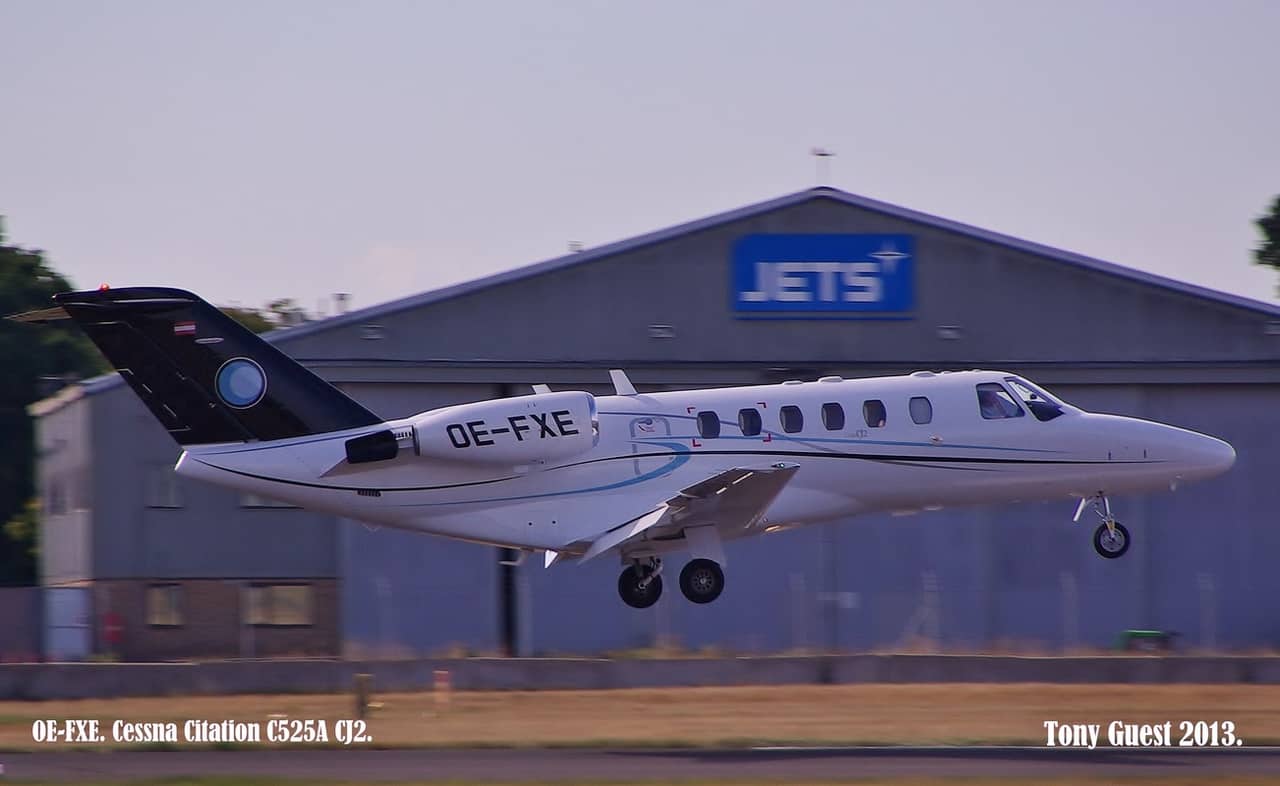

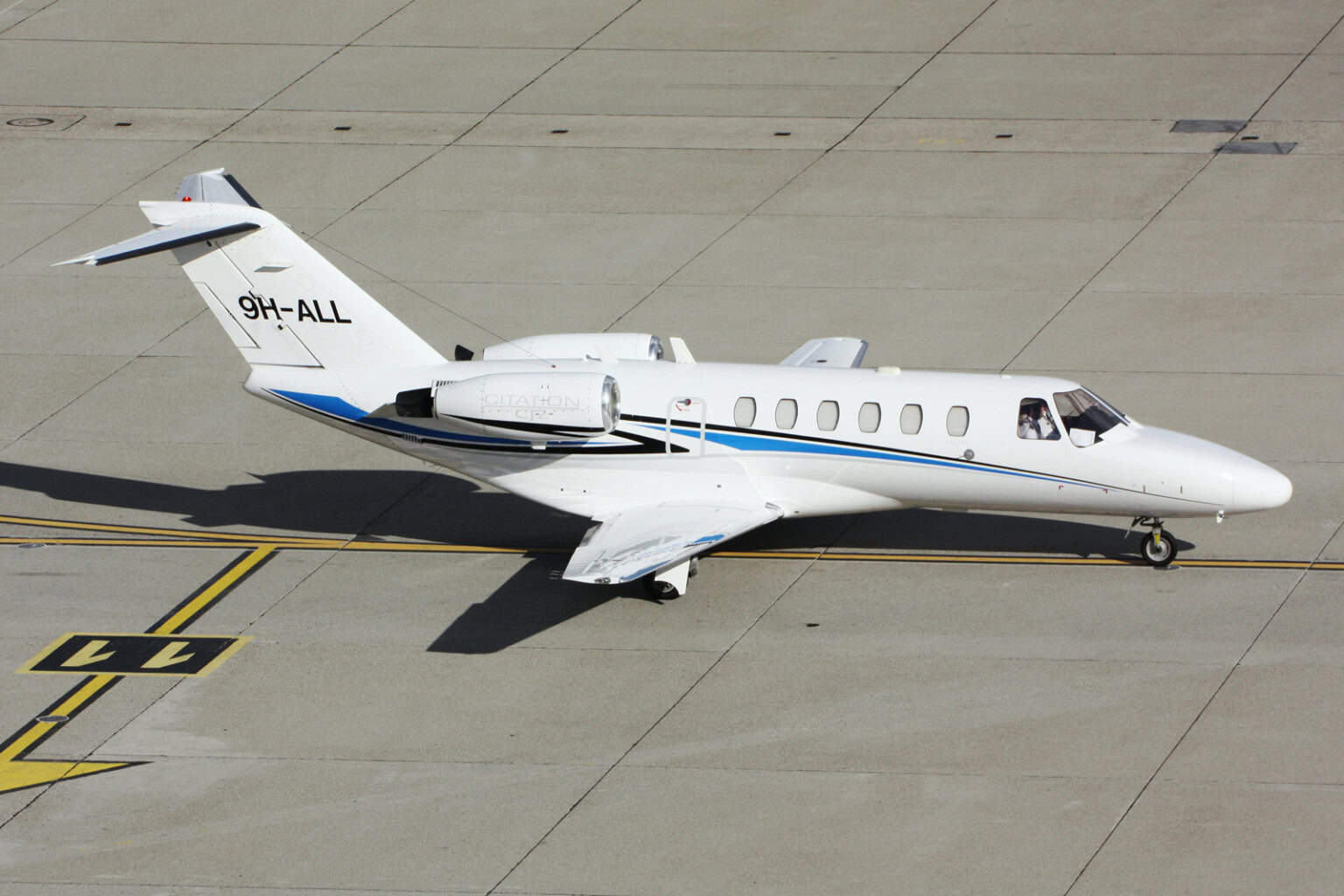


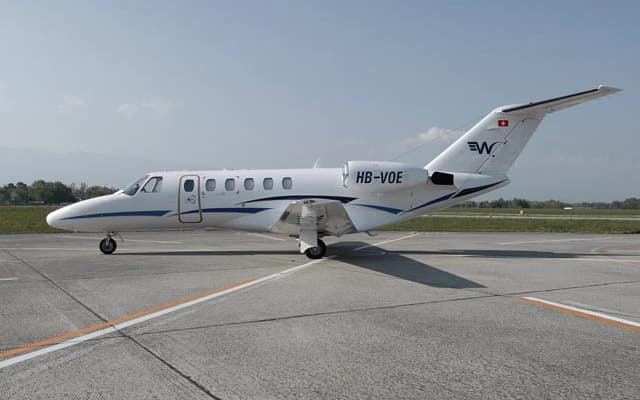
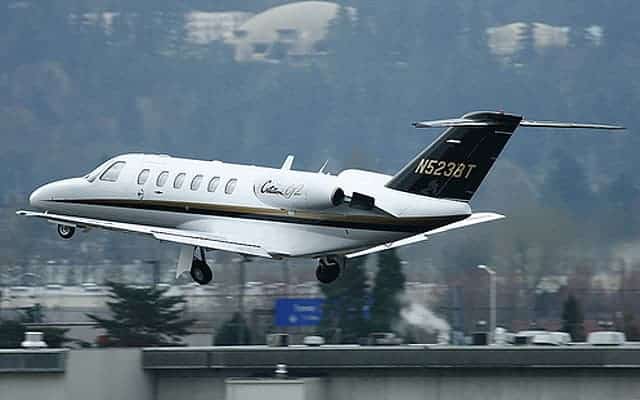

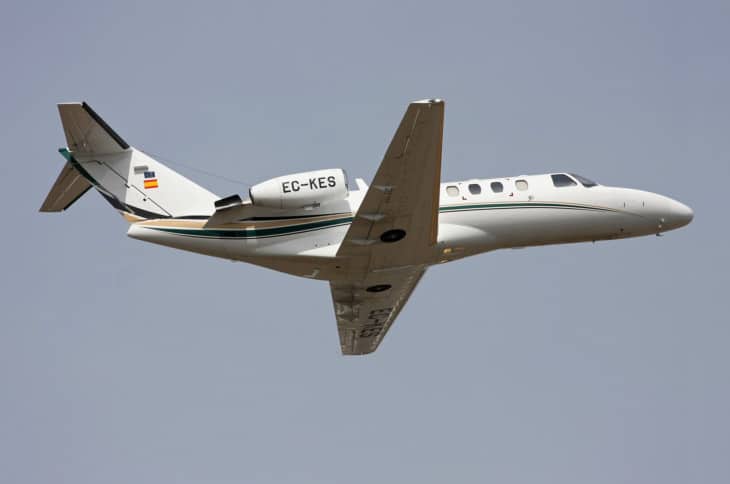
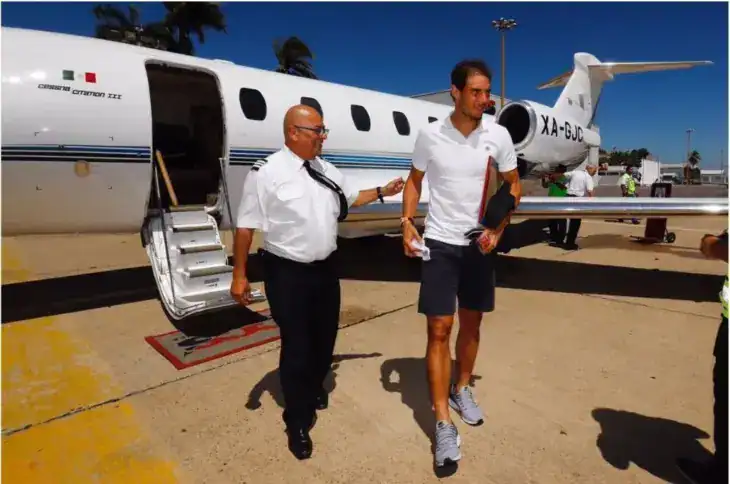
The choice is more interesting than the purchase. The CJ2+ is a light jet, one of the smallest aircraft any global sports star has bought, and it was built in genuinely small numbers.
With about 1,613 nautical miles of range it cannot cross the Atlantic. It is an aircraft for hopping between European tournaments and getting home to Mallorca, which is most of what a clay-court specialist’s calendar actually requires.
Running costs are reported at roughly $300,000 a year, which is modest by business aviation standards and a fraction of what a large-cabin jet demands.
The lift keeps getting passed on
Nadal has repeatedly given other players rides in the Citation. After beating Viktor Troicki in the Mercedes Cup final, he flew him to London for the following week’s grass-court event. Troicki thanked him publicly on social media. That is the pattern across the tour: an aircraft with empty seats and a rival heading to the same tournament is an offer that costs the owner almost nothing.
Roger Federer: The Jet Owner Who Never Bought a Jet
Federer is described as a private jet owner more often than any other tennis player, and the description is technically true in a way most coverage does not explain.
He has worked with NetJets since 2004 as both a fractional Owner and a brand ambassador. Fractional ownership means buying a share of a specific airframe, typically one sixteenth, which entitles the holder to a set number of flight hours a year across the operator’s whole fleet.
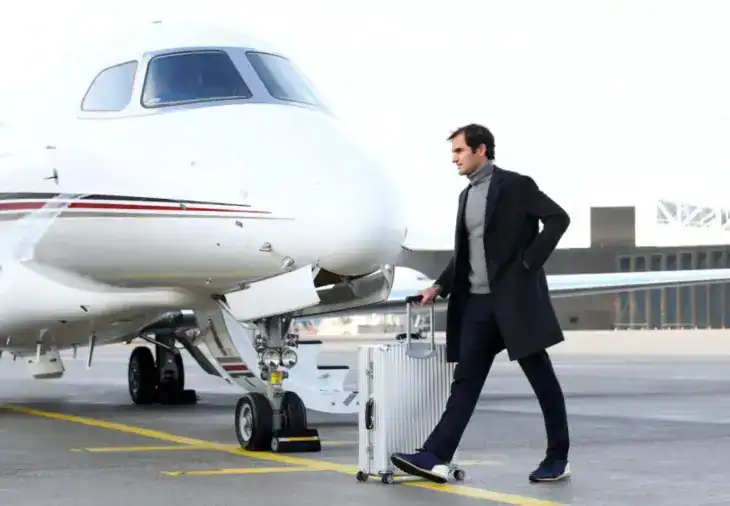
The aircraft most associated with him is the Bombardier Challenger 350, a super-midsize jet reported to carry his RF logo and a stylised racket on the fuselage.


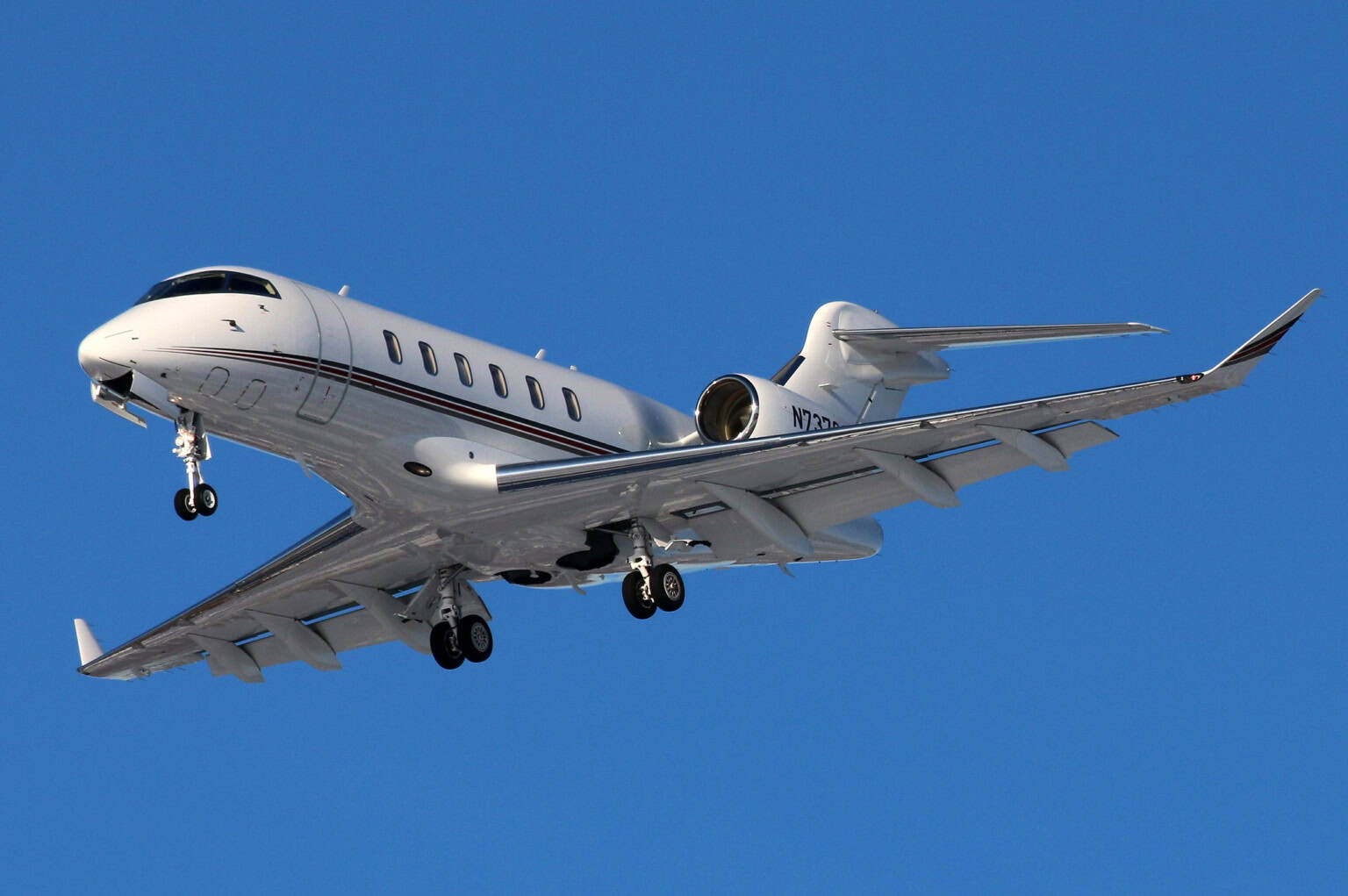

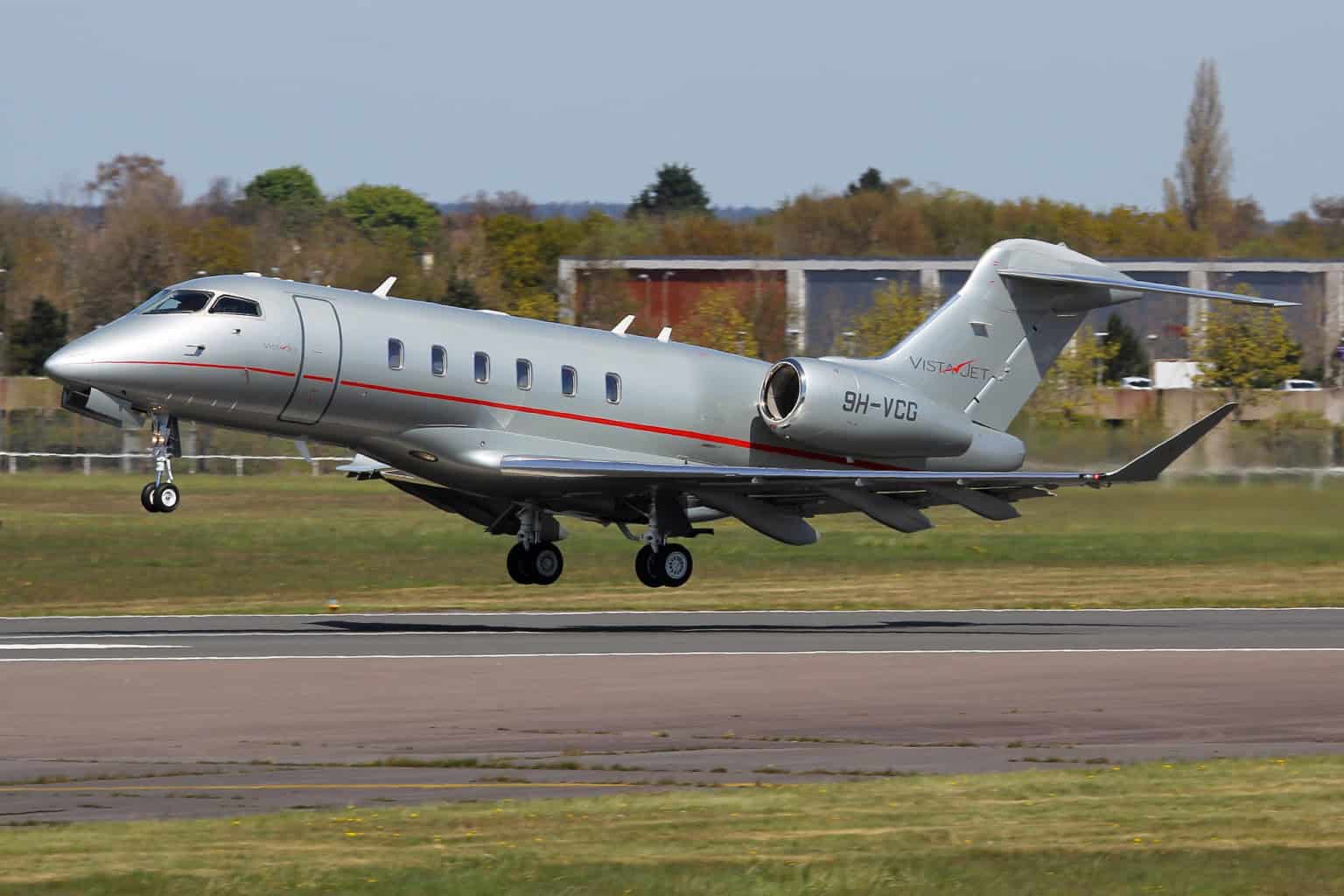


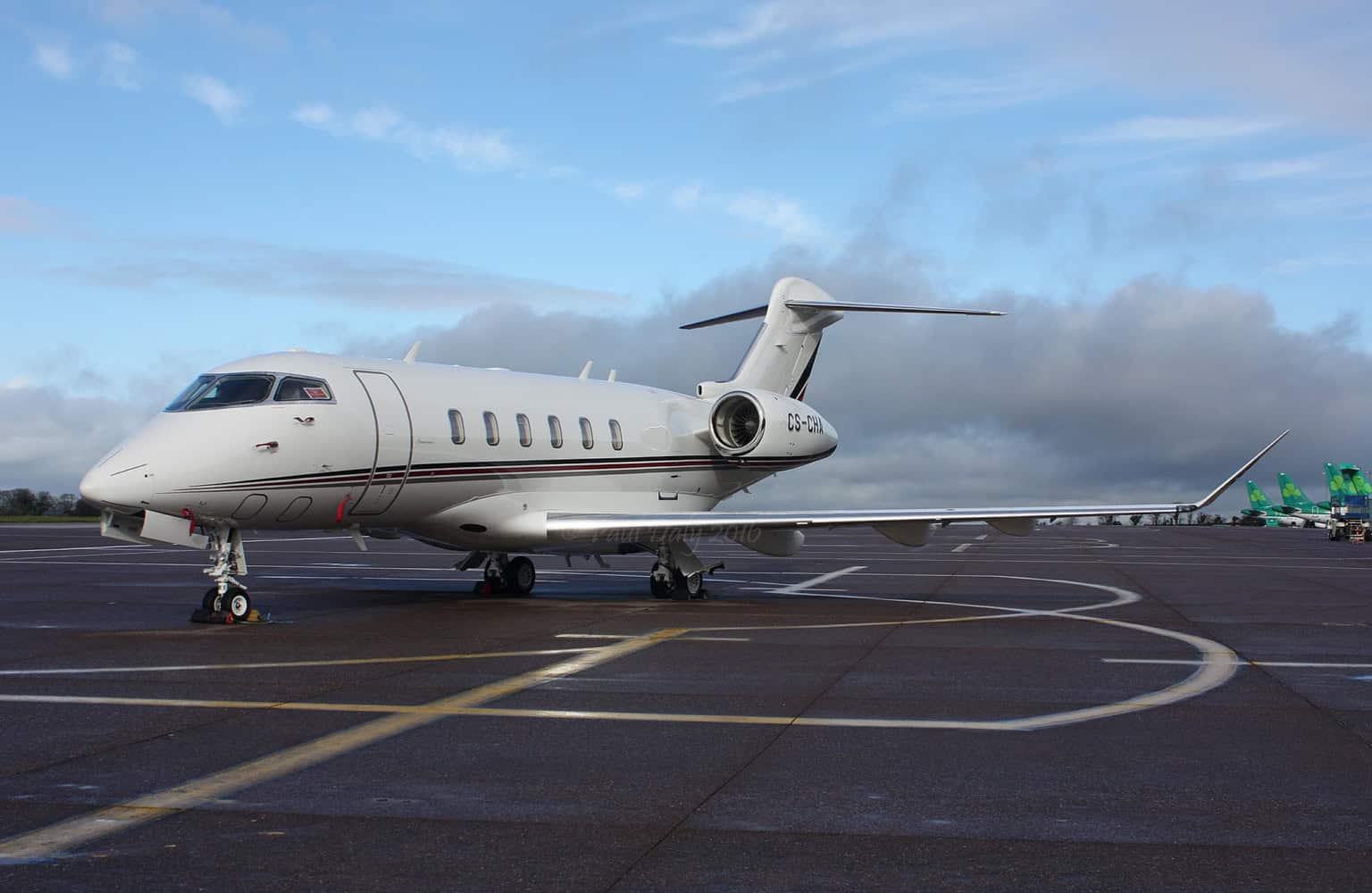


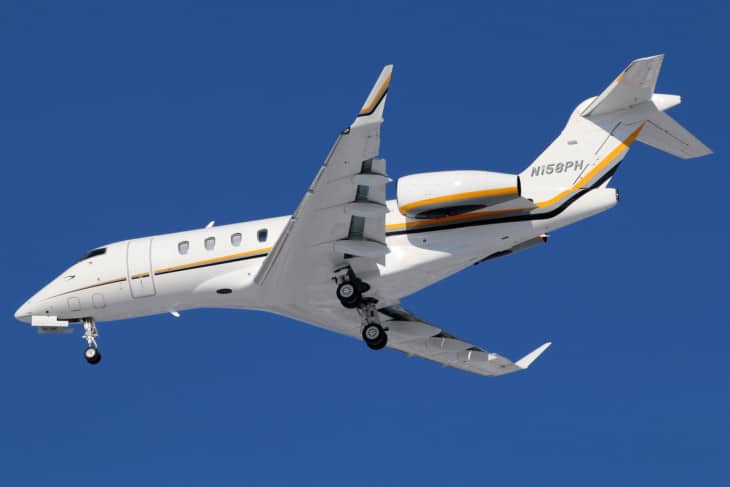
The registration HB-JTI appears across most write-ups of Federer’s aircraft. It is worth treating carefully: AeroCorner could not confirm it against public Swiss civil register records, and the entry appears to originate from a single secondary source that later coverage copied.
Performance
Powerplant
Arrangement
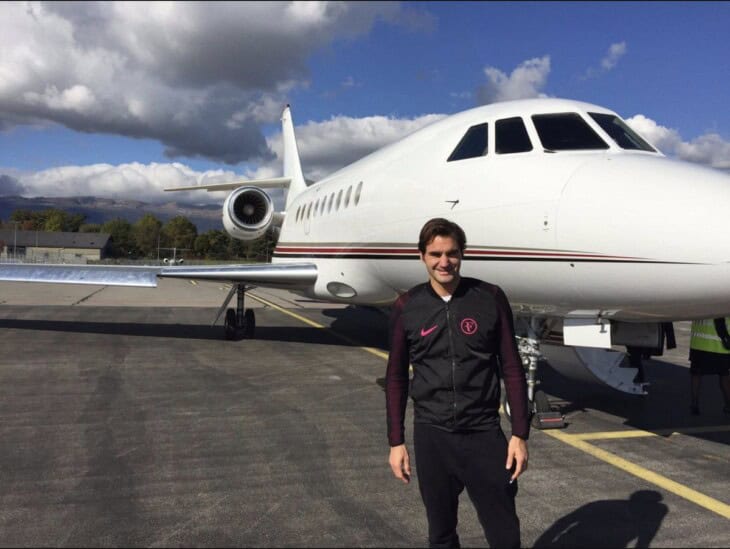
For longer legs Federer has been photographed on a Bombardier Global Express XRS, an ultra-long-range aircraft with a master suite and separate living zones, booked on demand through the same operator.
That two-aircraft pattern is the real advantage of a fractional programme. A shareholder is not stuck with the jet they bought into, and can take a light jet to Basel one week and a widebody-cabin aircraft to Melbourne the next.
What a fractional share actually costs
A one sixteenth share in a super-midsize jet such as the Challenger 350 buys roughly 50 occupied flight hours a year. Industry pricing puts the entry cost somewhere between $500,000 and $800,000 for the share itself, plus a monthly management fee that can run past $20,000 before a single hour is flown, and an occupied hourly rate on top. The share is also an asset: it is sold back at the end of the contract at market value.
Novak Djokovic: 200 Hours a Year and a Manufacturer Deal
Djokovic has flown privately since roughly 2007 and is the only player who has given a detailed aviation interview about it.
Speaking to Business Jet Traveler, he put his annual flight time at about 200 hours and named the Learjet 45 as his usual aircraft, flying as a Bombardier brand ambassador.
The Learjet offers me lots of comfort, efficiency, and performance, and it’s suitable to my style of life.

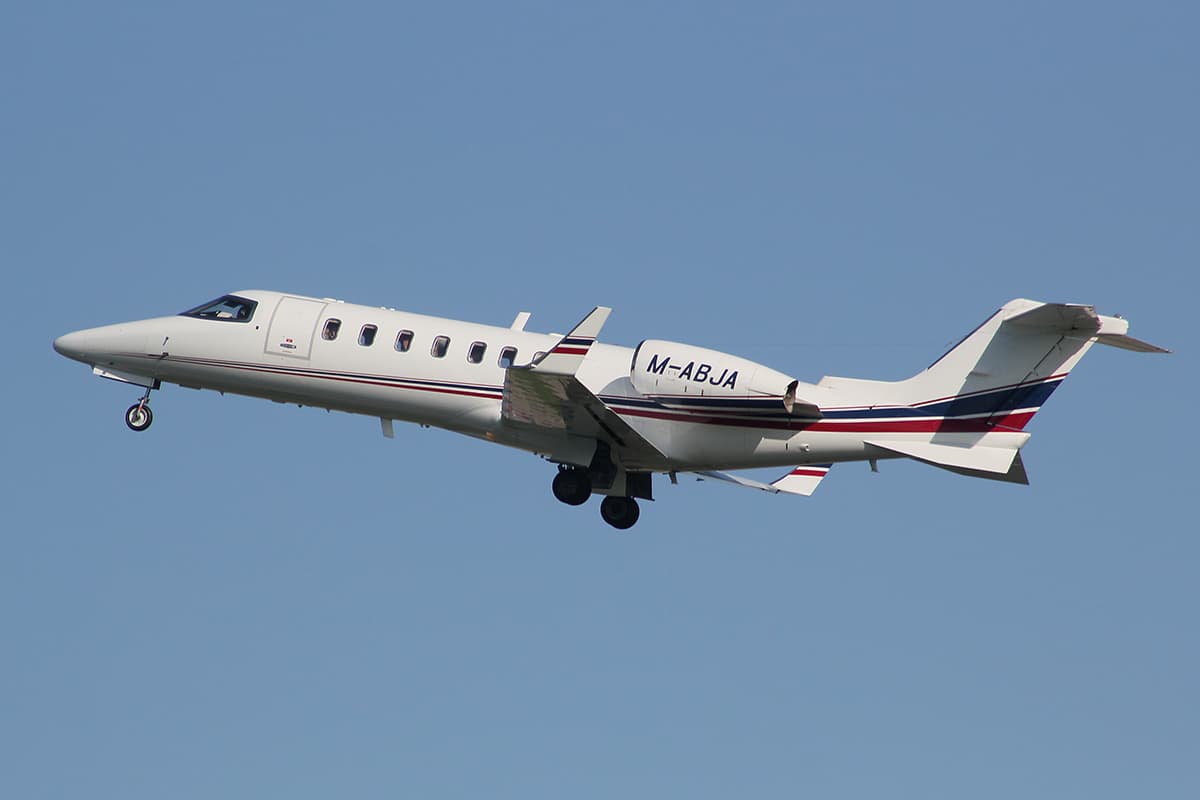

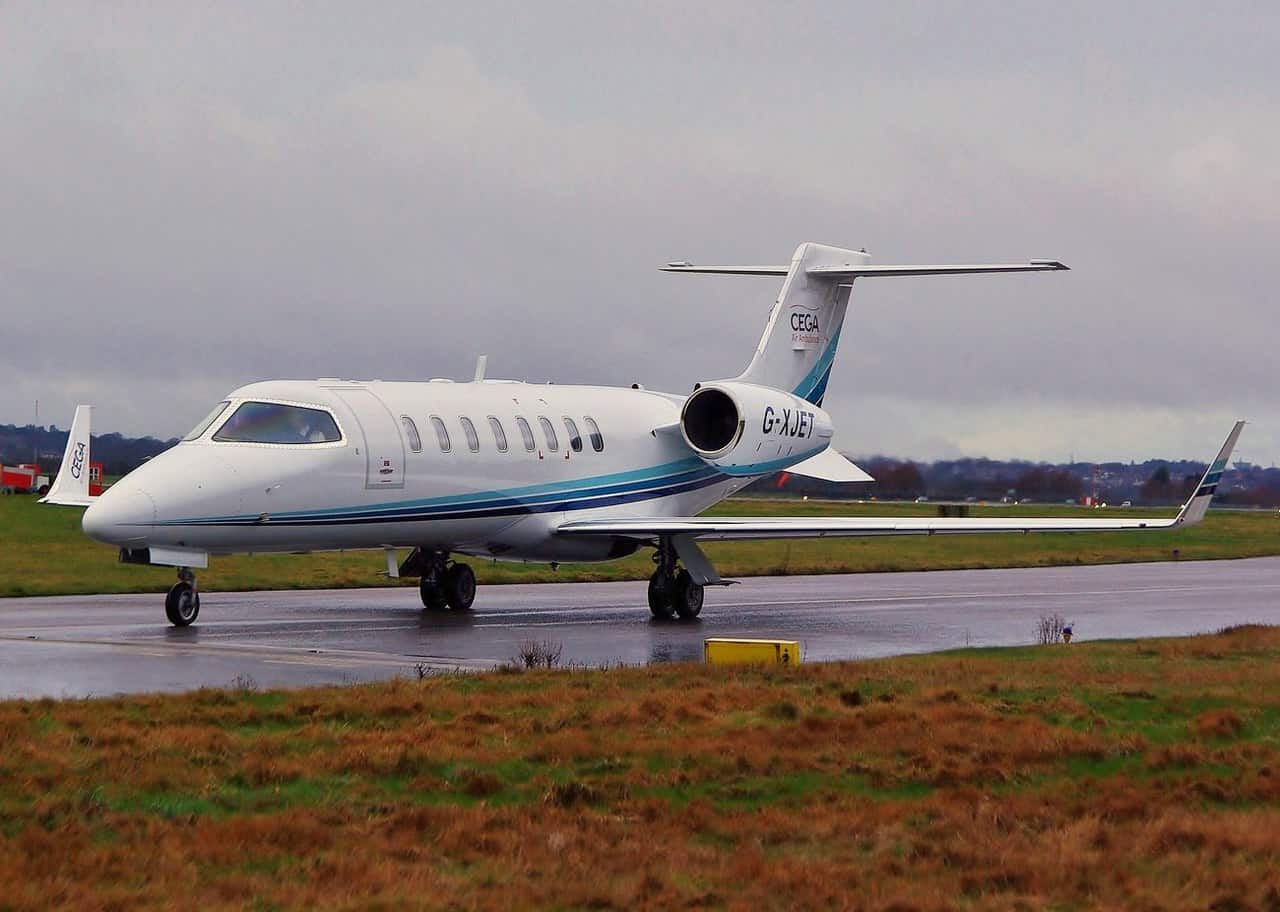

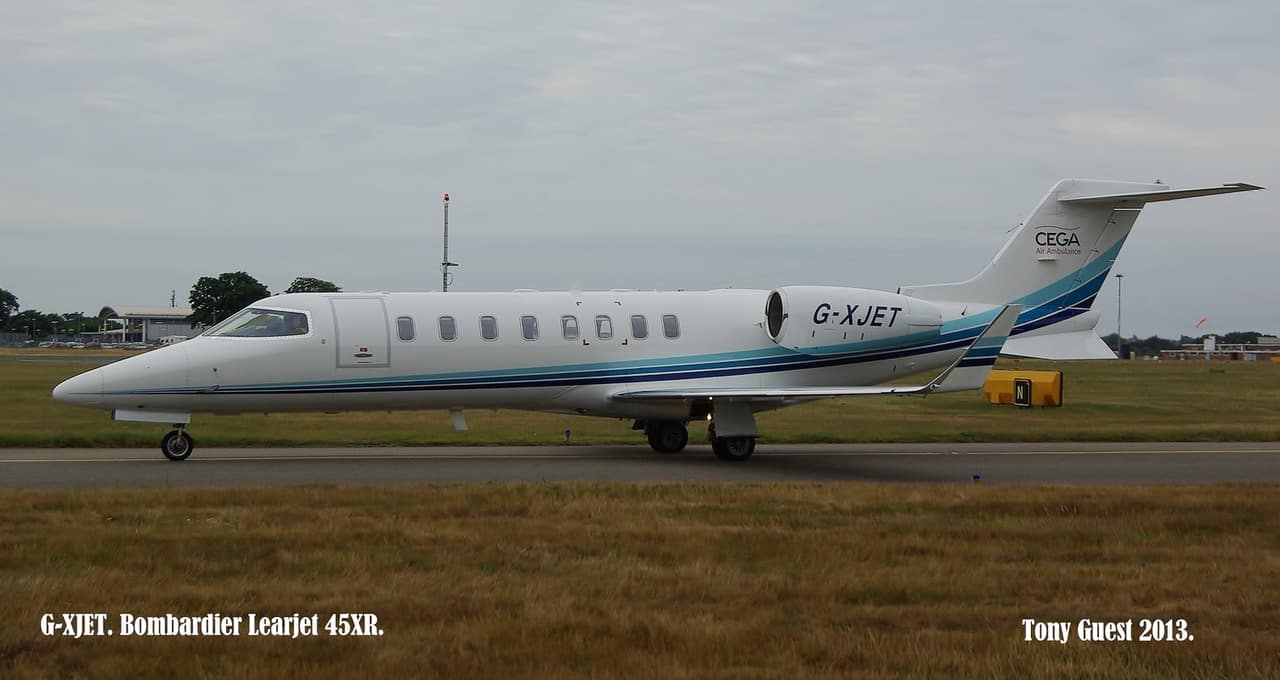

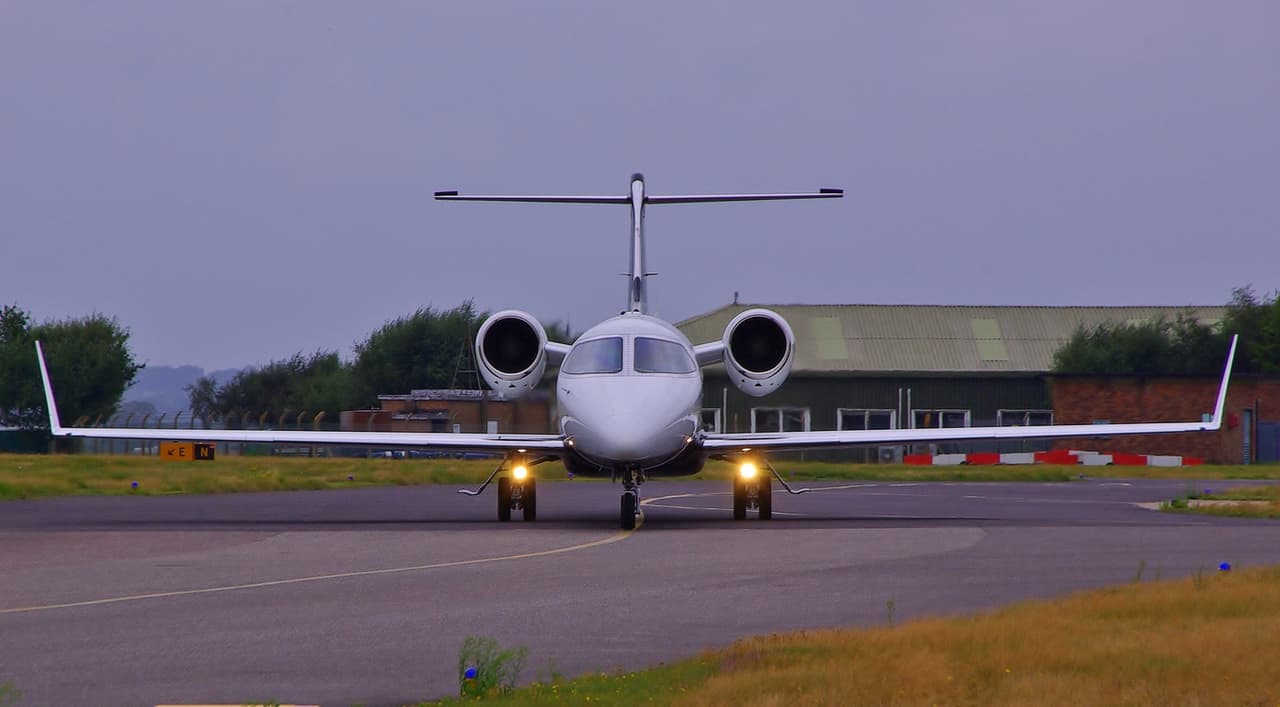
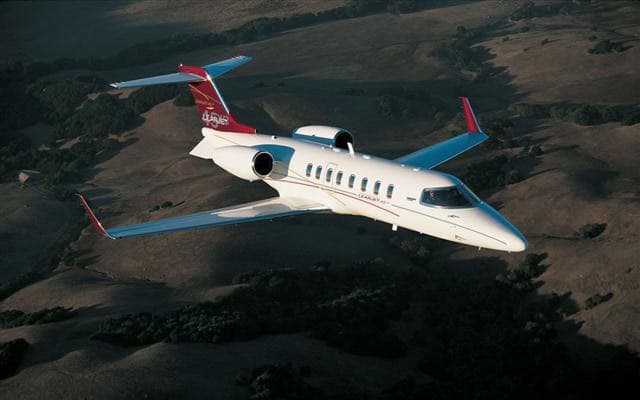
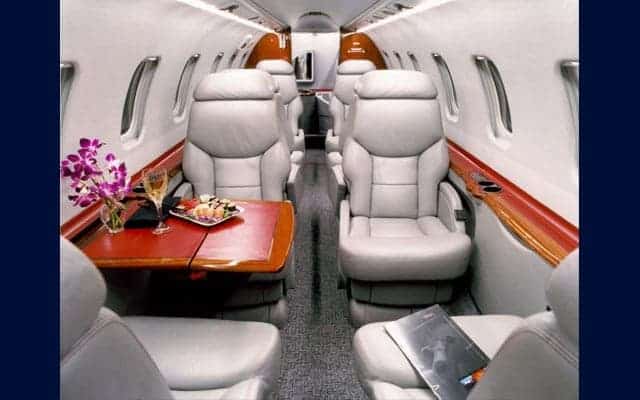
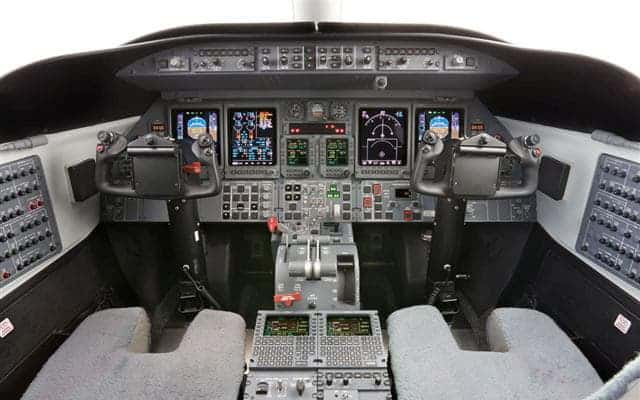
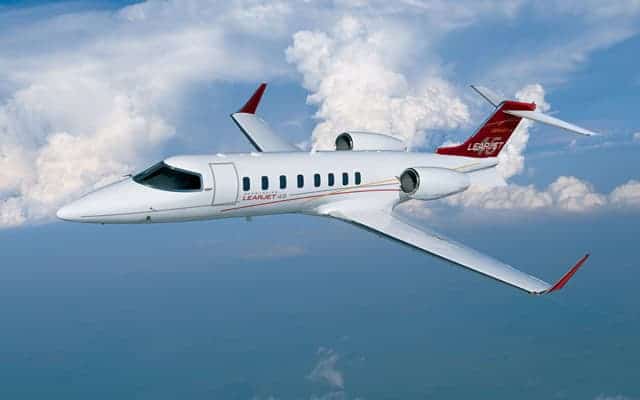
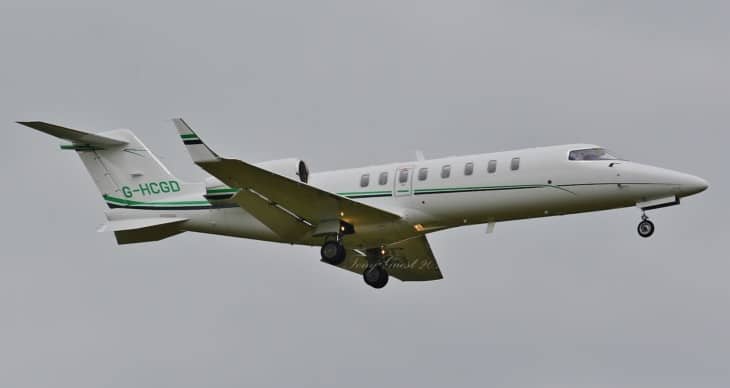
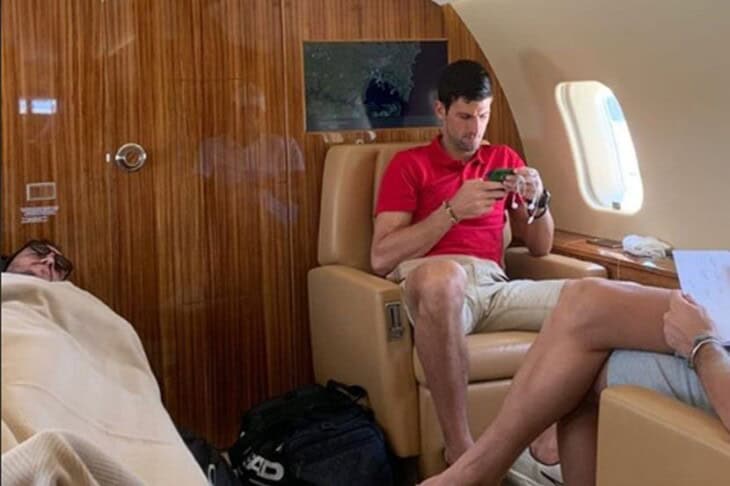
He has also been widely linked to a Gulfstream G650 and to NetJets from around 2015. Neither claim comes with a registration or a bill of sale, and both are best read as charter and fractional access rather than title.
Two hundred hours a year is a genuinely high figure for an individual. It is also, as the economics section below explains, right at the boundary where buying an aircraft starts to make financial sense.
Djokovic travels with his team and a toy poodle named Pierre, which he cited as one reason a private cabin works better than an airline seat.
Ion Țiriac: The Only Tennis Player Who Owns an Airline
Every sport has one figure whose aviation involvement dwarfs everyone else’s. In Formula 1 it is Niki Lauda. In tennis it is Ion Țiriac, and almost nobody outside Romania knows it.
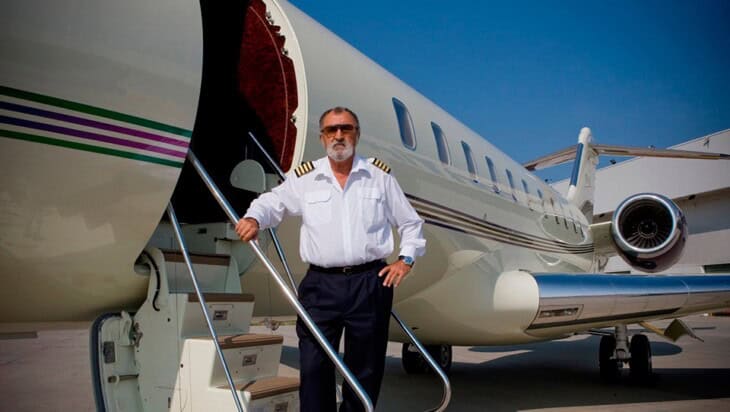
Țiriac won the 1970 French Open men’s doubles alongside Ilie Năstase and entered the International Tennis Hall of Fame in 2013. He then became one of Romania’s wealthiest people through banking, insurance and car dealerships.
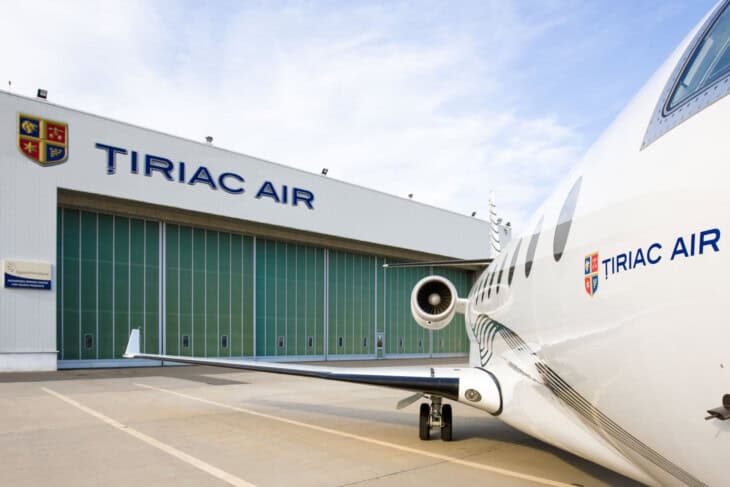
In 1997 he founded Țiriac Air, a corporate charter operator based at Henri Coandă International Airport outside Bucharest. It holds Romanian air operator certificate RO-005 and uses the callsign TIRIAC AIR.
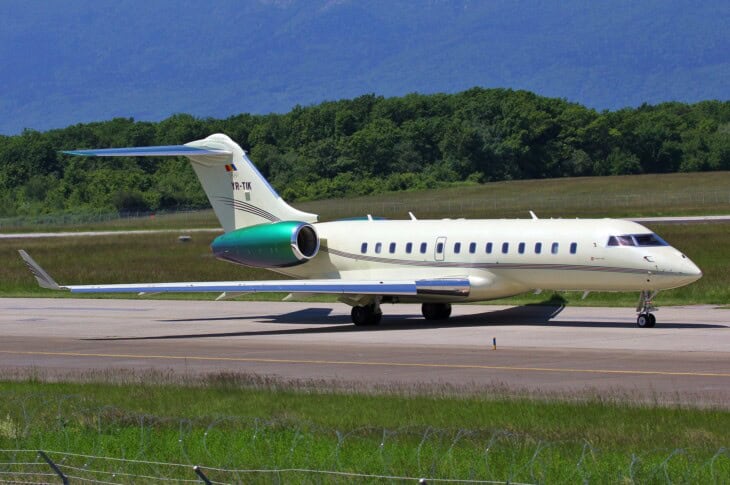
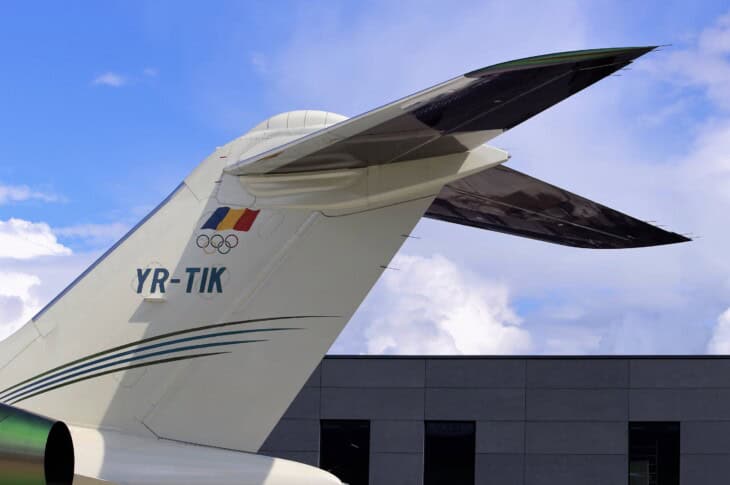
The Bombardier Global 5000 at the top of that fleet is a serious aircraft, capable of roughly 5,200 nautical miles and comfortably out-ranging anything else in this article.
Țiriac Air is also the only Romanian operator with its own VIP terminal and hangar, and it runs an EASA Part 145 maintenance facility for Agusta helicopters. That is an infrastructure business, not a rich man’s hangar.
The fleet has contracted recently. Țiriac Air retired its Embraer Phenom 300E and Gulfstream G200 equipment, leaving the Global 5000 and the AW139 as the core of the operation as of late 2024.
Player, promoter, then operator
Țiriac’s aviation business grew out of his tennis business rather than the other way round. He managed Guillermo Vilas and Boris Becker, promoted tournaments including the Madrid Open, and needed to move players, sponsors and equipment around Europe on short notice. Owning the aircraft and the terminal was a logistics decision first. It is the same logic that took Niki Lauda from a race seat to an airline: the travel demand came first, and the company followed.
What the Rest of the Tour Actually Flies
Below the handful of owners, professional tennis runs almost entirely on chartered and shared aircraft, and a surprising share of those flights are arranged by somebody other than the player.
| Player or group | Aircraft | Route | Arranged by |
|---|---|---|---|
| Alcaraz and Sinner | Chartered Boeing 737 | Beijing to Shanghai | Shared charter, October 2024 |
| Medvedev, Tsitsipas, Kyrgios | Shared charter jet | Washington to Montreal | Tournament organisers |
| Jannik Sinner | Hawker Beechcraft 400XP | Nice to Rome Ciampino | Charter, May 2025 |
| Jannik Sinner | Private charter | London Northolt to Bolzano | Charter, July 2025 |
| Rafael Nadal and Viktor Troicki | Cessna Citation CJ2+ | Stuttgart to London | Nadal’s own aircraft |
| Carlos Alcaraz | Commercial airline | Madrid to Philadelphia to Cincinnati | Scheduled service |
The Washington to Montreal flight is the most revealing line in that table. Daniil Medvedev, Stefanos Tsitsipas and Nick Kyrgios were put on a shared jet by the tournament, not by their own management.
Medvedev later described the flight as fairly quiet, with each player staying with his own team. Rivals sharing a cabin is normal enough in tennis that it barely registers as a story.
Why tournaments buy the seats
The gap between the Washington final on Sunday and first-round play in Montreal on Monday is too tight for scheduled airline connections. Rather than risk headline players arriving late or withdrawing, the tournaments charter aircraft and fill them. It is cheaper than losing a marquee name from the draw, and it explains why several players who own nothing still never see an airport queue.
Carlos Alcaraz Turned the Jet Down
The most interesting player in any discussion of tennis private jets is the one who does not use them.
Alcaraz was reportedly offered a private jet arrangement to simplify his tournament travel and declined it. He has since confirmed on the record that he does not fly private.
Asked how he had reached the Cincinnati Open, he described flying Madrid to Philadelphia, then Philadelphia to Cincinnati, on scheduled airlines. He has also been caught out by ordinary airport problems, including lost luggage at Rotterdam.
This is not poverty. Alcaraz signed for a fully customised Sunreef ULTIMA 88 yacht in March 2026, so the money is clearly there.
It is a preference, and it matters for the wider picture. When the sport’s biggest active draw travels by airline, the assumption that elite tennis runs on private aviation stops holding up.
Why So Few Tennis Players Buy the Aircraft
The obvious explanation, that they cannot afford it, does not survive contact with the prize money. A top-five player earns enough in a strong season to buy a used light jet outright.
The real answer is utilisation combined with geography. Business aviation economics start favouring ownership somewhere above roughly 200 to 250 flight hours a year, once crew, hangarage, maintenance, insurance and depreciation are counted.
Tennis has a punishing calendar, but a large share of it is intercontinental. Melbourne, New York, Paris and Shanghai are legs that a light jet cannot fly and a large-cabin jet flies at enormous cost.
The arithmetic that keeps players renting
A used Citation CJ2+ costs roughly $3 million to $5 million to buy and around $300,000 a year to keep flying before a single hour is logged. That works if the flying is short European hops. Buy the aircraft that can actually reach Melbourne and the annual fixed cost multiplies several times over, for a machine that sits idle during the long stretches a player spends at one tournament. Chartering the big jet twice a year and the small one weekly is simply cheaper.
There is a second factor that does not apply in other sports. A tennis player spends a week or more at each tournament, so the aircraft would be parked and paying hangar fees for most of the season.
Compare that with a driver flying in and out of a race weekend, or a touring musician moving every second night. That is why fractional programmes and on-demand air charter suit tennis better than a hangar and a flight department.
It is also why so many player flights are repositioning legs at short notice, the same market dynamic behind private jet empty leg flights.
The Origin Story: How Tennis Learned to Fly Privately
Private aviation arrived in tennis late compared with motorsport and boxing, and it arrived through the business side of the sport rather than the players.
1970
Ion Țiriac wins the French Open men’s doubles. Partnered with Ilie Năstase, he builds the profile that later turns him into a player manager, tournament promoter and eventually one of Romania’s wealthiest businessmen.
1997
Țiriac Air is founded. A corporate charter operator at Henri Coandă International Airport near Bucharest, built to move players, sponsors and equipment. It becomes the only Romanian operator with its own VIP terminal and hangar.
2004
Roger Federer signs with NetJets. He becomes both a fractional Owner and a brand ambassador in the year he consolidates his first run at world number one, and the relationship outlasts his playing career.
~2007
Novak Djokovic starts flying private. He later tells Business Jet Traveler he logs about 200 hours a year, mostly on Bombardier equipment, as a brand ambassador for the manufacturer.
2010
Nadal cannot get an economy seat and buys a jet. Unable to book a flight to Federer’s Match for Africa, he accepts a lift on Federer’s aircraft, then buys a Cessna Citation CJ2+ for a reported $5 million.
2015
Djokovic is linked to NetJets. The relationship is widely reported but never accompanied by a registration or a confirmed share, and is best understood as fractional access rather than ownership.
October 2024
Alcaraz and Sinner share a charter to Shanghai. Two hours after a three and a half hour Beijing final, the two best players in the world board the same aircraft with their teams.
2025
Alcaraz confirms he flies commercial. Having reportedly turned down a private jet arrangement, the world’s biggest active draw describes routing himself to Cincinnati via Madrid and Philadelphia on scheduled airlines.
Late 2024
Țiriac Air contracts its fleet. The operator retires its Phenom 300E and Gulfstream G200 equipment, leaving a Global 5000 and an AW139 helicopter at the core of the business.
The through line runs the opposite way to most sports. Tennis aviation peaked with a generation that has now retired, and the current top of the game flies more modestly than the one before it.
Fuel Burn Across the Tennis Fleet
The aircraft in this article span a factor of three in fuel consumption, and the player who actually owns his jet sits at the bottom of the range rather than the top.
Typical cruise fuel burn by type, drawn from operator and manufacturer figures. Real-world numbers vary with weight, altitude, and stage length.
Nadal’s Citation burns roughly a third of what the largest aircraft here consumes. The single outright owner in men’s tennis chose the most economical jet in the group.
Range explains most of the gap. Buying reach across an ocean means buying fuel flow, and no amount of cabin efficiency closes a spread that wide.
How They Are Getting to the US Open
The 2026 US Open runs from August 23 to September 13 at the USTA Billie Jean King National Tennis Center in Flushing Meadows, with Fan Week first and the main draw opening on Sunday, August 30.
It is the single biggest aviation event on the tennis calendar. Both 128-player singles draws converge on New York inside one week, and the qualifying draw brings in another 256 players before them.
Almost none of that movement happens on owned aircraft. Teterboro and Westchester County fill up with charter and fractional traffic, while a large share of the field arrives through JFK and Newark on scheduled airlines.
The Cincinnati Open finishing days before the main draw is what compresses everything. Players need to be in New York almost immediately, which is exactly the situation that produces tournament-arranged shared charters.
That is the quiet reality of tennis private aviation. The busiest week of the year is served overwhelmingly by aircraft that no player owns.
How Tennis Compares to Other Sports
Tennis has one of the most demanding travel calendars in professional sport and one of the lowest rates of aircraft ownership among its stars. Only Formula 1 comes close.
Even there, four drivers on the 2026 grid own aircraft outright, which is more than tennis manages, as our roundup of F1 drivers with private jets sets out. Both sports share the shared-charter habit and the same underlying arithmetic.
Football and basketball are a different world. Cristiano Ronaldo owns a Gulfstream G650 worth around $75 million on a calendar that rarely leaves one continent, and among athletes with private jets footballers out-own tennis players by a wide margin.
The closest structural parallel is stock car racing, where the schedule is dense but domestic, and where NASCAR drivers with private jets buy smaller, cheaper aircraft in the Citation and Learjet classes. That is the same category Nadal landed in.
Tennis is also unusual in how openly its stars discuss the alternative. Lewis Hamilton sold his jet and framed it as an environmental decision, while Alcaraz simply says he prefers airlines, a convenience trade-off examined in our comparison of private jet vs first class travel.
One last contrast is worth noting. No active tennis player holds a pilot licence, so the sport is absent from the list of celebrity pilots that motorsport and Hollywood fill so easily.
FAQ
Sources and references used for research and fact-checking.
- Tennis.com, Carlos Alcaraz and Jannik Sinner share private plane to Shanghai after Beijing epic
- Tennis365, Tennis players and their private jets
- Simple Flying, A Close Look At The Private Jet That Roger Federer Operates
- Business Jet Traveler, Novak Djokovic Q&A
- The Sun, Rafael Nadal lives in $4m Majorca mansion, flies to tournaments in $6.7m private jet
- Wikipedia, Țiriac Air
- ch-aviation, Romania's Tiriac Air retires Phenom 300E, G200
- Sportskeeda, Carlos Alcaraz confirms he does not fly on private jets with Cincinnati Open travel update
- Sportskeeda, Carlos Alcaraz 'rejected' lavish private jet offer only to run into luggage trouble at Rotterdam airport
- Avionews, Sinner lands at Rome-Ciampino on a Hawker Beechcraft 400-XP aircraft
- Tennis World USA, Daniil Medvedev on sharing jet with Stefanos Tsitsipas and Nick Kyrgios
- Tennis Majors, US Open 2026: Dates, Schedule & Full Calendar
- FlyCraft, NetJets Fractional Ownership: Costs, Fleet
- Wikipedia, Ion Țiriac
Get the Newsletter
The latest aviation news and stories sent to your inbox.
About the Author

Tim is the owner and lead editor of AeroCorner since 2019, overseeing aviation content covering aircraft, airlines, airports, and the broader aviation industry. Through years of researching, writing, editing, and publishing aviation-focused content, he has developed extensive practical knowledge of commercial aviation and air travel. Based in Asia and a frequent traveler himself, Tim also brings firsthand passenger experience to AeroCorner’s coverage. Outside of publishing, he has also explored aviation firsthand through hands-on flight training in New Zealand.