

Table of Contents
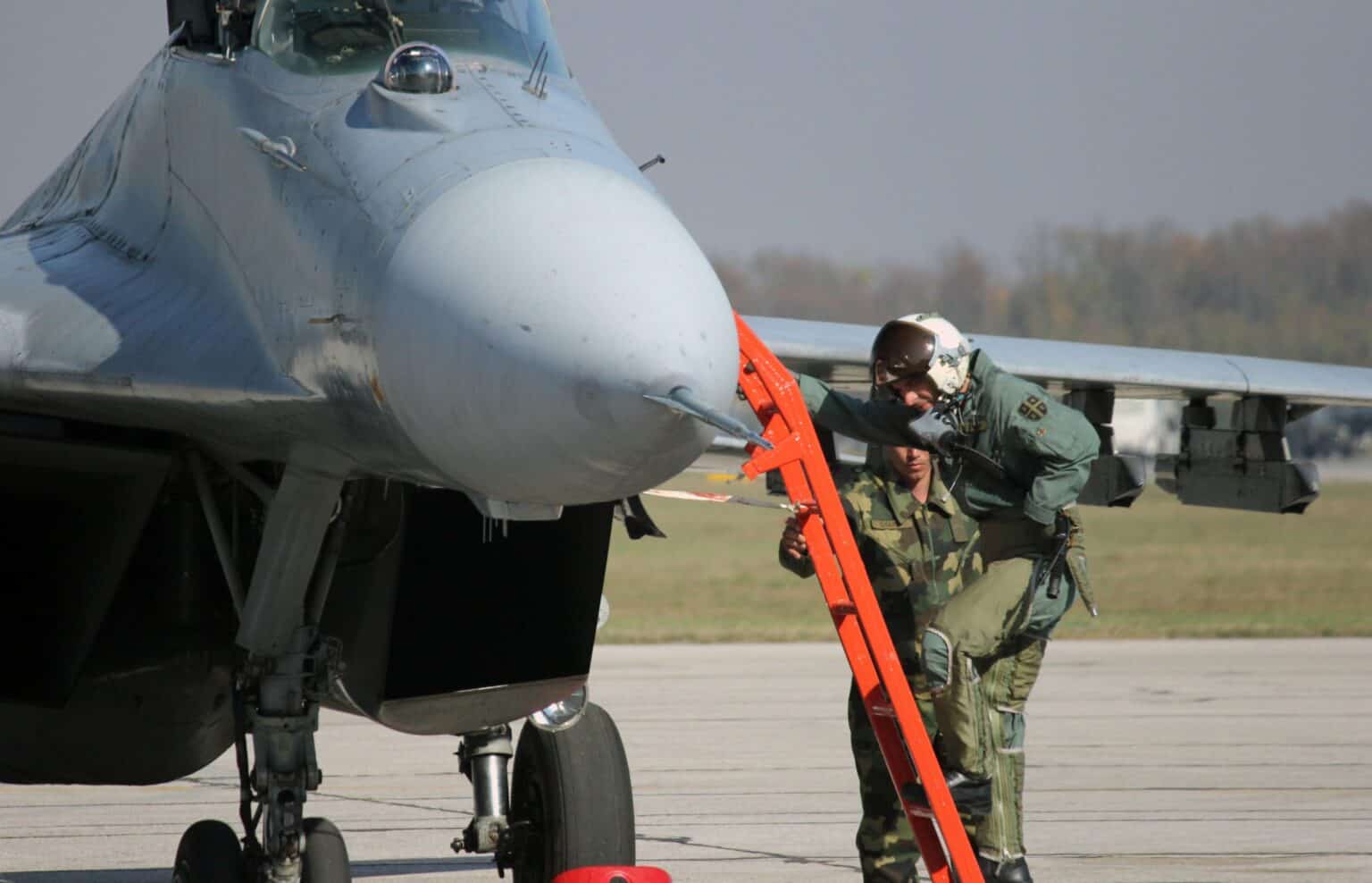
The Serbian Air Force’s only fighter is the MiG-29. It had 14 until November 17, 2026, when one crashed near Stara Pazova, northwest of Belgrade, and killed its pilot, Major Goran Bulajić, 53.
The 13 that remain were built between 1987 and 1991, Reuters reported. Their replacement is already bought: 12 French Rafales, signed for in August 2024 for about €2.7 billion, with the first due in early 2028.
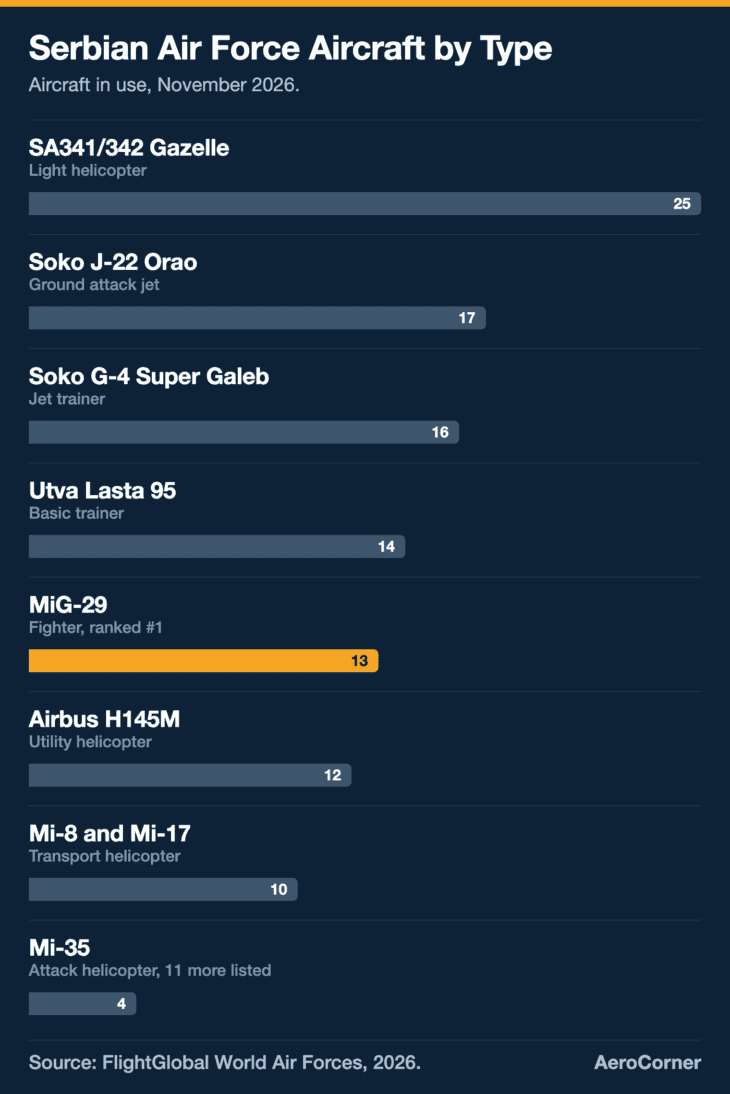
This guide ranks every aircraft type the Serbian Air Force and Air Defence flies by its weight in Serbian air power, as of November 2026. Counts come from FlightGlobal’s World Air Forces 2026, which lists 115 aircraft in use, updated where a newer loss or delivery is on record.
| Rank | Aircraft | Role | In use | Status |
|---|---|---|---|---|
| 1 | MiG-29SM+ and MiG-29UB | Fighter, air policing | 13 | To be replaced by the Rafale from 2028 |
| 2 | Soko J-22 Orao | Ground attack | 17 | Eight upgraded to J-22M1A |
| 3 | Soko G-4 Super Galeb | Advanced jet trainer | 16 | In service since 1983 |
| 4 | Mi-35M and Mi-35P | Attack helicopter | 4 | 11 ex-Cypriot Mi-35Ps listed as on order |
| 5 | Airbus H145M | Light utility and armed helicopter | 12 | 2 more on order |
| 6 | Mi-8 and Mi-17 | Transport helicopter | 10 | In service |
| 7 | SA341/342 Gazelle | Light helicopter | 25 | Largest fleet, built under licence in Yugoslavia |
| 8 | C295 and An-26 | Airlift | 2 C295, 1 An-26 | C295s delivered 2023 |
| 9 | Utva Lasta 95 | Basic trainer | 14 | In service since 2017 |
| Next | Dassault Rafale F4 | Multirole fighter | 0 (12 contracted) | First delivery early 2028 |
How this ranking works
Aircraft are ranked by their weight in Serbian air power in November 2026: the fighter first, then the attack jets and helicopters, then transports and trainers. Counts come from FlightGlobal’s World Air Forces 2026 directory, which lists only aircraft in day-to-day use, drawn on October 1, 2025. Listed is not the same as flyable: Serbia does not publish readiness figures. The Rafale is covered after the MiG-29 but not ranked, because none has been delivered.
1. MiG-29: Serbia’s Only Fighter
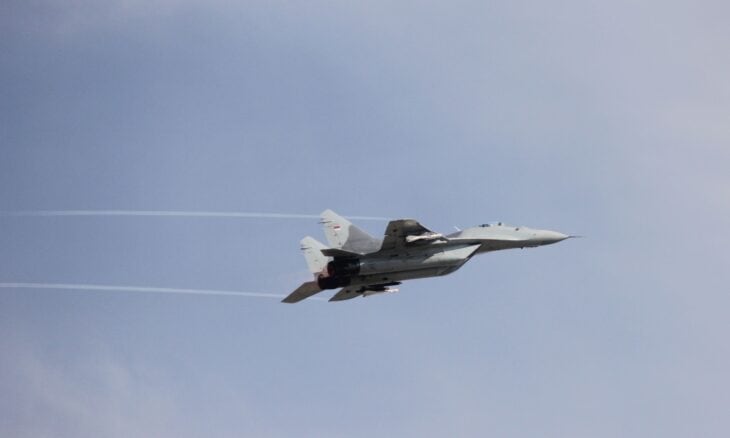

Yugoslavia bought its first MiG-29s in 1987. Today’s fleet is built from about four survivors of that batch, six jets donated by Russia in October 2017 and four handed over by Belarus on February 25, 2019, according to Migflug’s profile of the force.
All of them were modernised to the MiG-29SM+ standard. In 2024 Serbia also bought an ex-Hungarian MiG-29, mainly as a source of spare parts, which tells you how hard it has become to keep a Soviet-era fighter flying in Europe.
The jets fly from Batajnica, near Belgrade, with the 101st Fighter Aviation Squadron of the 204th Air Brigade. FlightGlobal counted 14 in October 2025: 11 single-seat fighters and three two-seat MiG-29UB trainers.
One of those was lost on November 17, 2026. The jet came down in a field between Stara Pazova and Nova Pazova at about 08:45, Migflug reported, and the defense ministry set up two commissions to establish the cause, which had not been announced as of November 27.
The first fatal MiG-29 crash since 2009
Migflug records that Serbia’s last fatal MiG-29 accident before November 2026 was in July 2009, at Batajnica. Reuters counted 14 Serbian military aircraft accidents since 2006, with 17 people killed, across 12 planes and two helicopters.
Next: Dassault Rafale F4, 12 on Order
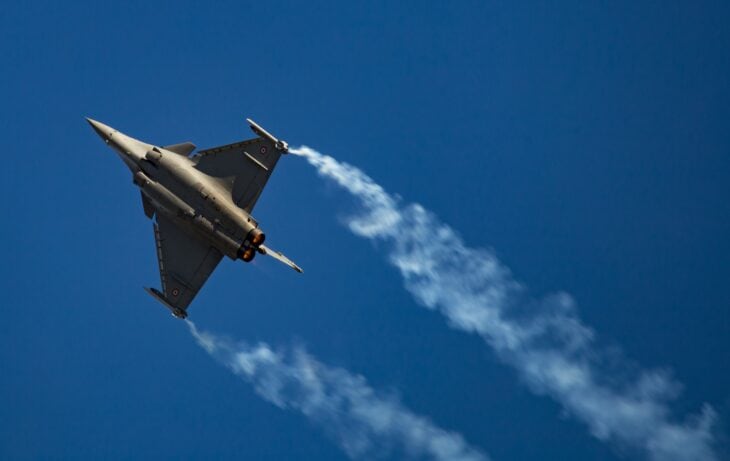

Serbia signed for 12 Dassault Rafales on August 29, 2024, in Belgrade, during French President Emmanuel Macron’s visit. Defence Minister Bratislav Gašić and Dassault chief executive Eric Trappier signed the contract, Migflug records.
The order is for nine single-seat and three two-seat jets at about €2.7 billion. In June 2025 Serbia’s parliament approved borrowing €1.9 billion from French banks to pay for them, The Defense Post reported, after €823.5 million had already gone out as an advance.
Finance Minister Siniša Mali said the first Rafale would arrive at the beginning of 2028, followed by one a month until all 12 are delivered. Reuters gives the standard as the Rafale F4.
It will be Serbia’s first Western fighter, a sharp turn after six decades of MiGs. Our guide to the French Air Force covers the Rafale fleet Serbia’s pilots will train alongside.
2. Soko J-22 Orao: The Homegrown Attack Jet
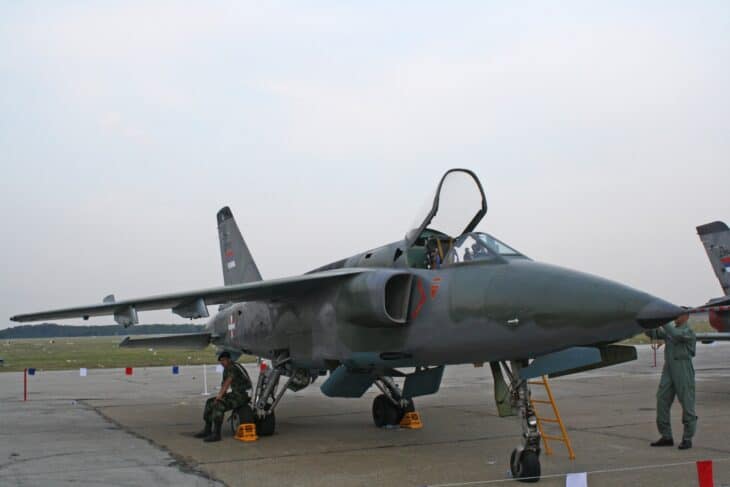

The J-22 Orao, or Eagle, is a Yugoslav-era attack jet that has served since 1978. FlightGlobal lists 17, all flown by the 241st Squadron from Lađevci, near Kraljevo.
Not all 17 are front-line jets. Migflug notes that eight have been modernised to the J-22M1A standard, and N1 put the Orao fleet at eight in November 2026.
No replacement has been ordered. When the Oraos go, the Rafale will have to carry the ground-attack job as well as air defense.
3. Soko G-4 Super Galeb: The Jet Trainer
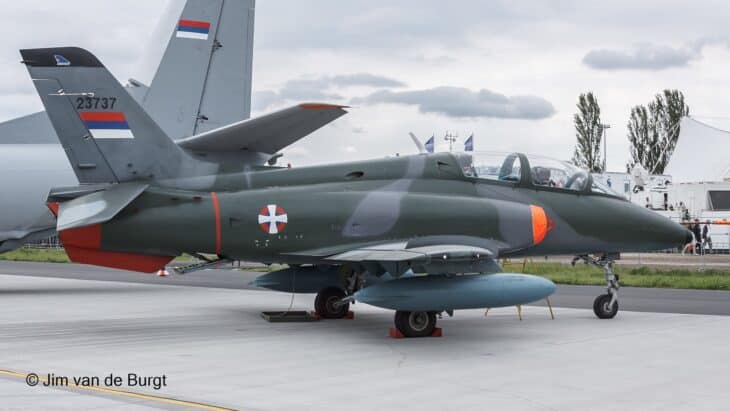
The G-4 Super Galeb, another Yugoslav design, is where every Serbian fighter pilot learns to fly a jet. FlightGlobal lists 16, all counted as trainers, flown by the 252nd Squadron at Batajnica.
It has served since 1983, and Migflug lists the fleet as upgraded G-4Ms. No successor has been ordered.
4. Mi-35M and Mi-35P: The Attack Helicopters
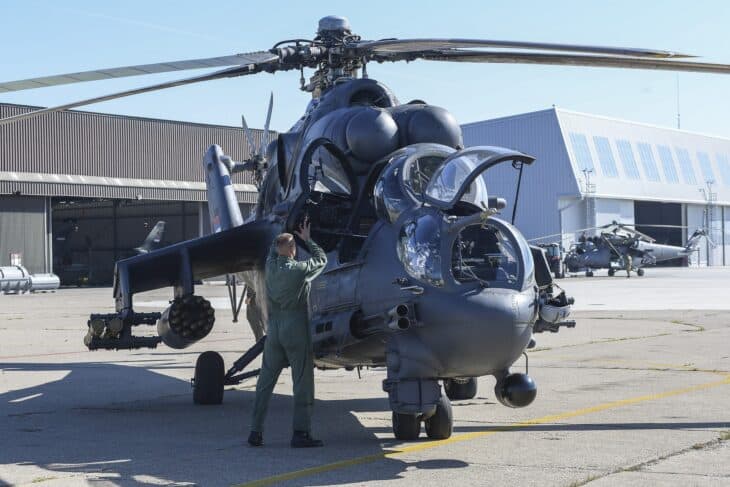

Serbia’s attack helicopter is the Mil Mi-35, the export version of the Mi-24 Hind. Four new Mi-35Ms arrived from Russia in 2019 and fly with the 714th Squadron at Lađevci.
The fleet is meant to grow to 15. President Aleksandar Vučić announced in December 2021 that Serbia would take 11 second-hand Mi-35Ps, widely believed to come from Cyprus, FlightGlobal reported, and the 11 were shown at Batajnica on November 23, 2023.
FlightGlobal’s directory, drawn in October 2025, still counted those 11 as on order rather than in use. Vučić also said four more new-build Mi-35s had been “paid for already”.
5. Airbus H145M: The Western Helicopter
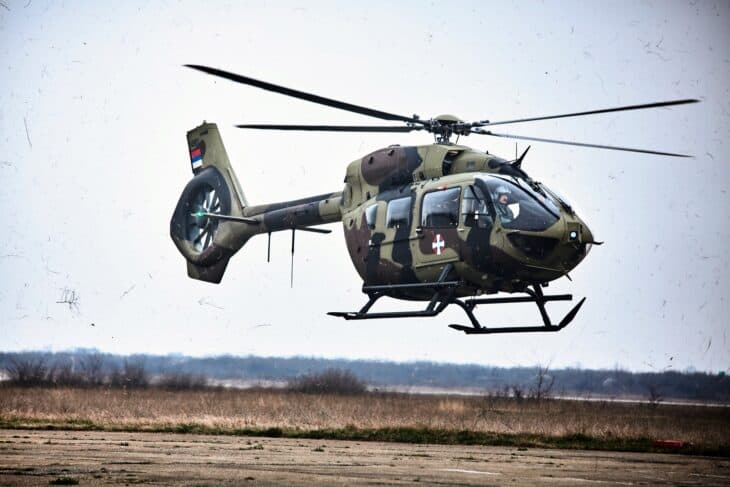

The H145M, the military version of the Airbus H145, flies alongside Serbia’s Russian helicopters. FlightGlobal lists 12 in use and two more on order.
Some are armed. FlightGlobal reported in 2021 that three of Serbia’s first five carried 80mm rockets and 12.7mm machine gun pods, and the December 2021 plan added 11 more H145Ms.
6. Mi-8 and Mi-17: The Heavy Lifters
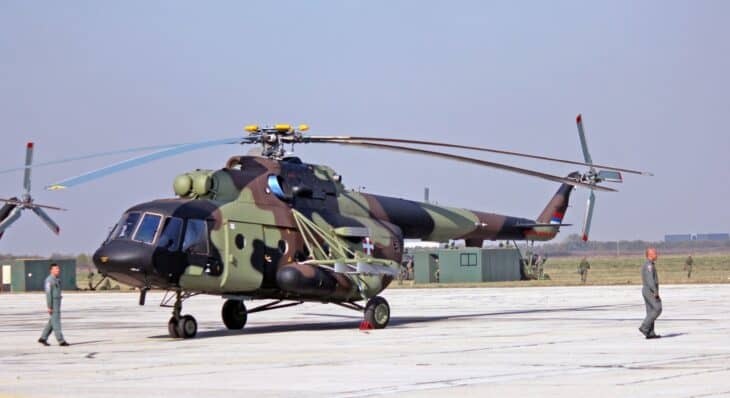

FlightGlobal counts 10 Mi-8 and Mi-17 transport helicopters, Serbia’s heaviest rotorcraft. In 2021 the fleet was five Mi-17s and two elderly Mi-8s, with three more Mi-17s coming in the December 2021 package.
They fly from Niš with the 119th Squadron and from Batajnica, carrying troops, cargo and rescue teams.
7. SA341/342 Gazelle: The Largest Fleet
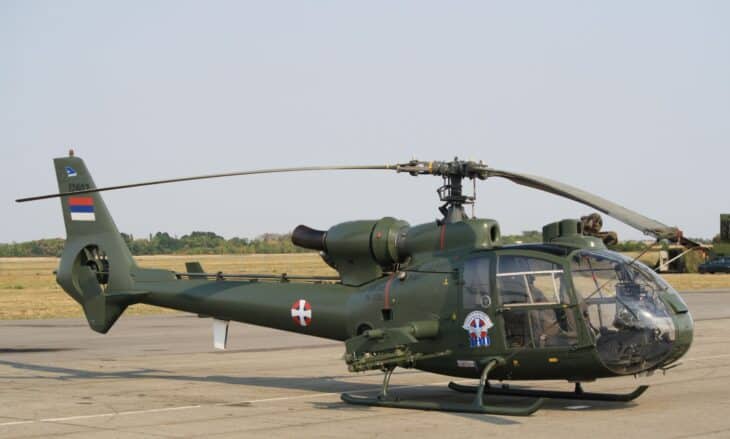

With 25 helicopters, the French-designed Gazelle is the biggest fleet in the Serbian Air Force. Yugoslavia’s Soko built them under licence, and Serbia flies them under the local names Gazela and Gama.
They fly with the 890th Squadron at Batajnica, which shares the base with the H145Ms and Mi-17s.
8. C295 and An-26: A Two-Plane Airlift Fleet
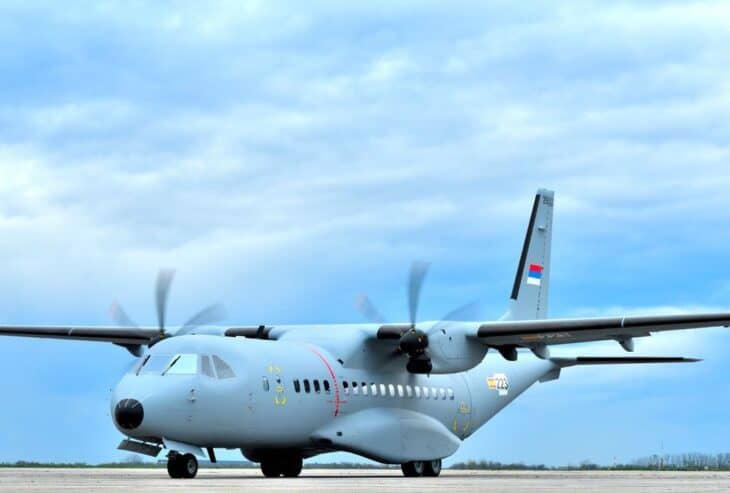

Serbia ordered two Airbus C295 transports on February 23, 2022. The first landed at Batajnica on September 25, 2023, and the second on November 14, 2023, Janes reported, joining the 138th Transport Squadron.
They replaced two Antonov An-26s, carrying about 50% more payload on about 50% less fuel, according to Janes. FlightGlobal still lists one An-26 in use.
9. Utva Lasta 95: Where Pilots Start
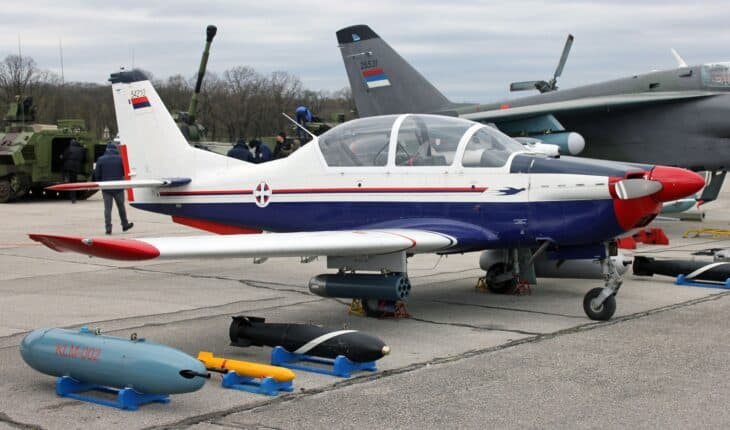

The Lasta 95 is Serbia’s basic trainer, a piston-engine design built by the Serbian company Utva. FlightGlobal counts 14, in service since 2017 according to Migflug.
Both the Lastas and the G-4s fly with the 252nd Squadron at Batajnica, the same base as the MiG-29s and, from 2028, the Rafales.
Drones and Air Defense

Serbia flies Chinese armed drones. Six CH-92A drones were shown at Batajnica in July 2020, and the 353rd Reconnaissance Squadron at Lađevci also flies CH-95s and the Serbian-designed Pegaz, Migflug records.
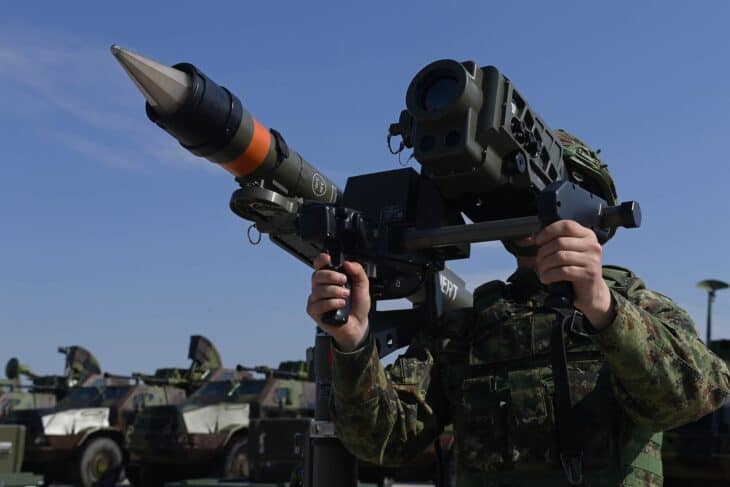
The service’s full name is the Air Force and Air Defence, and its missiles matter as much as its jets. It has flown the Chinese FK-3 surface-to-air missile system since April 2022, which Migflug describes as the first Chinese system of its class exported to Europe, alongside a Russian Pantsir-S1 battery and older Kub and Neva systems.
From 1912 to the F-117: A Short History
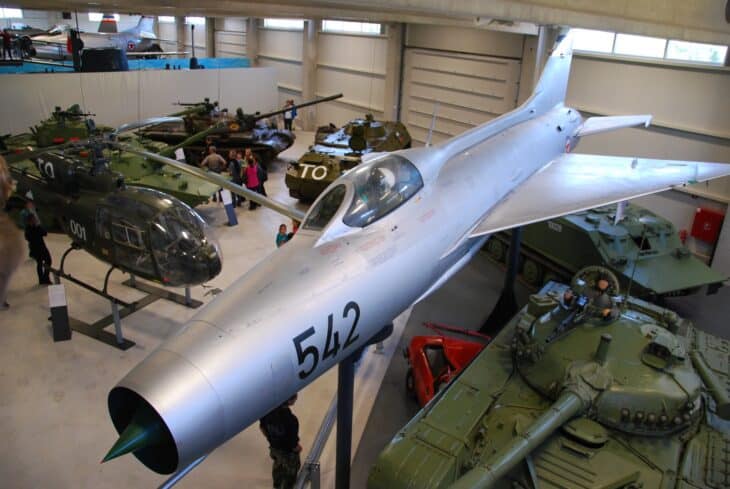

The force traces its start to the Aviation Command formed at Niš by a decision signed on December 24, 1912, the date it still marks as Air Force Day. It grew into the Yugoslav air force, which flew up to 261 MiG-21s between 1962 and 2020, Migflug records.
Its defining moment came during NATO’s air campaign from March 24 to June 10, 1999. On March 27, the 3rd Battalion of the 250th Air Defence Missile Brigade shot down a US F-117 Nighthawk stealth fighter, and the same unit downed a US F-16 on May 2.
Six MiG-29s were lost in air combat. One of the pilots killed, Colonel Milenko Pavlović, on May 4, gave his name to the air base at Batajnica.
Did a MiG-29 shoot down the F-117?
No. The F-117 was brought down on March 27, 1999, by a surface-to-air missile unit, the 3rd Battalion of the 250th Air Defence Missile Brigade, not by a fighter. The brigade is part of the Serbian Air Force and Air Defence, which is why the force claims the shootdown as its own.
How Strong Is the Serbian Air Force?
It is small and old, with a big upgrade on the way. FlightGlobal lists 115 aircraft, 114 after the November crash, and only 30 of them are combat jets: 13 MiG-29s and 17 Oraos.
About 3,000 people serve in it, by a 2021 estimate cited by Migflug. The Rafales will give it its first Western fighter and the same front-line jet as Greece, whose fleet our guide to the Greek Air Force covers.
Our ranking of the best air forces in the world shows where small forces like Serbia’s sit against the giants.
FAQ
Sources and references used for research and fact-checking.
- FlightGlobal, World Air Forces 2026 directory
- Migflug, Serbian Air Force and Air Defence
- Reuters (via Yahoo News), Serbian MiG-29 fighter jet crashes, killing pilot
- Migflug, Serbian MiG-29 Crash Near Stara Pazova Kills Pilot
- N1, Serbia has 144 military aircraft, with 12 Rafales on order
- The Defense Post, Serbia Borrows $2.2B From French Banks for Rafale Jets
- Janes, Serbia receives second and final C295 airlifter
- FlightGlobal, Serbia plans helicopter shopping spree including Cypriot Mi-35s
Get the Newsletter
The latest aviation news and stories sent to your inbox.
About the Author

Tim is the owner and lead editor of AeroCorner since 2019, overseeing aviation content covering aircraft, airlines, airports, and the broader aviation industry. Through years of researching, writing, editing, and publishing aviation-focused content, he has developed extensive practical knowledge of commercial aviation and air travel. Based in Asia and a frequent traveler himself, Tim also brings firsthand passenger experience to AeroCorner’s coverage. Outside of publishing, he has also explored aviation firsthand through hands-on flight training in New Zealand.