de Havilland · United Kingdom · ICAO: DH8B · 1983–Present ·
$12 million (2000)

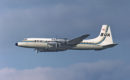
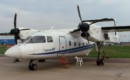
The De Havilland DHC-8 is designed and manufactured de Havilland Canada. It was introduced in 1984 with NorOntair as a turboprop regional airliner fitted with two Pratt and Whitney Canada PW100 engines. The Dash 8 was produced from 1983 up to the present.

Live Fleet Activity
Fetching live data…
DH8Bs in the air: --
No aircraft of this type are airborne right now.
Average speed: -- kt (-- mph / -- km/h)
Region with most activity: --
Last updated: --
Engine:
2× Pratt & Whitney Canada PW123
Engine type:
Turboprop
Power:
2 × 2,150 shp  ·  1,603 kW
Avionics:
Honeywell SPZ-8000 dual-channel digital AFCS, Primus P660 weather radar, Collins nav/comm systems
Wing Tips:
No winglets
Seats:
40
Cabin width:
ft 2 in · 2.50 m
Cabin height:
ft 5 in · 1.95 m
Cabin length:
30 ft 1 in · 9.16 m
Exterior length:
72 ft 12 in · 22.25 m
Tail height:
24 ft 7 in · 7.50 m
Fuselage diameter:
ft 10 in · 2.69 m
Wing span / rotor:
84 ft 12 in · 25.90 m
Baggage volume:
300 ft³  ·  8.5 
Max takeoff weight:
36,300 lb  ·  16,500 kg
Max landing weight:
34,500 lb  ·  15,600 kg
Max Payload:
10,200 lb  ·  4,650 kg
Fuel capacity:
840 gal  ·  3,200 L  ·  2,500 kg  (Jet A)
Max cruise speed:
290 kt  ·  334 mph  ·  537 km/h
Range:
1,125 nm  ·  1,290 mi  ·  2,080 km
Ceiling:
25,000 ft  ·  7,600 m
Rate of climb:
1,475 ft/min  ·  m/s
Takeoff distance:
3,300 ft  ·  1,000 m
Landing distance:
2,550 ft  ·  780 m

Blog Mentions

Blog posts that mention the de Havilland DHC-8-200:

Which Way Does An Airplane Propeller Spin?
Are Private Jets More or Less Turbulent than Commercial Planes?

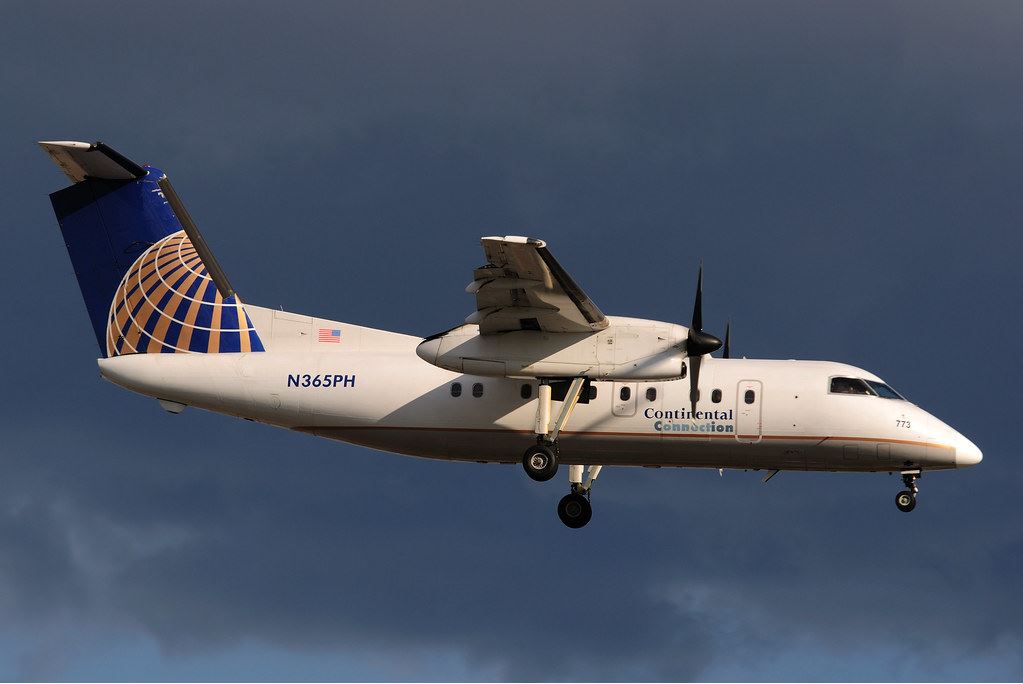
On April 19, 1983, the de Havilland DHC-8 rolled out and obtained over 3,800 hours of test for more than two years during the series of PW100 engine tests. On June 20, 1983, the aircraft took to the skies for the first time. On December 16, 1983, the PW120 engine received its certification. The Dash 8 is a development of the Dash 7 which is equipped with better cruising performance and lesser operating cost, however, without short takeoff and landing characteristics.

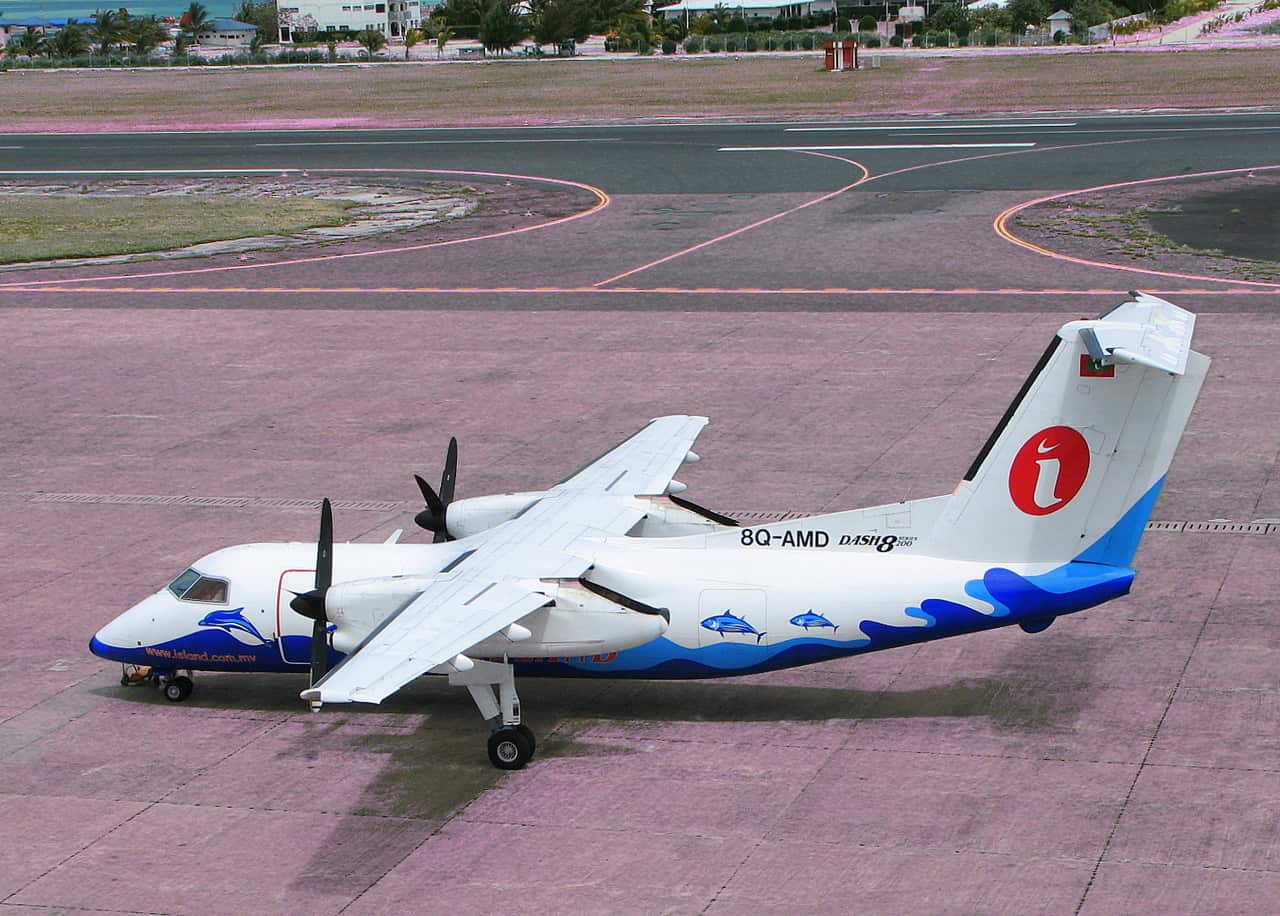
The DHC-8-200 has a similar thirty-seven to thirty-nine passenger with the Series 100, however, it was fitted with more powerful engines to boost its performance. The aircraft is powered by two Pratt & Whitney Canada PW123 turboprop engines which produces a maximum thrust of 2,150 shaft horsepower. The engine has two-spool, two-stage centrifugal compressors, reverse-flow combustors, single-stage low-pressure and high-pressure turbines, and two-stage power turbine, and self-contained oil system.

The Series 200 has a high cruise speed of 289 knots and a range of 1,125 nautical miles. It has a service ceiling of 25,000 feet and a rate of climb of 1,475 feet per minute. The takeoff distance is 1,000 meters while the landing distance is 780 meters.

The de Havilland Series 200 has a maximum takeoff and landing weight of 16,466 kg and 15,649 kg, respectively. It has a maximum payload of 4,647 kg, an operating empty weight of 10,477 kg, and a fuel capacity of 835 US gallons. The aircraft has an exterior length of 22.25 meters, an exterior height of 3.2 meters, a tail height of 7.5 meters, and a fuselage diameter of 2.69 meters.

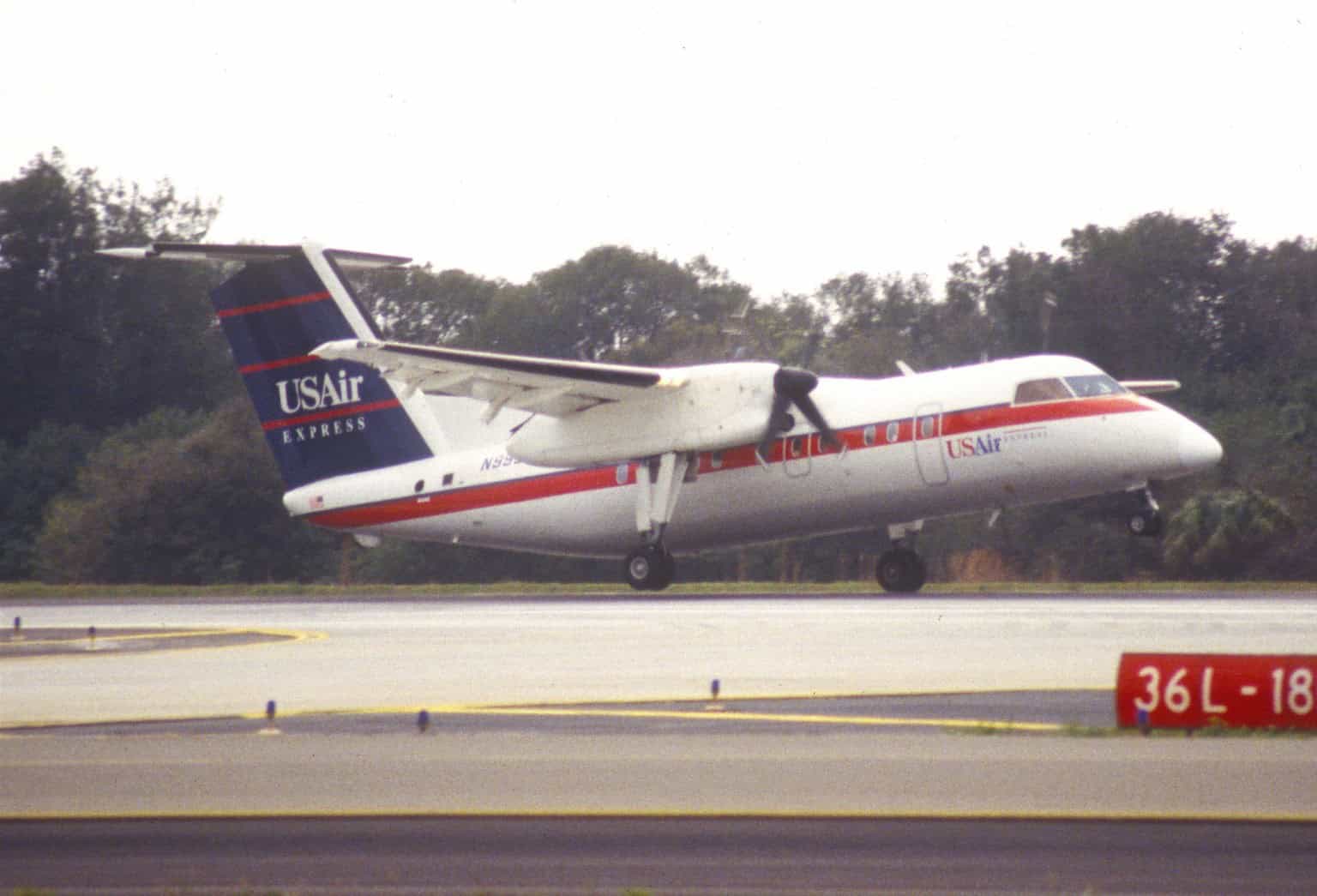
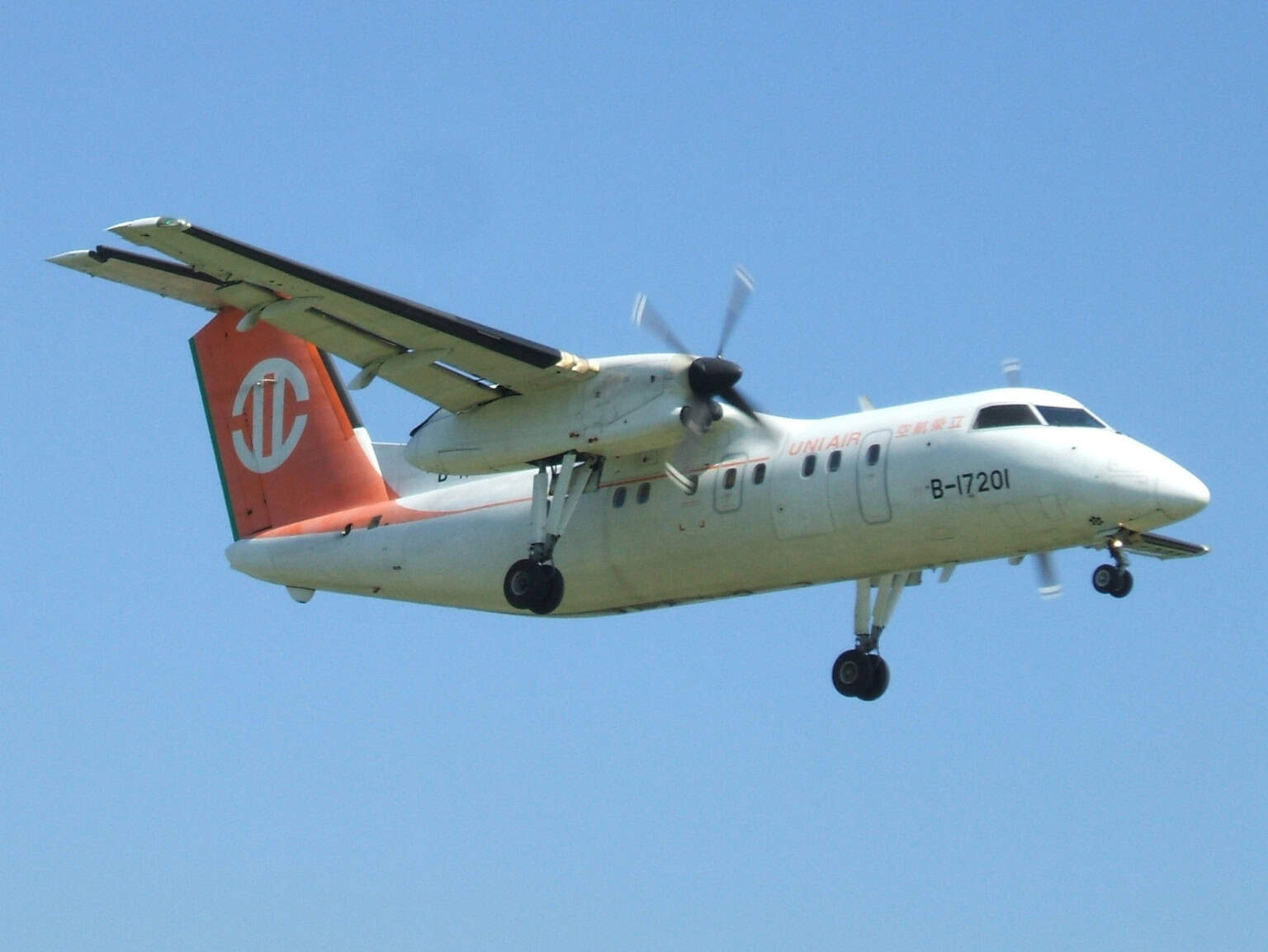
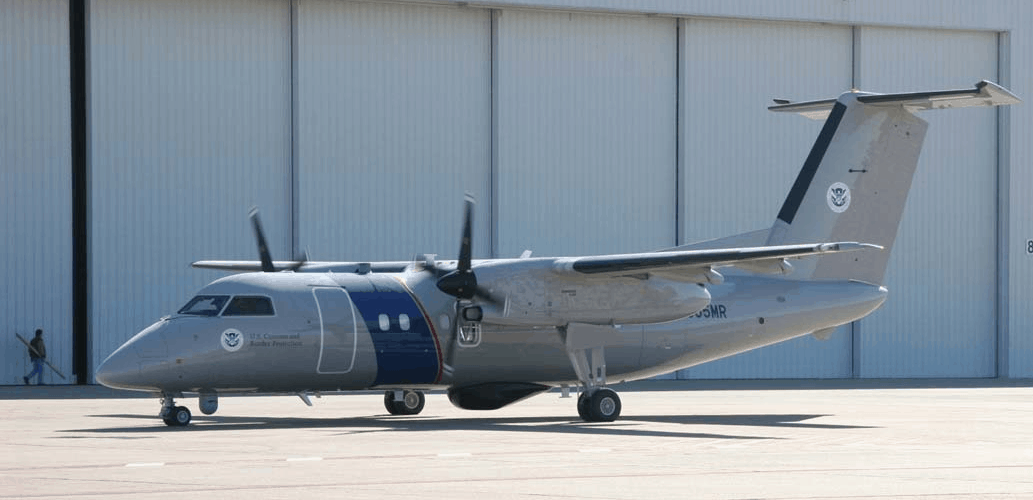
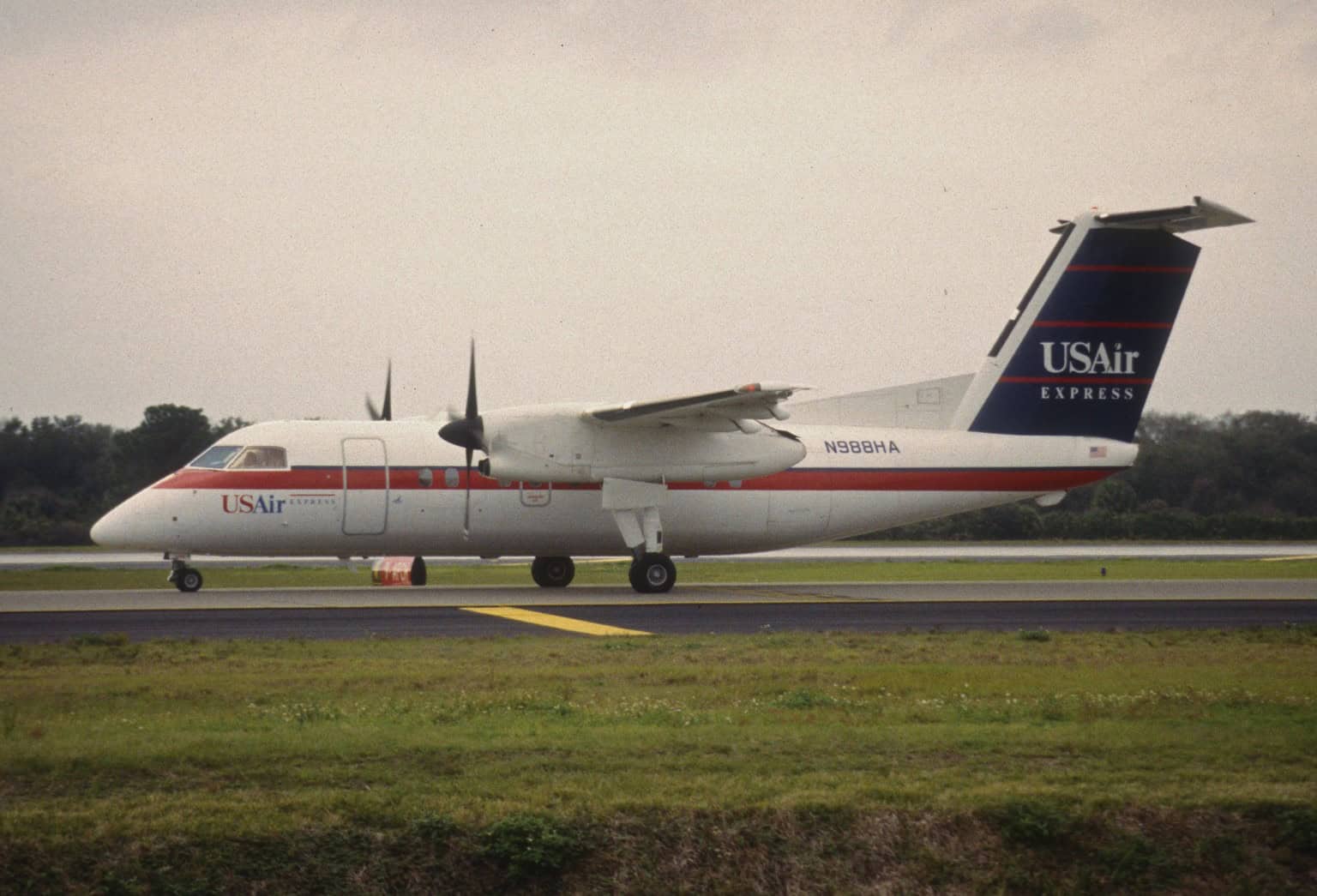
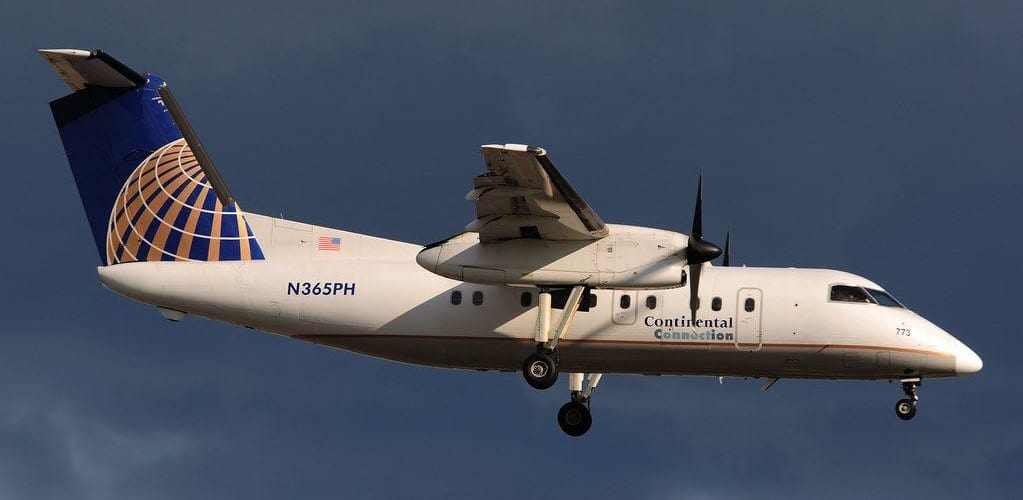
Determining designs of the DHC-8 include the enlarged T-tail configuration aimed to save the tail from prop wash while taking off, a wing aspect ratio of around 12.32 to 13.36 which is considered very high, stretched engine nacelles that hold the undercarriage, as well as a sharp and conical nose. It has a wingspan of 25.89 meters, a wing area of 54.40 square meters, and a wheelbase of 7.8 meters.


Want More of This?
We'll send you our latest and best content straight to your inbox
Featured Image