Passenger Turbo Props
de Havilland DHC-8-200
ICAO: DH8B
The postwar light transport built for short regional routes.
The latest aviation news and stories sent to your inbox.
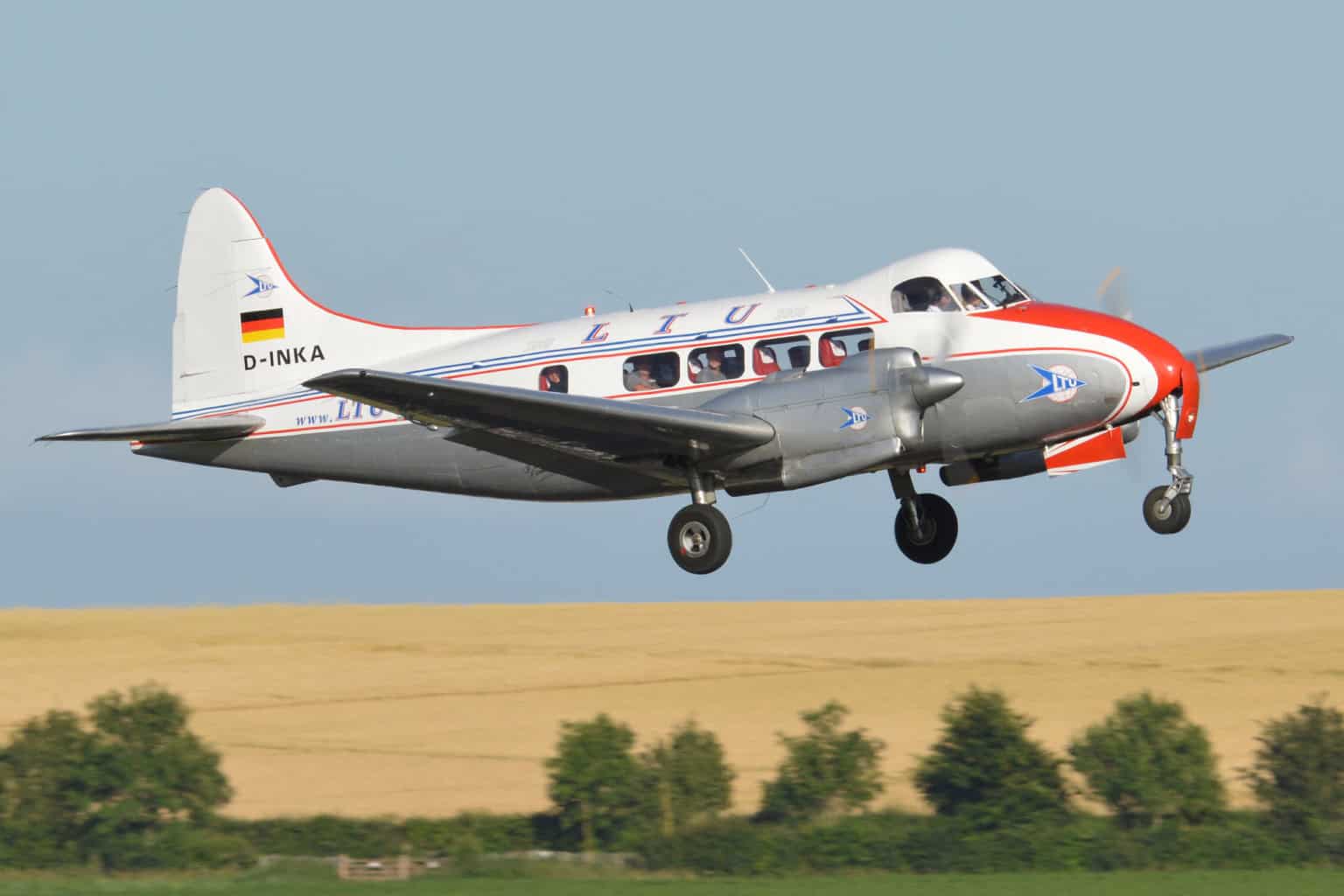
The de Havilland DH.104 Dove was a British light transport aircraft developed shortly after World War II. Designed for short regional services, it offered improved comfort and performance compared with earlier piston transports. The aircraft became widely used by airlines and military operators.
Live Fleet Activity (DOVE)
Fetching live data…


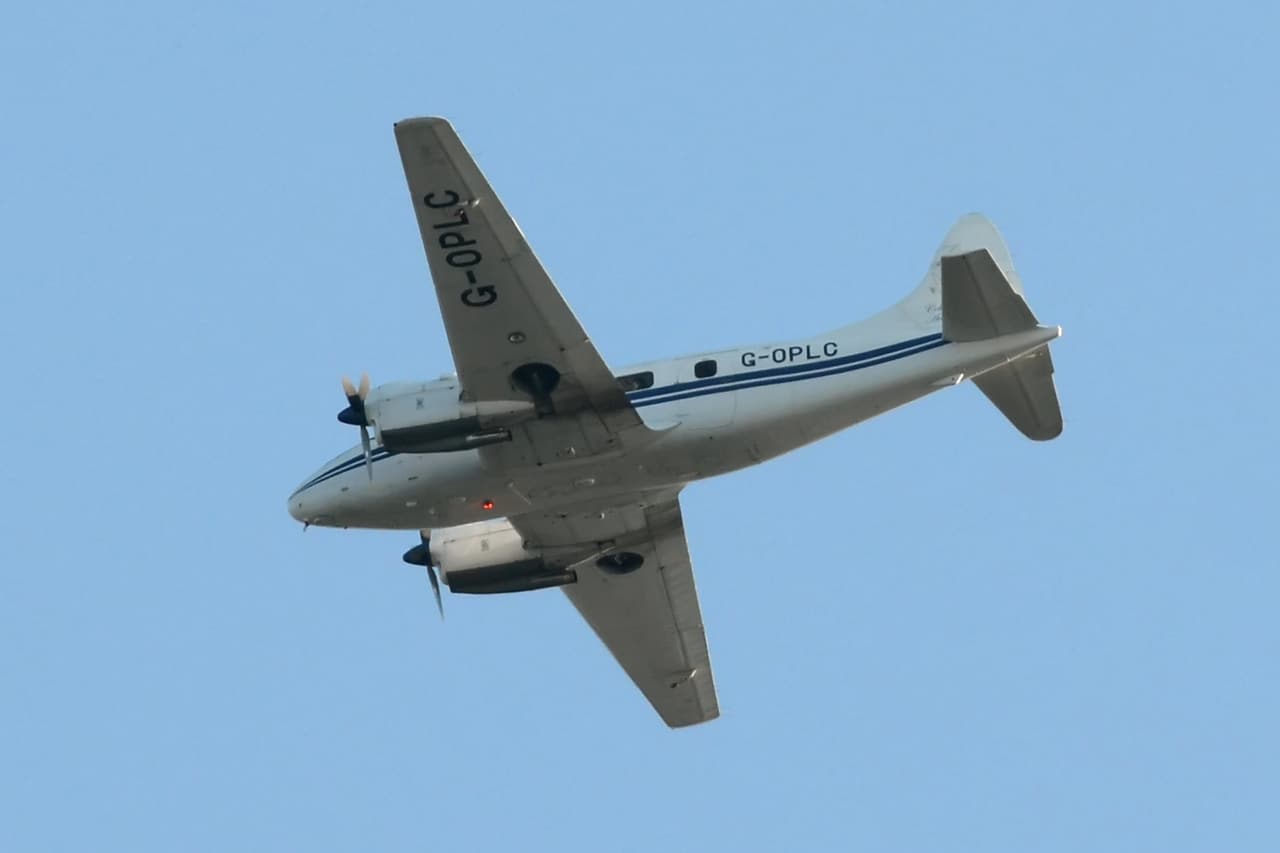
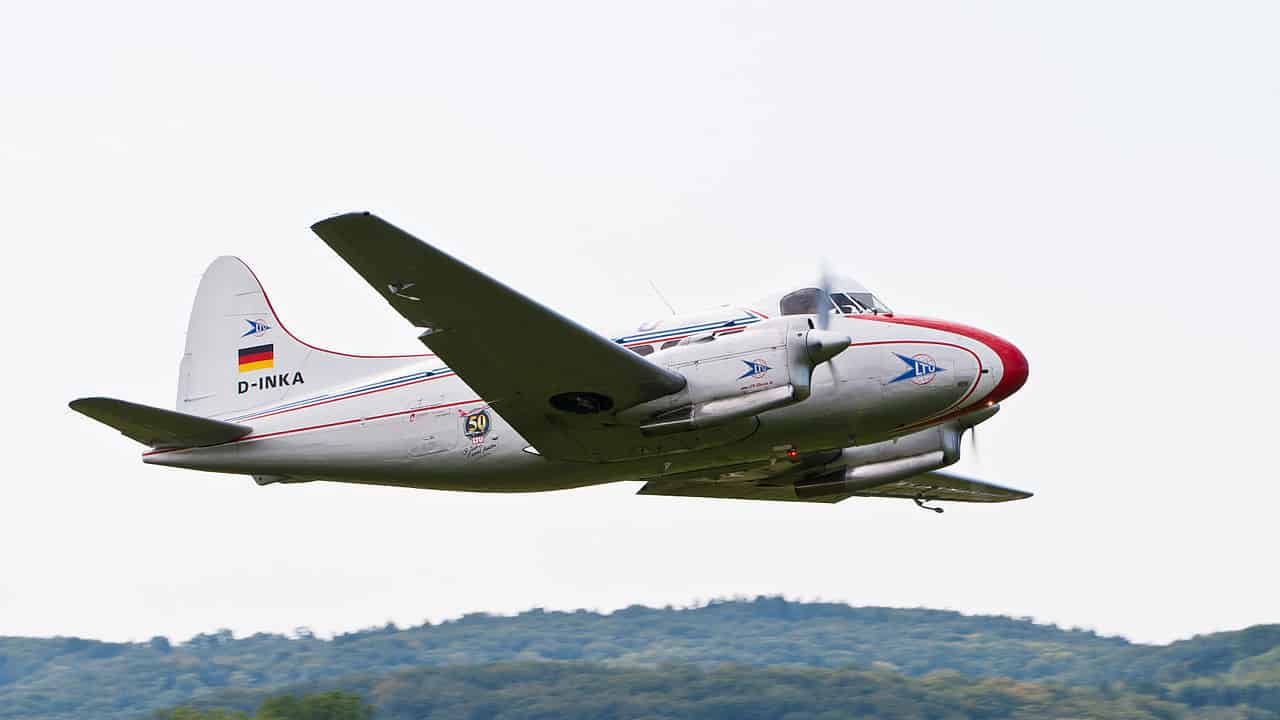


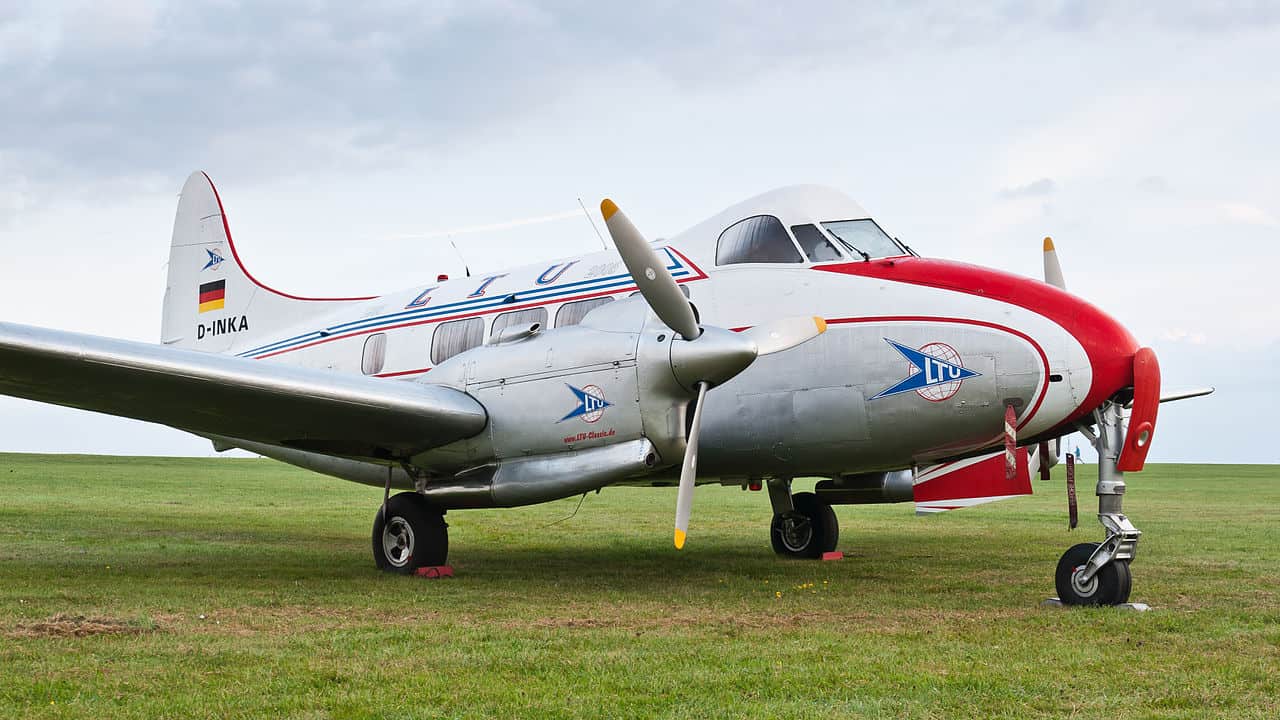


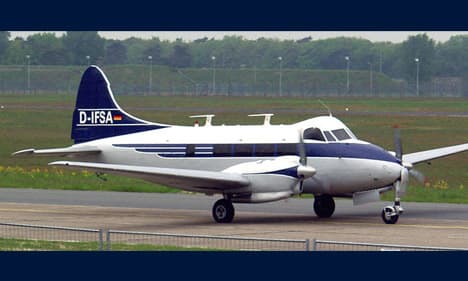
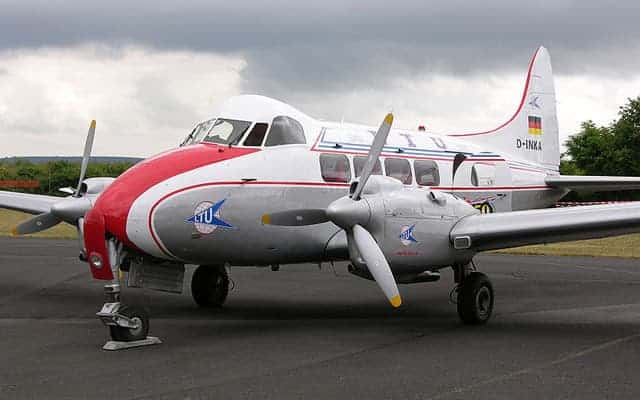
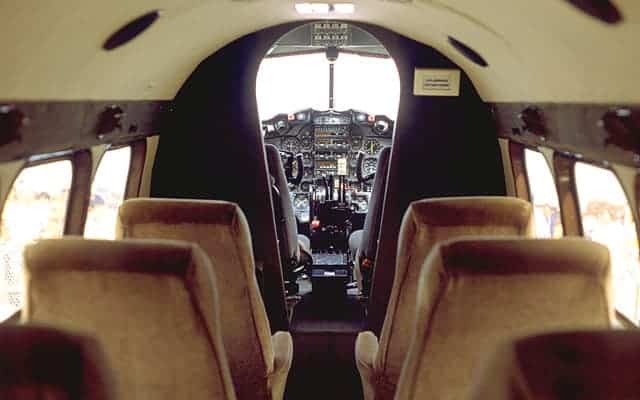

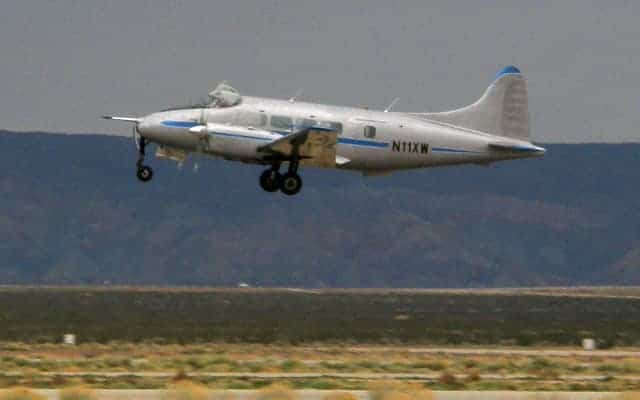
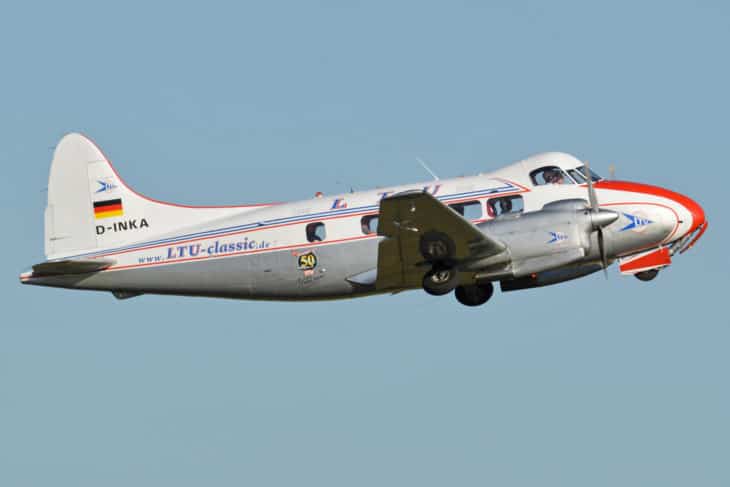
The Dove first flew in 1945 as a successor to the de Havilland Dragon Rapide. It featured an all-metal low-wing design and retractable landing gear, marking a modern step forward in light transport aircraft. The type entered airline service in the late 1940s.
Powered by two piston engines producing approximately 330 horsepower each, the Dove cruised at around 170 knots (315 km/h). Maximum takeoff weight was roughly 8,700 pounds (3,950 kg). Typical seating capacity ranged from 8 to 11 passengers.
The Dove saw service with airlines, air forces, and private operators around the world. Its straightforward design and reliable performance ensured widespread adoption. The aircraft remains a representative example of early postwar regional aviation.
Sources and references used for research and fact-checking.