Mid Size Passenger Jets
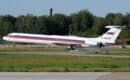
Ilyushin Il-62(M)
ICAO: IL62
The refined jetliner that restored confidence in early commercial jets.

The latest aviation news and stories sent to your inbox.
The de Havilland Comet 4 was a later and improved version of the world’s first commercial jet airliner. Developed after structural redesigns, it reentered service in the late 1950s. The aircraft marked a return to jet operations for British airlines.


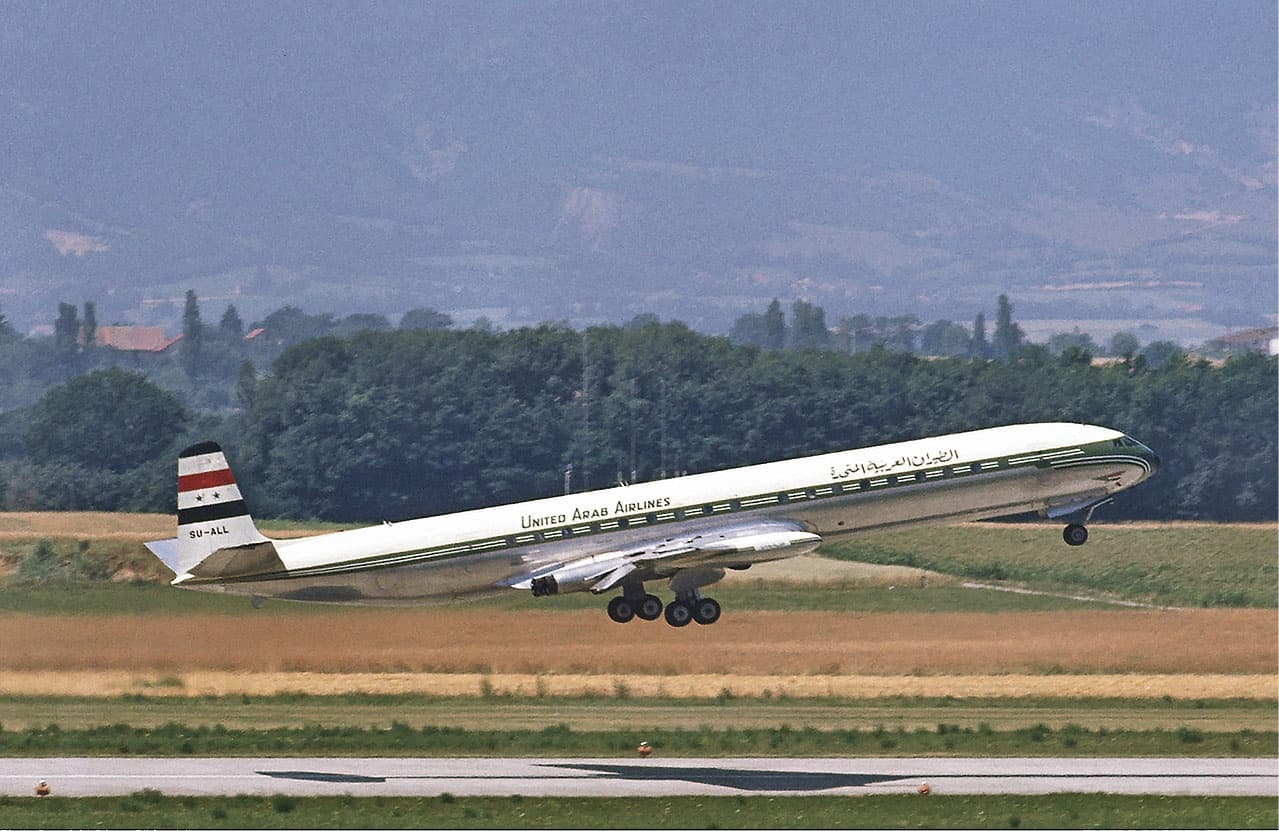

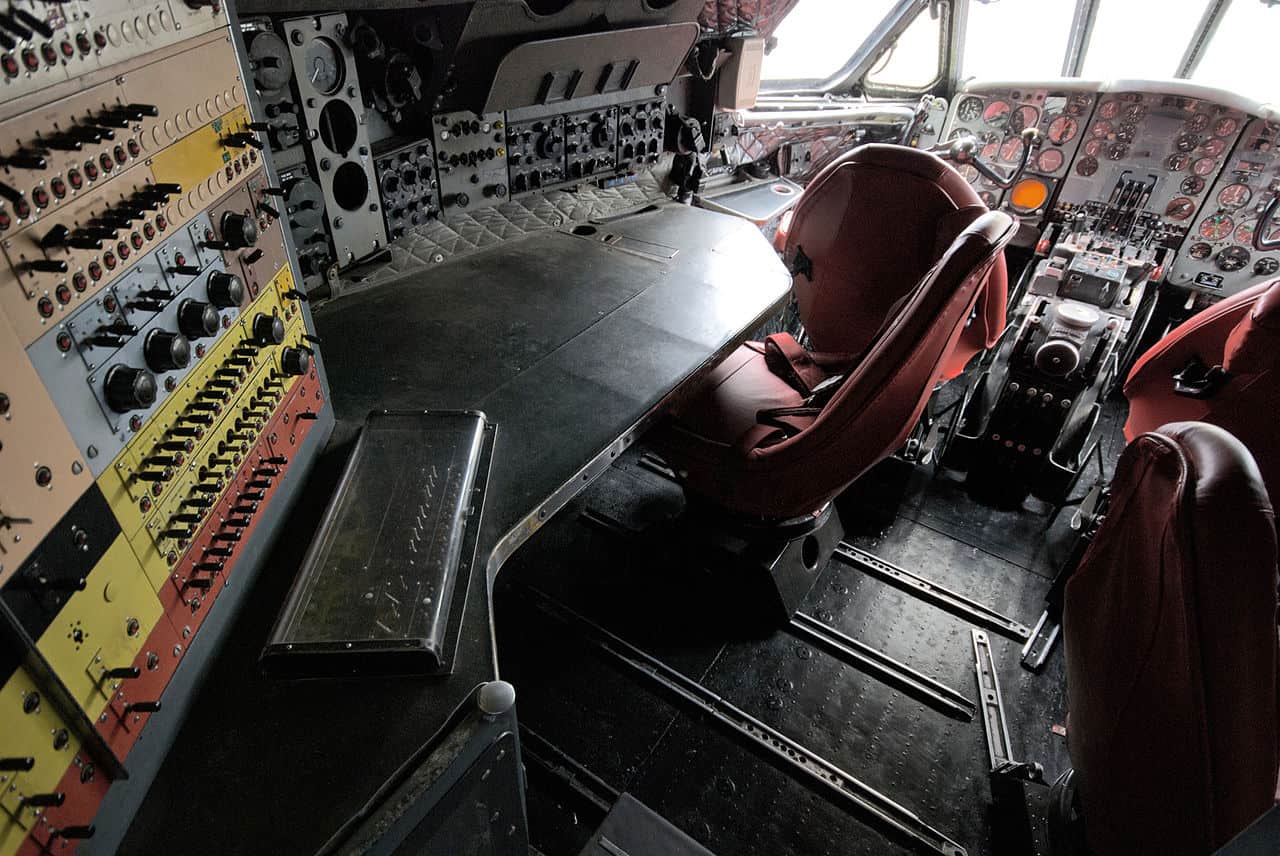


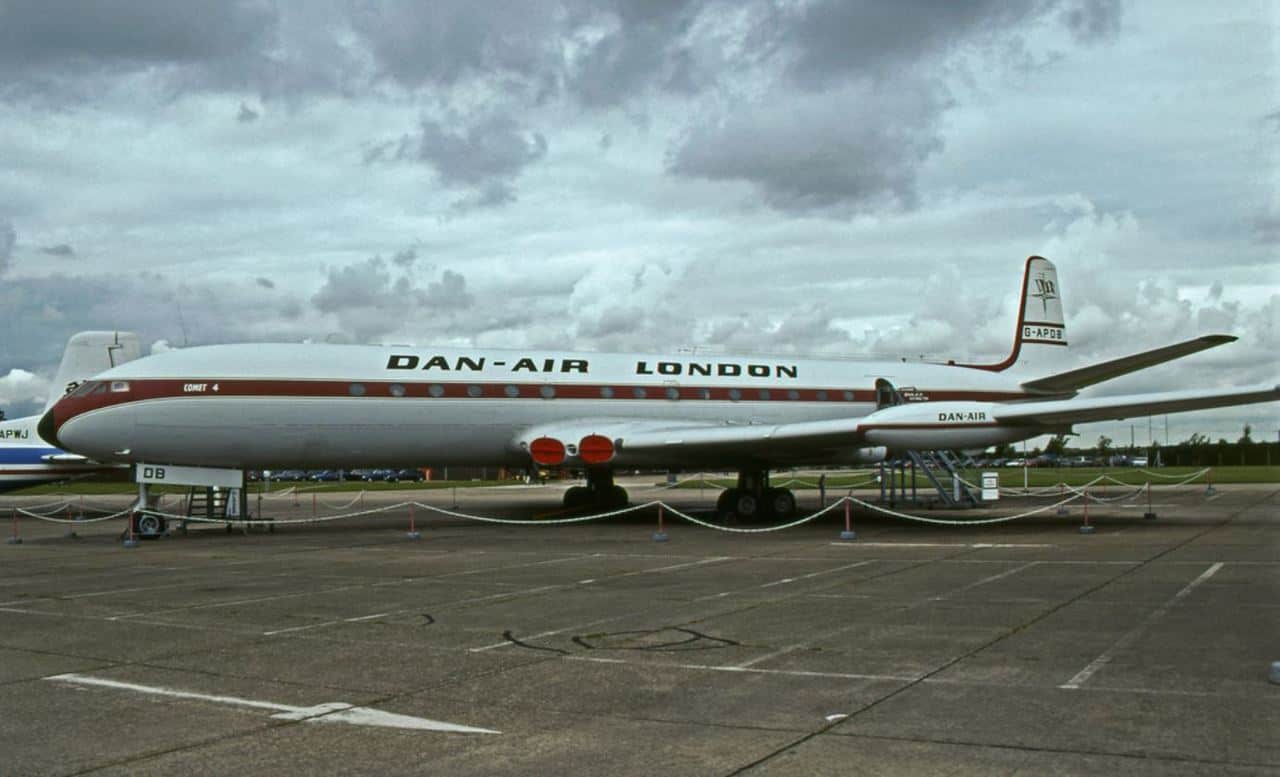


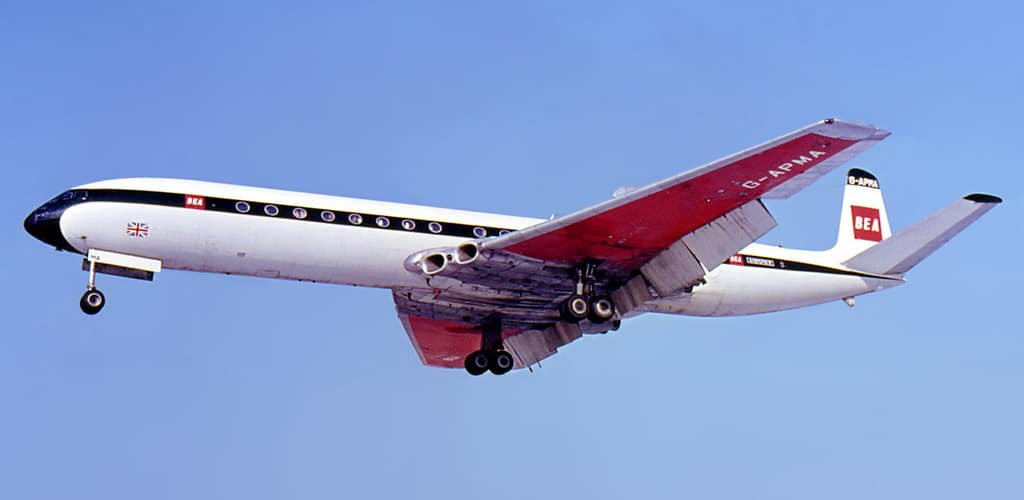
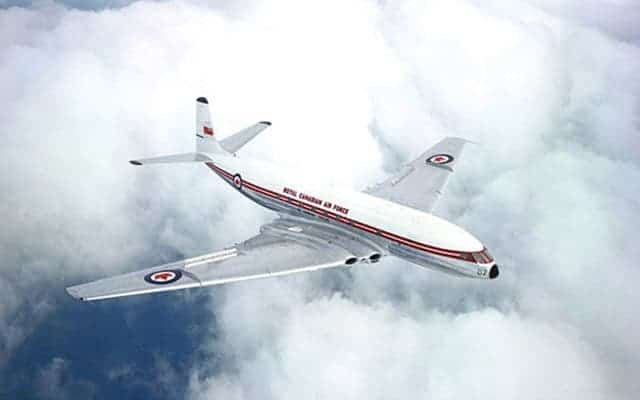
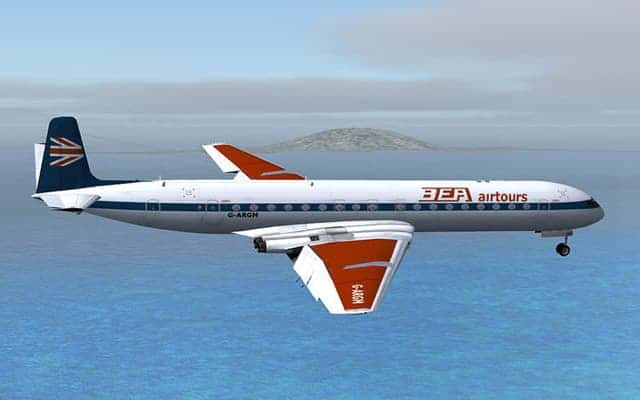
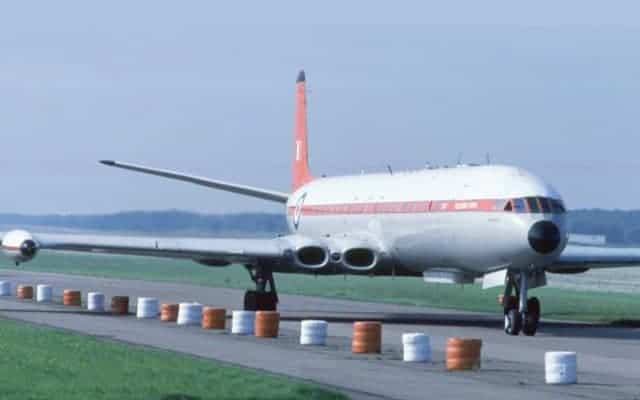

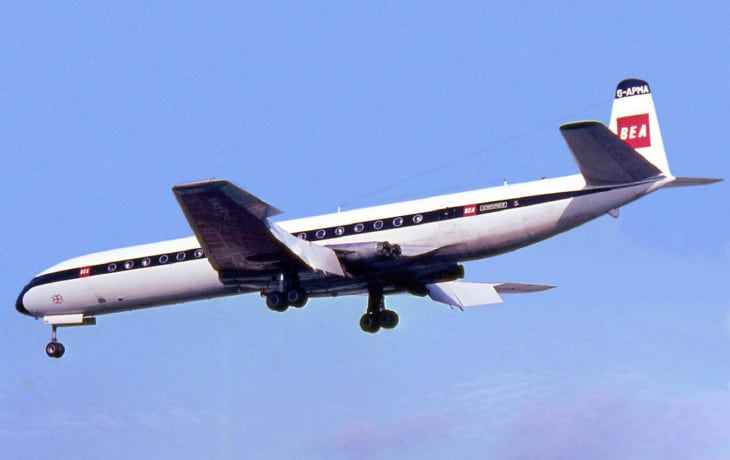
The Comet 4 first flew in 1958 following extensive structural reinforcement and redesign after earlier Comet accidents. It incorporated strengthened fuselage construction and revised window design. The aircraft entered service with BOAC in 1958 on transatlantic routes.
Powered by four Rolls-Royce Avon turbojet engines producing approximately 10,500 pounds of thrust (47 kN) each, the Comet 4 cruised at around 460 knots (850 km/h). Maximum takeoff weight was roughly 156,000 pounds (70,760 kg). Passenger capacity typically ranged from 70 to 90.
The Comet 4 restored confidence in jet travel and helped establish regular long-haul jet service. Although later overshadowed by larger American competitors, it played a pivotal role in early jetliner development. The aircraft remains a milestone in aviation history.
Sources and references used for research and fact-checking.