

Table of Contents
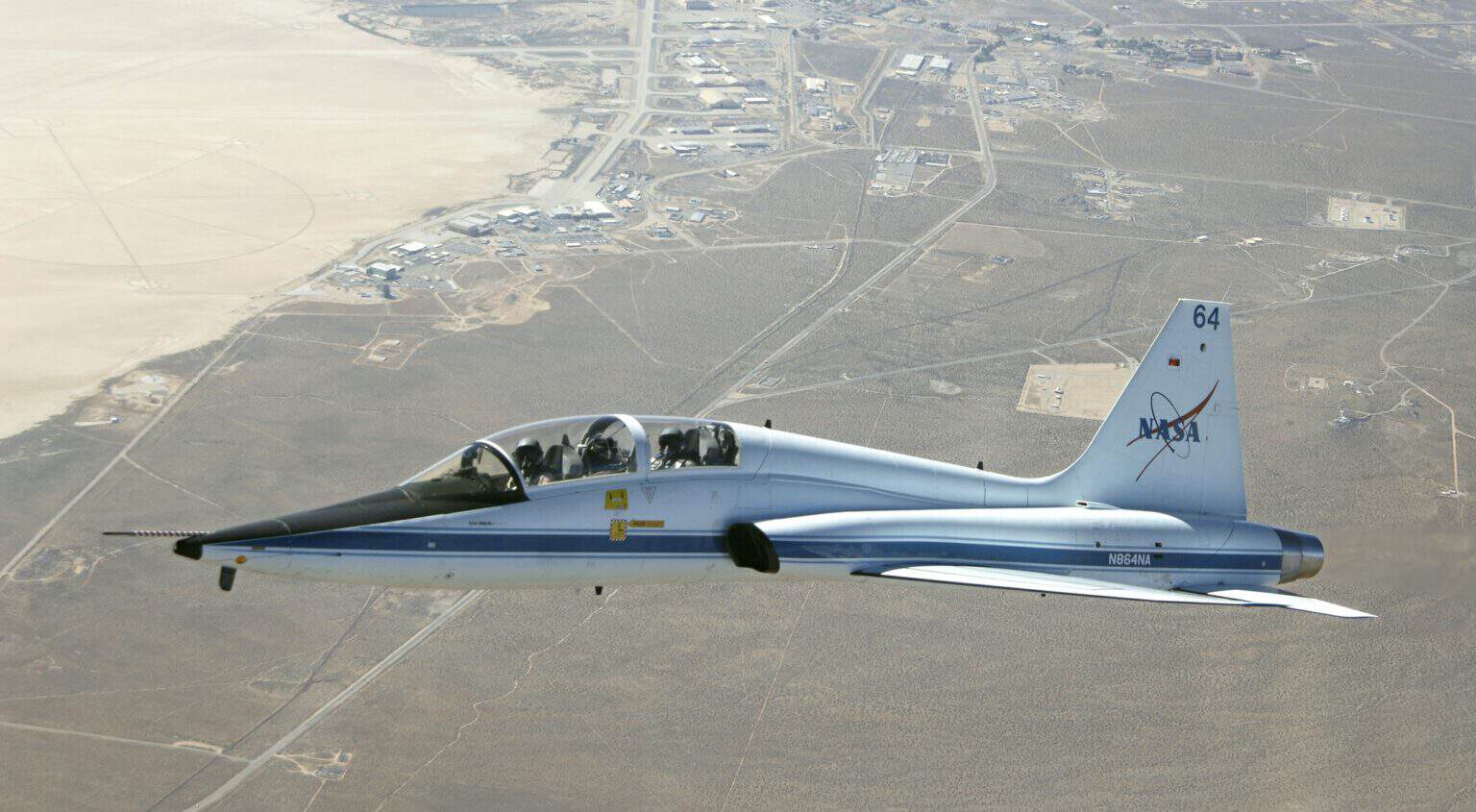
The largest air base in the world is Naval Air Weapons Station China Lake in California. Its main site and two ranges cover more than 1.1 million acres, about 1,700 square miles (4,450 sq km), which is larger than the state of Rhode Island.
Most lists give the title to Eglin Air Force Base in Florida instead. Eglin is the largest Air Force base, at 724 square miles, but China Lake is a Navy air station with a three-runway airfield, and it is more than twice Eglin’s size.
This list ranks air bases by land area, using published figures, as of October 2026. The top three are the largest air bases anywhere with a published size. From fourth place down, it ranks the biggest air bases outside the 50 states that have a size on the record, from Saudi Arabia to Okinawa.
| Rank | Air base | Country | Land area | Operator |
|---|---|---|---|---|
| 1 | NAWS China Lake | United States | 1.1 million+ acres (about 1,700 sq mi) | US Navy |
| 2 | Eglin AFB | United States | 463,128 acres (724 sq mi) | US Air Force |
| 3 | Edwards AFB | United States | about 301,000 acres (470 sq mi) | US Air Force |
| 4 | Prince Sultan Air Base | Saudi Arabia | well over 100 sq mi | Royal Saudi Air Force, US forces hosted |
| 5 | Andersen AFB | Guam (US territory) | about 18,000 acres (28 sq mi) | US Air Force |
| 6 | Al Udeid Air Base | Qatar | about 12 sq mi | Qatar, US forces hosted |
| 7 | RAF Akrotiri | Cyprus (UK base area) | about 5,260 acres (8.2 sq mi) | Royal Air Force |
| 8 | Bagram Airfield | Afghanistan | 5,198 acres (8.1 sq mi), 2009 | Taliban since 2021 |
| 9 | Kadena Air Base | Japan | about 4,900 acres (7.7 sq mi) | US Air Force |
| 10 | RAAF Base Amberley | Australia | about 4,000 acres (6.3 sq mi) | Royal Australian Air Force |
| 11 | Ramstein Air Base | Germany | about 3,500 acres (5.5 sq mi) | US Air Force, NATO |
| 12 | Incirlik Air Base | Turkey | 3,323 acres (5.2 sq mi) | Turkish Air Force, US forces hosted |
How this ranking works
Bases are ranked by the land inside the installation’s own boundary, counting the ranges it reports as part of itself. Separately named ranges are left out: the Nevada Test and Training Range is not counted as part of Nellis, and Kadena’s adjoining munitions area is not counted as part of Kadena. Any military airfield with based flying units qualifies, whatever the service. Space Force bases and Army or Marine ground-training posts with an airstrip are excluded. A strict ranking below third place would be a run of American training bases, so from fourth place down this list ranks the largest air bases outside the 50 states instead. Many overseas bases publish no size, so places 4 to 12 are the largest on the record, not a full census. Russia and China publish no base areas at all.
1. Naval Air Weapons Station China Lake, California
,_27_November_2023_(231127-N-VX009-1005).JPG)
China Lake sits in California’s Mojave Desert, and it is the Navy’s largest single landholding. It holds 85 percent of the Navy’s land for weapons research and testing, and 38 percent of everything the Navy owns worldwide.
The installation has three parts: a main site, the North Range and the South Range. Together they cover more than 1.1 million acres, with about 19,600 square miles of restricted and controlled airspace above them.
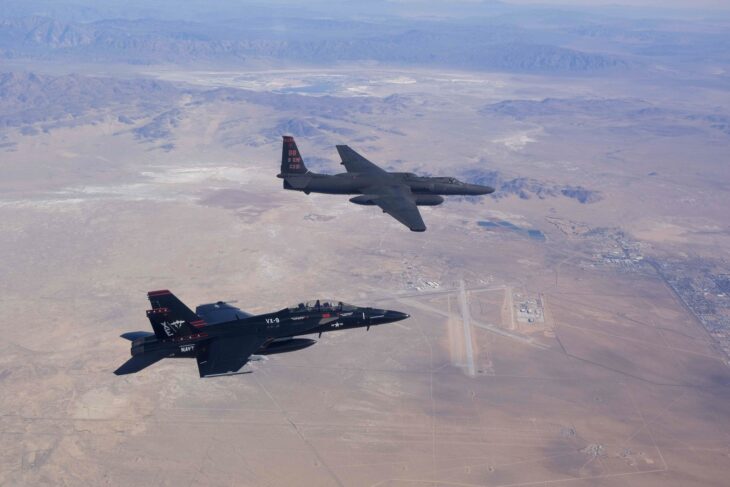
It earns its place on an air base list because of Armitage Field, its three-runway airfield, the longest runway at 10,001 feet. Two Navy test squadrons fly from it, VX-31 and VX-9, putting new weapons and aircraft through research and testing.
In July 2019, an earthquake knocked it out. The magnitude 6.4 and 7.1 Ridgecrest quakes of July 4 and 5 left the station unable to carry out its mission, with damage estimates running past $5 billion.
Rebuilding took years. The South Airfield projects alone were an $855 million recovery effort, finished in March 2025. China Lake also appears in our ranking of the largest naval bases in the world, as the Navy’s biggest landholding that is not a fleet base.
The biggest air base on Earth is not an Air Force base
China Lake is run by the US Navy, not the Air Force, and it covers more than twice the land of Eglin, the largest Air Force base. This one desert station holds 38 percent of all the land the US Navy owns worldwide.
2. Eglin Air Force Base, Florida
,_22_August_2023_(230907-F-GE108-0201).JPG)
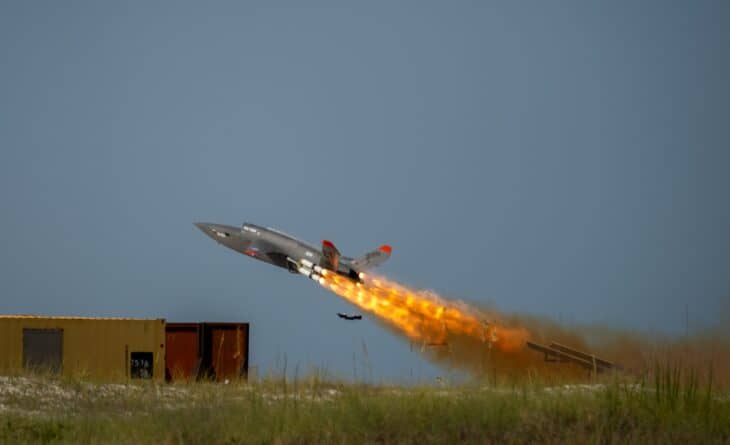
Eglin covers 463,128 acres of the Florida Panhandle, about 724 square miles (1,874 sq km), which makes it the largest base the US Air Force operates anywhere. Its host unit is the 96th Test Wing, and the base exists mainly to test weapons.
The land range holds 70 separate test and training areas. It includes the only qualified air-to-ground supersonic range east of the Mississippi River.
The airspace is bigger still. The Eglin Gulf Test Range provides about 120,000 square miles of overwater airspace, covering the eastern third of the Gulf of Mexico from the Panhandle to the Florida Keys.
Eglin leads our ranking of the largest Air Force bases in the US, which covers the American bases this list skips after third place.
3. Edwards Air Force Base, California
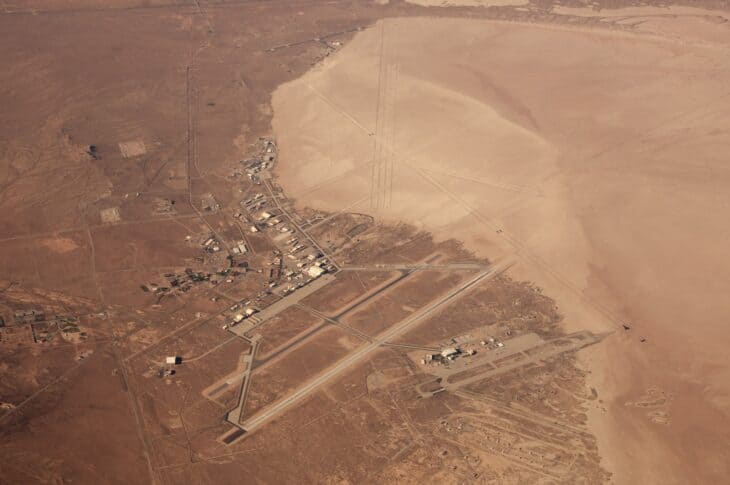

Edwards covers about 301,000 acres of the Mojave Desert, or 470 square miles (1,218 sq km). Its own base guide gives a slightly larger 482 square miles. More than 10,000 military, civilian and contract staff work there under the 412th Test Wing.
Its defining feature is Rogers Dry Lake, a 44-square-mile lakebed that the base describes as the largest such formation in the world. Its hard, flat surface gives test pilots miles of natural runway, and in April 1981 it gave the Space Shuttle Columbia somewhere to land after the first shuttle flight into orbit.
Isn't Edwards the largest Air Force base?
The 412th Test Wing’s own fact sheet calls Edwards “the largest Air Force installation by land.” The numbers say otherwise. Edwards publishes 470 square miles, and Eglin’s fact sheet puts its land range at 724 square miles, more than 50 percent bigger. Edwards can fairly claim the world’s largest runway, its lakebed, but not the largest base.
4. Prince Sultan Air Base, Saudi Arabia
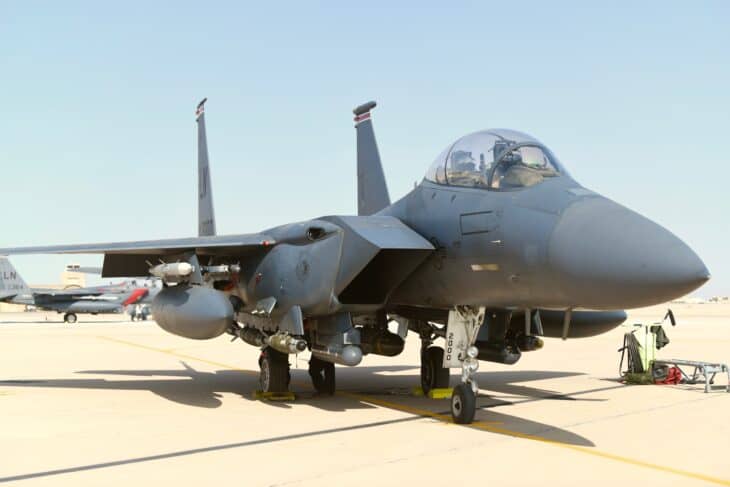

Prince Sultan Air Base, near Al Kharj in central Saudi Arabia, is the largest air base outside the United States with a published size. Air Force historian Daniel Haulman found that by the time the complex was finished in 1999, it had cost Saudi Arabia more than $1 billion and covered well over a hundred square miles.
That is a single estimate, and Saudi Arabia does not publish an official figure. Even at 100 square miles, it is more than eight times the size of Al Udeid, which usually gets called the biggest US base in the Middle East.
The US Air Force moved its no-fly-zone operations over Iraq here after the 1996 Khobar Towers bombing, and for seven years it was the service’s biggest expeditionary operating location. American forces left in 2003, then returned in 2019, when the 378th Air Expeditionary Wing was activated at the base.
It has two parallel runways of 13,123 feet (4,000 m) and is home to the Royal Saudi Air Force’s E-3 Sentry airborne early warning squadron. It has also been a target in the 2026 Iran war: a US soldier died of wounds from an Iranian attack on the base on March 1, 2026.
5. Andersen Air Force Base, Guam
.jpg)
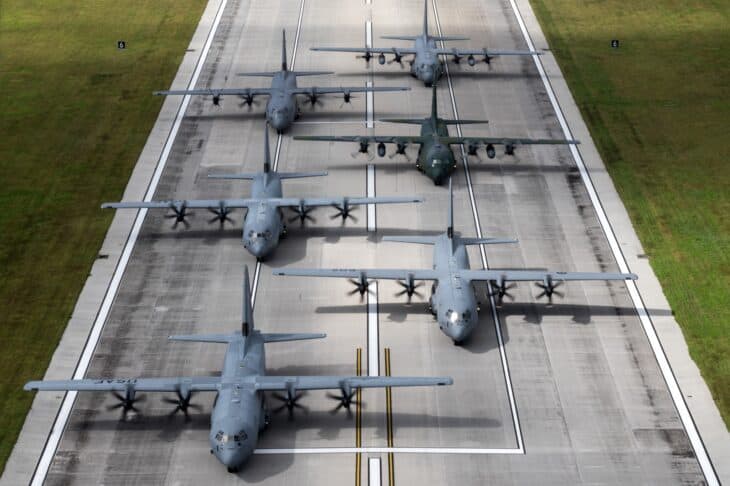
Andersen covers about 18,000 acres of real property on Guam, a US territory in the western Pacific. The 36th Wing hosts it, and about 8,000 service members, civilians, dependents and contractors work or live there.
Its real size is in what it stores. Andersen has the largest fuel storage and the largest munitions storage capacity in the US Air Force, the stockpile a forward base in the western Pacific runs on.
The base also controls 77,000 square nautical miles of training airspace. By land it is more than three times the size of Kadena, the base usually described as America’s biggest in the Pacific.
6. Al Udeid Air Base, Qatar
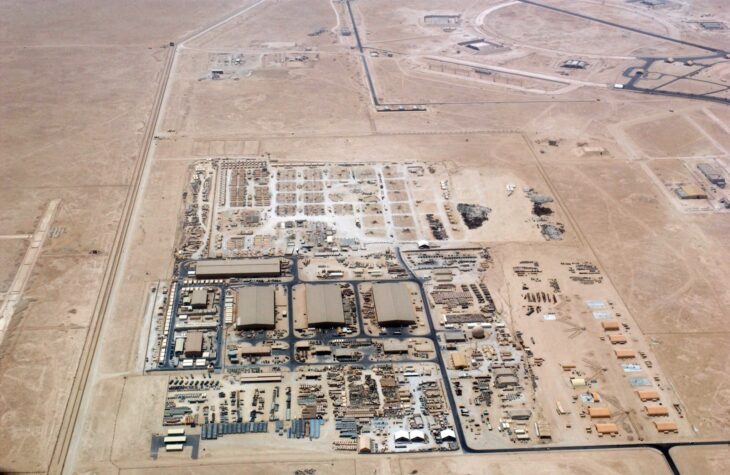

Al Udeid is the largest US base in the Middle East, home to around 10,000 troops as of January 2026. US Air Forces Central describes about 950 buildings spread across roughly 12 square miles (31 sq km).
Its based aircraft include KC-135 Stratotankers and C-17 Globemaster IIIs. Its two runways are each about 12,300 feet (3,750 m) long.
Iran has fired on it more than once. On June 23, 2025, one ballistic missile got through and the Pentagon reported minimal damage, and on March 3, 2026 Qatar’s defense ministry said a second missile hit the base without causing casualties.
The 59-acre mistake
A January 2026 Reuters explainer, repeated by Al Jazeera, gave Al Udeid’s size as 24 hectares (59 acres), less than a tenth of a square mile. The Air Force’s own figure of roughly 12 square miles is about 130 times bigger, and two 12,300-foot runways would not fit in 59 acres anyway.
7. RAF Akrotiri, Cyprus
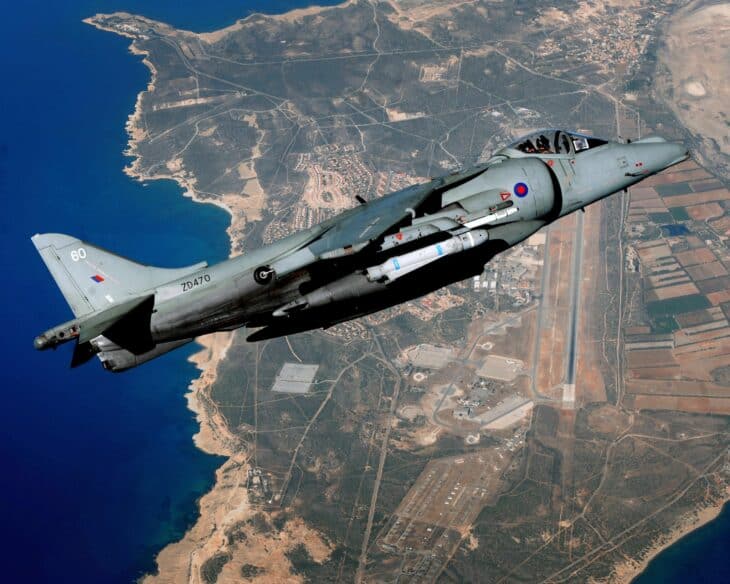

Akrotiri covers about 2,128 hectares (5,260 acres) on Cyprus, inside one of the two British Sovereign Base Areas on the island. It is a permanent joint operating base, run by the Royal Air Force.
Built in the mid-1950s, it was a base for operations in the 1956 Suez Crisis. In September 2014 its Tornados opened the RAF’s air campaign against the Islamic State, and on January 12, 2024 four of its Typhoons struck Houthi targets in Yemen.
That role made it a target. The base came under drone attack in early March 2026, during the strikes on Iran, with more drones intercepted on March 2.
8. Bagram Airfield, Afghanistan
.jpg)
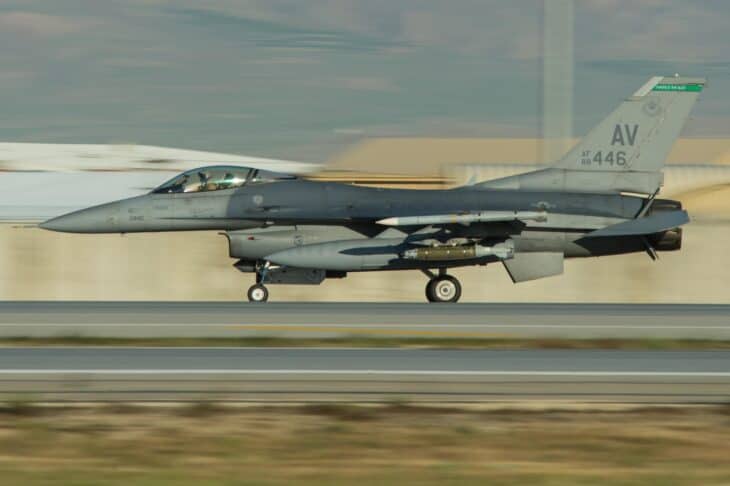
At the height of the Afghanistan war, Bagram covered 5,198 acres (2,104 ha), up from 3,993 acres when US forces took it over in 2001. In 2009 it was the largest US military hub of the war, home to about 24,000 troops and civilian contractors.
US forces left overnight on July 1 to 2, 2021, without telling the incoming Afghan commander, who found out more than two hours later. The Taliban took the base on August 15, 2021, and still holds it.
In September 2025, President Trump said of Bagram, “We want it back, and we want it back right away.” The Taliban refused, and as of October 2026 no American force has returned. In March 2026, Afghanistan said it had thwarted Pakistani airstrikes on the base.
9. Kadena Air Base, Japan
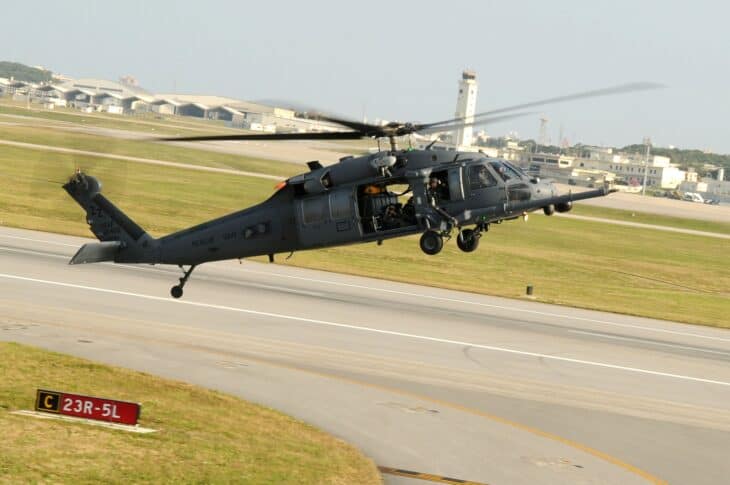

Kadena sprawls across about 4,900 acres of Okinawa, with an adjoining munitions area of another 6,300 acres. The Air Force calls it the largest US installation in the Asia-Pacific region and the Keystone of the Pacific, and its 18th Wing is the largest combat wing overseas by number of aircraft.
Its claim to size rests on people and aircraft rather than land. Nearly 18,000 Americans and more than 4,000 Japanese employees and contractors make up the base community, and two 12,100-foot runways handle the traffic.
Its fighter line is in transition. The last of its F-15Cs left in March 2025, and the first permanent F-15EX jets are now due in 2027, so rotating F-22 Raptors fill the gap.
10. RAAF Base Amberley, Australia
.jpg)
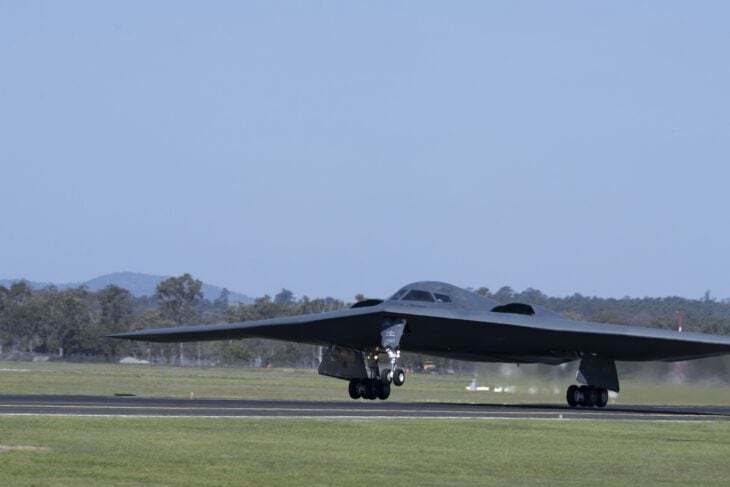
Amberley, about 25 miles (40 km) southwest of Brisbane, is officially Australia’s largest operational air base. It covers about 4,000 acres (1,600 ha) and employs more than 5,000 people.
Its based aircraft include F/A-18F Super Hornets, EA-18G Growler electronic attack jets, KC-30A tankers and C-17A transports, on a site that has been an air base since 1940.
11. Ramstein Air Base, Germany
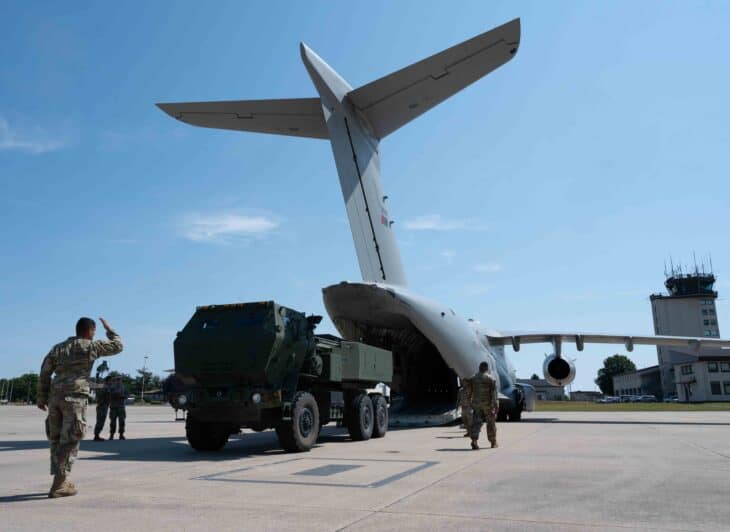

Ramstein covers about 3,500 acres (1,400 ha), and it is the headquarters base for American and NATO air power in Europe. It hosts the headquarters of US Air Forces in Europe and NATO’s Allied Air Command, which since 2012 has been NATO’s only air command.
The community around it is bigger than the base. More than 50,000 Americans live in the Kaiserslautern Military Community, the largest American community outside the United States.
Its place may not last. A new NATO hub at Mihail Kogălniceanu in Romania is planned to cover about 7,400 acres (3,000 ha) by 2030, which would make it more than twice Ramstein’s size.
12. Incirlik Air Base, Turkey
.jpg)
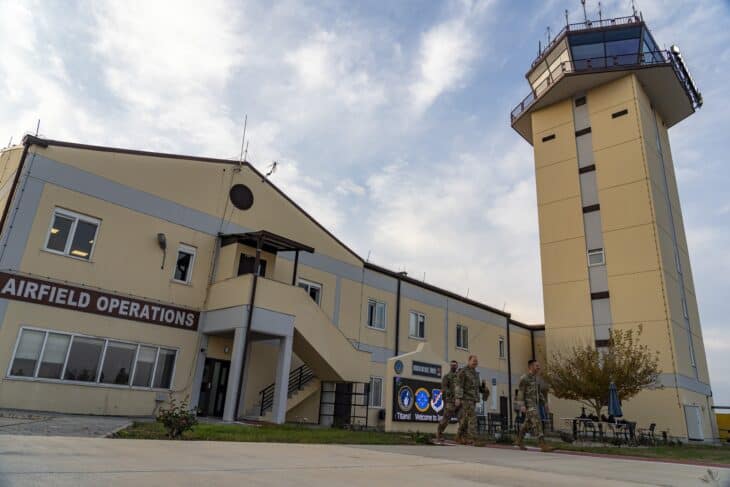
Incirlik covers 3,323 acres near Adana in southern Turkey, almost exactly Ramstein’s size. It is a Turkish Air Force base, where the US 39th Air Base Wing is a long-term guest.
It has a single 10,000-foot (3,048 m) runway and about 57 hardened aircraft shelters. On March 4, 2026, NATO missile defenses intercepted a ballistic missile believed to be aimed at the base, which Iran denied firing.
The ranges are far bigger than any base
The bases above are not the largest pieces of military aviation real estate. The training and test ranges attached to some air bases dwarf every installation on this list, including China Lake.
The Nevada Test and Training Range, operated from Nellis Air Force Base, covers 2.9 million acres, about 4,530 square miles (11,740 sq km), with 12,000 square miles of airspace. The Air Force calls it the largest contiguous air and ground space available for military operations in the free world. Nellis itself covers only about 11,300 acres.
Australia’s Woomera Prohibited Area is bigger again. It covers about 122,000 square kilometers (47,000 sq mi), roughly the size of England, and Australia’s Department of Defence calls it the largest land-based test range in the Western world.
Canada’s Cold Lake Air Weapons Range, operated by the fighter base at 4 Wing Cold Lake, covers about 11,750 square kilometers (4,500 sq mi). It is the largest low-level flying area in North America.
So why isn't Woomera number one?
Because a range is not a base. Woomera, the Nevada range and Cold Lake are mostly empty land under restricted airspace, with no runways or housing across nearly all of it. Counting them as base acreage would put a range that is the size of England at the top of a list about air bases, and lists that do so have quietly switched measures.
The largest air bases by people
Rank by the people who work at a base and the order changes again. Small Ramstein jumps to the top, because its community spills across the surrounding towns.
| Air base | People | What is counted |
|---|---|---|
| Ramstein, Germany | 50,000+ | Americans in the surrounding military community |
| Bagram, Afghanistan | ~24,000 | Troops and contractors, 2009 |
| Kadena, Japan | ~22,000 | Americans plus Japanese employees and contractors |
| Edwards, California | 10,000+ | Military, civilian and contract staff |
| Al Udeid, Qatar | ~10,000 | US troops, January 2026 |
| Andersen, Guam | ~8,000 | Service members, civilians, dependents and contractors |
| RAF Brize Norton, UK | ~7,300 | Service personnel, civilians and contractors |
| RAF Lakenheath, UK | ~7,000 | Active duty, British and US civilians |
Britain shows why the measures need separating. RAF Brize Norton calls itself the largest RAF station, with about 5,800 service personnel, but by land it is smaller than RAF Marham and RAF Lossiemouth.
RAF Lakenheath is bigger than all three, at 727 hectares (about 1,800 acres) in the Ministry of Defence’s estate figures, and it is run by the US Air Force. Its 48th Fighter Wing is the largest US fighter operation in Europe, flying F-15E Strike Eagles and F-35As.
What about China, Russia and India?
China and Russia publish no land area for any air base, so neither can be ranked honestly. Anyone who ranks them is guessing from satellite images.
China’s best-known giant is Dingxin, in the Gobi Desert, which defense analysts describe as roughly China’s answer to Nellis. Its huge apron regularly holds well over 100 aircraft, and it sits at the edge of the vast Shuangchengzi missile test range.
Russia’s most important air base is Engels-2, its only operating location for the Tu-160 Blackjack bomber, with two runways of 11,483 feet (3,500 m). It has been hit repeatedly by Ukrainian drones since 2024, but its size has never been published.
Is Hindon the largest air base in Asia?
India’s Hindon Air Force Station, near Delhi, is often called the largest air base in Asia and even the eighth largest in the world. Neither claim traces to any official Indian Air Force source we could find. The usual source is a 2019 IANS wire story that called it “one of the largest air bases in Asia” at over 55 square kilometers, while Wikipedia now gives 10.25 square kilometers. With figures five times apart and no official one, Hindon cannot be ranked.
One more name comes up constantly: Željava, on the Croatia and Bosnia border. It was the largest military air base and underground hangar in the former Yugoslavia, with 2.2 miles (3.5 km) of tunnels behind four 100-ton doors.
It opened in 1968, and in 1992 retreating forces blew up its runways and tunnels with 56 metric tons of explosives. It is now one of the most famous abandoned airports in the world, not an operating base.
Size and strength are different questions, too. A base list tells you where the land is, while our ranking of the largest air forces in the world tells you who has the aircraft to fill it.
FAQ
Sources and references used for research and fact-checking.
- Commander, Navy Region Southwest, US Navy, Naval Air Weapons Station China Lake
- JT4, China Lake Ranges
- Commander, Navy Region Southwest, US Navy, VX-31 tenant command
- Wikipedia, Naval Air Weapons Station China Lake
- Associated Press via Bakersfield Now, Quake damage estimate tops $5B at California Navy base
- ENR, Best Government/Public Building: South Airfield MILCON projects, NAWS China Lake
- Eglin Air Force Base, US Air Force, 96th Test Wing fact sheet
- Wikipedia, Eglin Air Force Base
- Edwards Air Force Base, US Air Force, 412th Test Wing fact sheet
- Wikipedia, Edwards Air Force Base
- Wikipedia, RAF Akrotiri
- Wikipedia, Incirlik Air Base
- Edwards Air Force Base, US Air Force, Edwards history
- Edwards Air Force Base, US Air Force, Base guide: mission
- Air & Space Forces Magazine, The Short, Strange Life of PSAB
- Wikipedia, Prince Sultan Air Base
- US Army, DoW announces death of USASMDC Soldier
- Andersen Air Force Base, US Air Force, 36th Wing overview infographic
- US Air Force, 36th Wing fact sheet
- US Air Forces Central, Patriot battery defends AUAB from airborne threats
- Reuters via Internazionale, Where are the main US military bases in the Middle East?
- Wikipedia, Al Udeid Air Base
- Qatar Tribune, Ballistic missile strikes Al Udeid base, no casualties: MoD
- Associated Press via NBC News, Bagram Air Base keeps growing
- Associated Press via News4Jax, US left Afghan airfield at night, didn't tell new commander
- Wikipedia, Bagram Airfield
- CBS News, Trump says US wants Bagram air base back
- Military.com / Associated Press, Afghanistan says it thwarted Pakistani airstrike on Bagram Air Base
- Drop Site News, Inside Bagram airbase
- Military OneSource, Kadena Air Base in-depth overview
- Kadena Air Base, US Air Force, About Kadena Air Base
- Kadena Air Base, US Air Force, COMPACAF visits the Keystone of the Pacific
- Air & Space Forces Magazine, F-22s visit Kadena as 18th Wing still awaits arrival of F-15EX
- Wikipedia, Kadena Air Base
- Royal Australian Air Force, RAAF Base Amberley
- Australian Department of Defence, RAAF Amberley base induction
- Wikipedia, RAAF Base Amberley
- Wikipedia, Ramstein Air Base
- Ramstein Air Base, US Air Force, Where is Ramstein?
- NATO Allied Air Command, Headquarters Allied Air Command
- Incirlik Air Base, US Air Force, 39th Civil Engineer Squadron fact sheet (archived)
- The Defense Post, Largest NATO base in Europe being built in Romania
- Nellis Air Force Base, US Air Force, Nevada Test and Training Range
- Wikipedia, Nellis Air Force Base
- Australian Department of Defence, Woomera: about
- Encyclopedia of Saskatchewan, University of Regina, Cold Lake / Primrose Lake Air Weapons Range (4 Wing)
- Royal Air Force, RAF Brize Norton
- UK Ministry of Defence, Defence Estates Development Plan 2009, Annex A
- RAF Lakenheath, US Air Force, About RAF Lakenheath
- The War Zone, This massive desert base is China's version of America's Nellis Air Force Base
- Wikipedia, Engels-2 (air base)
- IANS via The Quint, Hindon Air Force Station to host civilian flights by March
- Wikipedia, Hindon Air Force Station
- Wikipedia, Željava Air Base
- N1, Once one of the most modern military bases is rotting away
Get the Newsletter
The latest aviation news and stories sent to your inbox.
About the Author

Tim is the owner and lead editor of AeroCorner since 2019, overseeing aviation content covering aircraft, airlines, airports, and the broader aviation industry. Through years of researching, writing, editing, and publishing aviation-focused content, he has developed extensive practical knowledge of commercial aviation and air travel. Based in Asia and a frequent traveler himself, Tim also brings firsthand passenger experience to AeroCorner’s coverage. Outside of publishing, he has also explored aviation firsthand through hands-on flight training in New Zealand.