

Table of Contents
The most famous abandoned airport in the world is Hong Kong’s Kai Tak, the harbor airport where jets banked low over apartment blocks. In the 12 months to August 2026, its English Wikipedia article drew 245,152 human readers, far ahead of Berlin’s Tempelhof at 164,941.
Most lists of abandoned airports are one writer’s favorites. This one ranks 16 closed airports by a number anyone can check: a full year of English Wikipedia pageviews, bots excluded, from September 2025 to August 2026.
The pattern is striking. The best-known closures were rarely failures: most were busy airports replaced by bigger ones, a story we unpack in why cities abandon their airports. The rest were killed by bad planning or by war.
| Rank | Airport | Lost airline service | Readers, 12 months | What it is now |
|---|---|---|---|---|
| 1 | Kai Tak, Hong Kong | 1998 | 245,152 | Stadium, cruise terminal, housing |
| 2 | Tempelhof, Berlin | 2008 | 164,941 | Public park |
| 3 | Tegel, Berlin | 2020 | 115,345 | Tech campus and housing site |
| 4 | Stapleton, Denver | 1995 | 109,229 | Central Park neighborhood |
| 5 | Atatürk, Istanbul | 2019 | 101,744 | Park, hospital, business jets |
| 6 | Phnom Penh, Cambodia | 2025 | 88,869 | Closed, park planned |
| 7 | Meigs Field, Chicago | 2003 | 88,544 | Lakefront park |
| 8 | Mirabel, Montreal | 2004 | 83,611 | Cargo and Airbus A220 assembly |
| 9 | Yasser Arafat International, Gaza | 2000 to 2001 | 80,167 | Ruins |
| 10 | Doncaster Sheffield, UK | 2022 | 66,250 | Closed, reopening planned |
| 11 | Doha International, Qatar | 2014 | 64,518 | State and private flights |
| 12 | Croydon, London | 1959 | 59,230 | Offices and visitor center |
| 13 | Ellinikon, Athens | 2001 | 51,296 | Construction site |
| 14 | Ciudad Real, Spain | 2011 | 46,222 | Aircraft storage |
| 15 | Floyd Bennett Field, New York | 1939 | 45,514 | National park, police heliport |
| 16 | Nicosia, Cyprus | 1974 | 38,526 | Sealed in the UN buffer zone |
How this ranking works
Fame is measured by one year of English Wikipedia readership, bots excluded. To qualify, an airport had to be a civil airport that has lost its scheduled passenger flights for good, whether the site now lies in ruins, has been built over, or still sees a trickle of cargo, business or state flights. The table says which. Berlin Schönefeld (67,377 readers) is left out because its runway lives on as the north runway of the new Berlin airport. Željava (41,090) was a military air base that never carried airline passengers. Leavesden and Brooklands were left out because their Wikipedia articles are now about a film studio and a motor-racing circuit, not the airfields.
1. Kai Tak Airport, Hong Kong

Kai Tak’s first recorded flight took place on Lunar New Year’s Day in 1925, according to Hong Kong’s Civil Aviation Department. It closed on July 6, 1998, when the last scheduled flight, Cathay Pacific CX251 to London Heathrow, left at two minutes past midnight.
It closed because it was full. Designed for 24 million passengers a year, it handled 29.5 million international passengers in 1996, making it the third-busiest airport in the world for international passengers. Traffic moved overnight to the new Hong Kong International Airport at Chek Lap Kok.
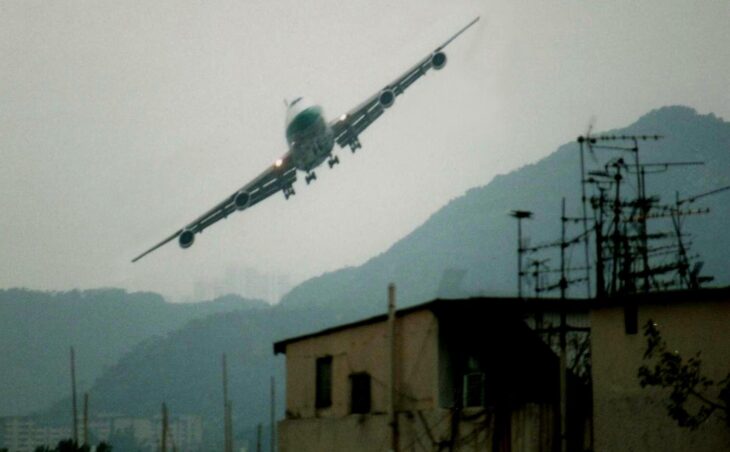
Its fame comes from the approach, one of the entries on our list of the most dangerous airports in the world. Pilots flew the final right turn at only a few hundred feet, rolling out low over the rooftops of Kowloon.
A view into the living room
The final turn into Kai Tak was flown so low over the city that passengers could see television sets running inside the apartments below.
The old runway is now a new district. The Kai Tak Cruise Terminal opened on its tip in 2013, and the Kai Tak Sports Park, with a 50,000-seat stadium on 69 acres (28 ha), opened on March 1, 2025, at a cost of HK$32 billion ($4.1 billion).
One popular claim is wrong: Kai Tak did have serious accidents. In 1965 a U.S. Marine Corps C-130 crashed after takeoff, killing 59 of the 71 people aboard.
2. Berlin Tempelhof Airport, Germany
Tempelhof was designated an airport in October 1923 and closed at midnight on October 30, 2008. A vintage DC-3 “Candy Bomber” and a Junkers Ju 52 made ceremonial last departures shortly before the airport shut.
It closed by political design. In 1996, Berlin, Brandenburg and the federal government agreed to build one big airport at Schönefeld, today’s Berlin Brandenburg Airport, and to close Tegel and Tempelhof in return.
A 2008 referendum to save Tempelhof won 60.2% of the votes cast but failed: the yes votes equaled only 21.7% of eligible voters, short of the 25% required.
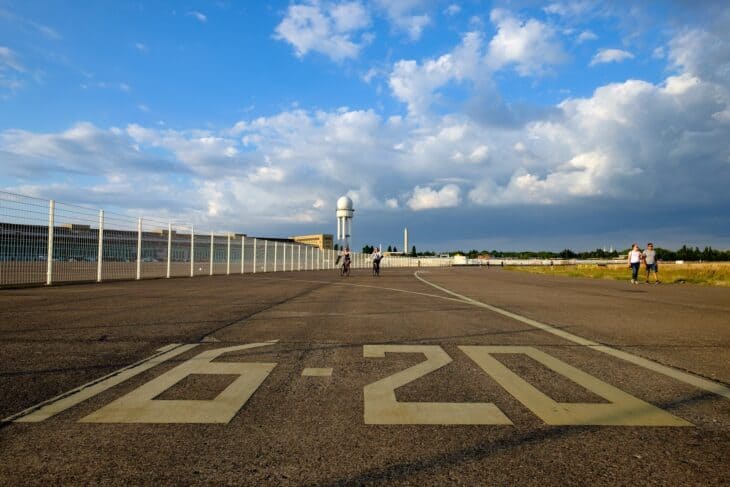
The airfield became Tempelhofer Feld in 2010, a park of about 740 acres (300 ha) that the city calls one of the world’s largest inner-city parks. Berliners voted in 2014 to ban building on it, though proposals to develop its edges came back before the city’s September 2026 election.
The terminal is an oddity of its own. It was once among the 20 largest buildings on earth, yet it also held what was billed as the world’s smallest duty-free shop.
3. Berlin Tegel Airport, Germany
Tegel was built in just 90 days during the Berlin Airlift, and the first aircraft landed on November 5, 1948. Its airport company says the 7,966-foot (2,428 m) runway was then the longest in Europe.
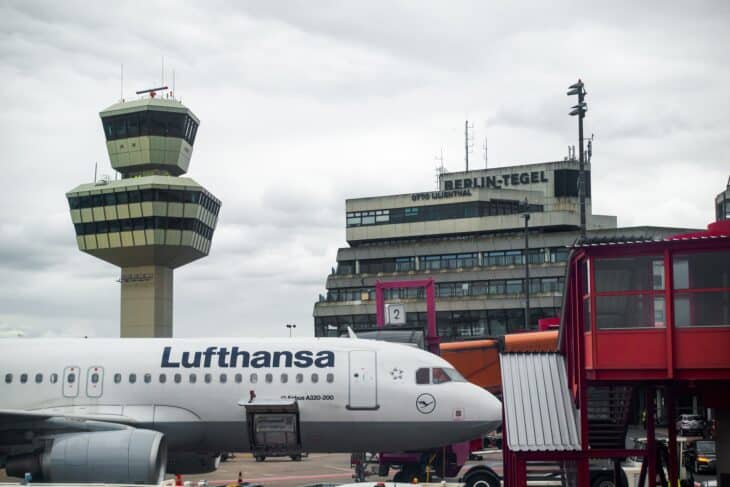
Its hexagonal terminal, opened in 1974, put passengers just 30 meters (about 100 feet) from car to plane. The architects say it was designed for 2.5 million passengers a year; in 2019 it handled a record 24.2 million.
The last flight, an Air France departure to Paris, left on November 8, 2020, after flights moved to the new Berlin airport. Berliners had voted 56% to keep Tegel open in a nonbinding 2017 referendum, but its closure was legally tied to the new airport’s opening.
The site is now being turned into the Urban Tech Republic, a research and industry park, plus a new district of more than 5,000 homes. For nearly four years it also held Germany’s largest refugee shelter, which housed about 5,500 people at its peak before closing at the turn of 2026.
4. Stapleton International Airport, Denver
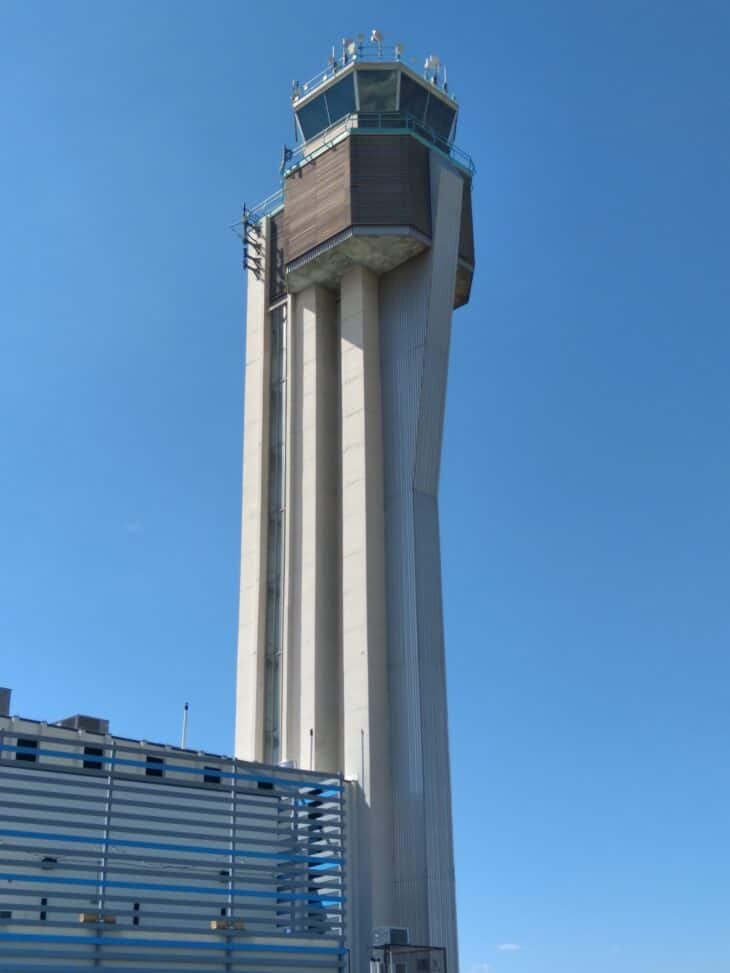
Stapleton opened as Denver Municipal Airport in October 1929 and closed on the night of February 27, 1995. At 12:01 a.m. the next morning, Denver International Airport opened in its place.
It was busy right to the end: 33.1 million passengers in 1994, its last full year, through 109 gates. But its parallel runways sat too close together for simultaneous landings in bad weather, and neighbors were suing over noise.
The airport that vanished from the map early
DIA’s opening slipped so many times that AAA’s 1994 map of Denver showed only blank white space where Stapleton should be, while Stapleton was still Denver’s airport.
The site is now a neighborhood of about 35,000 residents. It was renamed Central Park in 2020, because former mayor Benjamin Stapleton had been a member of the Ku Klux Klan. The 164-foot control tower is now a brewpub, FlyteCo Tower.
5. Atatürk Airport, Istanbul
.jpg)
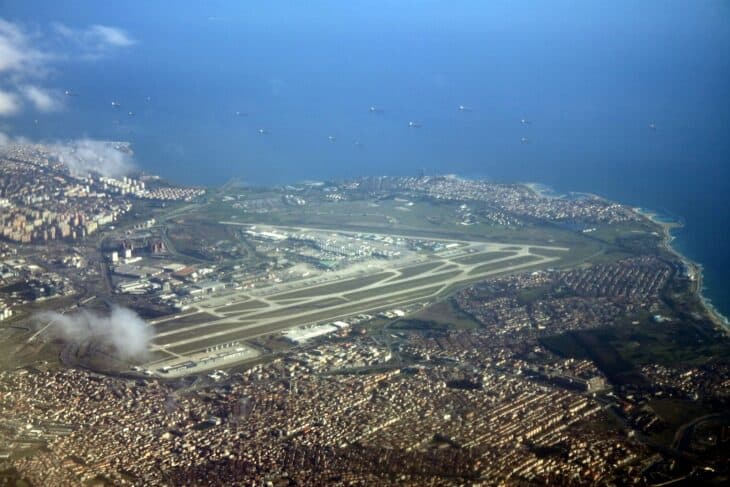
Atatürk was an airfield from 1912 and opened to international traffic in 1953. In 2018, its last full year, it handled 67,981,446 passengers, by far the busiest airport on this list.
It lost its passenger flights overnight on April 6, 2019, when the last Turkish Airlines departure left for Singapore. The new Istanbul Airport even took its IST code; Atatürk became ISL.
Pieces of it were then handed to other uses. A pandemic emergency hospital opened on two former runways in 2020, Turkish Cargo moved out in 2022, and a public park with about 300 acres (121 ha) of green space opened in 2025.
It is not fully abandoned. One runway stays open, and the field now serves business jets and government flights.
6. Phnom Penh International Airport, Cambodia
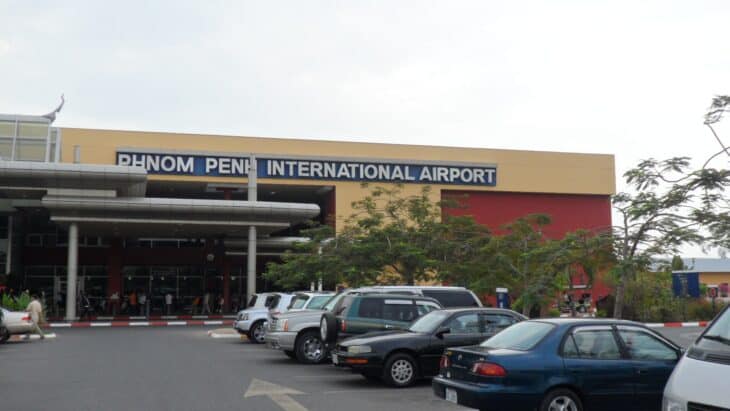

The newest closure on the list, Phnom Penh’s old airport at Pochentong ran its last flights on September 8, 2025. The next day, every flight moved to the $2 billion, Chinese-built Techo International Airport.
It had one runway and was already saturated, with a record 6 million passengers in 2019. Its high readership partly reflects the closure itself, which fell inside this year’s window.
Prime Minister Hun Manet said in October 2025 that the site “won’t be sold or leased” and will become a public park. The government has said a runway will be kept for emergency landings.
Pochentong has a harder history too. During a 1973 U.S. airlift of rice into the capital, Khmer Rouge forces fired an SA-7 missile at a C-130 as it departed the airfield.
7. Meigs Field, Chicago
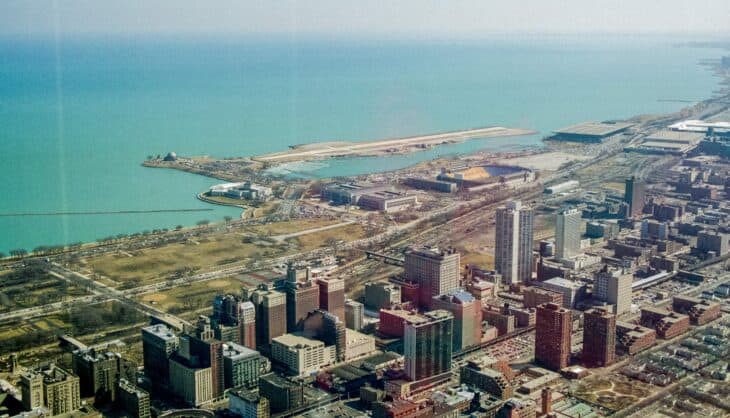

Meigs Field opened on the lakefront in December 1948 and, by 1955, was the busiest single-runway airport in the United States. It is remembered for how it ended.
At about 1:30 a.m. on March 31, 2003, city crews began tearing up the runway with no advance warning, not even to the FAA. Some 16 aircraft were stranded. Mayor Richard M. Daley cited post-9/11 security; critics said he was avoiding a long legal fight.
Chicago paid the FAA a $33,000 fine and repaid $1 million in grants. The site is now Northerly Island Park, 119.7 acres of prairie, savanna and a 5-acre pond, with an outdoor concert pavilion.
Millions of people have taken off from Meigs
Meigs Field was the default airport in Microsoft Flight Simulator until the city destroyed it. It was replaced in the 2004 edition of the software.
8. Montréal-Mirabel International Airport, Canada
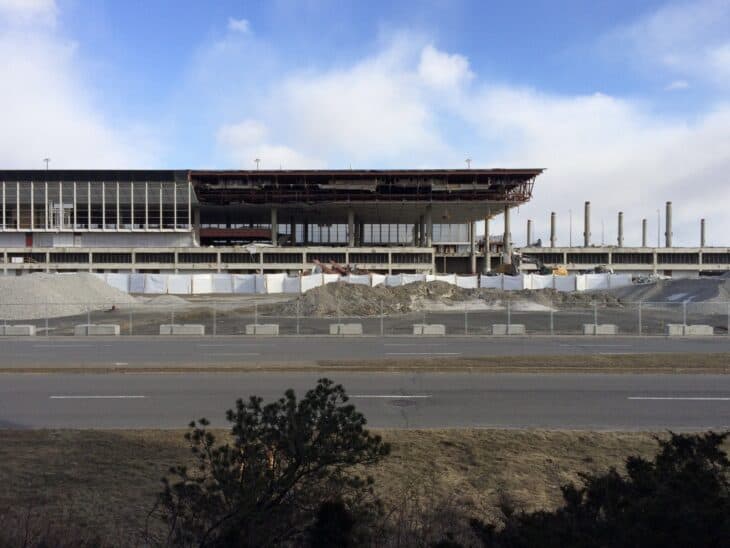

Mirabel, which opened on October 4, 1975, is the textbook airport failure. Canada expropriated 97,000 acres (39,250 ha) for it, an area larger than the city of Montreal, and forecast 17 million passengers a year through Mirabel by 1985.
It never passed 3 million. It was far from the city with poor transport links, and domestic flights stayed at Dorval, now Montréal-Trudeau, splitting the city’s traffic between two airports.
Scheduled flights moved back to Dorval in 1997, and the last passenger flight, an Air Transat departure to Paris, left on October 31, 2004. The terminal, which appears in the 2004 film The Terminal, was demolished between 2014 and 2016.
Mirabel is far from dead, though. Its runways handle cargo, medevac and private flights, and Airbus assembles the A220 there.
9. Yasser Arafat International Airport, Gaza
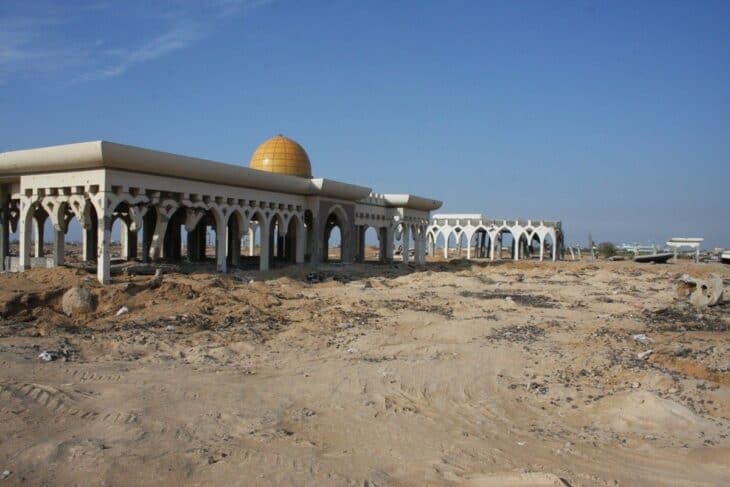

Gaza International Airport opened near Rafah on November 24, 1998. On December 14, U.S. President Bill Clinton and Palestinian leader Yasser Arafat inaugurated its VIP terminal.
Flights stopped in 2000 or 2001, soon after the Second Intifada began; sources disagree on the exact date. From December 2001, Israeli forces bombed the radar station and bulldozed the runway. Israel said it feared the airport would be used to smuggle in weapons and militants.
The airport was renamed for Arafat after his death in 2004. In 2005 the BBC found more than 450 people still on its payroll, from air traffic controllers to baggage handlers, at an airport with no flights.
By 2010, scavengers were breaking up the runway for gravel to resell. Videos circulated in May 2024 appeared to show what was left of the terminal being blown up; the site’s current state has not been independently documented.
10. Doncaster Sheffield Airport, England
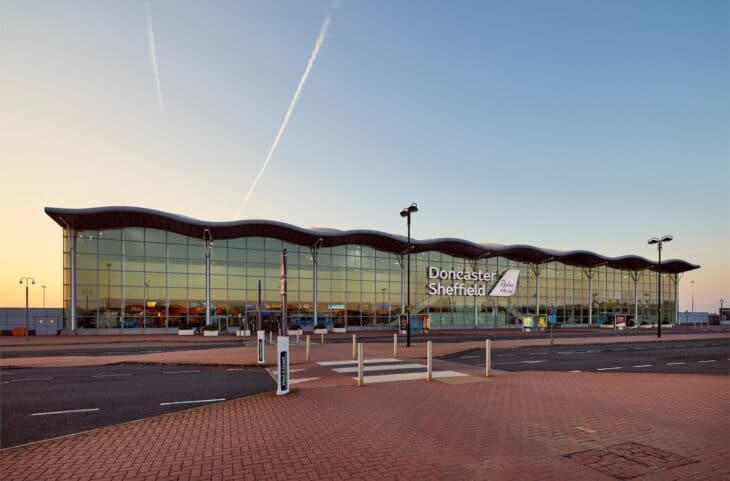
Doncaster Sheffield began life as RAF Finningley, a Vulcan bomber base, and opened as a commercial airport in 2005. It carried about 1.4 million passengers in 2019, its best year.
After Wizz Air withdrew its flights, owner Peel Group said the airport had “never achieved the critical mass” to be profitable. The last passenger flight, a TUI arrival from Egypt, landed on November 4, 2022.
It is the only airport in the top 16 with a funded plan to bring passengers back. The city council took a 125-year lease in 2024, Munich Airport’s international arm was hired to run it, and regional leaders approved a funding package of about £160 million in 2025.
That plan targets limited passenger and cargo flights from winter 2027 and full passenger service from summer 2028. As of September 2026, the money still depends on renegotiating the lease with Peel.
11. Doha International Airport, Qatar
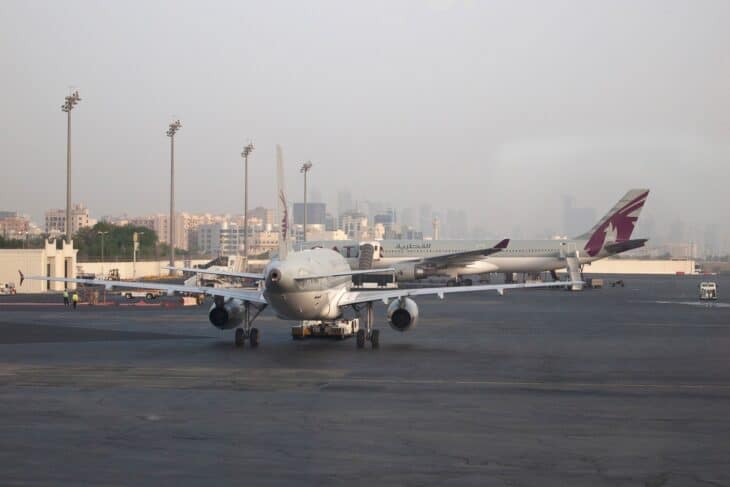

Doha International lost all its scheduled flights on May 27, 2014, when Qatar moved them to the new Hamad International Airport.
Then it came back, briefly. For the 2022 FIFA World Cup, 13 airlines flew from the old airport between September 15 and December 30, 2022, before moving out again.
Today the field handles general aviation and state and diplomatic flights, much like Atatürk.
12. Croydon Airport, London
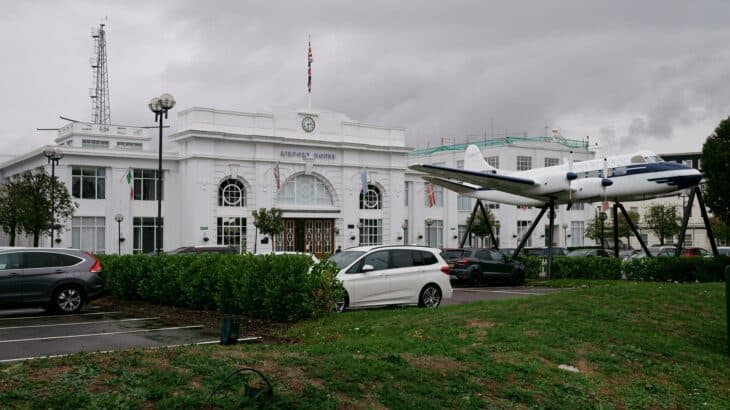

Croydon opened on March 29, 1920, as London’s main international airport, and it was the first airport in the world to introduce air traffic control. Charles Lindbergh landed there in the Spirit of St. Louis in 1927 to a crowd of more than 100,000.
Amy Johnson took off from Croydon on May 5, 1930, for her record flight to Australia. But the airport had no land to expand, and London’s main airport role passed to Heathrow.
The last scheduled flight left at 6:15 p.m. on September 30, 1959. Unlike the pioneers still flying on our list of the oldest airports in the world, Croydon survives only as a building: the 1928 terminal, Airport House, is Grade II* listed, and its control tower holds a visitor center.
13. Ellinikon International Airport, Athens
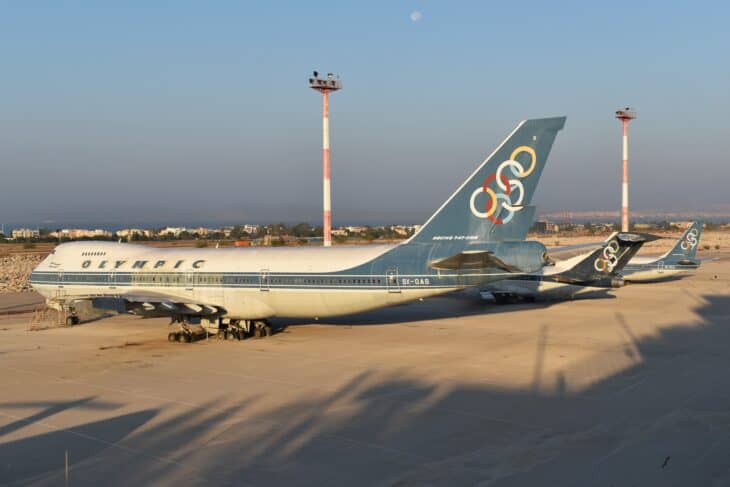
Ellinikon opened as Kalamaki Airfield in 1938 and closed on March 28, 2001. In its last year it served 13.5 million passengers, against an official capacity of 11 million.
All flights moved to the new Athens International Airport at Spata, about 12 miles (20 km) east. The old East Terminal was designed by the firm of the Finnish-American architect Eero Saarinen.
The aprons hosted venues for the 2004 Olympics, and in 2020 a Boeing 747-200, a 737 and a 727 still sat derelict at the edge of the site. It is now a vast construction site for The Ellinikon, a redevelopment of homes, towers, a marina and a park, with the first homes due in 2027.
14. Ciudad Real Central Airport, Spain
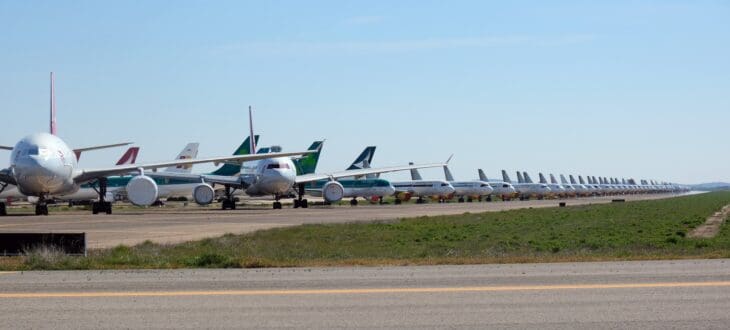

Ciudad Real opened in December 2008 as Spain’s first private international airport, and it became the symbol of the country’s construction bubble. It handled 53,557 passengers in 2009 against forecasts of more than a million a year.
Vueling, its last scheduled airline, left in October 2011, and all operations stopped in April 2012. Its cost is disputed, with figures ranging from about €450 million to €1.1 billion depending on what is counted.
In 2015 a Chinese investment firm bid €10,000 for it, and the court rejected the offer. It finally sold in 2016 for €56.2 million.
Ciudad Real reopened in 2019 as a place to park and dismantle jets, and it stored almost 80 during the pandemic. That makes it a cousin of the world’s biggest airplane graveyards rather than a working airport.
Even that status is murky. In January 2025, Spain’s civil aviation authority refused to renew the company that provided the airport’s flight information service.
15. Floyd Bennett Field, New York City

.jpg)
Floyd Bennett Field, dedicated in 1931, was New York City’s first municipal airport. Record flights made it famous: Wiley Post finished the first solo flight around the world there in 1933, and Howard Hughes started and finished his 1938 round-the-world flight there.
Also in 1938, Douglas “Wrong Way” Corrigan filed a flight plan to the West Coast and flew 3,150 miles (5,070 km) to Dublin instead.
Busy with planes, empty of passengers
In 1933, Floyd Bennett Field logged 51,828 arrivals and departures, second in the country by flights. Its airlines carried 52 passengers that year. Newark, which had the airmail contracts, carried about 120,000.
Airline service drained to LaGuardia after it opened in 1939, and the Navy took over the field in 1941. It is now part of Gateway National Recreation Area, with the only legal campground in New York City and an NYPD helicopter base.
16. Nicosia International Airport, Cyprus
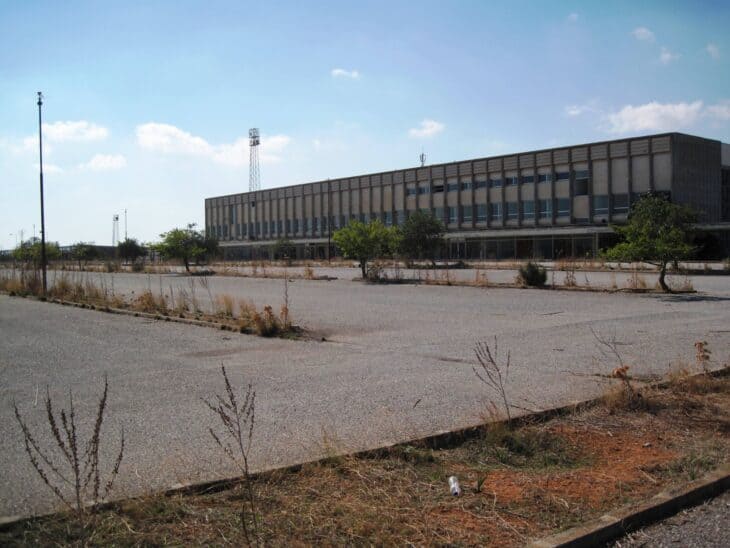

Nicosia opened to commercial flights in 1947 and reportedly served nearly 800,000 passengers by 1973. In July 1974, Turkish forces responding to a coup on the island launched air raids on the airport.
The UN declared the airport a Protected Area that summer, and it has sat in the buffer zone dividing the island ever since. The last airliners, three stranded Cyprus Airways jets, were flown out under special UN authorization in 1977.
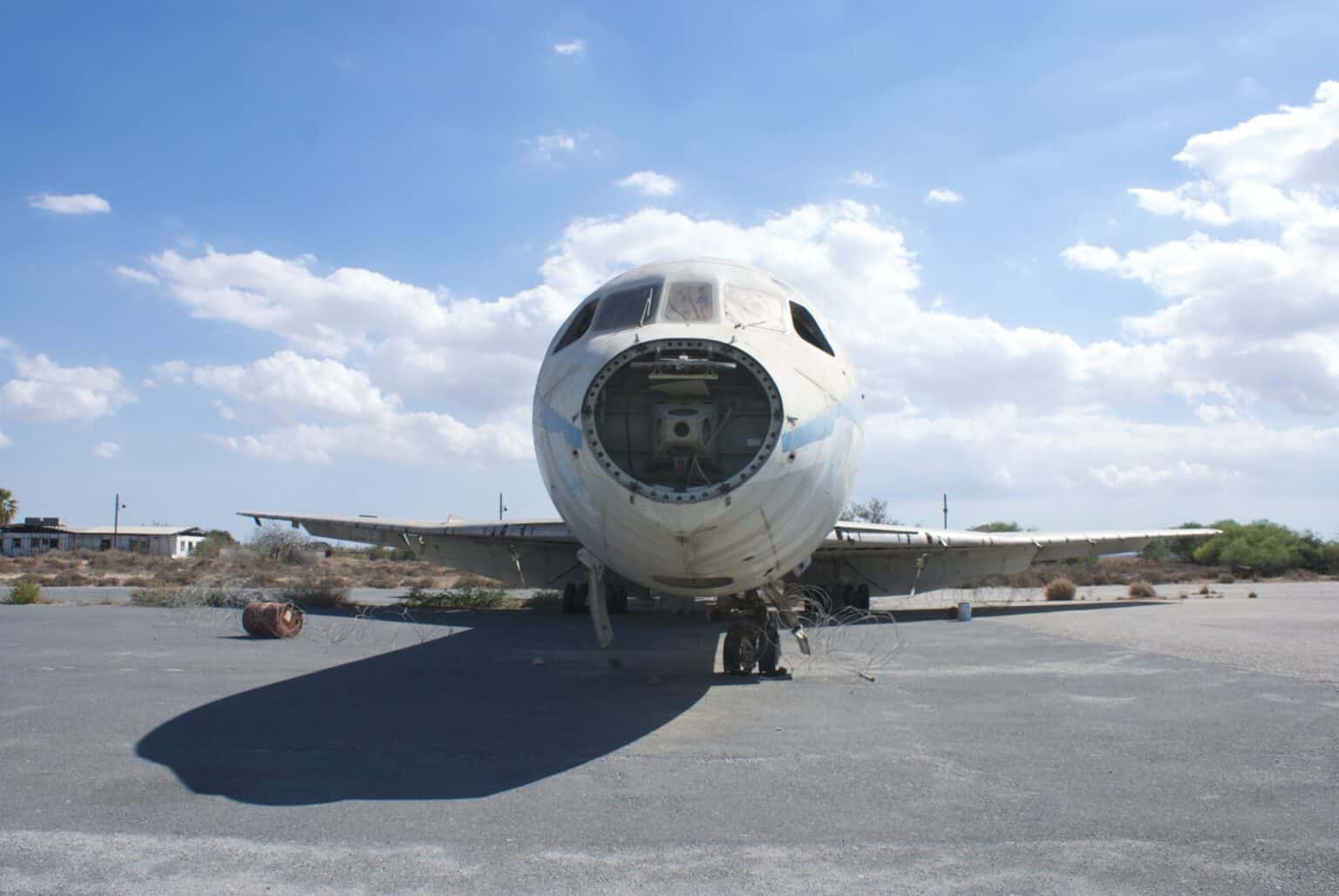
It is the purest abandoned airport on the list: nothing replaced it on the spot, and nothing was built over it. A Cyprus Airways Hawker Siddeley Trident still sits beside the terminal, its engines stripped in 1974 to repair another of the airline’s jets.
In February 2026, a bicommunal group proposed restoring that last aircraft as a museum, pending approval from the UN. The UN peacekeeping force still describes the airport as closed.
Just Outside the Top 16
Three more closures came close. Manston in Kent (34,432 readers), a military airfield from 1916 that later became an airport, lost its last scheduled flight on April 9, 2014, and closed that May.
Manston’s peak was about 207,000 passengers in 2005, against a 2001 forecast of 4 million by 2010. Its developer, RiverOak Strategic Partners, now targets a £750 million reopening as a cargo hub by 2029; no flights have resumed.
Tripoli International in Libya (33,793) has been closed to airlines since fighting in July 2014 damaged 20 aircraft. It partly reopened to private and medical flights in May 2025, and the transport ministry has scheduled a full opening for the fourth quarter of 2026.
Donetsk in Ukraine (29,323) opened a new terminal for Euro 2012 and lost all civilian flights in May 2014. Ukrainian troops held it for 242 days before losing control in January 2015; the terminal is a ruin, and satellite images show Russia building drone facilities there.
What about the world's emptiest airport?
Sri Lanka’s Mattala Rajapaksa International, labeled the world’s emptiest international airport by Forbes, is not abandoned: it opened in 2013, cost $209 million, and still takes charter flights. Spain’s Castellón airport opened in 2011 with no airlines at all, but it has since found them and carried a record 318,309 passengers in 2025. A ghost airport is not the same as an abandoned one.
What the Ranking Shows
The five most-read airports on the list, Kai Tak, Tempelhof, Tegel, Stapleton and Atatürk, were all busy when they closed. Each was replaced by a bigger airport, not by nothing.
The famous failures, Mirabel, Ciudad Real and Doncaster Sheffield, draw fewer readers. And the two airports that war closed, Nicosia and Gaza, are the only ones in the top 16 that nobody has reused, because no one has been able to decide what should replace them.
FAQ
Sources and references used for research and fact-checking.
- Wikimedia Foundation, Pageviews API: Kai Tak Airport, September 2025 to August 2026
- Hong Kong Civil Aviation Department, Kai Tak Airport 1925-1998
- Wikipedia, Kai Tak Airport
- China Daily Hong Kong, Kai Tak Sports Park opens
- Wikipedia, Berlin Tempelhof Airport
- NBC News / Associated Press, Last flight lifts off from Berlin's Tempelhof
- berlin.de, Tempelhofer Feld
- Flughafen Berlin Brandenburg GmbH, History of Berlin Tegel Airport
- gmp Architects, See you again, TXL
- NPR, Berliners vote to keep Cold War-era airport open
- Entwicklungsstadt Berlin, Auf dem Flughafen Tegel beginnt der Wohnungsbau
- Entwicklungsstadt Berlin, Berlin-Tegel: einst größte Flüchtlingsunterkunft Deutschlands geschlossen
- Wikipedia, Stapleton International Airport
- Airport Improvement, Denver International Airport celebrates 30th anniversary
- Westword, One of our airports is missing
- Thirst Colorado, Central Park neighborhood profile
- Denverite, Central Park will replace Stapleton as the neighborhood's name
- Denverite, FlyteCo Tower tours at Stapleton
- Wikipedia, Istanbul Atatürk Airport
- Cumhuriyet, Atatürk Havalimanı ne zaman açıldı, ne zaman kapatıldı
- Hürriyet, Atatürk Havalimanı'nın enleri
- NTV, Atatürk Havalimanı Millet Bahçesi açıldı
- CNN Türk, Bakan Kurum açıkladı: Atatürk Havalimanı'nda bir pist açık tutulacak
- Universal Weather and Aviation, Istanbul business aviation destination guide
- Radio Free Asia, Cambodia opens new airport near Phnom Penh
- Wikipedia, Phnom Penh International Airport
- Airport World, Phnom Penh airport traffic 2019
- Cambodianess, PM reaffirms park plan for old airport
- Air Mobility Command Museum, Cambodian Rice Airlift
- Wikipedia, Meigs Field
- AOPA, Mayor Daley bulldozes Chicago's Meigs Field
- NBC Chicago, What has become of Chicago's Meigs Field
- WTTW, How did Meigs Field become Northerly Island park
- Chicago Park District, Northerly Island Park
- View from the Wing, Meigs Field and Microsoft Flight Simulator
- Wikipedia, Montréal-Mirabel International Airport
- openparliament.ca, House of Commons debates, February 10, 2011
- Al Jazeera, Gaza airport, the legacy of a Palestinian dream
- Times of Israel / AFP, 20 years after its opening, destroyed Gaza airport embodies grounded peace hopes
- BBC News, Gaza airport staff wait for take-off
- Ynetnews, Gaza airport ruins scavenged
- Wikipedia, Yasser Arafat International Airport
- Yabiladi, Israel destroys Gaza airport
- BBC News, Doncaster Sheffield Airport under review
- Doncaster Free Press, Doncaster Sheffield Airport one year on from final flight
- Doncaster Free Press, MP urges rethink on rejected Doncaster Sheffield Airport rail link
- City of Doncaster Council, International airport expertise secured to reopen Doncaster's airport
- Barnsley Council / SYMCA, South Yorkshire leaders vote for long-term plan to fully reopen Doncaster Sheffield Airport
- Yorkshire Post, Doncaster Sheffield Airport lease negotiations continue
- Qatar Tribune, 13 airlines to start ops at HIA from Dec 31
- Wikipedia, Doha International Airport
- Wikipedia, Croydon Airport
- Historic Croydon Airport Trust, History of the Trust
- Wikipedia, Ellinikon International Airport
- CNN Travel, Greece's abandoned airport
- To Vima, Ellinikon project sets timeline for homes and retail opening
- Wikipedia, Ciudad Real International Airport
- Xataka, Qué fue del aeropuerto de Ciudad Real
- The Olive Press, Ciudad Real ghost airport finally sold
- American Journal of Transportation / Bloomberg, Spanish ghost airport reinvents itself as park for idle jets
- National Park Service, Floyd Bennett Field
- National Park Service, Floyd Bennett Field historic flights
- Wikipedia, Floyd Bennett Field
- UNFICYP, The United Nations Protected Area and Old Nicosia Airport
- CNN Travel, Nicosia airport, abandoned since 1974
- Wikipedia, Nicosia International Airport
- Euronews, Abandoned Nicosia airport set to become a museum
- Wikipedia, Manston Airport
- UK Parliament, Written evidence from No Night Flights
- The Loadstar, Manston developer seeks more funds to open new air cargo hub
- Swissinfo / Reuters, Shelling of Libya's main airport damaged 20 aircraft
- APA News, Libye: reprise des vols privés et médicaux à l'aéroport de Tripoli
- Libya Herald, Tripoli International Airport to open in fourth quarter of 2026
- Wikipedia, Donetsk International Airport
- Ukrinform, Ukraine commemorates defenders of Donetsk airport
- Euromaidan Press, Satellite images show Russia building at Donetsk airport
- Daily FT, Forbes spotlight on the world's emptiest international airport
- Daily Mirror Sri Lanka, Mattala Airport accumulates Rs. 39 bn in losses
- Valencia News, Castellón airport passenger record 2025
- Boletín Oficial del Estado, Resolución de la Dirección General de Aviación Civil sobre el servicio AFIS del Aeropuerto de Ciudad Real
- Wikipedia, Castellón-Costa Azahar Airport
Get the Newsletter
The latest aviation news and stories sent to your inbox.
About the Author

Tim is the owner and lead editor of AeroCorner since 2019, overseeing aviation content covering aircraft, airlines, airports, and the broader aviation industry. Through years of researching, writing, editing, and publishing aviation-focused content, he has developed extensive practical knowledge of commercial aviation and air travel. Based in Asia and a frequent traveler himself, Tim also brings firsthand passenger experience to AeroCorner’s coverage. Outside of publishing, he has also explored aviation firsthand through hands-on flight training in New Zealand.