Light Passenger Jets
Bombardier CRJ 705
ICAO: CRJ9
The 50-seat regional jet that is outlasting its own retirement date
Updated: by Tim de Vries
The latest aviation news and stories sent to your inbox.
The Bombardier CRJ 200 is the 50-seat regional jet that put jet service into small-town airports across North America. It is a CRJ100 with more efficient CF34-3B1 engines, and United is still flying it through SkyWest into the 2030s.
Live Fleet Activity (CRJ2)
Fetching live data…
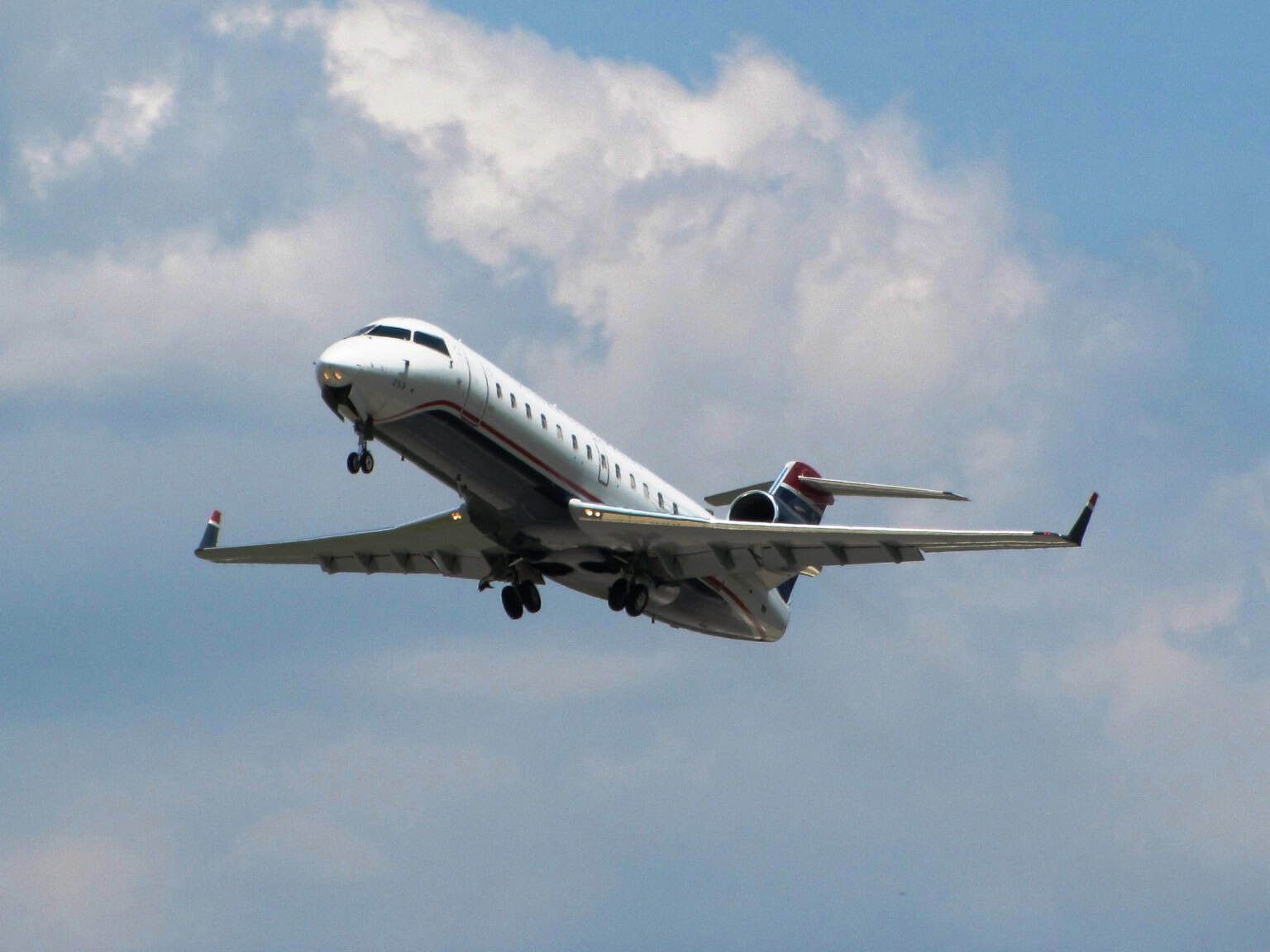

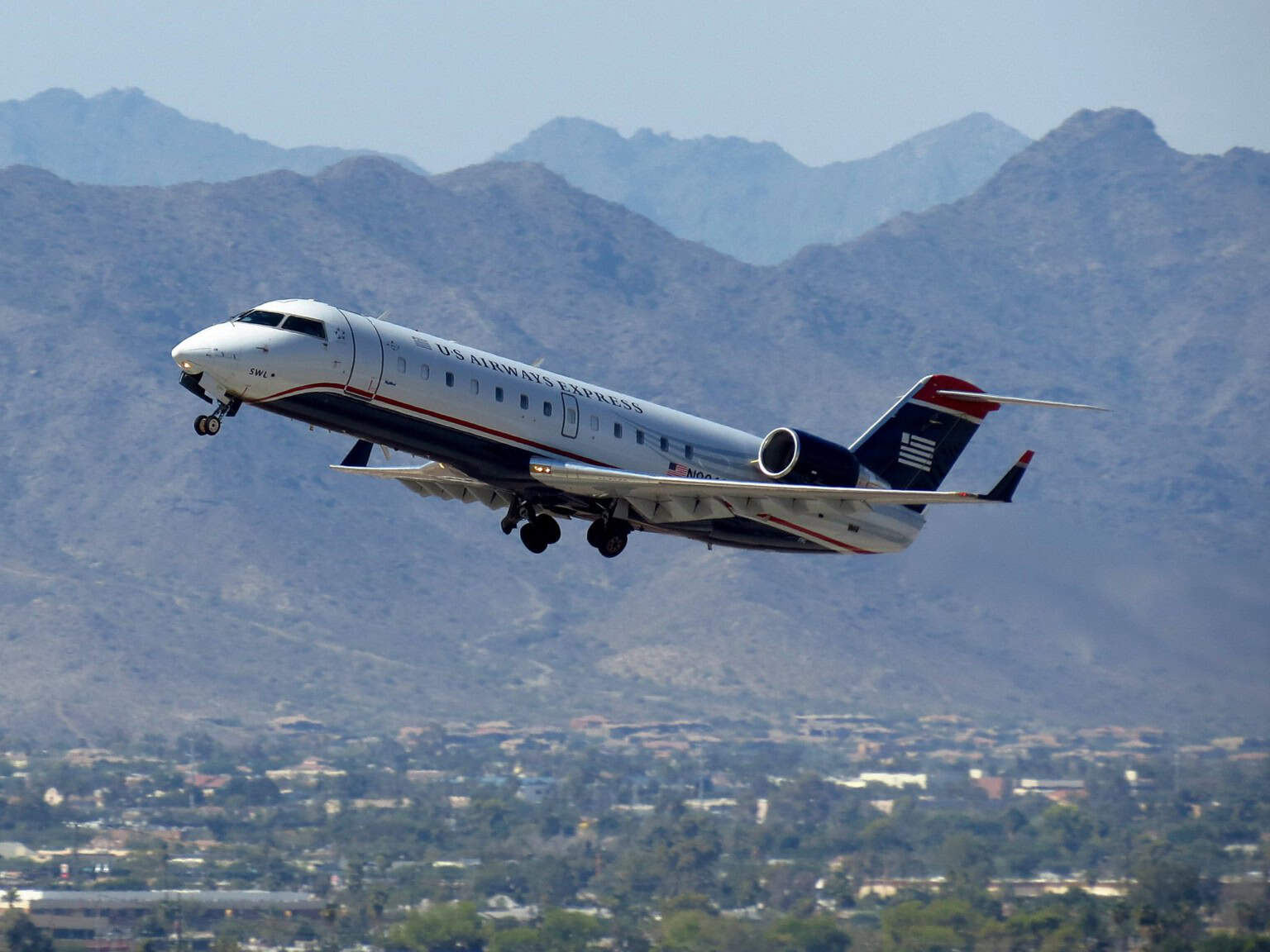


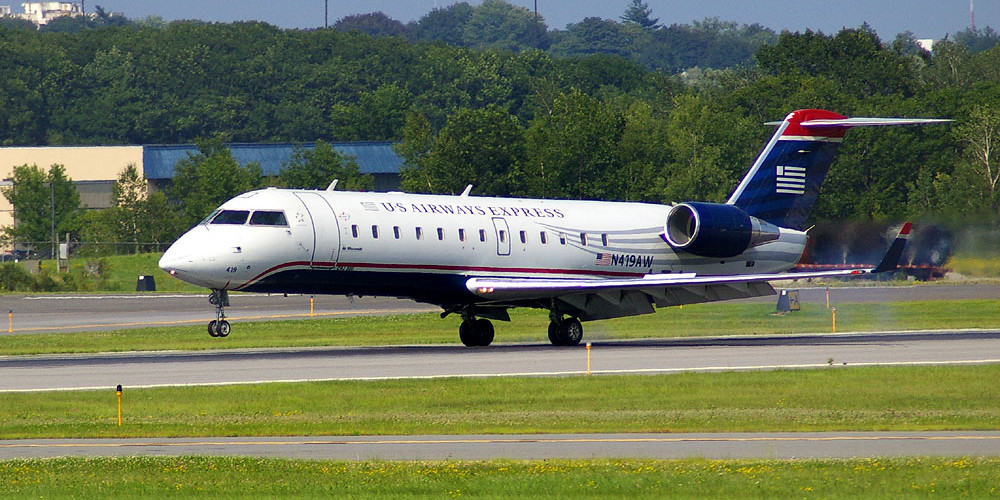

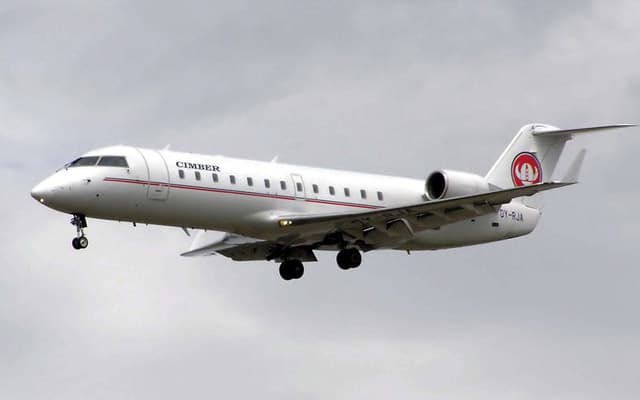
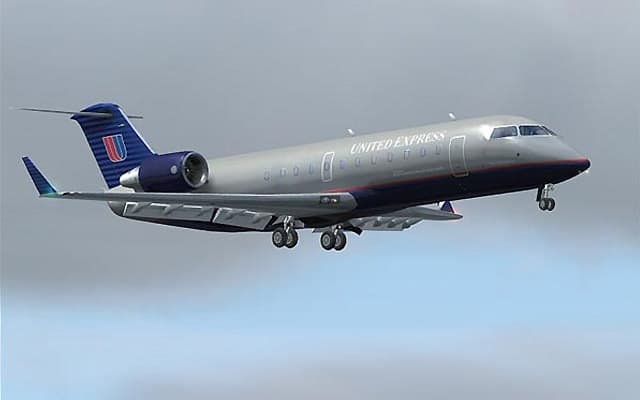
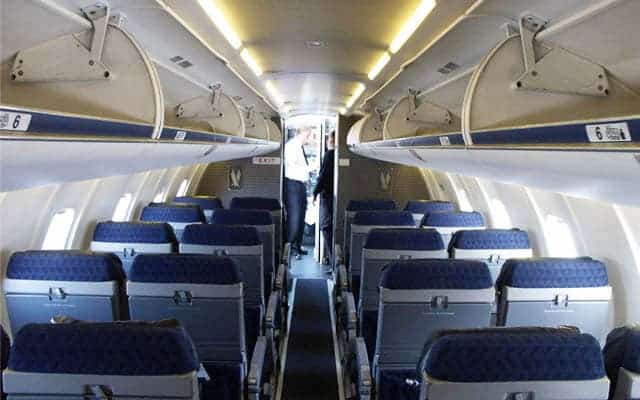
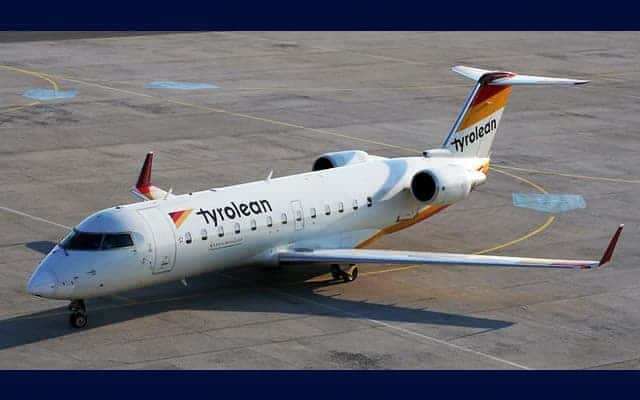
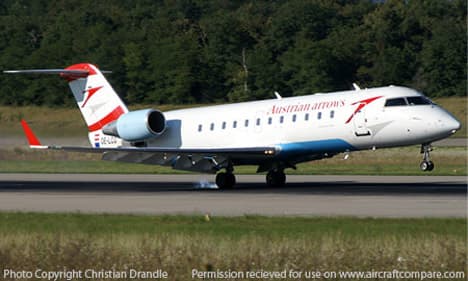
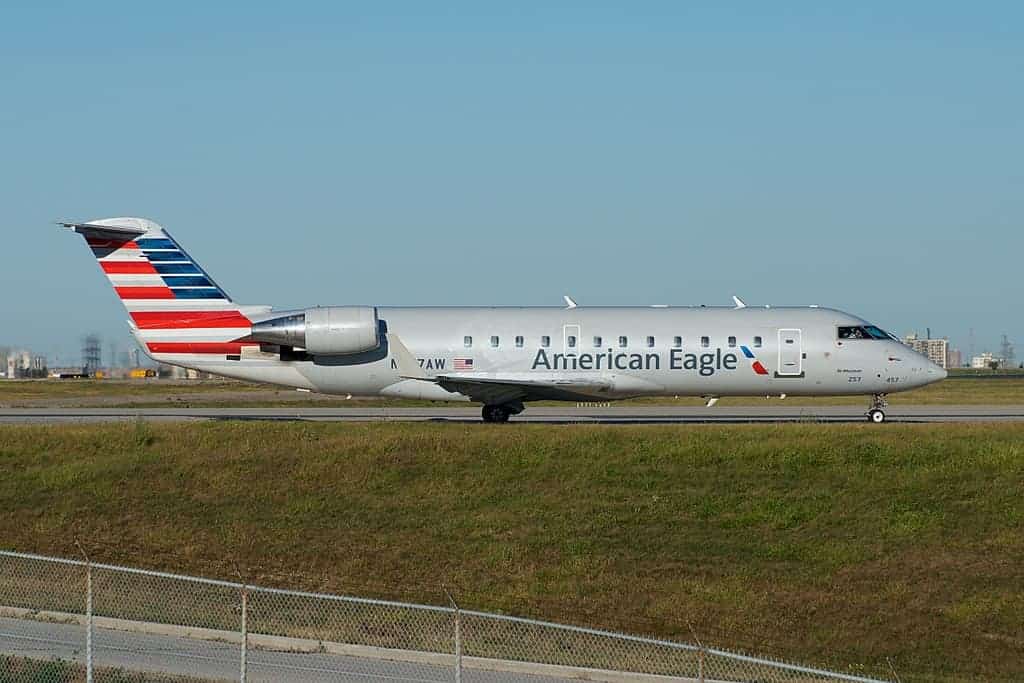

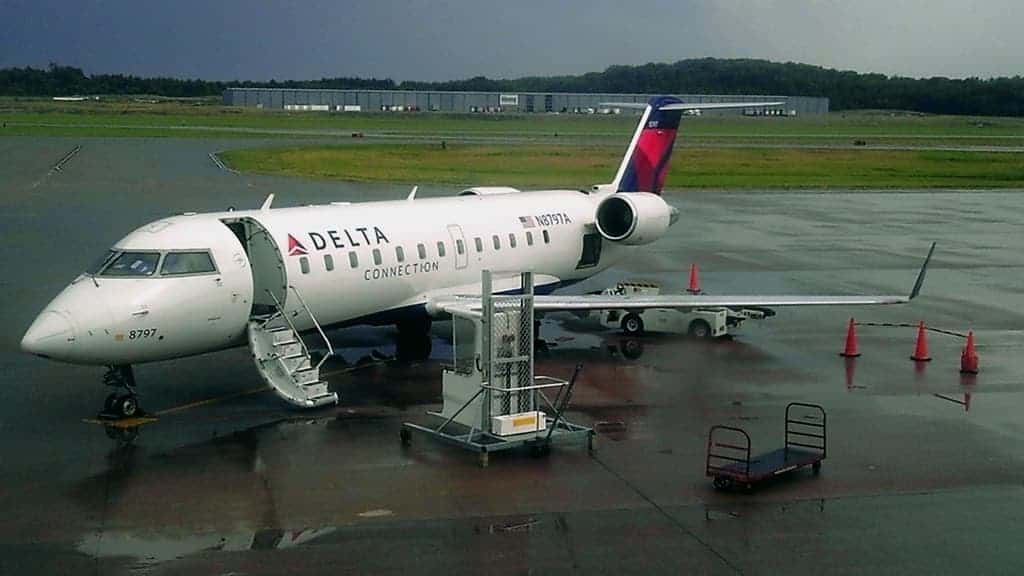
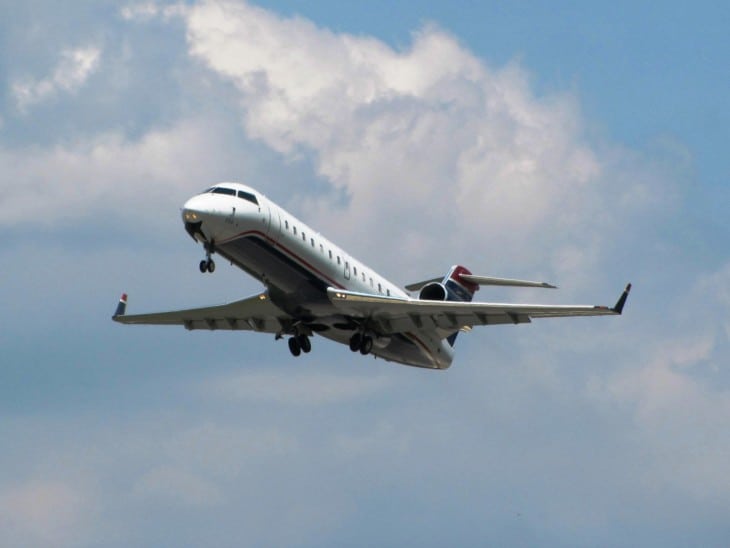
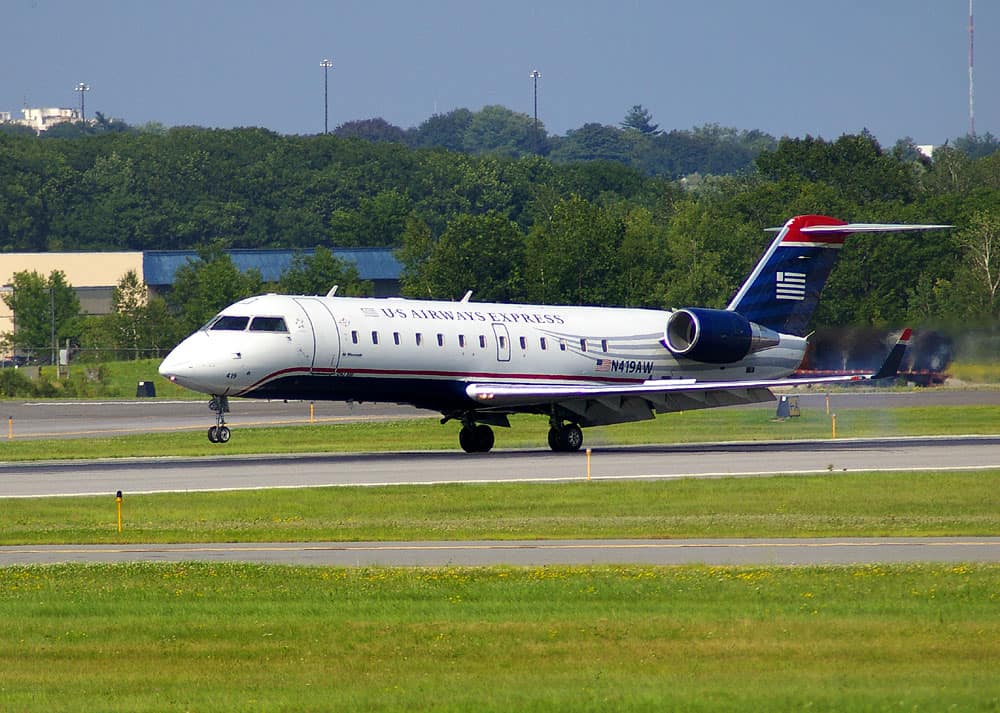
The Bombardier CRJ-200 is a 50-seat regional jet built from the Canadair Challenger business jet. It is the same airframe as the CRJ100, with General Electric CF34-3B1 engines.
For roughly two decades it carried passengers between small cities and big hubs that turboprops could not serve as quickly. It is also the aircraft many US travelers love to complain about, and it is still flying.
The full specification table for the aircraft is on this page. The sections below explain the numbers that need context.
The CRJ100 first flew on 10 May 1991. It was designed around a 50-seat cabin.
The CRJ200 followed as a near-identical sister ship. The main change from the CRJ100, which used CF34-3A1 engines, was the powerplant. SkyWest Airlines was the CRJ200 launch customer.
Production of the whole CRJ100/200 line ran from 1991 to 2006 and totaled 1,021 aircraft, according to Wikipedia. A 2015 breakdown counted 709 of them as CRJ200s.
The big wave of orders came from Delta Connection. In April 2000 it ordered 500 CRJs, a mix of CRJ200s and CRJ700s, in a deal reported at about $10 billion. Our CRJ 700 page covers the larger stretch that followed.
Two General Electric CF34-3B1 turbofans sit on the sides of the rear fuselage. Mounting the engines on the rear fuselage keeps the wing clean and the cabin floor low.
Normal cruise is about Mach 0.74, which gives it jet speed on short routes.
The trade is the cabin. Cabin height is 6 ft 1 in · 1.85 m, which leaves little headroom for tall passengers.
Fuselage length is 87 ft 10 in · 26.77 m. The wing span is 69 ft 7 in · 21.21 m.
The range in the panel, 1,700 nm · 1,960 mi · 3,150 km, belongs to the long-range CRJ200LR. The standard CRJ200ER version is rated at about 1,345 nm, according to Wikipedia.
The same split applies to weight and takeoff distance. The long-range version carries the higher maximum takeoff weight and needs the longer runway, so the figures in the panel describe the LR.
The speed rows show a top speed and a normal cruise. Normal cruise is Mach 0.74, and the high-speed cruise setting is Mach 0.81. Airlines fly it at the slower setting to save fuel.
The service ceiling is 41,000 ft · 12,500 m. Exceeding it contributed to the 2004 loss of Pinnacle Flight 3701, a CRJ200 repositioning flight.

The CRJ200 came in several forms, and the differences are mostly about range and seats.
The CRJ200ER and CRJ200LR differ in fuel and weight. The LR flies about 1,700 nm, while the ER manages about 1,345 nm.
The CRJ440 is a CRJ200 certified with 44 seats. It was created to fit US pilot contract limits on aircraft size.
The CRJ450 is a CRJ200 refitted with 41 seats in two classes, seven in first and 34 in economy. It is a marketing name for United Express flying by SkyWest.
The CRJ200PF is a package freighter developed with Cascade Aerospace for West Air Sweden. The business jet version is sold as the Challenger 850.
Delta retired its last CRJ200 from the regional network on 1 December 2023. The final flight ran from Elko to Salt Lake City, operated by SkyWest. Delta was moving to larger two-class regional jets, and the 50-seater was the last single-class type in Delta Connection.
American has also phased the type out. United is now the only major US airline still using it, through SkyWest.
That was supposed to end in 2025. On 30 October 2025, SkyWest announced a multi-year extension with United for up to 40 CRJ-200s into the 2030s.
SkyWest listed 73 CRJ-200s in service or under contract on 30 September 2025. Its commercial chief said the airline expects to fly around 100 CRJ-200s into the early 2030s across contract, prorate and charter flying.
United is also converting some of the fleet into the CRJ450, so the airframe is being given a second life rather than a retirement. Reported timelines for that program differ, so check the current schedule.
The CRJ-200 was built for cheap seats on short routes, and by 2013 the economics had shifted. Fuel costs made 50-seat jets uneconomical on many US routes, according to Wikipedia.
Delta, for one, chose larger two-class regional jets to replace it. Larger types in the family include the CRJ 900 The Embraer ERJ 145 competed in the same 50-seat class.

A standard CRJ-200 has 50 seats in a single-class layout. The CRJ440 version has 44 seats, and the CRJ450 conversion has 41 seats in two classes.
No. Delta retired its last CRJ200 from the regional network on 1 December 2023, ending single-class 50-seat service in Delta Connection. The last flight ran between Elko and Salt Lake City.
United, through SkyWest, is the only major US airline still operating it. SkyWest announced in October 2025 that up to 40 aircraft would stay on the United contract into the 2030s.
There is no reliable public figure. Wikipedia notes that a CRJ200ER delivered in 2003 carried a value of $21 million, and that the last aircraft delivered had fallen to about $2 million after 13 years. Real prices depend on hours, cycles, engine condition and maintenance status.
No. The CRJ100/200 line ended in 2006, after 1,021 aircraft in total.
It is the business jet version of the CRJ-200 airframe, built for corporate and VIP use.
Sources and references used for research and fact-checking.