
Light Passenger Jets
Embraer ERJ 145
ICAO: E145
The regional jet built to bridge capacity between the ERJ 135 and 145.

The latest aviation news and stories sent to your inbox.
The Embraer ERJ 140 was developed as a mid-capacity member of the ERJ regional jet family. Entering service in the early 2000s, it offered airlines flexibility between smaller and larger variants. The aircraft targeted short- to medium-haul regional markets.
Live Fleet Activity (E135)
Fetching live data…







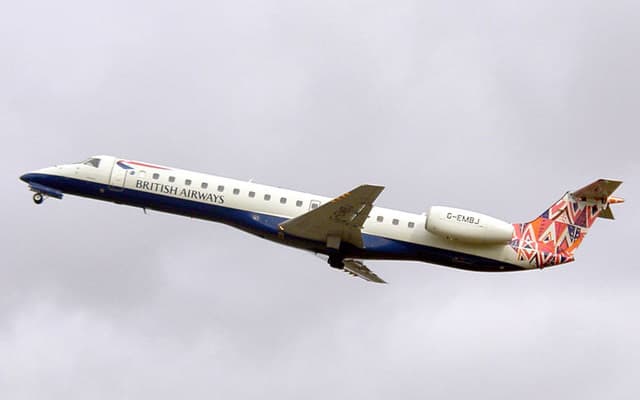
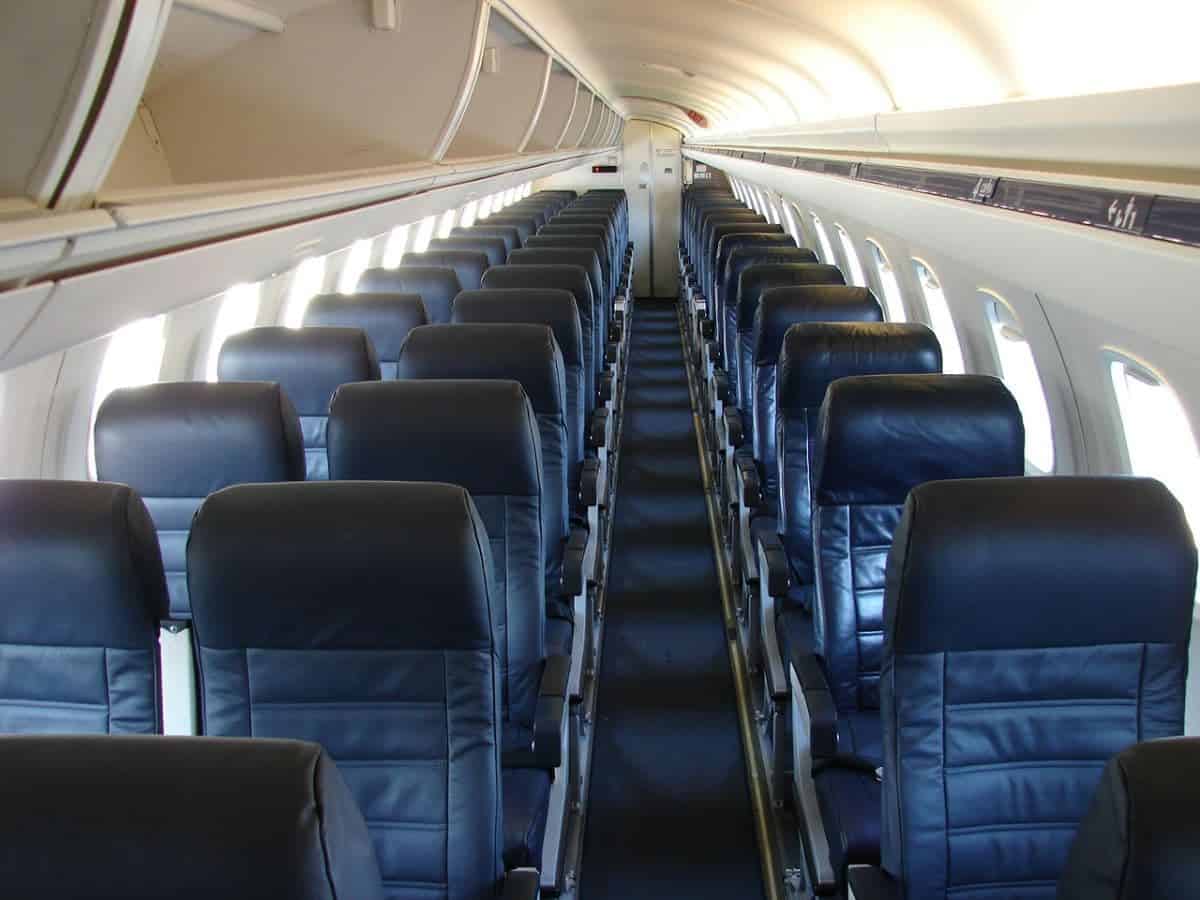
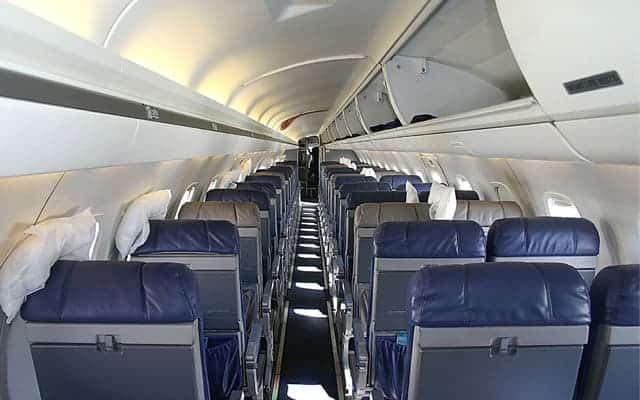




The ERJ 140 first flew in 2000 and entered service in 2001. It shared common systems and structure with the ERJ 135 and ERJ 145, reducing development costs and simplifying fleet integration. The fuselage length positioned it between its two sister models.
Two Rolls-Royce AE 3007 turbofan engines, each producing approximately 7,400 pounds of thrust (33 kN), powered the aircraft. Cruise speed was around Mach 0.78. Maximum takeoff weight exceeded 47,000 pounds (21,319 kg), with seating typically for about 44 passengers.
The ERJ 140 provided airlines with scheduling flexibility while maintaining fleet commonality. Production numbers were lower than the ERJ 145, but the aircraft filled a niche role in regional operations. It remains active with select operators worldwide.
Sources and references used for research and fact-checking.