Midsize Business Jets
The corporate jet built from a regional airliner platform.
The latest aviation news and stories sent to your inbox.
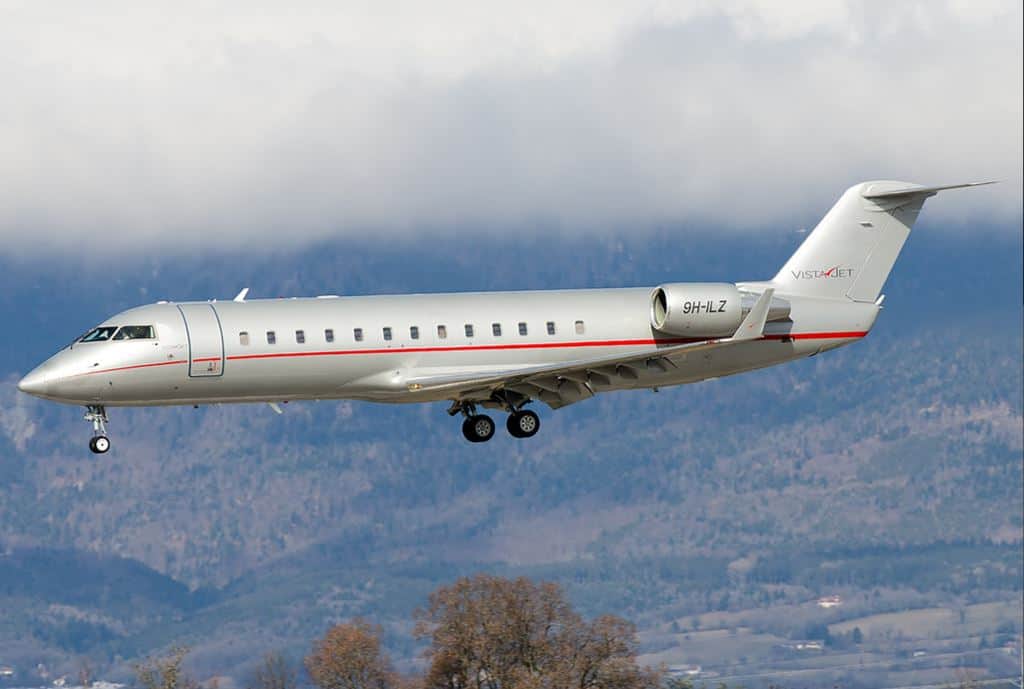
The Bombardier Challenger 850 was developed from the CRJ200 regional jet airframe and adapted for corporate use. Entering service in the mid-2000s, it offered one of the widest cabins in its class. The aircraft targeted operators seeking high passenger capacity in a business configuration.
Live Fleet Activity (CRJ2)
Fetching live data…
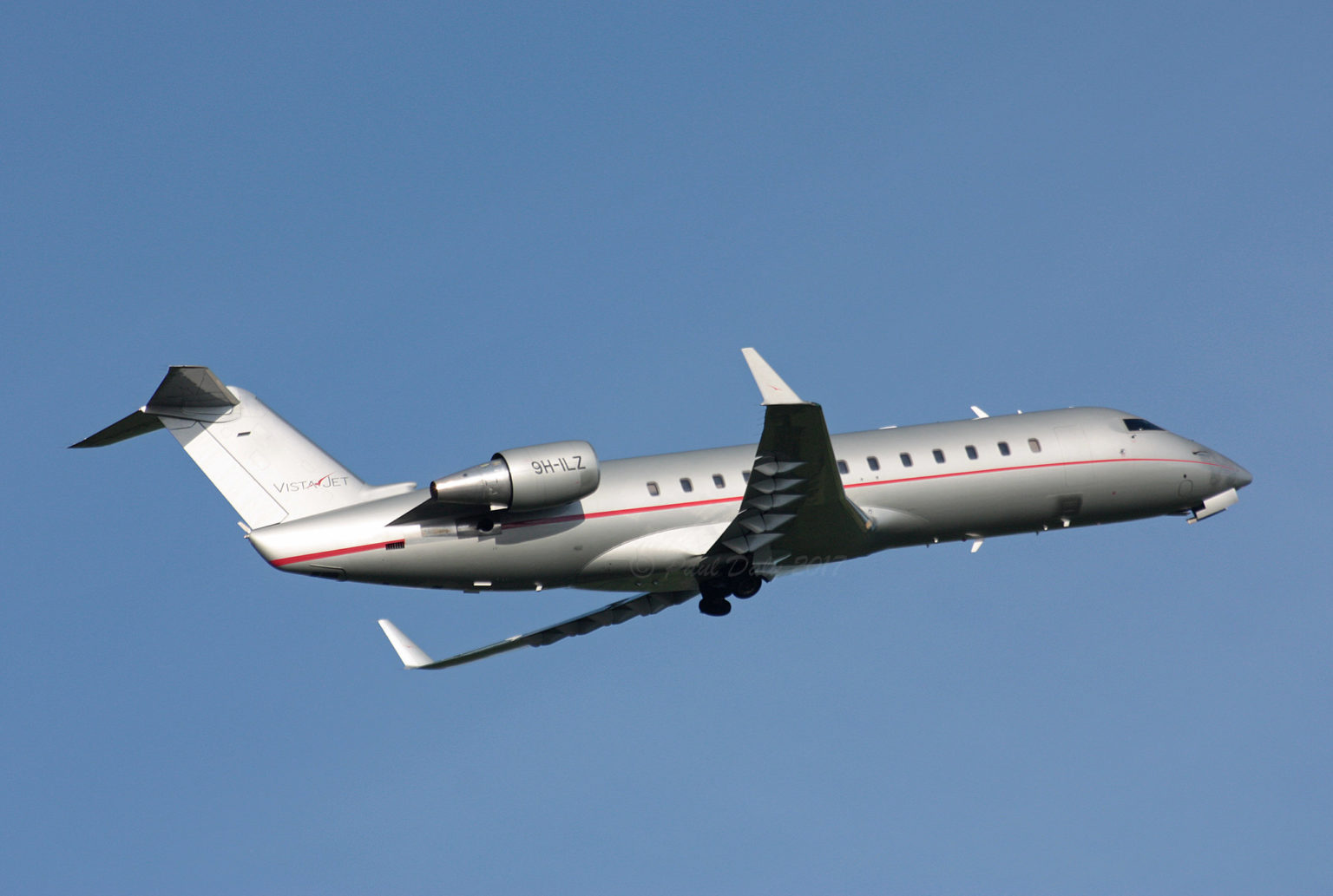


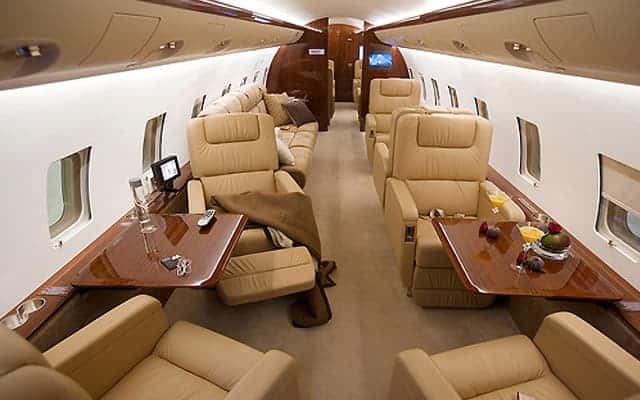
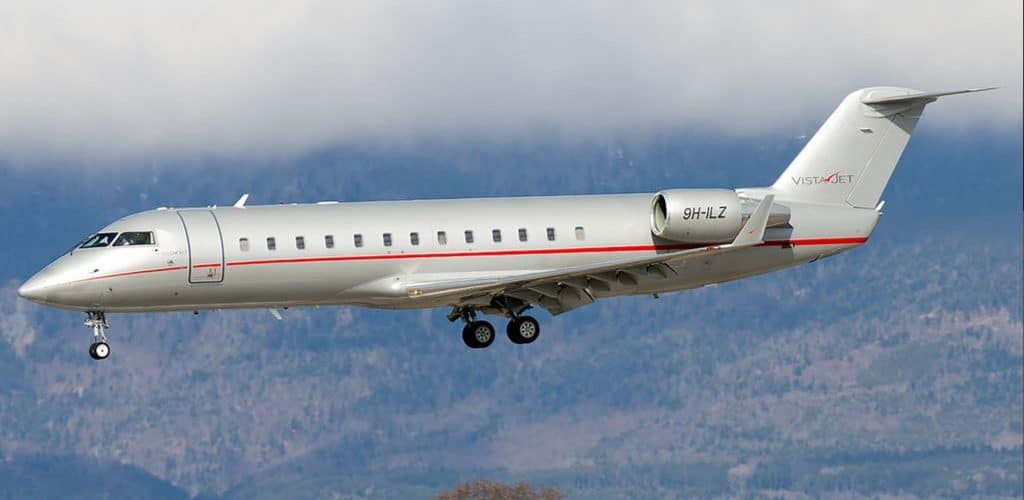


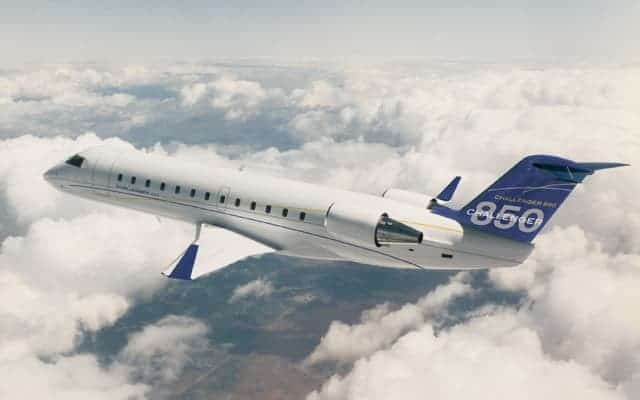
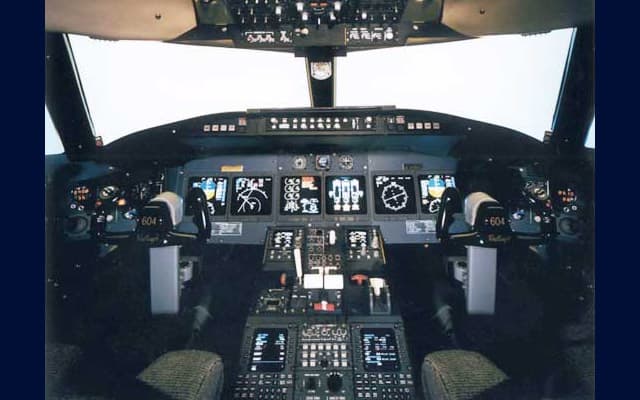
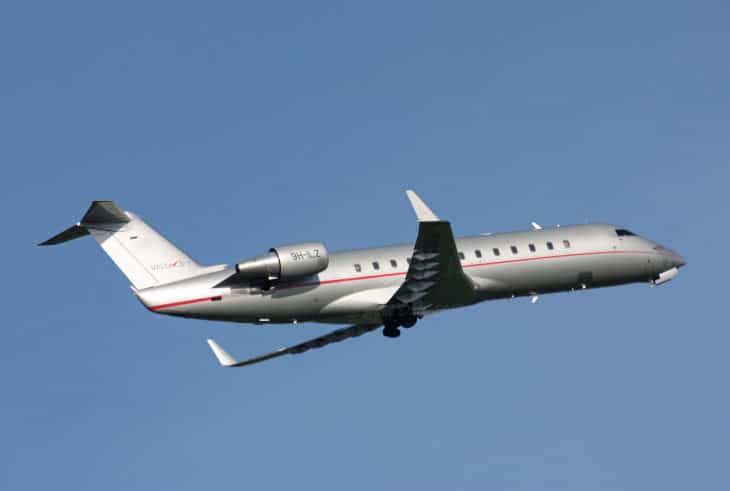
The Challenger 850 first flew in 2005 and entered service in 2006. Derived from a regional airline platform, it provided a large stand-up cabin and flexible seating arrangements. The aircraft emphasized group travel capability rather than maximum range.
Two General Electric CF34 turbofan engines producing approximately 8,729 pounds of thrust (38.8 kN) each power the aircraft. Cruise speed approaches Mach 0.80. Maximum takeoff weight exceeds 53,000 pounds (24,040 kg), with range around 2,800 nautical miles (5,186 km).
The 850 became popular for corporate shuttle missions and government transport. Production ended in the mid-2010s as demand shifted toward purpose-built business jets. The aircraft remains distinctive for its airliner-derived cabin volume.
Sources and references used for research and fact-checking.