Midsize Business Jets
The super-midsize jet built for transcontinental business travel.
The latest aviation news and stories sent to your inbox.
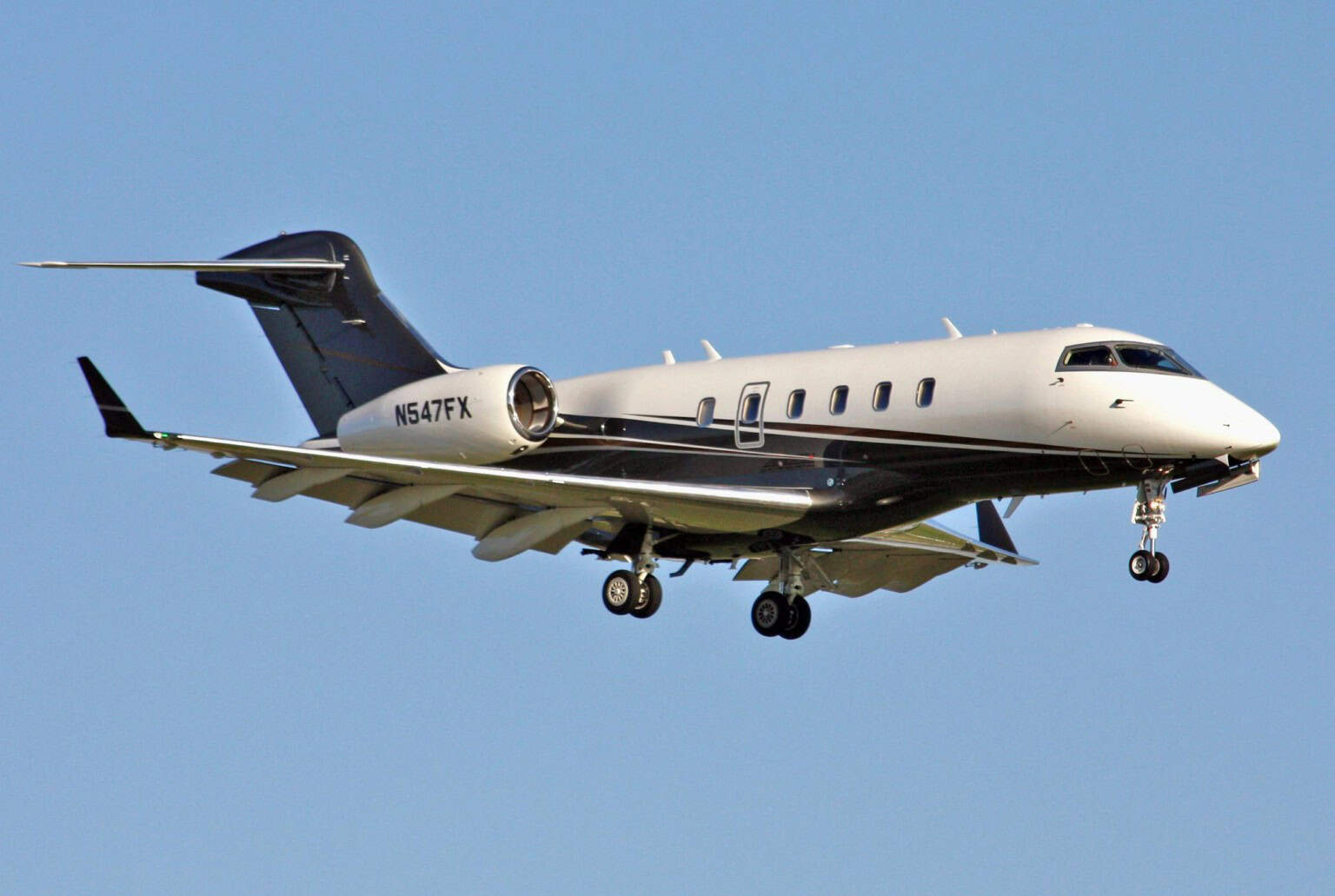
The Bombardier Challenger 300 entered service in the early 2000s as a clean-sheet super-midsize business jet. Designed to offer strong range and cabin comfort, it became one of the company’s most successful models. The aircraft established a new segment benchmark.
Live Fleet Activity (CL30)
Fetching live data…


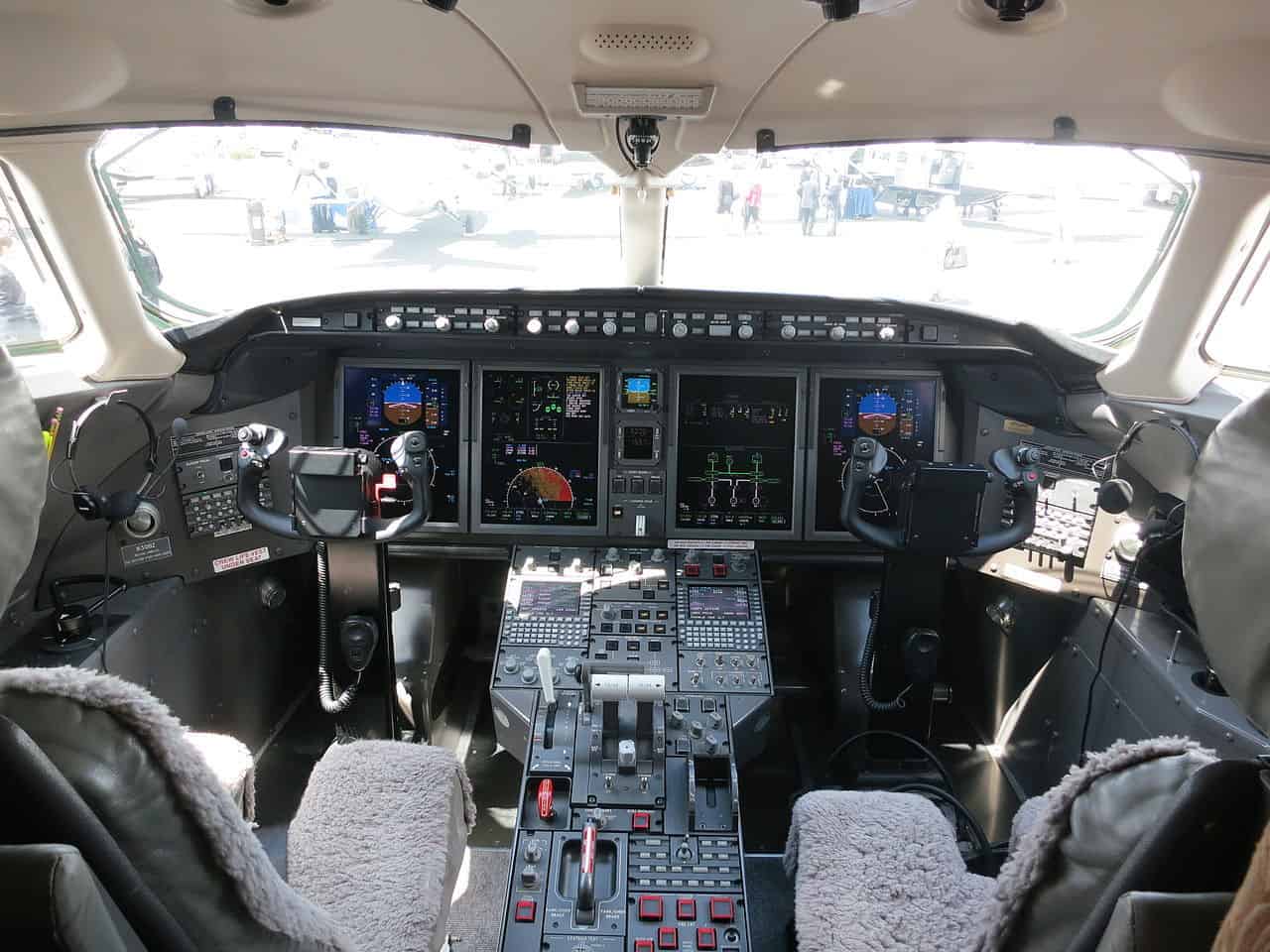
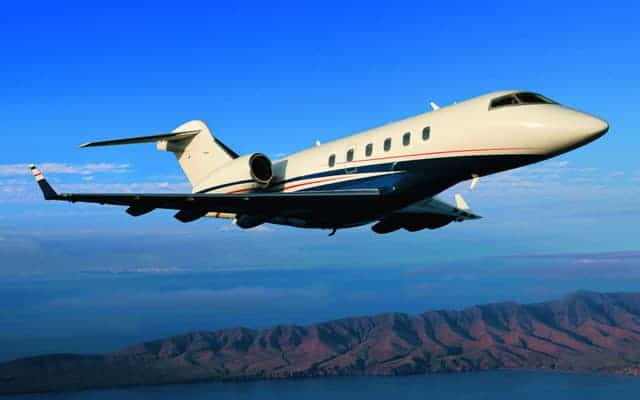
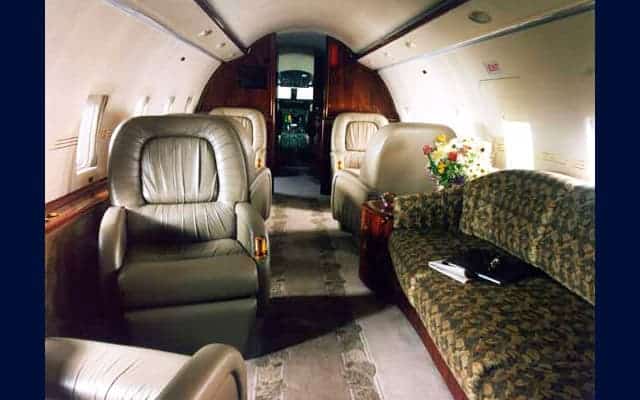
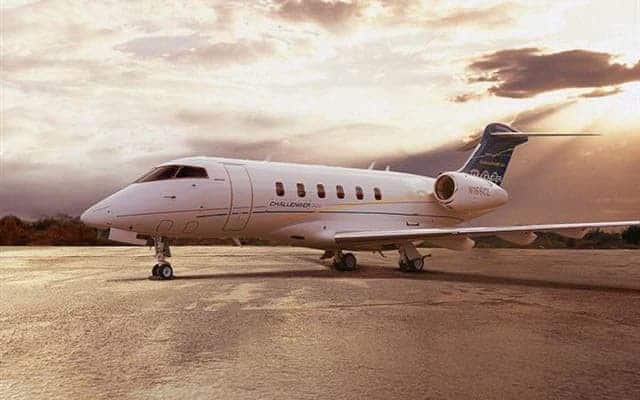
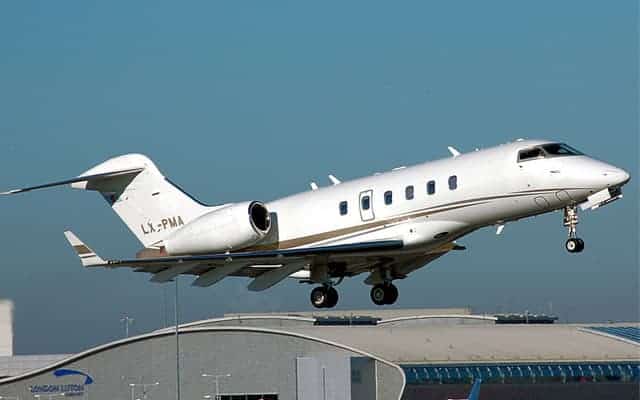
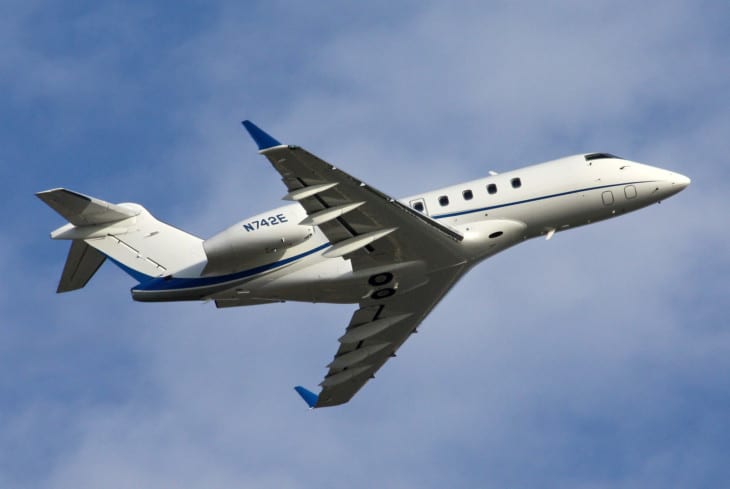
The Challenger 300 first flew in 2001 and entered service in 2004. It featured a new wing design and spacious stand-up cabin. Bombardier positioned it for U.S. transcontinental and select transoceanic routes.
Two Honeywell HTF7000 turbofan engines producing approximately 6,826 pounds of thrust (30.4 kN) each power the aircraft. Cruise speed approaches Mach 0.82. Maximum takeoff weight exceeds 38,000 pounds (17,237 kg), with range near 3,100 nautical miles (5,741 km).
The Challenger 300 became one of the best-selling business jets in its class. It later evolved into the Challenger 350 with avionics and performance updates. The platform remains highly active worldwide.
Sources and references used for research and fact-checking.