

Table of Contents
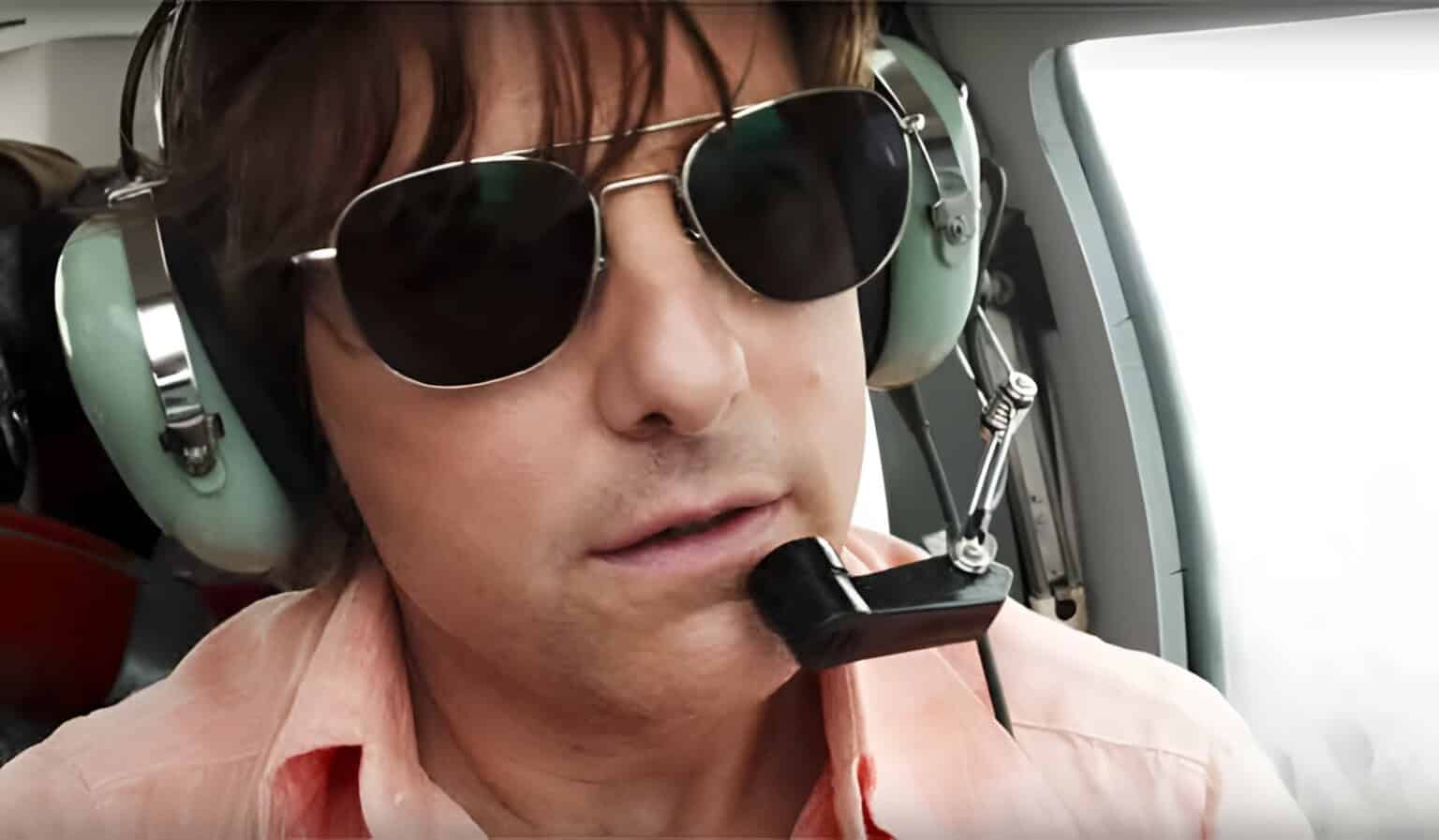
Most celebrities with private jets hire someone else to fly them. Tom Cruise flies his himself. The Mission: Impossible star has been a licensed, multi-engine instrument-rated pilot since 1994, and the four-aircraft fleet he has assembled over the decades reflects something far more personal than a preference for convenience: a genuine, lifelong obsession with aviation that began on a movie set in 1986 and has never let go.
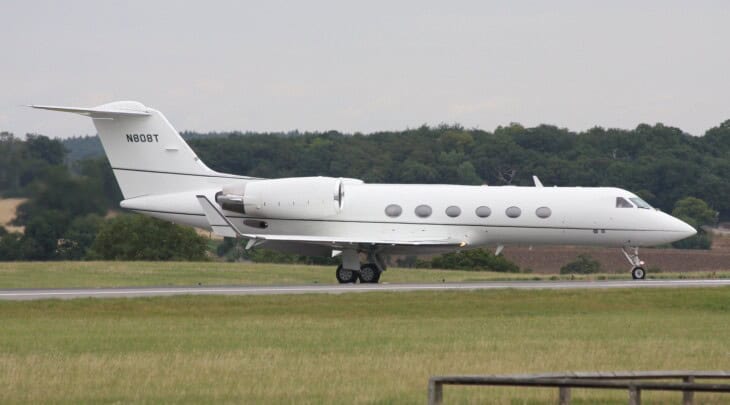
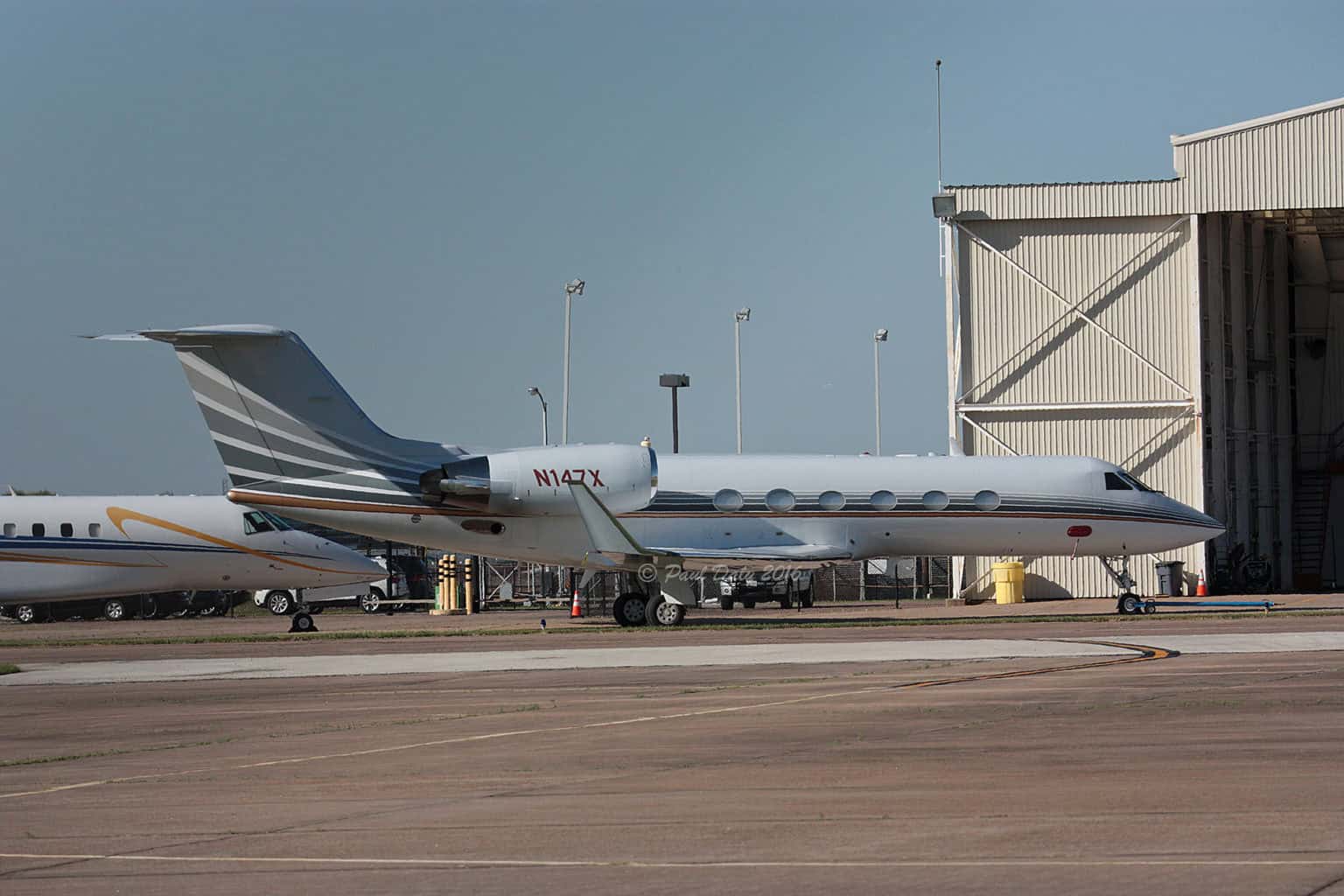
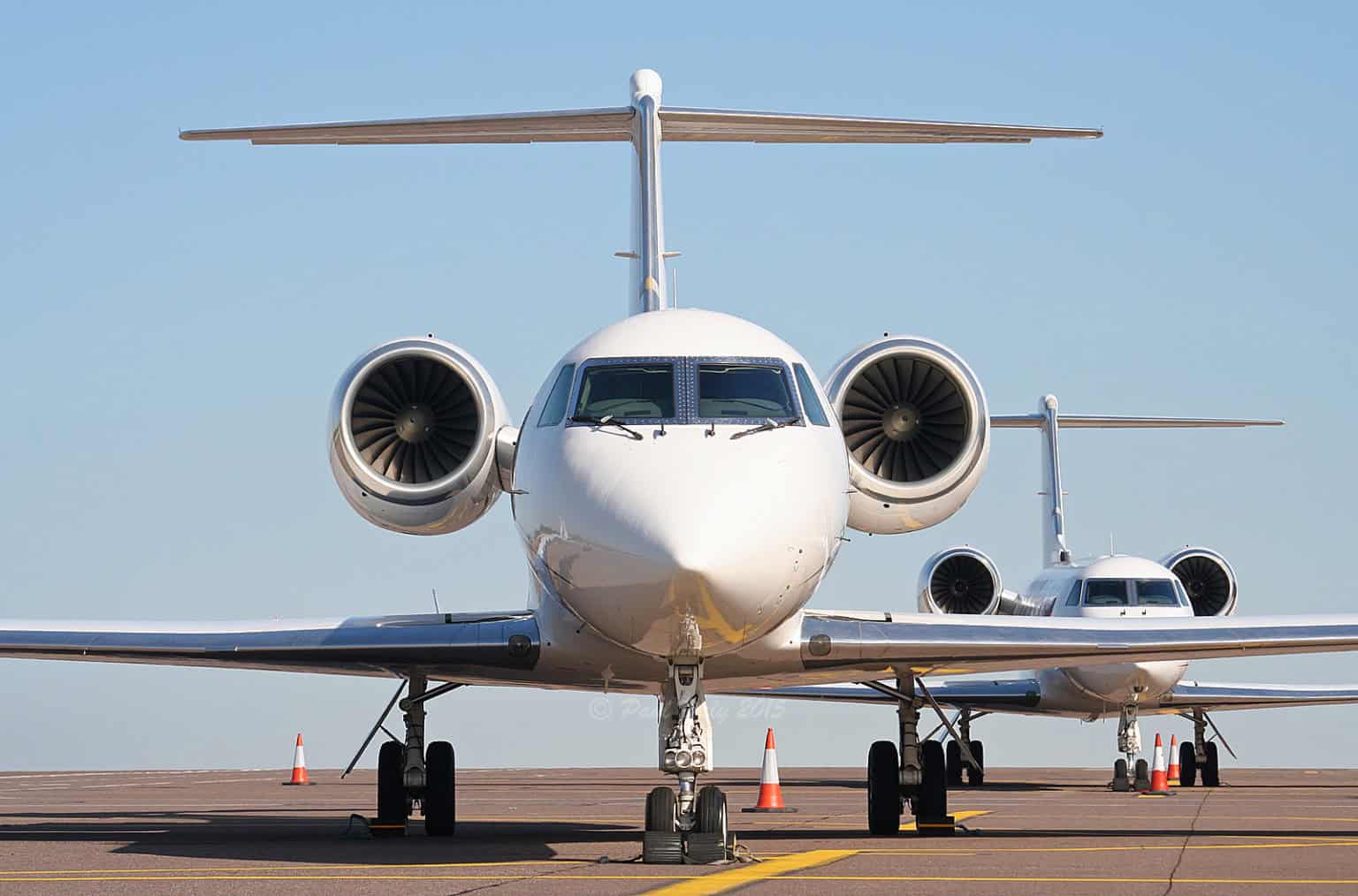
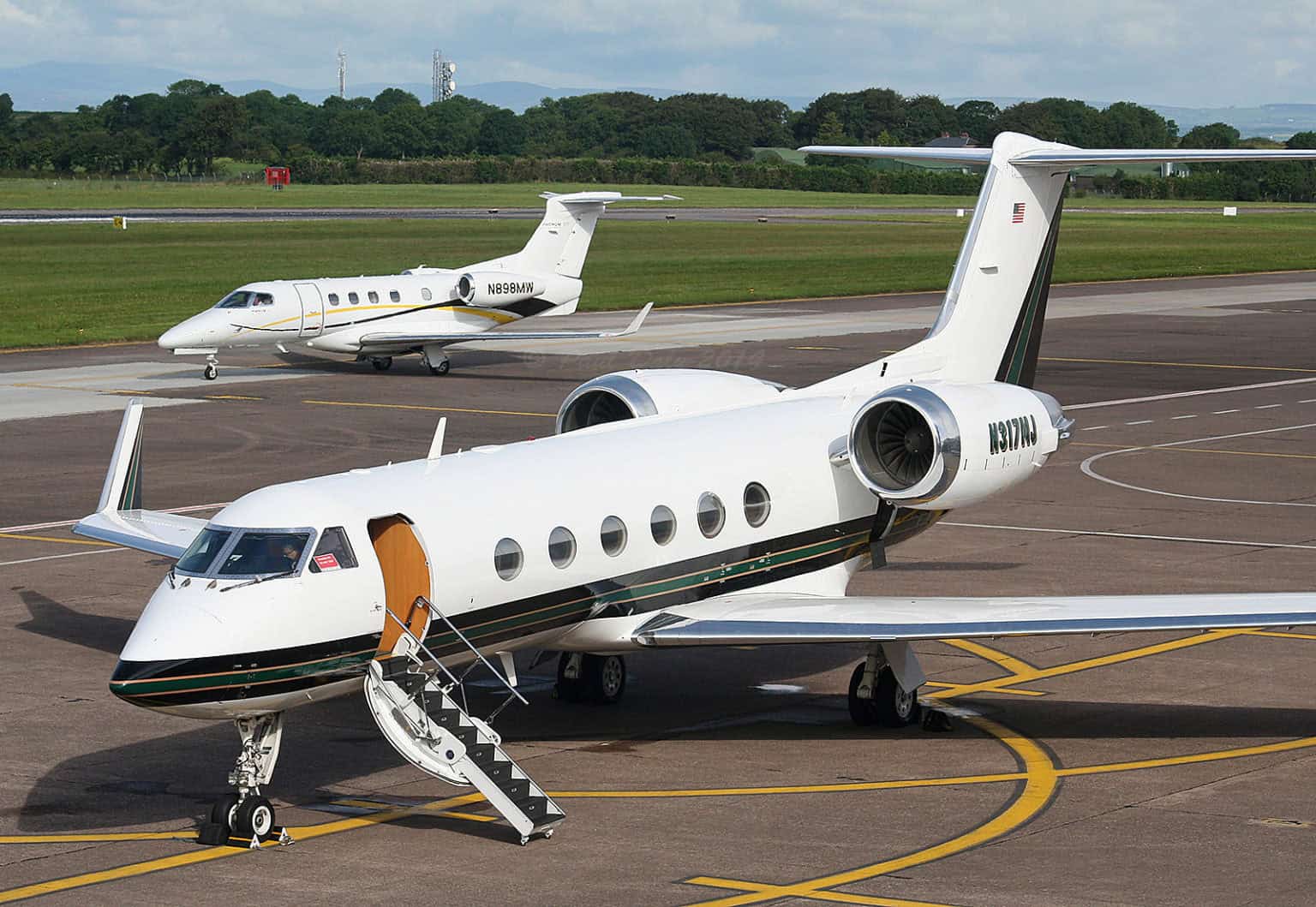
His flagship, a Gulfstream IV registered N808T, is one of the most lavishly equipped private jets in Hollywood, complete with a jacuzzi, gold-plated faucets, and a private screening room. But it is the other three aircraft in his collection that tell the full story.
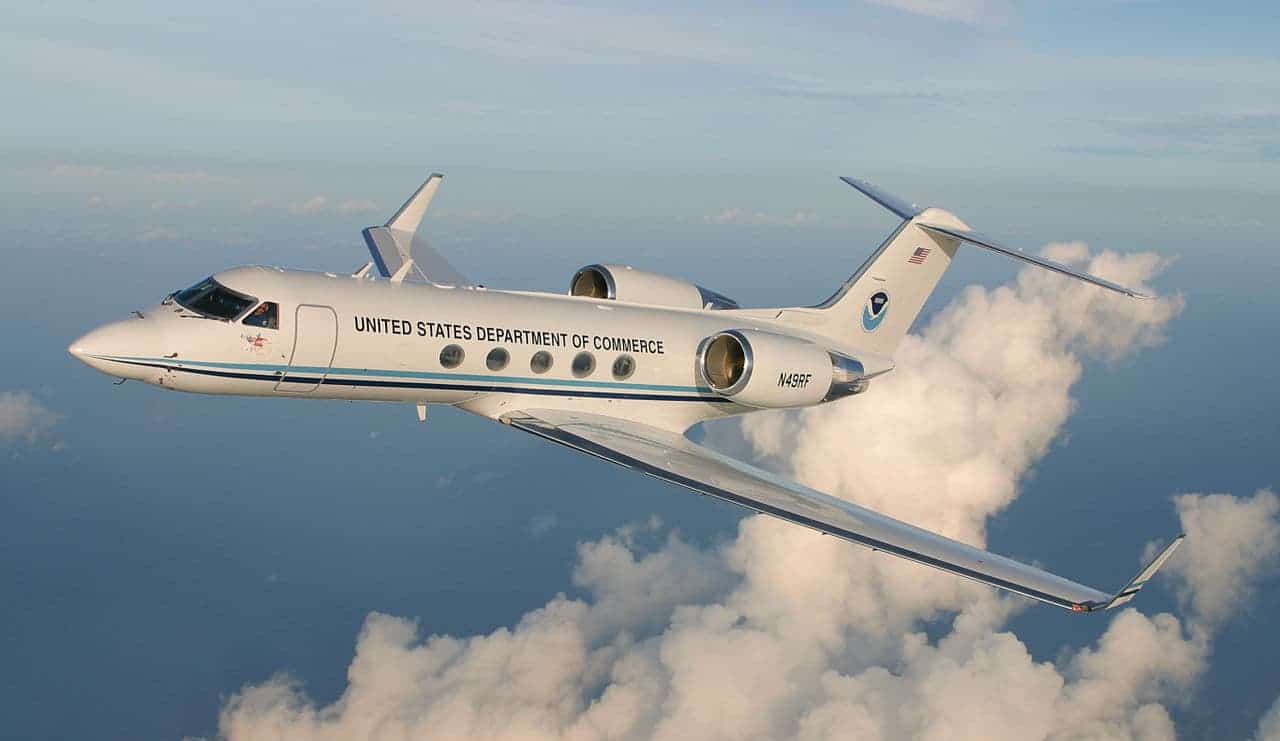
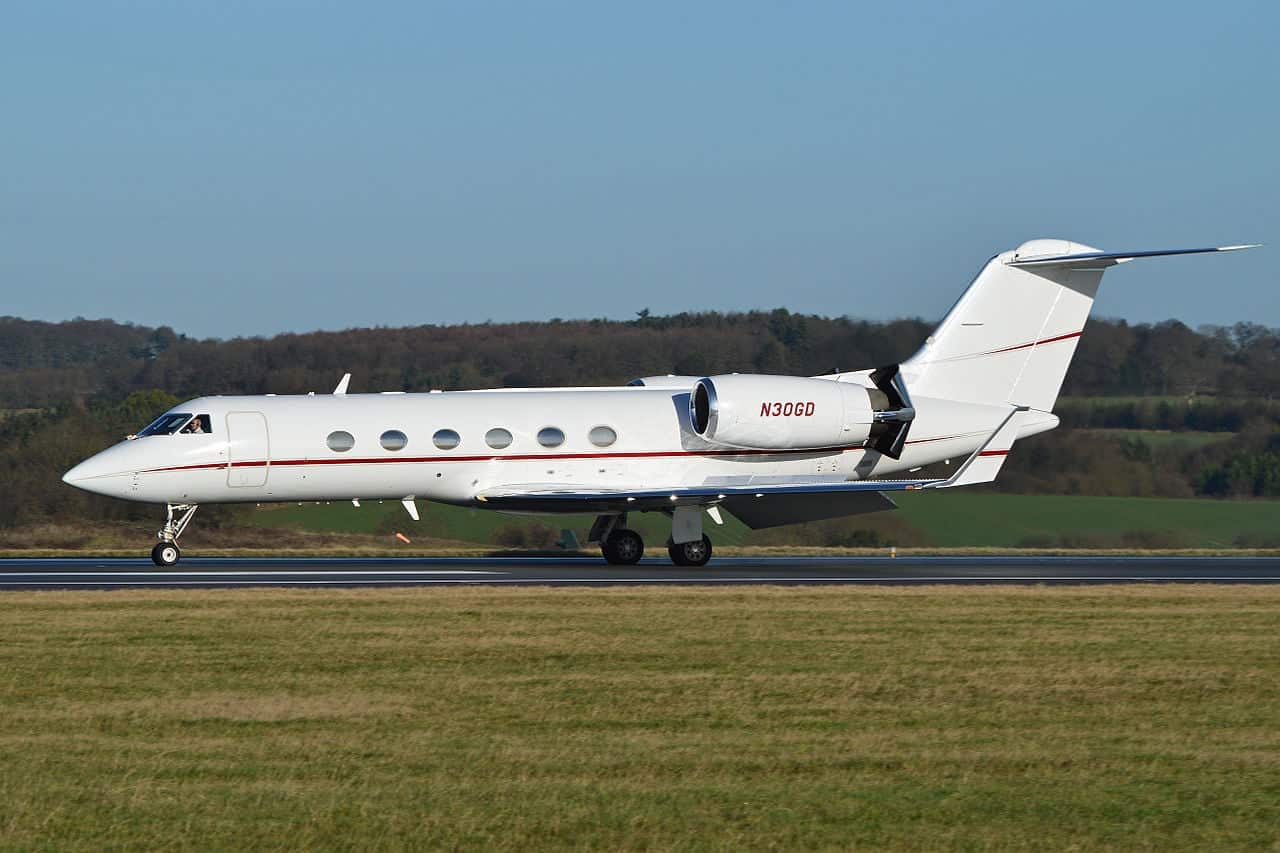
Cruise’s fleet spans four decades of aviation history. At one end sits the Gulfstream IV, a long-range heavy jet capable of connecting Los Angeles to London nonstop at Mach 0.88.
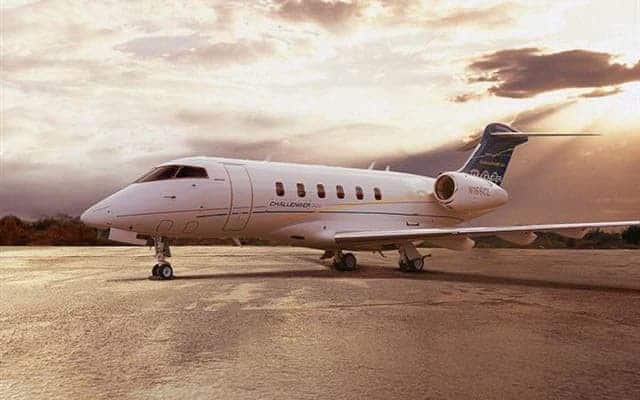
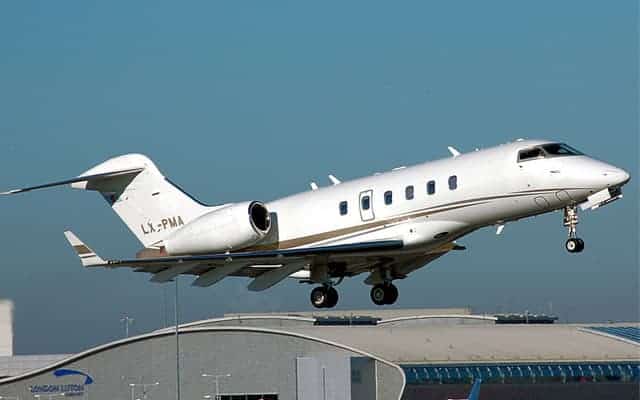
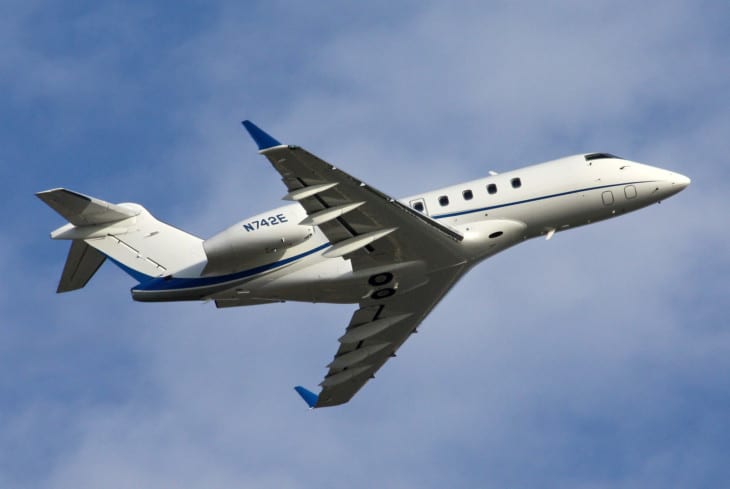
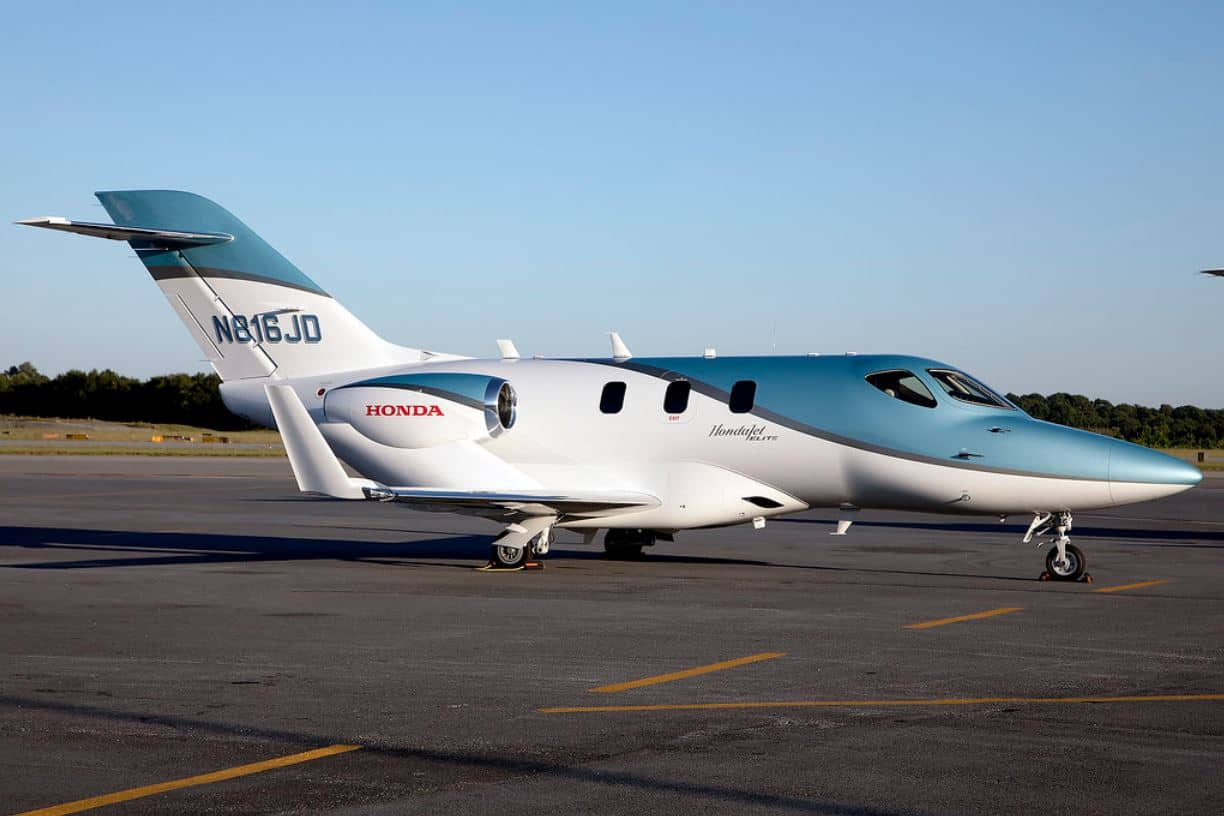
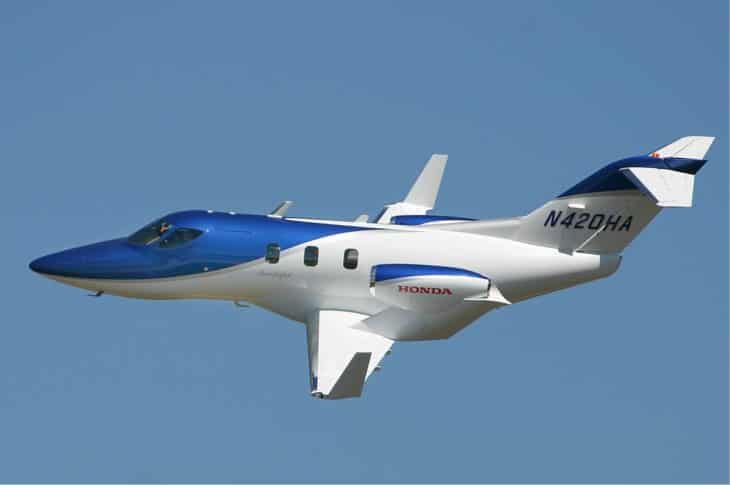
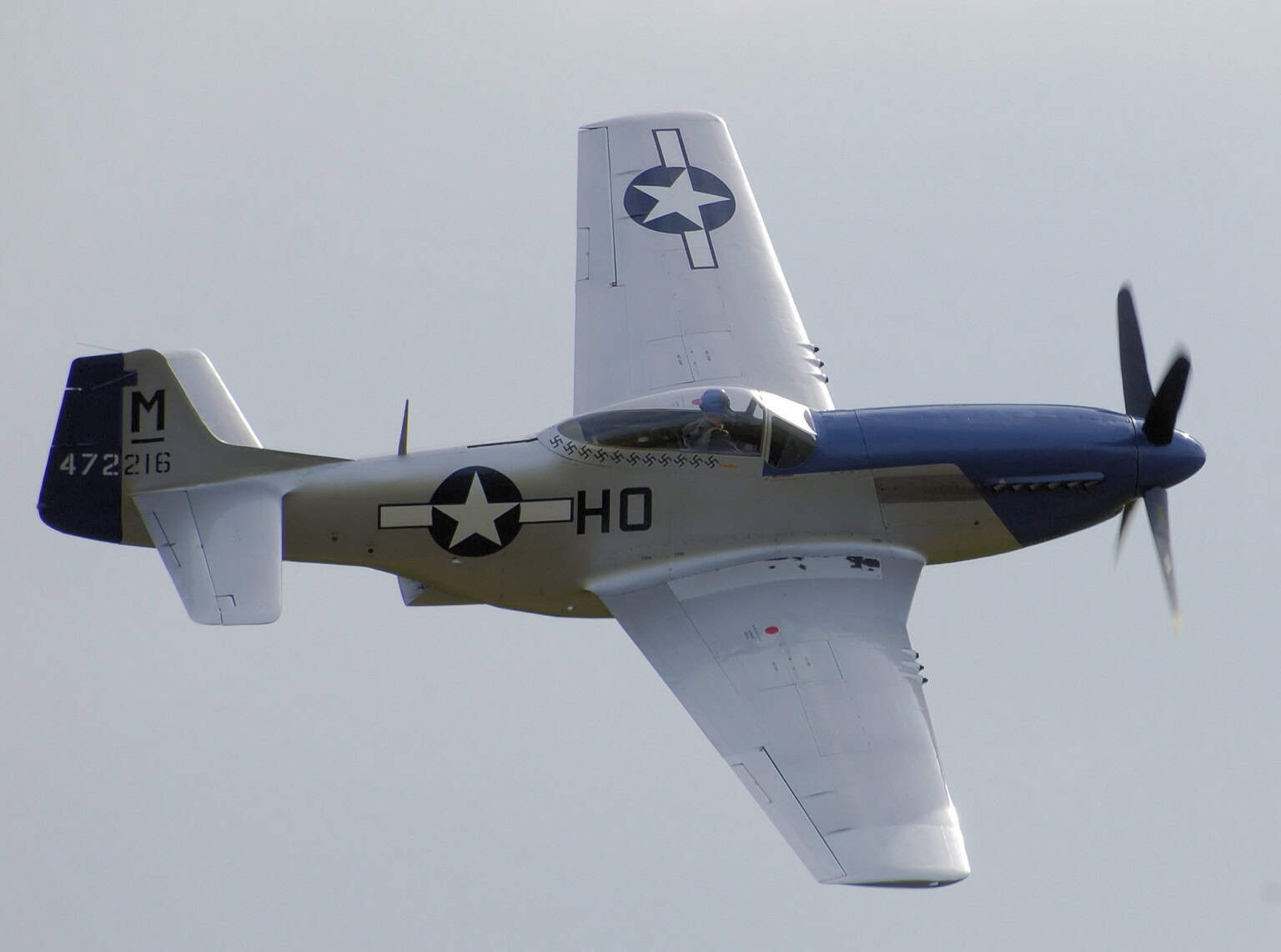
At the other end is a 1944 North American P-51 Mustang registered N51EW, one of only two airworthy examples of the rare F-6K photoreconnaissance variant ever built. In between, a Bombardier Challenger 300 handles medium-haul legs and a HondaJet Elite covers shorter trips.
No two aircraft serve the same purpose, and that is exactly the point. This is a working fleet built by a pilot who thinks about aviation the way most actors think about their craft.
Below, we break down every aircraft Tom Cruise owns: the full specs, tail numbers, acquisition stories, and the most famous moments aloft. We also look at how his fleet compares to other celebrity pilots, and what it realistically costs to keep four aircraft operational year-round.
Quick facts about Tom Cruise’s private jets
Tom Cruise’s Complete Private Jet Fleet
Tom Cruise operates four fixed-wing aircraft out of the Los Angeles area: a flagship Gulfstream IV for long-haul travel, a Bombardier Challenger 300 for mid-range legs, a HondaJet Elite for shorter hops, and a fully airworthy WWII-era P-51 Mustang that doubles as a film prop and a personal passion project. All four remain active in his fleet.















The Origin Story: From Top Gun to the Flight Deck
Tom Cruise did not arrive at aviation through money. He arrived through a film. The original Top Gun, shot in 1986, placed him in the back seat of real Navy F-14 Tomcats at Naval Air Station Miramar, and something about those hours in the air stuck.
Eight years later, when Cruise finally had the resources and the resolve to learn properly, he earned his private pilot’s license. He has not stopped adding ratings, aircraft, and hours since.
1986
Top Gun sparks a lifelong obsession. Filming the original Top Gun places Cruise in the back seat of real Navy F-14 Tomcats at NAS Miramar. The experience convinces him he wants to learn to fly for real.
1994
Cruise earns his private pilot’s license. He obtains his FAA private pilot certificate and quickly adds a multi-engine instrument rating, qualifying him to fly in instrument conditions and act as pilot-in-command of twin-engine aircraft.
2001
The Mustang joins the collection. Operating through Valhalla Aviation in Burbank, Cruise acquires a 1944 North American P-51 Mustang (N51EW), an F-6K photoreconnaissance variant. It is one of only two airworthy examples of its type remaining in the world.
~2010s
The Gulfstream IV becomes the flagship. Cruise acquires the Gulfstream IV registered N808T and has it refitted with a jacuzzi, gold-plated bathroom fixtures, and a private screening room. Valued at approximately $20 million, it becomes the centerpiece of his fleet.
~2019
A HondaJet joins as the short-haul option. The Honda HA-420 HondaJet Elite (N77VA), registered under HJO LLC in Los Angeles, fills the gap for California trips that do not warrant spinning up the Gulfstream.
2022
The Mustang stars in Top Gun: Maverick. In the film’s climactic escape sequence, Cruise pilots his own P-51 (N51EW) with co-star Jennifer Connelly. The footage is real, not CGI. It is Cruise in his actual aircraft, doing what he does in real life.
Inside the Gulfstream IV: Tom Cruise’s Flagship Jet
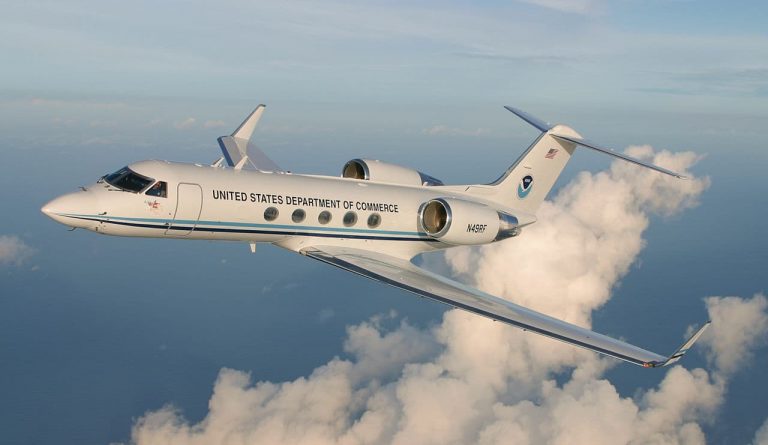
The Gulfstream IV entered service in 1987 and spent the following decade as the aircraft of choice for heads of state and Fortune 500 executives. Cruise’s example, registered N808T, sits at the upper end of the used-market price range thanks to a reported interior refit that prioritizes luxury over raw seat count.
Standard Gulfstream IV configurations accommodate up to 19 passengers. Cruise’s version carries fewer, with seat rows traded for the jacuzzi and screening room that have become the aircraft’s most-discussed features. The gold-plated faucets in the bathroom have attracted particular attention over the years, appearing in media coverage as shorthand for the excess of celebrity aviation.
Performance-wise, the Gulfstream IV remains competitive for a jet of its generation. Its twin Rolls-Royce Tay 611-8 engines push it to Mach 0.88, and a range of 4,220 nautical miles covers most transatlantic routes without a fuel stop.
Los Angeles to London is a stretch at maximum payload, but the aircraft handles it in favorable conditions. For Cruise’s frequent travel between Los Angeles, London (Mission: Impossible production), and locations across Europe and the Middle East, the range is precisely right.
Performance
Cabin
Ownership
A jet built for a global production schedule
Mission: Impossible films have required Cruise to move between Los Angeles, London, Abu Dhabi, Vienna, Paris, and multiple European locations within a single production cycle. The Gulfstream IV’s 4,220 NM range and Mach 0.88 top speed make it one of the few aircraft in its class that can handle those legs without adding a fuel stop.
The Support Fleet: Challenger 300 and HondaJet
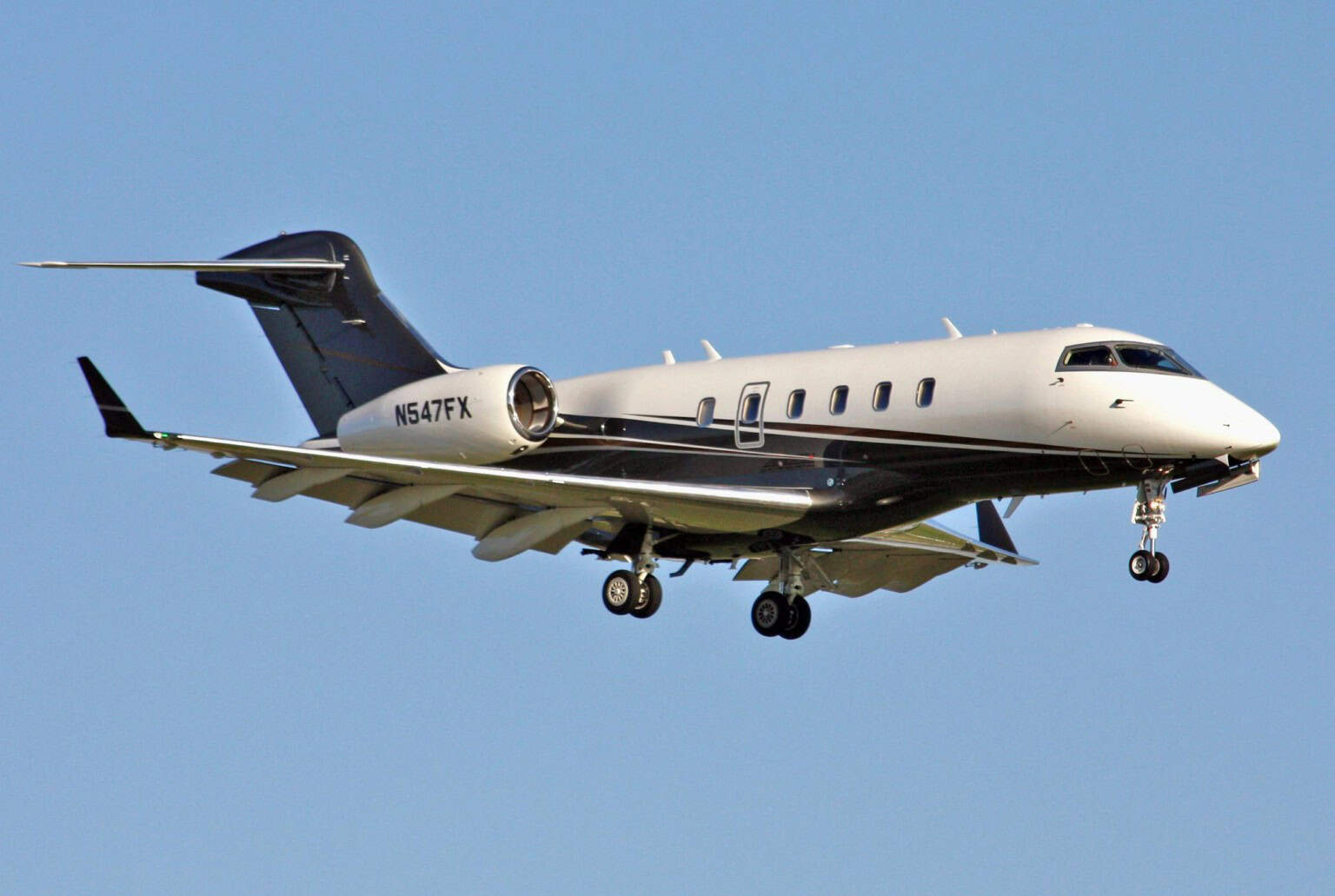
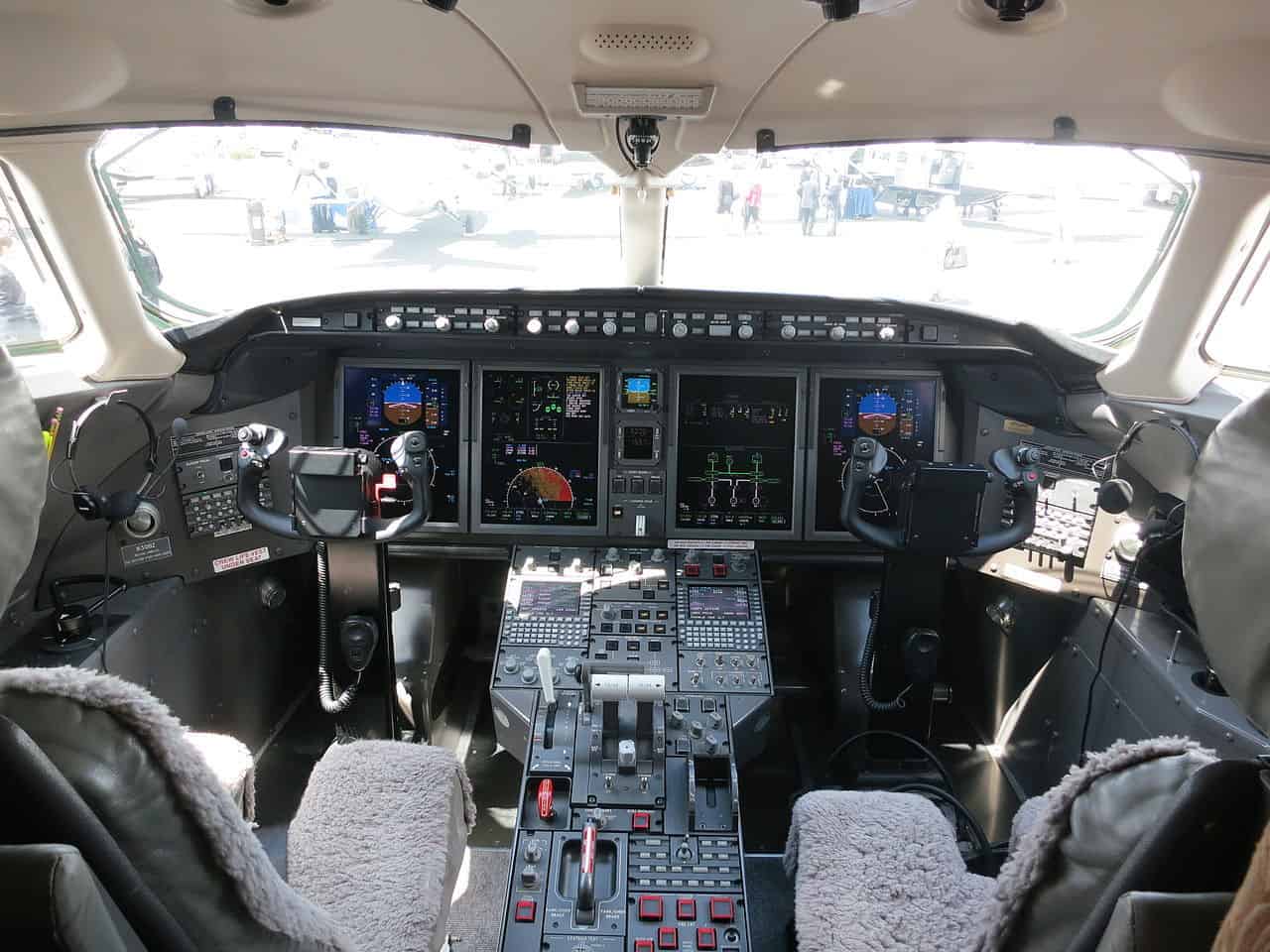
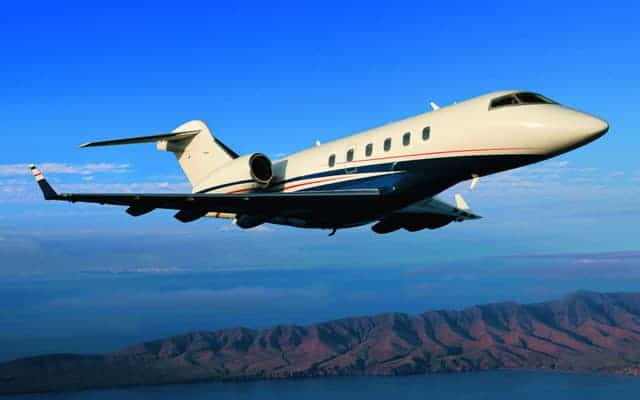
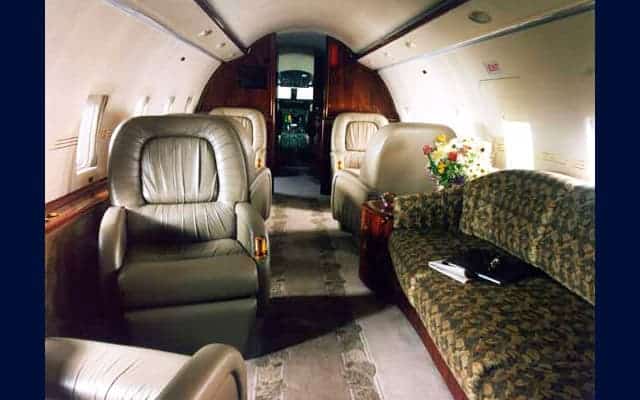
Operating a Gulfstream IV for every flight would be wasteful even by celebrity standards. Cruise solves this the way serious aviation operators do: with a tiered fleet. The Bombardier Challenger 300 (N350XX), registered under HJO LLC in Los Angeles, handles medium-range legs where the Gulfstream IV’s size and operating cost are not warranted.
The Challenger 300 has a range of 3,100 nautical miles, seats up to 10 passengers, and costs considerably less per hour to operate than the Gulfstream. For regional US travel or shorter European hops, it is the practical choice.
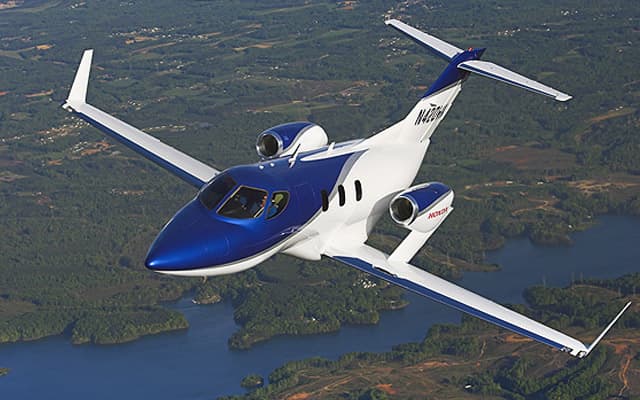
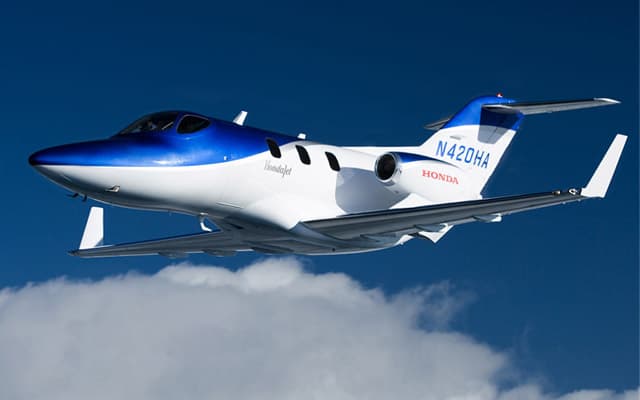
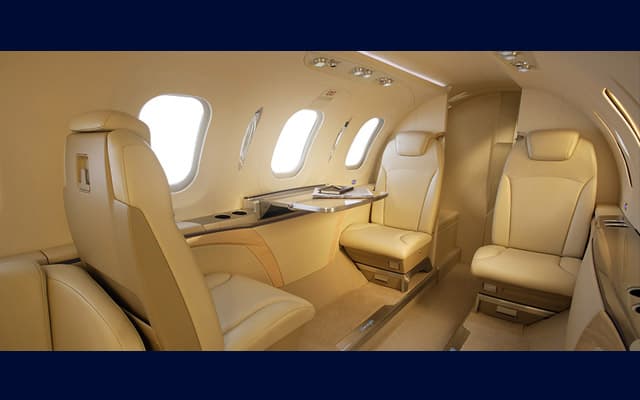
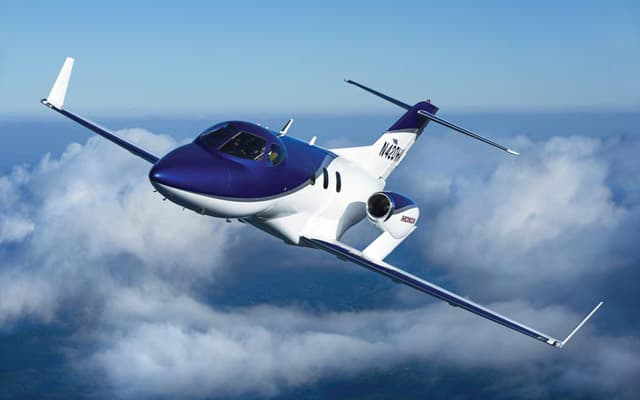
At the bottom of the jet tier sits the HondaJet Elite (N77VA), also registered under HJO LLC. Honda’s over-the-nacelle engine configuration and carbon fiber fuselage make the HA-420 Elite one of the most aerodynamically efficient light jets available.
With a range of 1,437 nautical miles and seating for up to five passengers, it is the ideal aircraft for California point-to-point travel, Las Vegas runs, or any leg that would be absurd to fly in a Gulfstream. At a new-purchase price around $5.5 million, it is also by far the least expensive fixed-wing jet in the fleet.
Why the fleet is structured this way
A three-tier jet fleet, Gulfstream for transatlantic, Challenger for mid-range, HondaJet for short hops, is exactly how a well-run charter operator or corporate flight department would structure things. Cruise built his personal fleet with the same logic. Each aircraft has a defined role. Nothing is redundant.
The Warbird: Tom Cruise’s P-51 Mustang
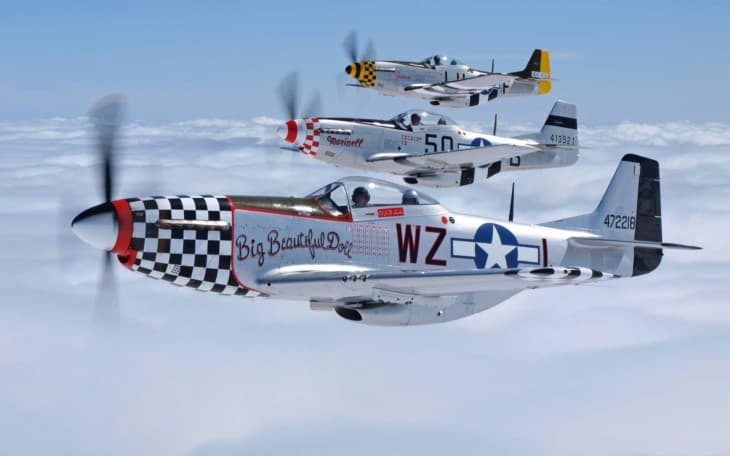
If the Gulfstream IV defines Tom Cruise’s practical aviation life, the P-51 Mustang defines his soul as a pilot. Registered N51EW and operated through Valhalla Aviation at Burbank’s Bob Hope Airport, Cruise’s Mustang is not a static display piece.
It is a fully airworthy, regularly flown WWII fighter with a construction number of 111-36123, built at North American Aviation’s Dallas assembly plant in 1944 as an F-6K-15-NT.
The F-6K was a photoreconnaissance variant of the legendary P-51D, with camera ports replacing the wing guns. Of the 164 F-6Ks built by North American, only two remain airworthy worldwide. Tom Cruise owns one of them.
He acquired the aircraft in 2001, roughly seven years after earning his pilot’s license, and only after accumulating enough hours and completing the additional training that a high-performance tailwheel warbird requires.
The Mustang is not an aircraft you fly casually: its narrow landing gear, powerful Merlin engine, and tendency to torque-roll on takeoff demand a specific endorsement and dedicated proficiency.
Cruise completed all of it. The aircraft carries an estimated value of around $4 million, though comparable warbirds with documented provenance have sold for considerably more in recent years at auction.
One of two flyable F-6Ks in the world
The F-6K was a photoreconnaissance variant of the P-51D, fitted with cameras instead of guns for reconnaissance missions over enemy territory. North American built 164 of them. Today, exactly two remain airworthy. Tom Cruise owns one. The rarity alone puts this aircraft in a different category from most celebrity warbirds.
Tom Cruise’s Most Famous Aircraft Moments
The Top Gun: Maverick P-51 Scene (2022)
In the climax of Top Gun: Maverick, Maverick and Penny escape a hostile airfield in a battered P-51 Mustang. The aircraft on screen is not a prop or a stunt double. It is Tom Cruise’s actual N51EW, and Cruise is the one flying it.
The Navy denied him permission to pilot the film’s F/A-18 Super Hornets, citing military qualification requirements that a civilian license cannot satisfy. But no such restriction applied to his own Mustang.
Director Joseph Kosinski confirmed that the P-51 footage was real, making it one of the only major Hollywood action sequences in recent memory where a lead actor flew his own vintage warbird on camera, for an audience of millions, as himself.
The Mission: Impossible Global Circuit
Mission: Impossible productions have taken Cruise to Abu Dhabi for Ghost Protocol, London and Vienna for Rogue Nation, Paris and Kashmir for Fallout, and across the UK and Europe for Dead Reckoning.
Throughout each production cycle, his Gulfstream IV has tracked between Los Angeles and the relevant shooting locations, often with Cruise at the controls. For a franchise that has built its identity on practical stunts, it fits that the star uses his own aircraft for the commute between films.
Training for Top Gun: Maverick (2019 to 2021)
Cruise spent years preparing for Top Gun: Maverick’s aerial sequences, working with the Navy to develop a cast training program covering G-force tolerance, spatial disorientation, and cockpit procedure.
Between formal training sessions at naval air stations around the country, he used his own aircraft for additional stick time. His personal fleet gave him access to an aircraft at any hour, a meaningful advantage for a production that required its lead actor to understand aviation from the inside out, not just perform it.
The Airshow Circuit and Warbird Community
Cruise has been photographed and identified flying N51EW at various occasions beyond film productions. The warbird community is small and well-networked, and Cruise’s Mustang is well known within it.
Unlike the celebrity jet trackers who follow his Gulfstream and Challenger, the warbird community tracks his P-51 with something closer to admiration: he is not a celebrity who bought a trophy plane. He is a pilot who bought a rare aircraft and actually flies it.
Tom Cruise vs. Other Celebrity Pilots
Tom Cruise belongs to a small and specific category: celebrities who hold the actual ratings to fly the aircraft they own. The comparison reveals just how seriously he takes it relative to his Hollywood peers.
John Travolta is the most frequently cited name in celebrity aviation. At his peak, Travolta held an Airline Transport Pilot certificate, the FAA’s highest rating, and owned a Boeing 707 (N707JT) and a Boeing 737, parking them on his private runway in Ocala, Florida. Travolta’s fleet has since scaled back with age, and the 707 was retired and donated. Cruise’s fleet, by contrast, is growing: four aircraft, all active, all flown regularly.
Harrison Ford is another Hollywood pilot, though his collection leans toward smaller piston aircraft and helicopters rather than jets. Ford is as famous for his love of flying as he is for two emergency landings, including a 2017 incident at John Wayne Airport where he landed on a taxiway rather than a runway. Cruise, with a multi-engine instrument rating and regular jet hours, has avoided comparable incidents.
Bruce Dickinson, Iron Maiden’s lead singer, holds a commercial pilot’s license and has flown a Boeing 757 for the band’s world tours. He is perhaps the most practically accomplished celebrity pilot alive. But even Dickinson does not own a WWII warbird alongside three jets.
The key difference: Cruise pilots jets, not just planes
Harrison Ford and Kurt Russell fly piston aircraft and helicopters. John Travolta flew airliners. Tom Cruise holds a multi-engine instrument rating and regularly pilots his Gulfstream IV, a full-size heavy jet. That puts him in a narrow category of celebrities who are qualified to fly the type of aircraft they actually own.
What separates Cruise from most celebrity jet owners is not the size or cost of his fleet but the fact that he built it around his capabilities as a pilot. The HondaJet is for local California flying. The Challenger 300 is for mid-range domestic travel. The Gulfstream IV is for transatlantic production work. And the P-51 is for something no spreadsheet can capture: the pure, impractical love of a machine that is almost impossible to fly and almost impossible to forget.
FAQ
Get the Newsletter
The latest aviation news and stories sent to your inbox.
About the Author

Tim is the owner and lead editor of AeroCorner since 2019, overseeing aviation content covering aircraft, airlines, airports, and the broader aviation industry. Through years of researching, writing, editing, and publishing aviation-focused content, he has developed extensive practical knowledge of commercial aviation and air travel. Based in Asia and a frequent traveler himself, Tim also brings firsthand passenger experience to AeroCorner’s coverage. Outside of publishing, he has also explored aviation firsthand through hands-on flight training in New Zealand.