



Table of Contents
| Measure | F-14 Tomcat | F-15 Eagle |
|---|---|---|
| Built for | US Navy fleet air defense | US Air Force air superiority |
| First flight | December 21, 1970 | July 27, 1972 |
| Service entry | September 22, 1974 | January 1976 |
| Wing | Variable sweep, 20 to 68 degrees in flight | Fixed |
| Crew | Two: pilot and radar intercept officer | One in the F-15A and F-15C |
| Radar | AWG-9, tracks 24 targets and engages six | APG-63 pulse-Doppler, about 100 miles (160 km) basic range |
| Long-range missile | AIM-54 Phoenix | AIM-7 Sparrow, then AIM-120 AMRAAM |
| Gun | 20 mm M61 Vulcan | 20 mm M61 Vulcan |
| Built | 712 | 1,198 F-15A/B/C/D/J/DJ |
| Retired | US Navy, September 22, 2006 | USAF active-duty F-15C flights ended January 2025 |
How we compare the Tomcat and the Eagle
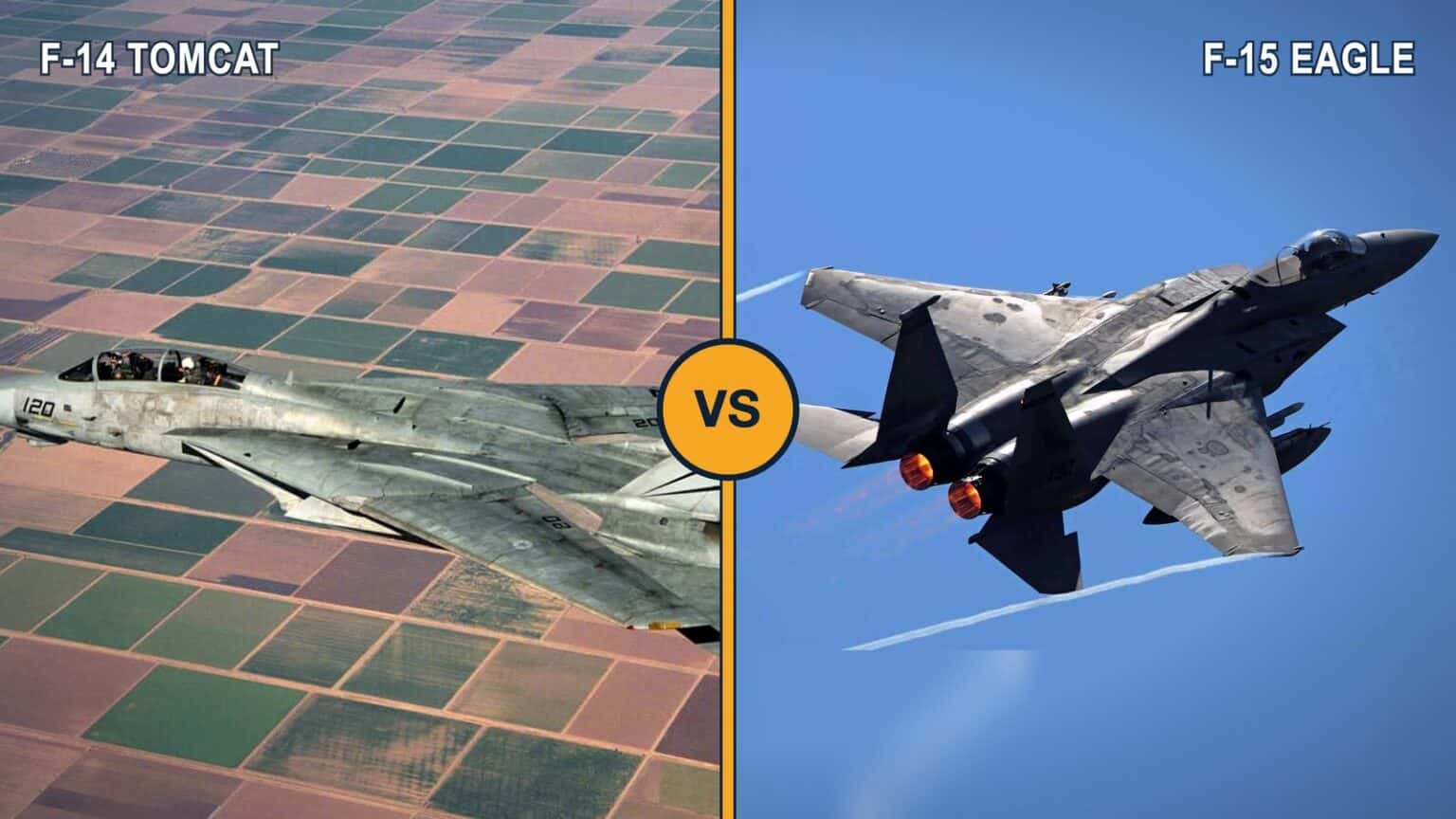
The F-14 and the F-15 are the two great American fighters of the 1970s, and they look alike: twin engines, twin tails and a big radar. They were built for different services and for different fights.
We compare the F-14A to F-14D Tomcat with the F-15C-era Eagle. Where a figure applies to one variant only, we name it.
Full specifications for the Grumman F-14 Tomcat and the McDonnell Douglas F-15 Eagle sit in our aircraft database.
The two jets share a family look
The Eagle has fixed wings, while the Tomcat sweeps its wings in flight. Both grew from NASA wind-tunnel configurations, and the Air Force picked its design in December 1969, a year before the Tomcat first flew.
Which is better, the F-14 or the F-15?
For air-to-air combat, the F-15. It was designed from the start to win control of the air, and its record shows it: more than 104 victories and no losses in air-to-air combat.
The Tomcat was built for a narrower job. It had to find bombers and missile carriers far from a carrier and kill them before they could launch.
That is why the question has two answers. The Eagle is the better dogfighter, and the Tomcat is the better long-range interceptor.
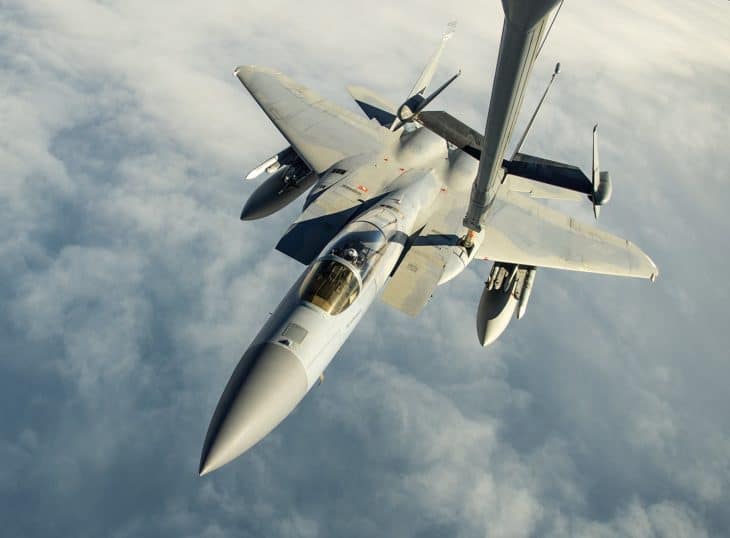
Where the F-15 Eagle wins
Thrust and agility
The first Tomcats were underpowered. The F-14A used TF30 engines, and its thrust-to-weight ratio at maximum takeoff weight was about 0.56, against 0.85 for the F-15A.
The Eagle was designed for a ratio above 1:1 at mission weight. Its low wing loading and high thrust let it turn at up to 9 g without losing airspeed.
The Tomcat was designed for 7.5 g, and in fleet service the Navy usually held it to 6.5 g to stretch the airframe life.

A perfect air-combat record
The Eagle has over 104 victories and no losses in air-to-air combat, and over half of those kills were scored by Israeli pilots. Moshe Melnik scored the first, in 1979.
In the 1991 Gulf War, F-15s accounted for 36 of the 39 US Air Force air-to-air victories against Iraq.
A cleaner engine story
The F-14A’s TF30 engines suffered compressor stalls at high angle of attack, during rapid throttle changes and above 30,000 feet. The Tomcat’s Wikipedia entry attributes 28 percent of F-14 accidents to the engine.
Navy Secretary John Lehman called the pairing “probably the worst engine/airframe mismatch we have had in years.” The fix was the General Electric F110 in the F-14B and F-14D.
Where the F-14 Tomcat wins
A radar and missile built for reach
The Tomcat’s Hughes AWG-9 radar could track up to 24 targets at once and engage six of them in track-while-scan mode out to about 60 miles (97 km).
Its AIM-54 Phoenix missile hit a target 110 nautical miles (127 miles) away in an April 1973 test, the longest Phoenix launch on record.
The Eagle’s APG-63 had a basic range of about 100 miles (160 km), and it fought with shorter-range Sparrows and AMRAAMs. It never carried anything like the Phoenix.

Swing wings and a carrier deck
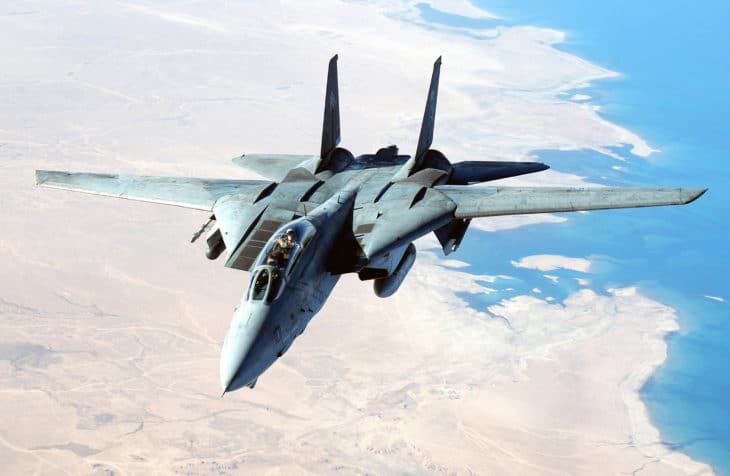
The Tomcat’s wings sweep from 20 to 68 degrees in flight, set automatically by the Central Air Data Computer unless the pilot overrides it. Parked, they can be overswept to 75 degrees.
That let one airframe fly slowly enough to land on a carrier and still reach Mach 2.34, its top speed in the TF30-powered F-14A.
The F-15 has no tailhook and never operated from a carrier. It had no need to.


Two sets of eyes
The F-14 carried a pilot and a radar intercept officer in tandem. The officer ran the radar and the Phoenix missiles while the pilot flew.
The F-15A and F-15C are single-seaters. The two-seat F-15B and F-15D are fully combat capable, but most of the fleet flew with one pilot doing everything.
Combat records compared
The Eagle’s record is the longer one, but the Tomcat has its own.
On August 19, 1981, two VF-41 F-14s shot down two Libyan Su-22s with AIM-9L Sidewinders over the Gulf of Sidra. On January 4, 1989, two VF-32 F-14s shot down two Libyan MiG-23s.
Iran, the Tomcat’s only foreign customer, flew it in its war with Iraq. Iran claimed at least 160 Iraqi aircraft shot down, 55 of them confirmed.
The F-15 has the larger tally, with over 104 victories, 36 of the USAF’s 39 against Iraq in 1991, and no air-to-air losses.
Myth check: the F-15 and F-14 were rivals
They were not, because they served different services. The Navy dropped its VFAX program and chose Grumman’s VFX, which became the F-14, after Congress stopped funding the F-111B in May 1968. The Air Force ran its own F-X competition. The two jets never competed for the same contract.
F-14 vs F-15: the verdict
The F-15 Eagle is the better fighter. It had more power, a cleaner engine history, a bigger production run and an air-combat record that no other fighter has matched.
The F-14 Tomcat is the better fleet defender. Nothing else in the 1970s paired a radar and a missile that could reach so far, and no Eagle could land on a carrier.
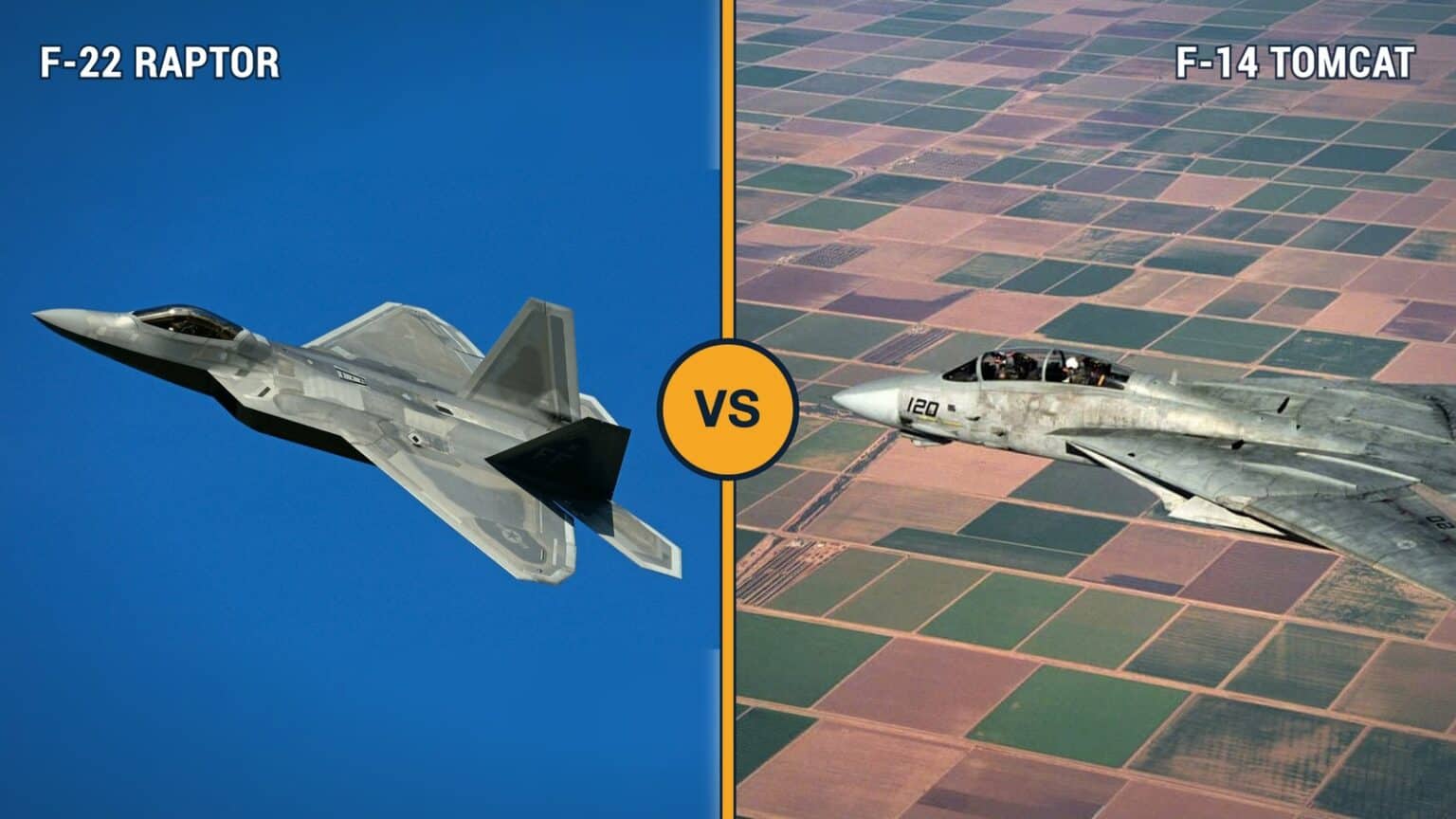
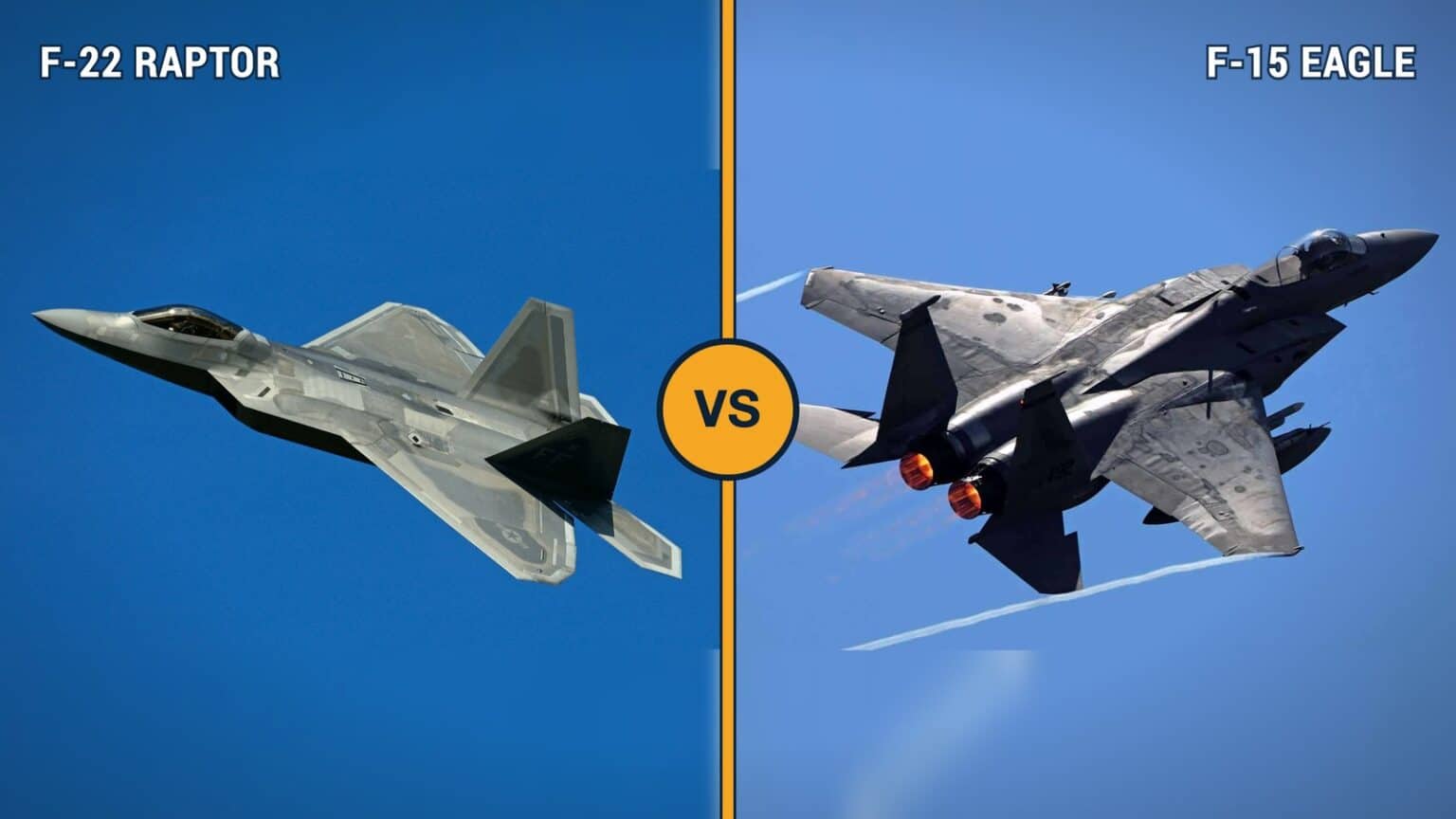
Both are history in US service now. The Navy retired the Tomcat on September 22, 2006, and the Air Force flew its last active-duty F-15C on January 24, 2025. For where both sit in the wider field, see our ranking of the best fighter jets in the world, or the F-22 vs F-15 and F-22 vs F-14 comparisons.
FAQ
Sources and references used for research and fact-checking.
About the Author

Tim is the owner and lead editor of AeroCorner since 2019, overseeing aviation content covering aircraft, airlines, airports, and the broader aviation industry. Through years of researching, writing, editing, and publishing aviation-focused content, he has developed extensive practical knowledge of commercial aviation and air travel. Based in Asia and a frequent traveler himself, Tim also brings firsthand passenger experience to AeroCorner’s coverage. Outside of publishing, he has also explored aviation firsthand through hands-on flight training in New Zealand.