

Table of Contents
Turkey’s most capable drone in service is the Bayraktar Akinci. Built by Baykar, it lifts 3,307 pounds (1,500 kg) of weapons and sensors, flies above 40,000 feet and has been sold to 16 countries.
The jet-powered Kizilelma is second: the first three were delivered on November 19, 2026, and it has already shot down a jet target with a beyond-visual-range missile in testing. The famous Bayraktar TB2 is third, because it carries the least of the big three but has the longest war record of any drone Turkey makes.
This list ranks eight Turkish military drones by combat value: what each carries, how far and how long it flies, and what it has actually done. Figures are manufacturer data current to November 2026, with claims labeled as claims.
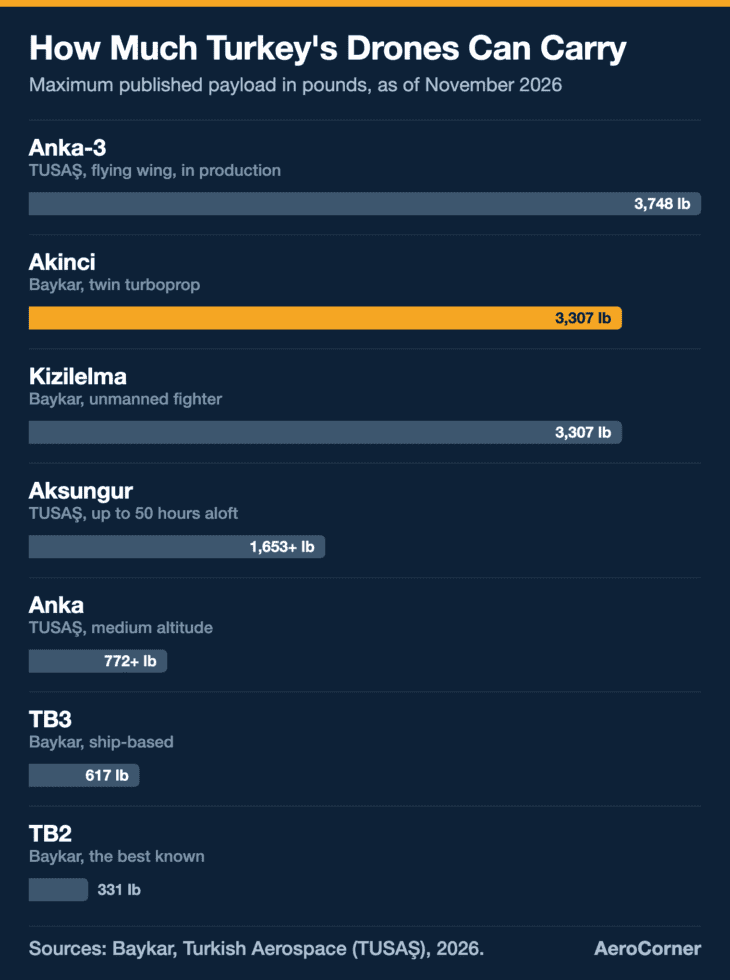
| Rank | Drone | Maker | Max payload | Max endurance | Status |
|---|---|---|---|---|---|
| 1 | Bayraktar Akinci | Baykar | 3,307 lb (1,500 kg) | 20+ hours | In service since 2021, 16 export countries |
| 2 | Bayraktar Kizilelma | Baykar | 3,307 lb (1,500 kg) | 3+ hours | First 3 delivered November 19, 2026 |
| 3 | Bayraktar TB2 | Baykar | 331 lb (150 kg) | 18+ hours | In service, 37 export countries |
| 4 | Aksungur | TUSAŞ | 1,653+ lb (750+ kg) | Up to 50 hours | In service since 2021, exported |
| 5 | Bayraktar TB3 | Baykar | 617 lb (280 kg) | 24+ hours | Flying from TCG Anadolu |
| 6 | Anka-3 | TUSAŞ | 3,748 lb (1,700 kg) | 10 hours | Serial production ordered May 2026 |
| 7 | Anka (Anka-S) | TUSAŞ | 772+ lb (350+ kg) | Up to 30 hours | In service, exported |
| 8 | Kargu | STM | Small warhead | 30 minutes | In service, exported |
How this ranking works
The measure is combat value: payload, reach and endurance, and the documented service record, in that order of weight. It is a judgment, so the numbers behind it are in the table. A drone that is flying with Turkish forces ranks above a design still in testing. Specs come from Baykar, Turkish Aerospace (TUSAŞ) and STM. Turkey does not publish its drone inventory, so fleet sizes are not used. Civilian drones, target drones and retired types are not ranked.
1. Bayraktar Akinci
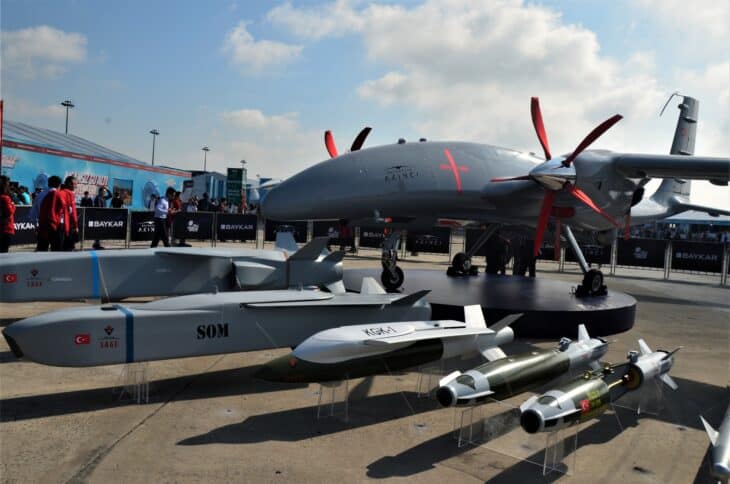

The Akinci is the heavyweight of Turkey’s working fleet. It has a 66-foot (20 m) wingspan, two turboprops of up to 850 horsepower each, and a maximum takeoff weight of 13,228 pounds (6,000 kg), according to Baykar.
Baykar lists 3,307 pounds (1,500 kg) of payload, a 40,000-foot service ceiling, more than 20 hours of endurance and an operational range of 3,728 miles (6,000 km) over satellite link. It cruises at 150 to 240 knots.
Payload and a long record decide first place. The Akinci first flew on December 6, 2019, joined the Turkish Armed Forces on August 29, 2021, and flew its first combat mission in February 2022. Baykar now counts export contracts with 16 countries.
Its weapons list runs from laser-guided mini bombs to cruise missiles, and it has fired a ballistic missile at a sea target. On September 16, 2026, an Akinci also hit a high-speed target drone with a Sungur air-defense missile off Sinop.
2. Bayraktar Kizilelma

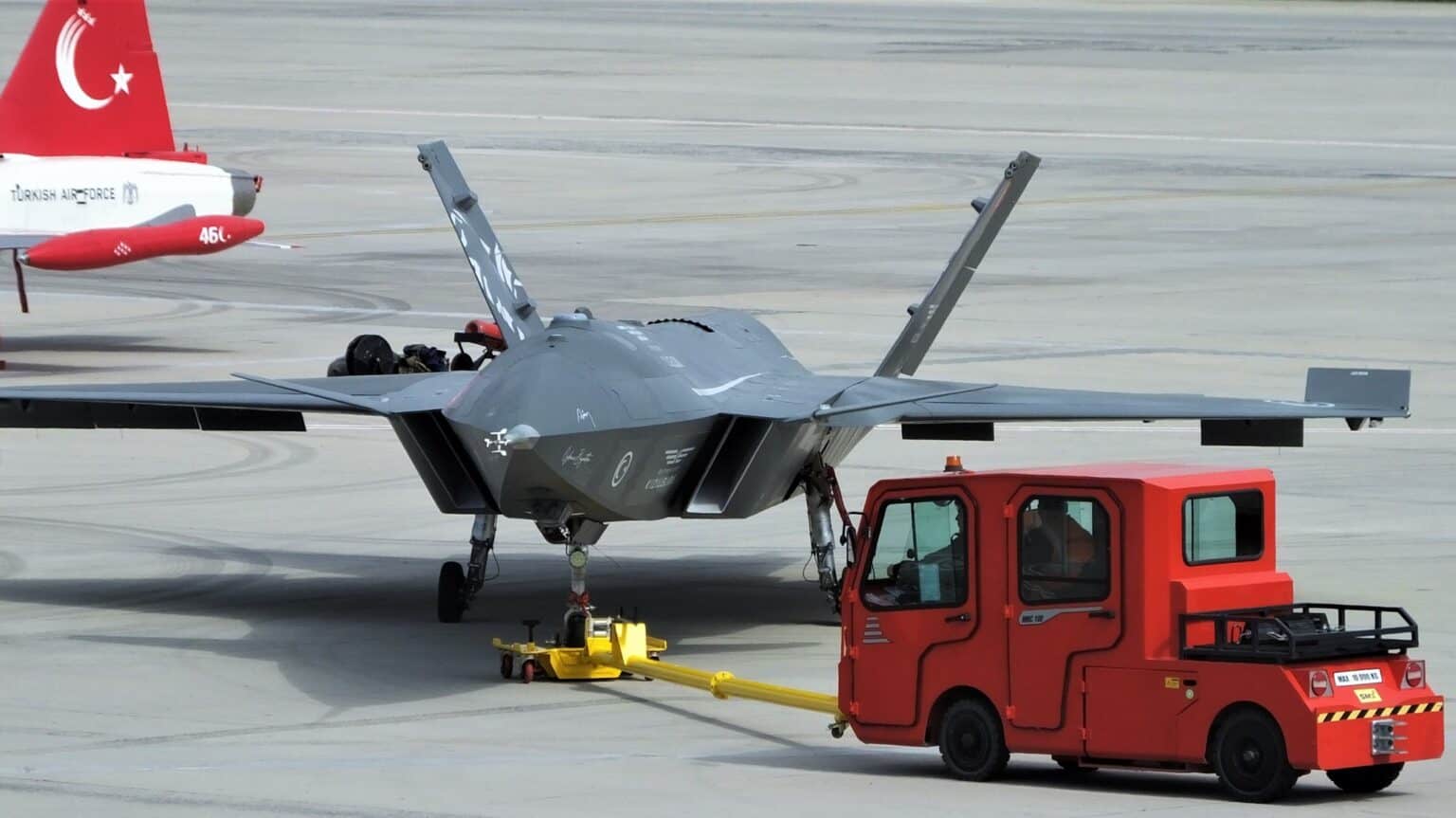
The Kizilelma is Turkey’s unmanned fighter. A single turbofan pushes it to Mach 0.9, and Baykar lists an 18,739-pound (8,500 kg) maximum takeoff weight, 3,307 pounds (1,500 kg) of payload and a combat radius of 500 nautical miles.
It first flew on December 14, 2022. On November 29, 2025, off Sinop, it hit a jet-powered target aircraft with a Gökdoğan beyond-visual-range missile, after an Aselsan Murad AESA radar designated the target. In July 2026 it dropped bombs from its internal weapons bay for the first time, which keeps its radar signature low.
Baykar delivered the first three to Turkish security forces on November 19, 2026, after 600 test and training sorties. The company did not say which service took them.
It ranks below the Akinci for one reason: it has no service record yet. Its endurance is also short, at a little over 3 hours, against more than 20 for the Akinci. Read more about the jet-powered field in our ranking of the best stealth drones in the world.
A drone that shot down a jet
Baykar says the Kizilelma became the first unmanned fighter to destroy a jet-powered aerial target with a beyond-visual-range air-to-air missile, in the November 29, 2025 test off Sinop. It also says Turkey is the first country to put an unmanned fighter into its inventory. Both are the maker’s claims.
3. Bayraktar TB2
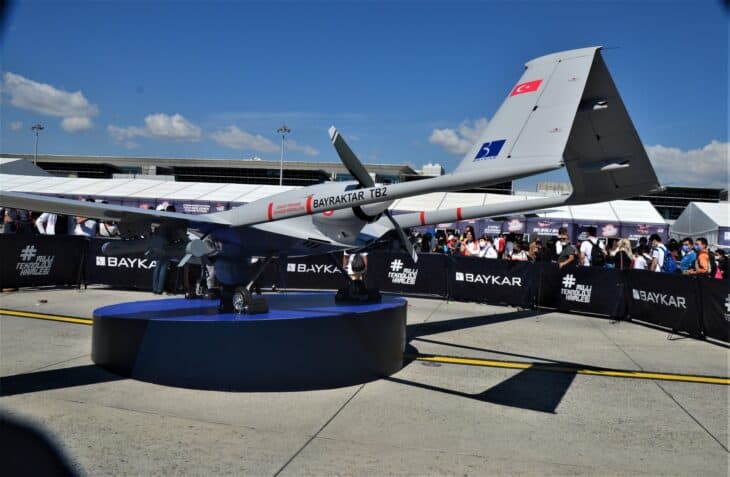

The TB2 is the drone that made Turkish drones famous. It is small for its role: a 39-foot (12 m) wingspan, a 100-horsepower piston engine and a 1,543-pound (700 kg) takeoff weight, with 331 pounds (150 kg) of payload.
Baykar lists 18-plus hours of endurance, a record flight of 27 hours and 3 minutes, a 20,000-foot service ceiling and a top speed of 110 knots. It first flew in August 2014.
Its war record is the longest of any Turkish drone. It struck targets in Syria, Iraq and Libya, flew for Azerbaijan in the 2020 Nagorno-Karabakh war, and hit Russian convoys in Ukraine in the first days of the 2022 invasion.
It has also been shot down often. At least 16 were reported lost in Libya in the first half of 2020, and Ukraine lost TB2s too, including one likely shot down near Snake Island in May 2022. Our Ukrainian drones ranking covers what replaced it there.
Sales keep growing anyway. Baykar counts 37 TB2 export countries, and the type has passed 1.25 million operational flight hours, the company says. It sits behind two heavier Baykar drones only because it carries a tenth of their load.
4. TUSAŞ Aksungur
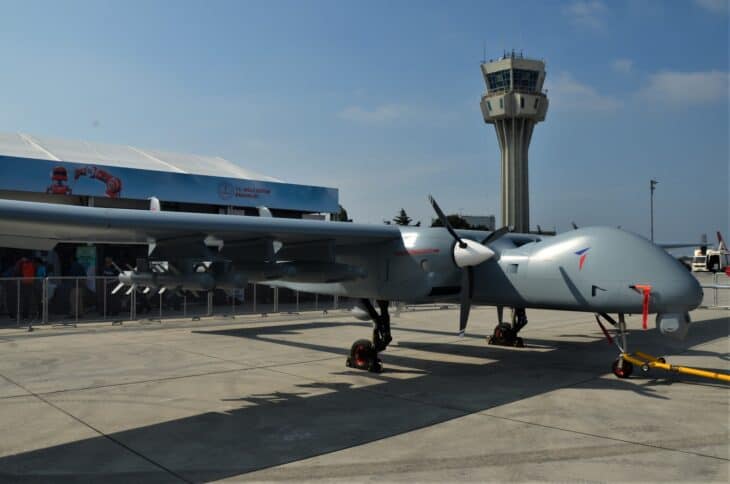

The Aksungur is Turkey’s endurance specialist, built by Turkish Aerospace (TUSAŞ). Its 79-foot (24 m) wing is the longest on this list, and two turbocharged diesel engines give it up to 50 hours aloft, by TUSAŞ’s figure.
It weighs 7,275 pounds (3,300 kg) at takeoff and carries more than 1,653 pounds (750 kg) of radar, signals intelligence gear or weapons. In November 2023, flying on Turkey’s own TEI-PD170 engine, it stayed up for 41 hours and reached 30,000 feet.
The first went to the Turkish Navy in October 2021, and Chad and Kyrgyzstan fly it too.
It ranks fourth because it is a surveillance aircraft first. It carries guided bombs and anti-tank missiles, but its value lies in watching a sea area or border for two days at a time.
5. Bayraktar TB3
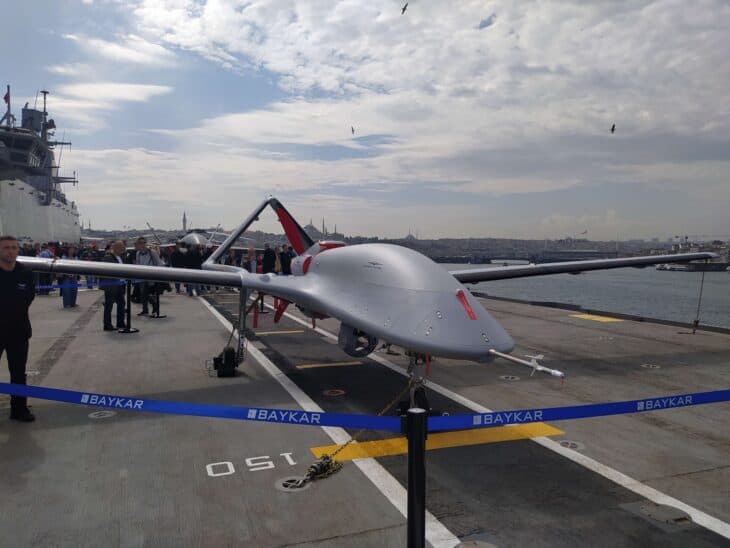

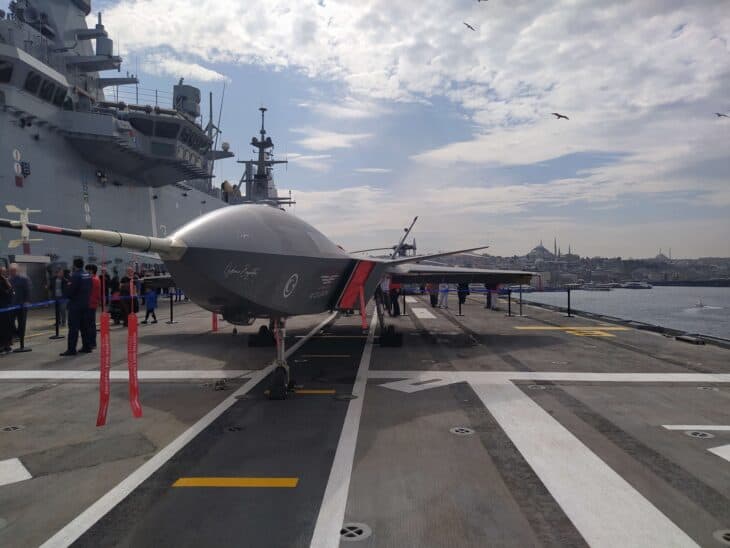
The TB3 is Baykar’s drone for the sea. It has folding wings, a 170-horsepower turbodiesel and a 46-foot (14 m) span, and it can take off from and land on the short deck of the amphibious assault ship TCG Anadolu.
Baykar lists a 3,527-pound (1,600 kg) takeoff weight, 617 pounds (280 kg) of payload, 24-plus hours of endurance and a 25,000-foot ceiling. It first flew on October 27, 2023, and first landed on the Anadolu on November 19, 2024.
In February 2026, during NATO’s Steadfast Dart exercise in the Baltic, a TB3 launched from the ship and hit surface targets with two MAM-L precision-guided munitions. Indonesia ordered 60 in February 2025, and Italy has ordered a version called the Astore Levante. The ship itself is covered in our Turkish Navy ranking.
6. TUSAŞ Anka-3
On paper, the Anka-3 carries more than any other Turkish drone. It is a tailless flying wing with internal bays, a 15,984-pound (7,250 kg) takeoff weight and up to 3,748 pounds (1,700 kg) of payload, according to TUSAŞ.
TUSAŞ gives it a top speed of Mach 0.7 at 30,000 feet, 10 hours of endurance and a combat radius of 668 miles (1,075 km) when armed for air-to-air, or 466 miles (750 km) with eight Tolun bombs.
It first flew on December 28, 2023, and one prototype crashed in June 2025. On May 6, 2026, Turkey’s defense procurement agency signed for serial production of more than 50. We found no report of a delivery as of November 2026.
That is why it ranks behind the TB3, which is already operational. Once in service, the Anka-3 should climb this list.
7. TUSAŞ Anka (Anka-S)
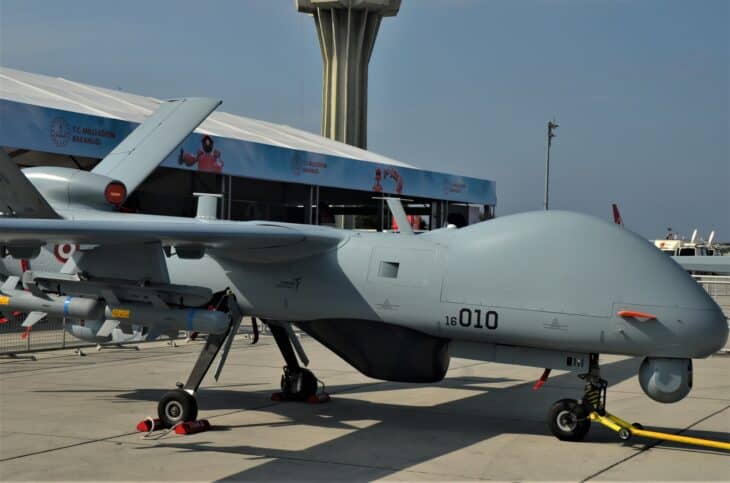

The Anka is the older medium-altitude drone that started Turkey’s drone industry. It was rolled out on July 16, 2010, and first flew that December 30, and Turkey ordered 10 of the production Anka-S version in October 2013.
TUSAŞ lists a 57-foot (17.5 m) wingspan, a 3,748-pound (1,700 kg) takeoff weight, more than 772 pounds (350 kg) of payload, up to 30 hours of endurance and a 30,000-foot ceiling. Anka fleets have passed 400,000 flight hours.
Tunisia, Indonesia, Malaysia and Kazakhstan have bought it. It ranks seventh because the bigger Aksungur, which shares its avionics and ground stations, now does the same job with more than twice the payload.
8. STM Kargu
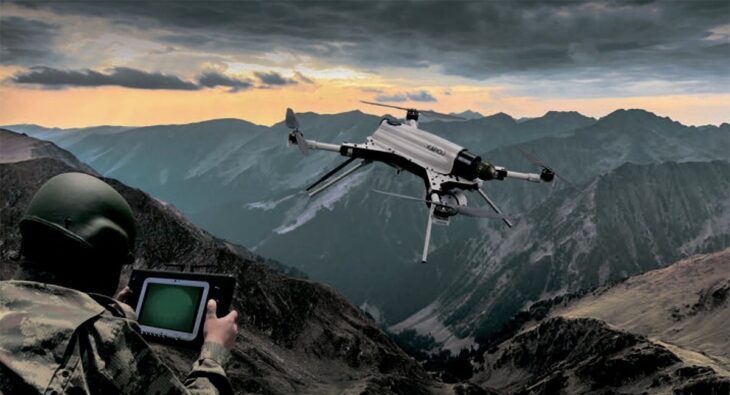

The Kargu is the smallest drone here: a quadcopter loitering munition that one soldier can carry and launch. It flies for about 30 minutes at up to 45 mph (72 km/h) and attacks within about 6.2 miles (10 km), with anti-personnel or armor-piercing warheads.
Its maker, STM, says it is in service with the Turkish Armed Forces and foreign militaries, and that the strike is “fully performed by the operator.” It can abort and fly home if no attack is made. More one-way attack drones are ranked in our list of the best kamikaze drones.
Did a Turkish drone kill on its own?
The Kargu became famous in 2021, when a UN Security Council Panel of Experts report on Libya said Kargu-2 drones had hunted retreating forces in 2020, and headlines called it the first killer robot. That claim has never been confirmed. STM has never demonstrated an autonomous attack, and its own material says the operator carries out every strike.
Why Turkey Builds So Many Drones
The TB2 was born out of a refusal. The United States would not sell armed drones to Turkey, so Baykar built its own, then replaced foreign engines and cameras with Turkish ones after Canada and Austria’s Rotax cut off supplies in 2020.
The result is now an export business. Baykar reported $2.2 billion in exports in 2025, 88% of its revenue, and counts contracts with 40 countries. The Turkish Air Force flies these drones alongside its F-16s while it waits for the manned KAAN fighter.
For how the TB2 and Akinci compare with the American, Israeli and Chinese types, see our ranking of the best military drones in the world.
FAQ
Sources and references used for research and fact-checking.
- Baykar, Bayraktar TB2
- Baykar, Akinci
- Baykar, Bayraktar TB3
- Baykar, Kizilelma
- Baykar, A First in Global Aviation History: Kizilelma Enters Türkiye's Inventory
- Baykar, Kizilelma Successfully Completes First Firing Tests From Its Internal Weapons Bay
- Baykar, Akinci Strikes Aerial Target With Sungur
- Baykar, Baykar Remains Global UCAV Export Leader in 2025
- Turkish Aerospace (TUSAŞ), Aksungur
- Turkish Aerospace (TUSAŞ), Anka
- Turkish Aerospace (TUSAŞ), Anka III
- STM, Kargu Combat Proven Rotary Wing Loitering Munition System
- SAHA Expo, SAHA 2026 Show Daily, Day 4
- Al Jazeera, Lithuanians crowdfund $5.4m for combat drone to Ukraine
- Wikipedia, Baykar Bayraktar TB2
- Wikipedia, Bayraktar Akıncı
- Wikipedia, Baykar Bayraktar TB3
- Wikipedia, TAI Anka-3
- Wikipedia, TAI Aksungur
- Wikipedia, TAI Anka
- Wikipedia, STM Kargu
Get the Newsletter
The latest aviation news and stories sent to your inbox.
About the Author

Tim is the owner and lead editor of AeroCorner since 2019, overseeing aviation content covering aircraft, airlines, airports, and the broader aviation industry. Through years of researching, writing, editing, and publishing aviation-focused content, he has developed extensive practical knowledge of commercial aviation and air travel. Based in Asia and a frequent traveler himself, Tim also brings firsthand passenger experience to AeroCorner’s coverage. Outside of publishing, he has also explored aviation firsthand through hands-on flight training in New Zealand.