

Table of Contents
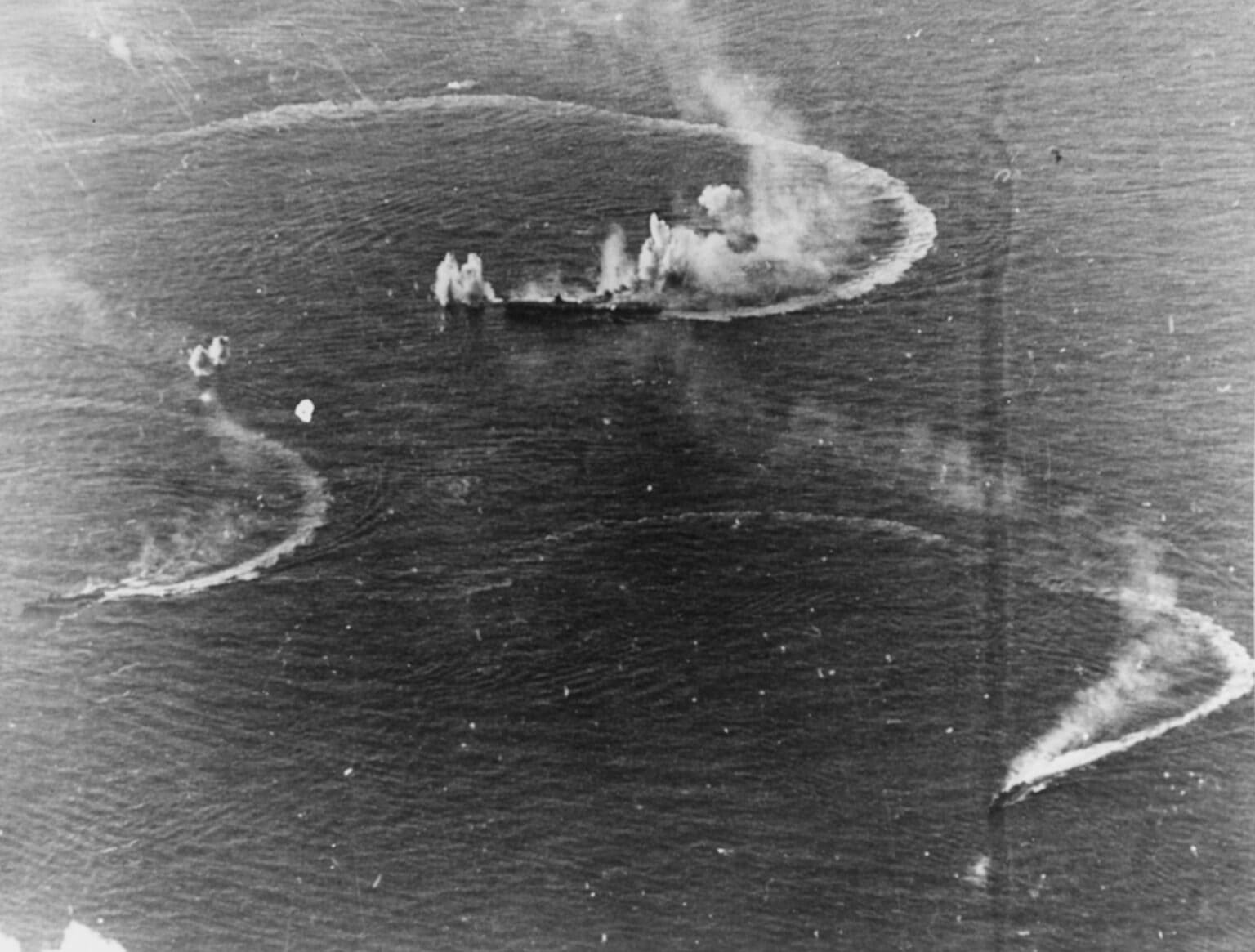
On Dec. 7, 1941, the Imperial Japanese Navy had 11 aircraft carriers in commission, more than any other navy in the Pacific. Over the next three years and eight months it added 14 more, for a total of 25.
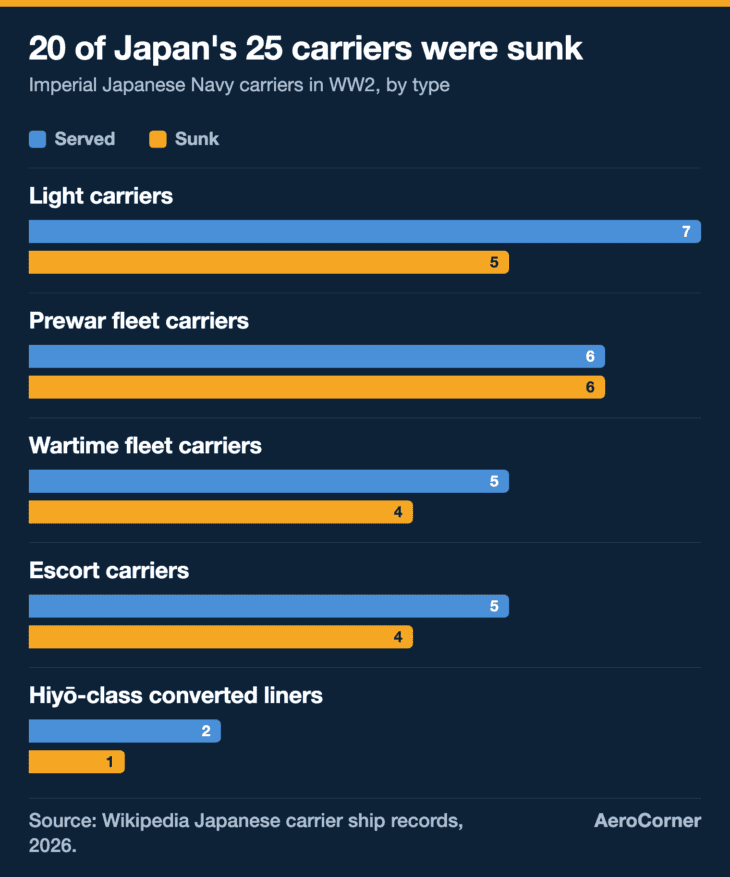
Twenty of them were sunk. Those figures come from the commissioning and loss dates of every ship, as recorded in each ship’s service history, checked in November 2026.
How Many Aircraft Carriers Did Japan Have in WW2?
Japan had 25 aircraft carriers in service during the Pacific War: 11 fleet carriers, 2 converted liners of the Hiyō class, 7 light carriers and 5 escort carriers. Eleven were in commission when the war began, and 14 joined during it.
The 25 leaves out the Imperial Japanese Army’s own small flight-deck ships, seaplane carriers, and hulls that were never finished. At the surrender in 1945, four carriers were still afloat, and a fifth lay grounded and wrecked.
The count at a glance
In commission on Dec. 7, 1941: 11 (6 fleet, 4 light, 1 escort). Commissioned during the war: 14. Total that served: 25. Sunk: 20. Afloat at the surrender: 4 (Hōshō, Jun’yō, Ryūhō, Katsuragi).
The Breakdown: Every Type of Carrier Japan Sailed
Japan’s carriers came from almost every kind of hull. Two were converted from capital ships cancelled by the Washington Naval Treaty, one from a Yamato-class battleship, and others from submarine tenders, seaplane tenders and ocean liners. The rest were built as carriers from the keel up.
| Type | Served in WW2 | Sunk | Afloat at the surrender |
|---|---|---|---|
| Prewar fleet carriers (Akagi, Kaga, Sōryū, Hiryū, Shōkaku, Zuikaku) | 6 | 6 | 0 |
| Wartime fleet carriers (Taihō, Shinano, Unryū, Amagi, Katsuragi) | 5 | 4 | 1 |
| Hiyō-class converted liners (Hiyō, Jun’yō) | 2 | 1 | 1 |
| Light carriers (Hōshō, Ryūjō, Zuihō, Shōhō, Ryūhō, Chitose, Chiyoda) | 7 | 5 | 2 |
| Escort carriers (Taiyō, Un’yō, Chūyō, Kaiyō, Shin’yō) | 5 | 4 | 0 |
| Total | 25 | 20 | 4 |
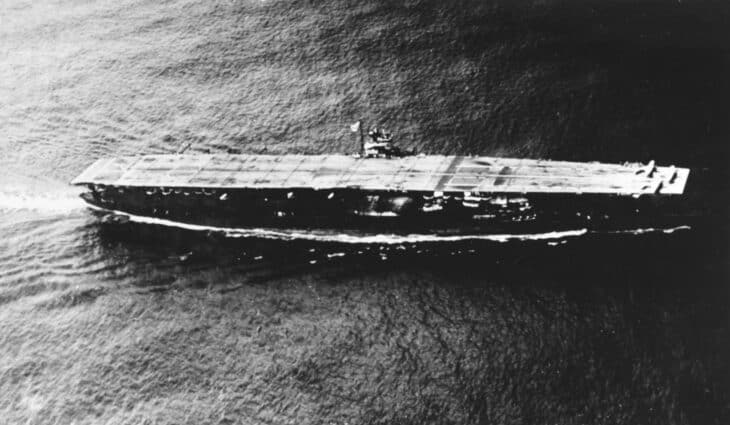
The six prewar fleet carriers are the ones that matter most. All six sailed for Pearl Harbor, led by Akagi, and all six were sunk: four at the Battle of Midway, Shōkaku at the Philippine Sea and Zuikaku at Leyte Gulf.

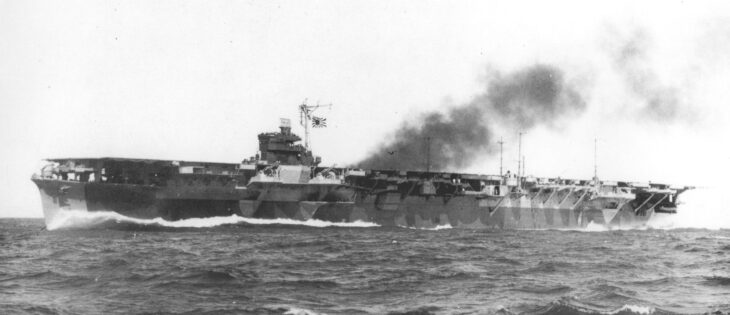
Japan planned 16 carriers of the Unryū class to replace them. Only three, Unryū, Amagi and Katsuragi, were completed, and work on Kasagi, Aso and Ikoma was abandoned in 1945.

Why the Numbers Differ
Search this question and you will see 6, 10, 11, about 20, 25 and higher figures. Each one is a correct answer to a slightly different question.
6. The number of carriers in the Pearl Harbor strike force: Akagi, Kaga, Sōryū, Hiryū, Shōkaku and Zuikaku. It is not Japan’s whole carrier fleet. Our guide to the aircraft that fought at Pearl Harbor covers what those decks launched.
10 or 11 at the start. Shōhō was commissioned on Nov. 30, 1941, but her conversion from a submarine tender was not finished until Jan. 26, 1942. Counts of ships ready for action on Dec. 7 leave her out and get 10.
About 20. These usually drop the five escort carriers, which were slow converted liners used mostly to ferry aircraft, train pilots and guard convoys.
11 or 13 fleet carriers. Hiyō and Jun’yō are the swing ships. Jun’yō was first rated an auxiliary carrier and was redesignated a regular carrier in July 1942, after Midway, so Western books file the pair as fleet carriers or light carriers.
26 and up. Higher totals add ships the Navy did not operate as carriers. Shimane Maru, a tanker with a flight deck, was completed on Feb. 28, 1945, but never entered active service before British aircraft sank her that July.
The Imperial Japanese Army also had its own flight-deck ships, including Akitsu Maru, torpedoed by USS Queenfish on Nov. 15, 1944. Some lists add the seaplane carriers Mizuho and Nisshin as well.
Midway did not end Japan's carrier fleet
Four carriers were sunk at Midway, but Japan still had eight in commission when the battle ended, and 12 more joined after it. Most of the 20 losses came later: three at the Philippine Sea, four at Leyte Gulf and eight to American submarines.
How Japan Lost 20 Carriers
Carrier aircraft sank or fatally damaged 12 of the 20. Submarines sank the other eight, all of them from December 1943 on.
May 7, 1942
Shōhō. Sunk by aircraft in the Battle of the Coral Sea, the first Japanese carrier lost.
June 4-5, 1942
Akagi, Kaga, Sōryū and Hiryū. Wrecked by American dive bombers at Midway and sunk or scuttled.
Aug. 24, 1942
Ryūjō. Sunk by aircraft in the Battle of the Eastern Solomons.
Dec. 4, 1943
Chūyō. Torpedoed by a US submarine, the first Japanese carrier lost that way.
June 19-20, 1944
Shōkaku, Taihō and Hiyō. Shōkaku and Taihō torpedoed by USS Cavalla and USS Albacore, Hiyō sunk by aircraft, in the Battle of the Philippine Sea.
Aug. 18 and Sept. 17, 1944
Taiyō and Un’yō. Escort carriers torpedoed by US submarines.
Oct. 25, 1944
Zuikaku, Zuihō, Chitose and Chiyoda. Sunk off Cape Engaño in the Battle of Leyte Gulf. Chiyoda, crippled by aircraft, was finished off by American cruisers and destroyers.
Nov. 17, 1944
Shin’yō. Torpedoed by a US submarine in the Yellow Sea.
Nov. 29, 1944
Shinano. Torpedoed by USS Archerfish 10 days after commissioning. She is still the largest ship ever sunk by a submarine.
Dec. 19, 1944
Unryū. Torpedoed by USS Redfish in the East China Sea; she sank in seven minutes.
July 1945
Amagi. Capsized at Kure after American air attacks, the last Japanese carrier sunk.
The survivors were in no state to fight. Jun’yō’s repairs were abandoned in March 1945 for lack of materials, and Ryūhō was written off as a total loss after a March 1945 raid on Kure.
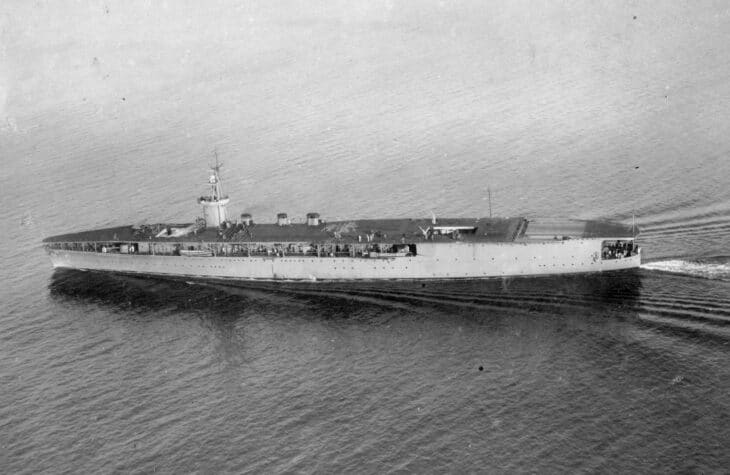
Only Hōshō, Japan’s first carrier, and Katsuragi ever sailed again. After the surrender both were used as repatriation transports, carrying Japanese soldiers and civilians home from overseas before they were scrapped.

How That Compares With the US
Japan started the war ahead. Its 11 carriers compare with 8 in the US Navy on Dec. 7, 1941, and only three of those American carriers were in the Pacific.
Then the shipyards decided it. Japan commissioned 14 carriers during the war, while the US commissioned 102, including 17 of the Essex class. Our count of how many aircraft carriers the US had in WW2 breaks those down by class.
The US lost 11 carriers to Japan’s 20. The Mitsubishi A6M Zero was the standard fighter on Japan’s carrier decks throughout. Our ranking of the aircraft carriers of WW2 puts the best ships of both navies side by side.
Today’s Japan has no ship it calls an aircraft carrier. Its navy in 2026 operates two flat-deck ships it classes as destroyers.
FAQ
Sources and references used for research and fact-checking.
- Wikipedia, List of aircraft carriers of World War II
- Wikipedia, Unryū-class aircraft carrier
- Wikipedia, Hiyō-class aircraft carrier
- Wikipedia, Japanese aircraft carrier Shōhō
- Wikipedia, Japanese aircraft carrier Shinano
- Wikipedia, Japanese aircraft carrier Hōshō
- Wikipedia, Japanese aircraft carrier Katsuragi
- Wikipedia, Japanese aircraft carrier Ryūhō
- Wikipedia, Japanese aircraft carrier Kaiyō
- Wikipedia, Japanese aircraft carrier Chiyoda
- Wikipedia, Special 1TL Type escort carrier
- Wikipedia, Japanese landing craft carrier Akitsu Maru
- Wikipedia, Japanese aircraft carrier Taihō
- Wikipedia, Japanese aircraft carrier Unryū
Get the Newsletter
The latest aviation news and stories sent to your inbox.
About the Author

Tim is the owner and lead editor of AeroCorner since 2019, overseeing aviation content covering aircraft, airlines, airports, and the broader aviation industry. Through years of researching, writing, editing, and publishing aviation-focused content, he has developed extensive practical knowledge of commercial aviation and air travel. Based in Asia and a frequent traveler himself, Tim also brings firsthand passenger experience to AeroCorner’s coverage. Outside of publishing, he has also explored aviation firsthand through hands-on flight training in New Zealand.