

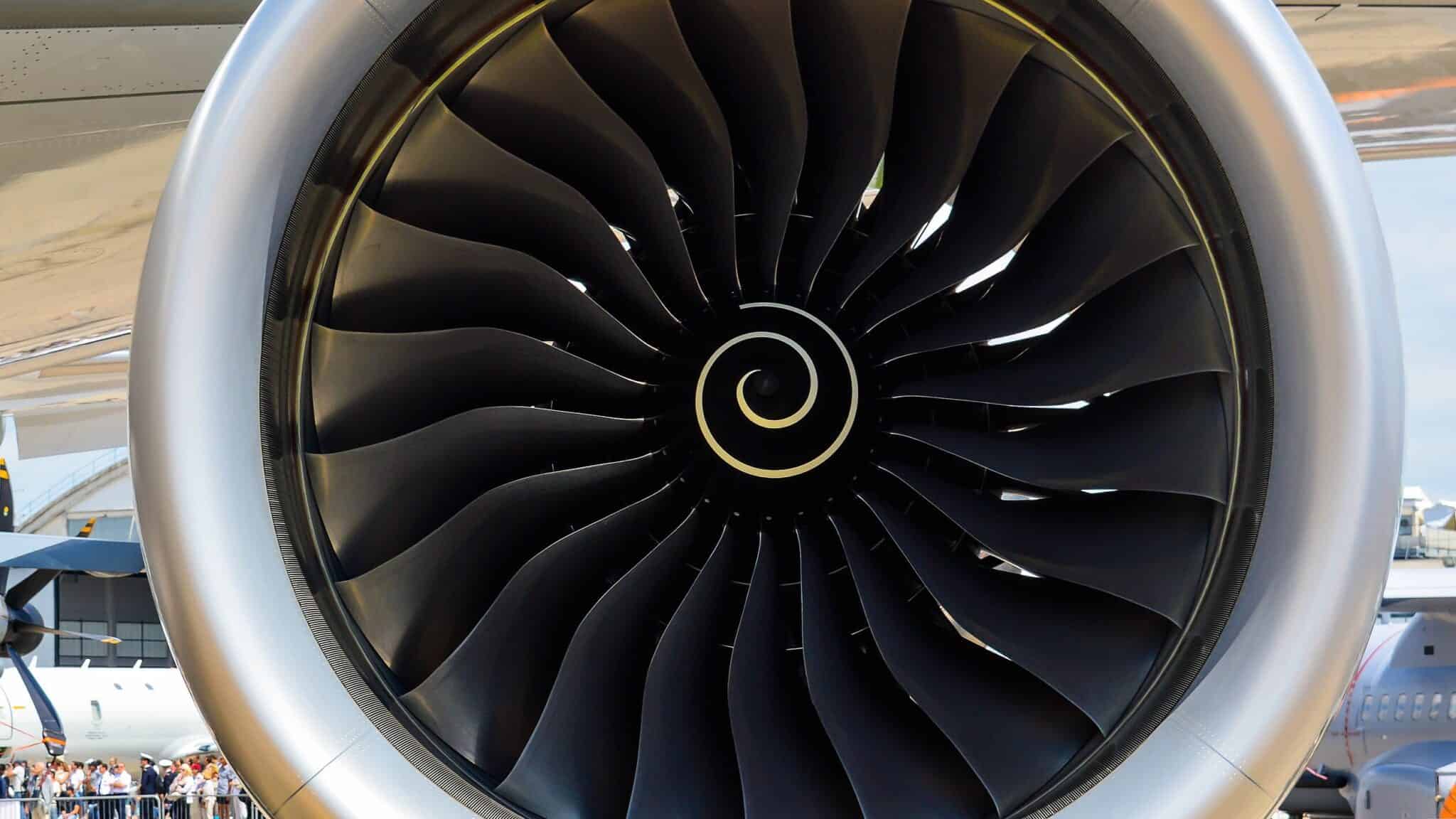
The FAA published a proposed airworthiness directive on September 22, 2026 that would cut the service life of the fuel metering units on Rolls-Royce Trent XWB engines. It covers 38 US-registered Airbus A350-941s, and the agency puts the bill at up to $79.2 million.
A350-941 is the type-certificate designation for the A350-900. The trailing digits identify the engine fit, which is why the notice reads as an Airbus airframe directive while the defective part is a Rolls-Royce one.
What the Proposal Requires
The unsafe condition is wear inside a valve. The FAA describes “wear-induced stiction within the combining spill valve” of the engine hydro-mechanical units, known as HMUs.
Left alone, the agency says, that can cause “an unintended internal fuel leak during high power demand, leading to reduced fuel flow and potential thrust shortfalls.” Combined with a loss of the second engine, the notice adds, it “could result in reduced control of the airplane.”
Two part numbers are named, G5000HMU02 and G5000HMU03. An affected unit would have to come off before it exceeds its new life limit, or within 30 days of the rule taking effect, whichever falls later.
The limits differ by engine. On a Trent XWB-84 or XWB-75 the cap is 35,000 flight hours; on the XWB-84EP it drops to 26,500.
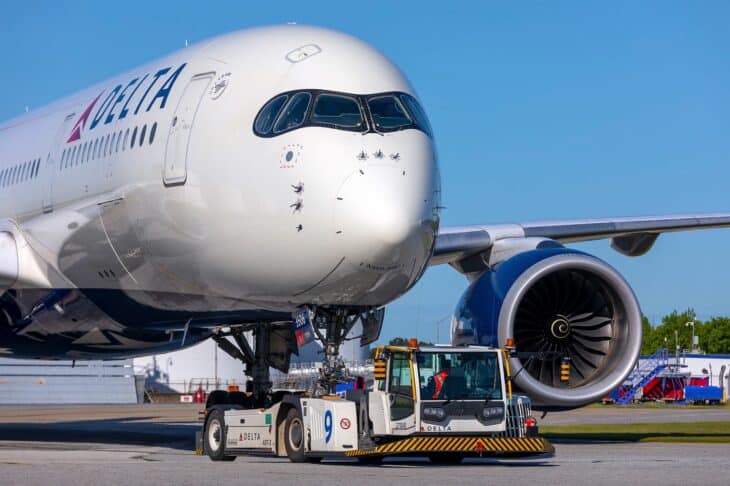
The FAA says the proposal was prompted by reports of engine health monitoring messages that forced premature removal of the units. It mirrors EASA AD 2025-0183, dated August 25, 2025, and follows earlier joint action by the two regulators on Trent engine pairings.
This is a proposal, not a rule
Comments close on November 6, 2026, and nothing here binds US operators until the FAA issues a final directive. The figures, the life limits and the cost estimate can all change before then. The EASA directive it mirrors is dated August 2025.
What an HMU Actually Does
The hydro-mechanical unit decides how much fuel reaches the burners. The engine’s control computer sets the target, and the HMU is the hardware that meters the flow to match it.
The combining spill valve is part of how the unit sheds surplus fuel. Stiction, a blend of sticking and static friction, is what stops that valve closing fully once wear sets in.
The leak the FAA describes is an internal one, which is the part worth understanding. The concern is not fuel lost overboard but fuel that does not reach the engine, so what a crew would notice is thrust that does not arrive when they ask for it.
The timing is what makes it a safety case. A valve that seals well enough in cruise can fall short at takeoff or go-around power, which is when it matters most.
Why This One Costs $79 Million
Many airworthiness directives buy inspections. A borescope check on a CFM56 or an X-ray of a cargo fitting costs labor and downtime, and the part usually stays on the aircraft.
This one buys hardware. The FAA’s estimate allows up to 20 work-hours per airplane at $85 an hour, which comes to $1,700, and puts the parts at up to $2,081,930.
Labor is roughly 0.08 percent of the total. Nearly all of the $2,083,630 per-airplane figure is two new HMUs, one per engine.
Across 38 airplanes that reaches $79,177,940. It is the shape of a life-limit directive rather than an inspection one: it does not ask operators to go and look at something, it obliges them to go and buy something.
Sources and references used for research and fact-checking.
Get the Newsletter
The latest aviation news and stories sent to your inbox.
About the Author

Tim is the owner and lead editor of AeroCorner since 2019, overseeing aviation content covering aircraft, airlines, airports, and the broader aviation industry. Through years of researching, writing, editing, and publishing aviation-focused content, he has developed extensive practical knowledge of commercial aviation and air travel. Based in Asia and a frequent traveler himself, Tim also brings firsthand passenger experience to AeroCorner’s coverage. Outside of publishing, he has also explored aviation firsthand through hands-on flight training in New Zealand.