

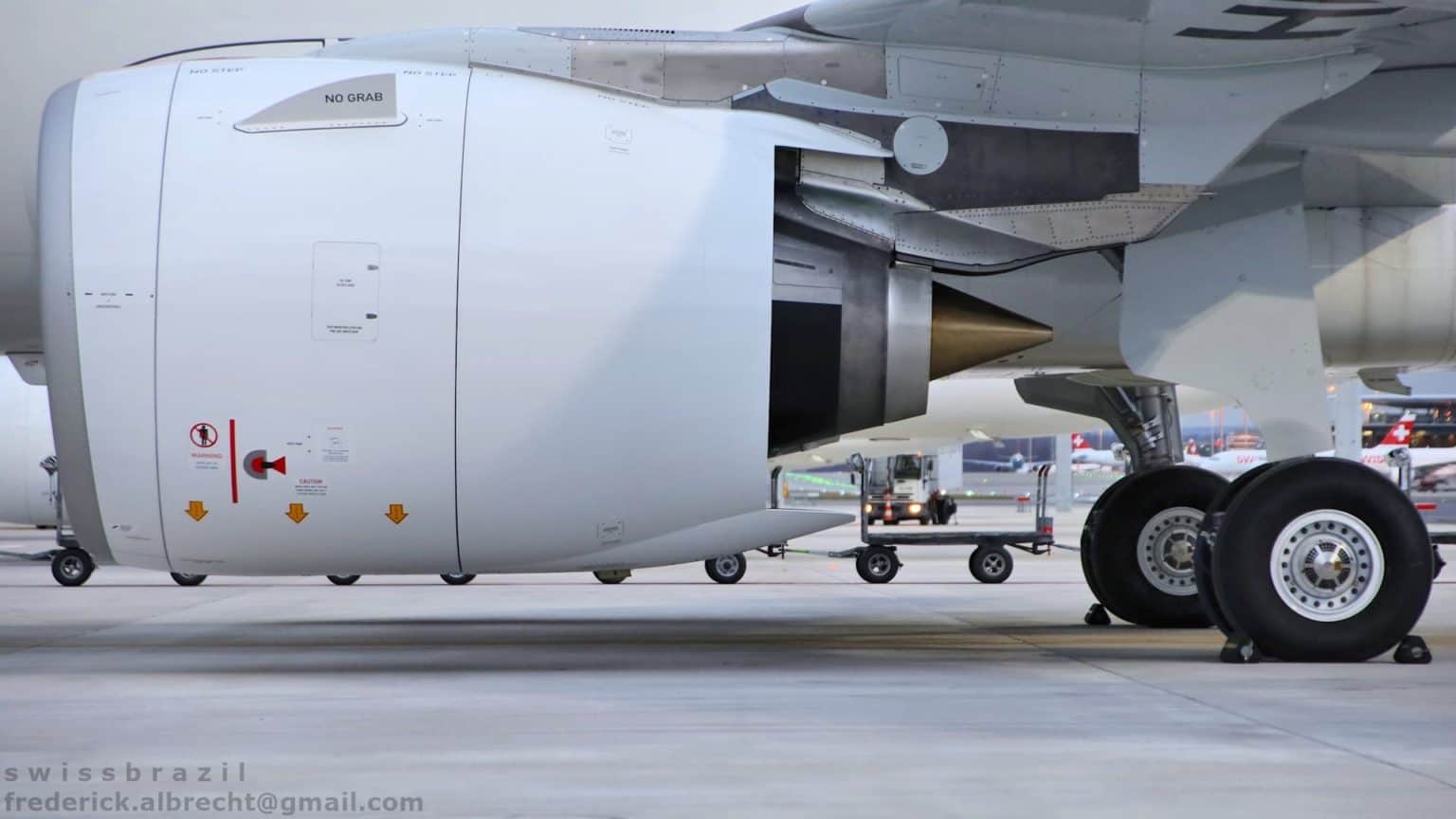
On September 18, 2026, FAA airworthiness directive 2026-18-03 took effect, requiring repeated visual inspections of a structural rib that carries the main landing gear on certain Airbus A318, A319, A320 and A321 airplanes. The FAA estimates the rule affects 29 airplanes of US registry.
The problem started on the production assembly line, not in service. The FAA describes a “quality escape” that left tool mark damage in the bore of the forward and aft lugs of main landing gear support rib 5.
That damage came from an improper bush removal technique used by the supplier at the assembly stage, according to EASA airworthiness directive 2026-0142, which the FAA adopted by reference rather than rewriting.
Why One Rib Carries This Much Weight
Support rib 5 is a safe-life principal structural element. In certification language that means it is not designed to tolerate a growing crack: it is sized to last a set number of flights and then be retired.
A tool mark inside a lug bore is a stress concentration, so fatigue cracking can begin far earlier than the design assumed. EASA states the end point plainly, as structural failure of the rib and subsequent collapse of the main landing gear.
The inspection looks for cracking, corrosion, any out of tolerance dimension, ovality, nicks, and signs that a bush has rotated or migrated. If an inspector finds any of those, the operator must contact Airbus for approved repair instructions before the next flight.
The Check Costs $255. The Fix That Ends It Costs Up to $59,625.
The required detailed visual inspection takes three work hours, which the FAA prices at $255 per airplane and $7,395 across the US fleet. It then repeats at intervals of no more than 500 flight cycles or 1,000 flight hours, whichever comes first.
There is a way to stop the cycle. A one-time special detailed inspection of the lug bore holes terminates the repeats, but the FAA estimates it at 345 work hours plus up to $30,300 in parts, or as much as $59,625 per airplane.
EASA mandated that terminating inspection. The FAA did not, and its reasoning is procedural rather than technical: the European deadlines for that inspection fall late enough to leave room for a proper public comment period first.
Interim action, not an exemption
The FAA calls this directive an interim step and says it is considering further rulemaking to mandate the terminating inspection. The optional status of the expensive check is a timing decision about rulemaking procedure, not a judgment that the check is unnecessary.
Adopted Without Prior Public Comment
The FAA issued this as a final rule with request for comments, skipping the usual notice and comment stage and making it effective 15 days after publication. Both moves rest on the “good cause” provisions of the Administrative Procedure Act.
The agency gave two reasons. The consequence at stake is a gear collapse, and the first compliance deadline arrives sooner than a comment period plus a final rule could be completed. Comments stay open until October 19, 2026.
Unusually for a structural directive, the exposure is a closed and published list. Appendix 1 of the EASA directive names 163 individual manufacturer serial numbers, 111 of them A320-200s, and the FAA’s 29 airplanes are the US-registered share of that list.
Operators that find nothing still have to file. EASA requires the inspection results, including no findings, to be reported back to Airbus within 90 days, which is how Airbus learns whether its supplier’s tool marks are turning into cracks.
The A320 family has drawn a run of structural work this summer. The FAA proposed nose gear sliding tube inspections across the whole family in August, then ordered crack checks on older cargo doors two weeks later.
Sources and references used for research and fact-checking.
Get the Newsletter
The latest aviation news and stories sent to your inbox.
About the Author

Tim is the owner and lead editor of AeroCorner since 2019, overseeing aviation content covering aircraft, airlines, airports, and the broader aviation industry. Through years of researching, writing, editing, and publishing aviation-focused content, he has developed extensive practical knowledge of commercial aviation and air travel. Based in Asia and a frequent traveler himself, Tim also brings firsthand passenger experience to AeroCorner’s coverage. Outside of publishing, he has also explored aviation firsthand through hands-on flight training in New Zealand.