

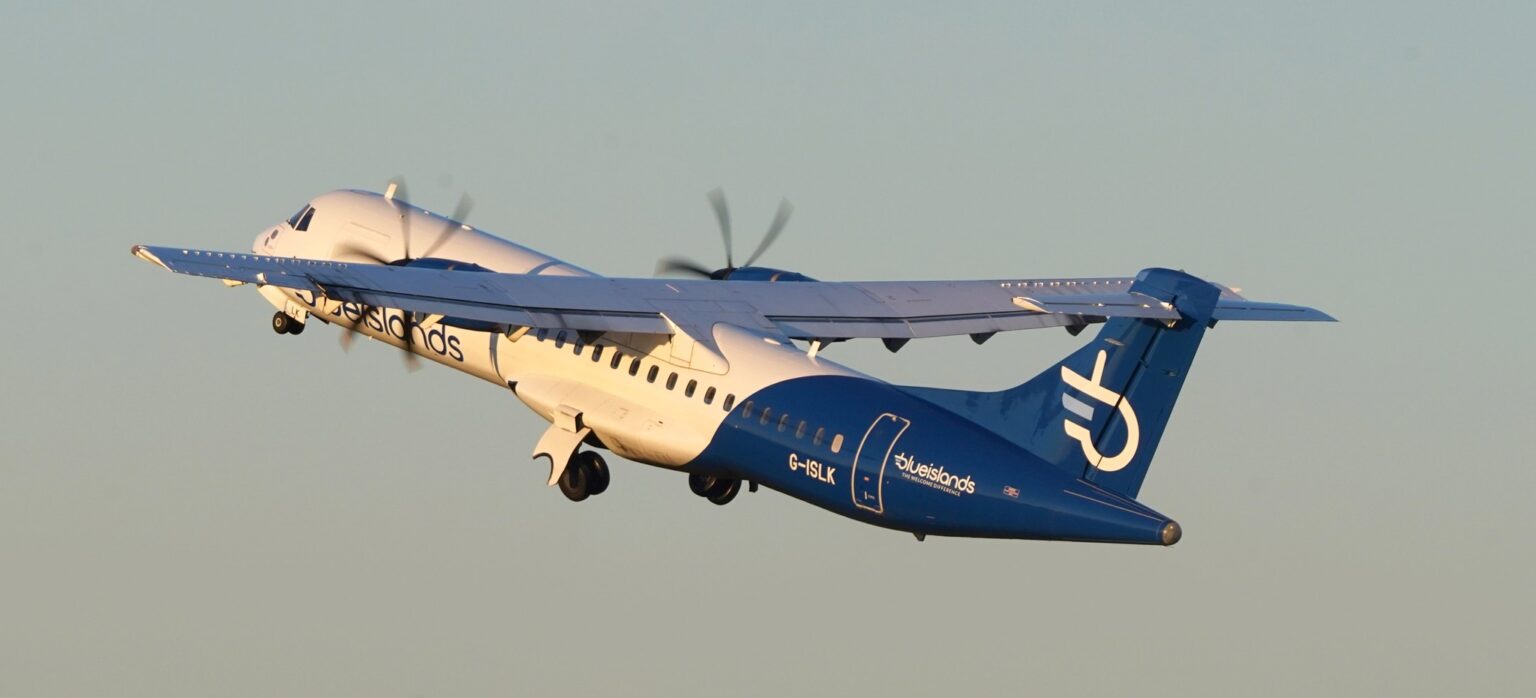
On November 16, 2026, the European Union Aviation Safety Agency issued airworthiness directive 2026-0219, ordering operators of ATR 42 and ATR 72 turboprops to check the valves that feed their airframe de-icing system far more often. The directive takes effect on November 30 and replaces EASA AD 2025-0011, issued on January 10, 2025.
The part in question is the pressure regulator and shut-off valve, or PRSOV. EASA says a dormant failure of the valve, if not found and fixed, could combine with icing conditions and ultimately lead to loss of control of the aircraft.
The 2025 directive had already shortened the checks after a design review. According to EASA, updated results from the valve supplier’s failure modes and effects analysis, carried into ATR’s system safety assessment, showed the interval had to come down again, and ATR reissued its maintenance instruction, Airworthiness Operators Message 2024/12, as Issue 6 on October 26, 2026.
The new check intervals
The directive covers every serial number of the ATR 42-200, -300, -320, -400 and -500 and the ATR 72-101 through -212A. That includes the ATR 72-600, which EASA’s type certificate data sheet treats as an ATR 72-212A fitted with the newer avionics suite.
| Group | Aircraft | AD 2025-0011 interval | AD 2026-0219 interval |
|---|---|---|---|
| 1 | ATR 42-200, -300 and -320 | 650 flight hours | 190 flight hours |
| 2 | ATR 42-400/-500 and ATR 72 without ATR mod 06076 or its service bulletin | 700 flight hours | 210 flight hours |
| 3 | ATR 42-400/-500 and ATR 72 with mod 06076 (production) or SB ATR42-30-0075 / ATR72-30-1046 (in service) | 1,050 flight hours | 160 flight hours |
Group 3, the aircraft with the modification, takes the steepest cut: from 1,050 hours to 160, so the check now comes more than six times as often. The directive gives no separate explanation for why the modified aircraft now carry the shortest interval of the three groups.
Operators get a short runway into the new numbers. The next check is due at the new interval since the last one, or 100 flight hours after November 30, whichever is later, but never beyond the old 650, 700 or 1,050-hour limit since the previous check.
Any discrepancy found must be corrected before the next flight under ATR’s instructions, and if those instructions do not cover it, the operator has to get approved instructions from ATR first. There is no terminating action, so the checks repeat for the life of the aircraft.
EASA issued the rule as a final directive with a request for comments, postponing public consultation until after publication because of the required actions and compliance time. Comments are open until December 14, 2026.
Why a hidden valve fault matters in icing
ATR wings and tailplanes use pneumatic de-icing boots, rubber strips along the leading edges that inflate and deflate to crack off accumulated ice. The PRSOV regulates the engine bleed air that drives them and shuts that supply off when the system is not in use.
A dormant failure is one that does not show itself in normal operation. For a de-icing valve, the first real demand comes in cloud, with ice building on the airframe, which is exactly the wrong moment to discover a fault.
A scheduled functional check on the ground is how maintenance finds that kind of failure first. Shortening the interval shrinks the window in which a failed valve could sit unnoticed, which is the trade EASA and ATR are making here.
The United States adopted the first version of the requirement. The FAA’s AD 2025-24-09, effective January 13, 2026, mandated the 2025 EASA checks on an estimated 114 US-registered ATRs at about 50 work-hours, or $4,250, per aircraft.
As of November 21, 2026, the Federal Register showed no FAA proposal to adopt the shorter intervals. The FAA adopted the 2025 version under its bilateral agreement with EASA, so a matching US rule would be the normal next step.
The Voepass backdrop
Neither EASA directive mentions an accident. The 2025 rule cites a design review, and the new one adds the supplier’s updated failure analysis.
The timing still draws attention. ATR’s first issue of the valve instruction is dated October 24, 2024, about 11 weeks after Voepass Flight 2283, an ATR 72-500, crashed in Vinhedo, Brazil, on August 9, 2024, killing all 62 people aboard.
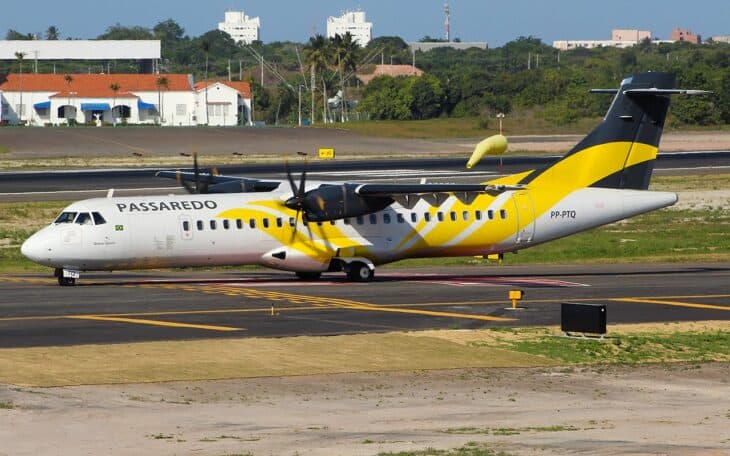

Brazil’s investigator CENIPA found in its July 2026 final report that the aircraft’s de-icing system had experienced multiple failures, as covered in AeroCorner’s report on its findings. Published accounts of the report do not identify the valve covered by this directive, so whether it played any part in the crash is not established.
CENIPA did recommend that EASA work with ATR to review the type’s “degraded performance” procedure, a separate issue from the valve. The valve directive is EASA’s second ATR action this month, after it moved up horizontal stabilizer inspections on November 12.
Sources and references used for research and fact-checking.
- EASA, AD 2026-0219: Ice and Rain Protection, De-icing System / Pressure Regulator and Shut-Off Valve, Functional Checks
- EASA, AD 2025-0011 (superseded): PRSOV functional checks, ATR 42 and ATR 72
- EASA, Type Certificate Data Sheet EASA.A.084, ATR 42 / ATR 72
- FAA (Federal Register), Airworthiness Directives; ATR-GIE Avions de Transport Régional Airplanes (AD 2025-24-09, final rule)
Get the Newsletter
The latest aviation news and stories sent to your inbox.
About the Author

AeroCorner News is the aviation news desk of AeroCorner.com. It covers accidents and incidents, safety rulings, airline and airport disruption, and new aircraft. It works from primary sources such as the NTSB, FAA, EASA and the manufacturers' own announcements.