

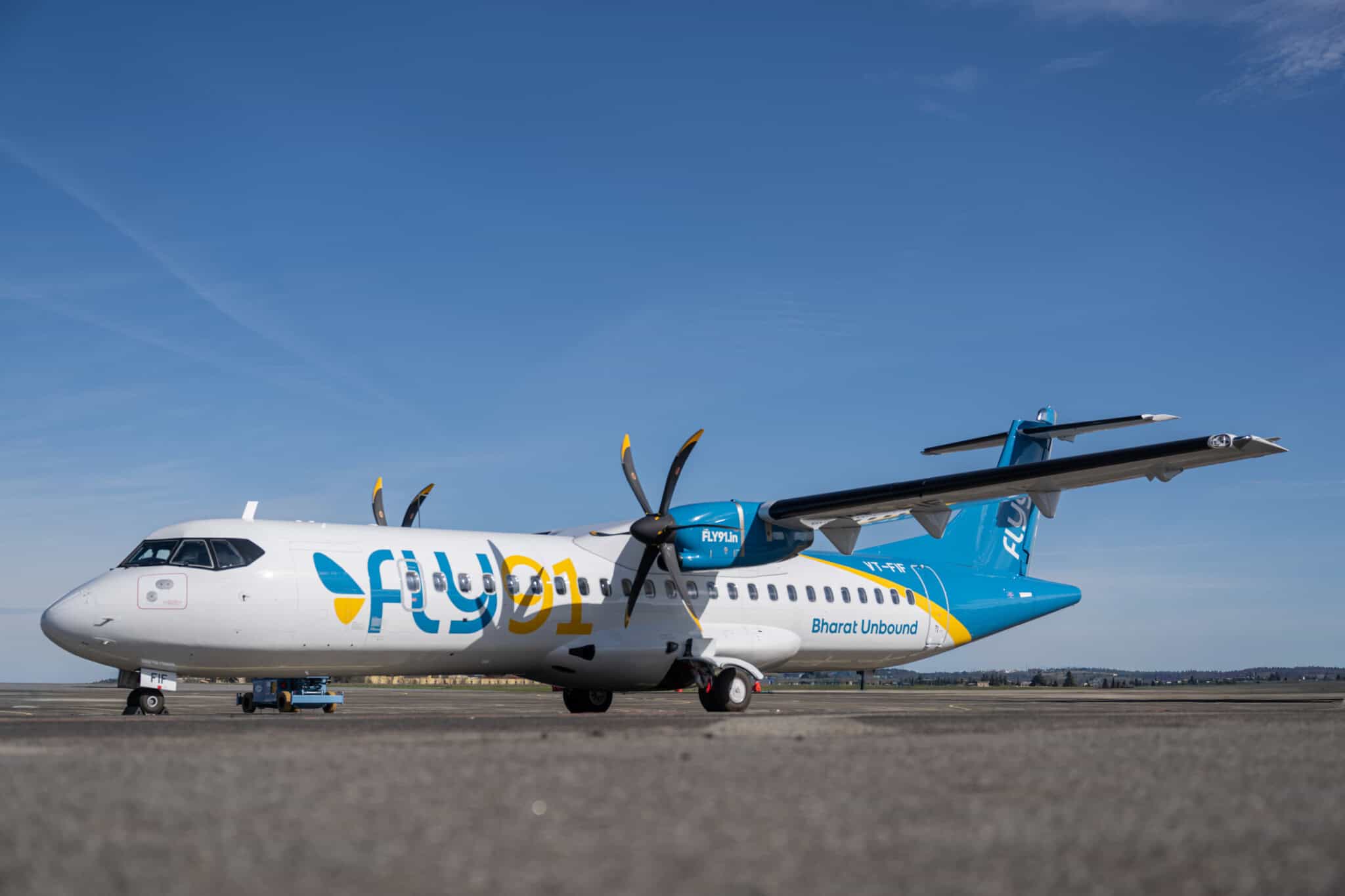
The European Union Aviation Safety Agency (EASA) has shortened the time ATR 42 and ATR 72 operators have to inspect part of the horizontal stabilizer, an area where loose fasteners and cracks have been found on aircraft in service. Airworthiness Directive 2026-0217, issued on November 12, 2026, takes effect on November 26.
The inspection itself is not new. What changes is the deadline for two groups of aircraft, which falls from 24 months to 20 months after May 28, 2025, moving it from May 28, 2027, to January 28, 2027.
What EASA found, and what changed
According to the directive, several occurrences of loose fasteners and cracks were reported in the stabilizer’s leading-edge lateral ribs, the box between them, the center box upper panel and the forward back-up fitting on some aircraft in service. Investigations then identified possible manufacturing deviations and produced a list of horizontal tailplanes that might share the problem.
EASA first ordered a one-time detailed inspection of that area in AD 2023-0125, effective July 6, 2023. In May 2025, AD 2025-0110 added more aircraft and a second area, the front spar web and the inside of the center box.
The new directive keeps all of that. EASA says further analysis showed the inspection deadline had to come forward for what it calls Group 2 and Group 3 aircraft, and it now points to revised service bulletins from ATR, dated June 6, 2025.
| Group | AD 2025-0110 deadline | AD 2026-0217 deadline |
|---|---|---|
| Group 1 | 24 months after July 6, 2023 | Unchanged |
| Group 2 | 24 months after May 28, 2025 | 20 months after May 28, 2025 |
| Group 3 | 24 months after May 28, 2025 | 20 months after May 28, 2025 |
Inspections already done under earlier revisions of the service bulletins still count. If an inspection finds a discrepancy, the operator must contact ATR for approved repair instructions before the next flight.
Which aircraft are covered
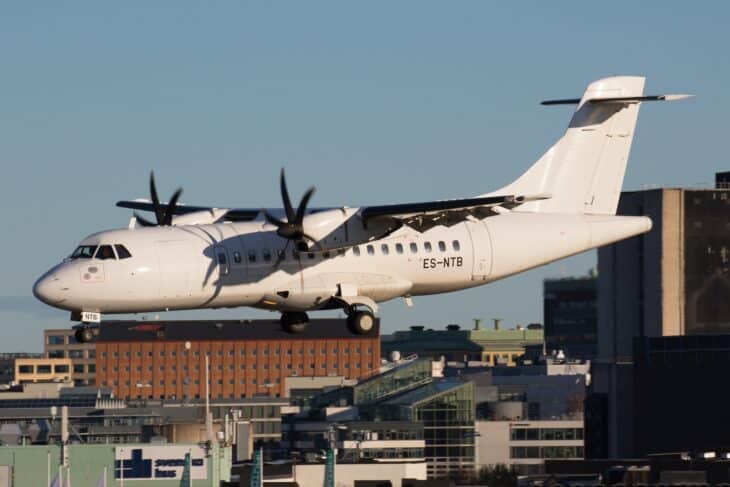
The directive applies to ATR 42-500 and ATR 72-212A aircraft with serial numbers listed in the service bulletins. EASA’s type certificate data sheet shows those two certified models also cover the current ATR 72-600 and ATR 42-600, which are commercial names. The -600 badge alone therefore does not take an aircraft out of scope; only the serial number lists decide.
The AD names Group 2 aircraft directly: 68 ATR 42-500s and 113 ATR 72-212As, 181 serial numbers in all. Groups 1 and 3 are defined only by reference to ATR’s bulletins, and an aircraft can sit in more than one group, so the AD gives no total for the fleet.
EASA issued the change as a final AD with a request for comments, citing the required actions and the compliance time for postponing public consultation until after publication. Comments are open until December 10, 2026.
Why the stabilizer structure matters
The horizontal stabilizer is the small wing at the tail that keeps the aircraft stable in pitch and carries the elevators the pilots use to raise or lower the nose. Its front spar and center box are the load-carrying core of that surface.
A loose fastener or a crack in that structure does not mean a stabilizer is about to fail. EASA’s wording is that the condition, if not found and fixed, could reduce the structural integrity of the aircraft, and the remedy it sets is a one-time inspection, not a grounding.
The FAA describes the same defects in more detail: loose, missing or incorrectly installed fasteners, composite delamination, and cracks. For the airlines that fly these regional turboprops, the practical cost is hangar time, since the newer inspection reaches inside the stabilizer’s center box.
The US rule is a step behind
The FAA adopted the 2025 European requirements as AD 2026-16-07, published on August 14, 2026, and effective September 18, 2026. It estimates the rule affects 16 US-registered aircraft, at 22 work-hours and $1,870 in labor per aircraft, with no estimate for any repairs.
Because the US rule is built on AD 2025-0110, its Group 2 and Group 3 clock runs 24 months from its own effective date, not the shorter European deadline. The FAA also requires any crack to be repaired before further flight using a method approved by the FAA, EASA or ATR’s EASA-approved design organization.
That rule was published 15 months after the 2025 EASA directive it adopts, and as of mid-November the Federal Register shows no FAA rule matching the new European deadline. The type drew separate FAA attention in September over uncommanded nose gear retraction.
Sources and references used for research and fact-checking.
- EASA, AD 2026-0217: Stabilizers, Horizontal Stabilizer Front, Centre Box and Front Spar Web, Inspection (ATR 42/72)
- EASA, AD 2025-0110 (superseded): Horizontal Stabilizer Front Box, Centre Box and Front Spar Web, Inspection
- FAA (Federal Register), Airworthiness Directives; ATR-GIE Avions de Transport Regional Airplanes, AD 2026-16-07 (final rule, Docket FAA-2026-3878)
- EASA, Type Certificate Data Sheet EASA.A.084, ATR 42 / ATR 72, Issue 14
Get the Newsletter
The latest aviation news and stories sent to your inbox.
About the Author

AeroCorner News is the aviation news desk of AeroCorner.com. It covers accidents and incidents, safety rulings, airline and airport disruption, and new aircraft. It works from primary sources such as the NTSB, FAA, EASA and the manufacturers' own announcements.