

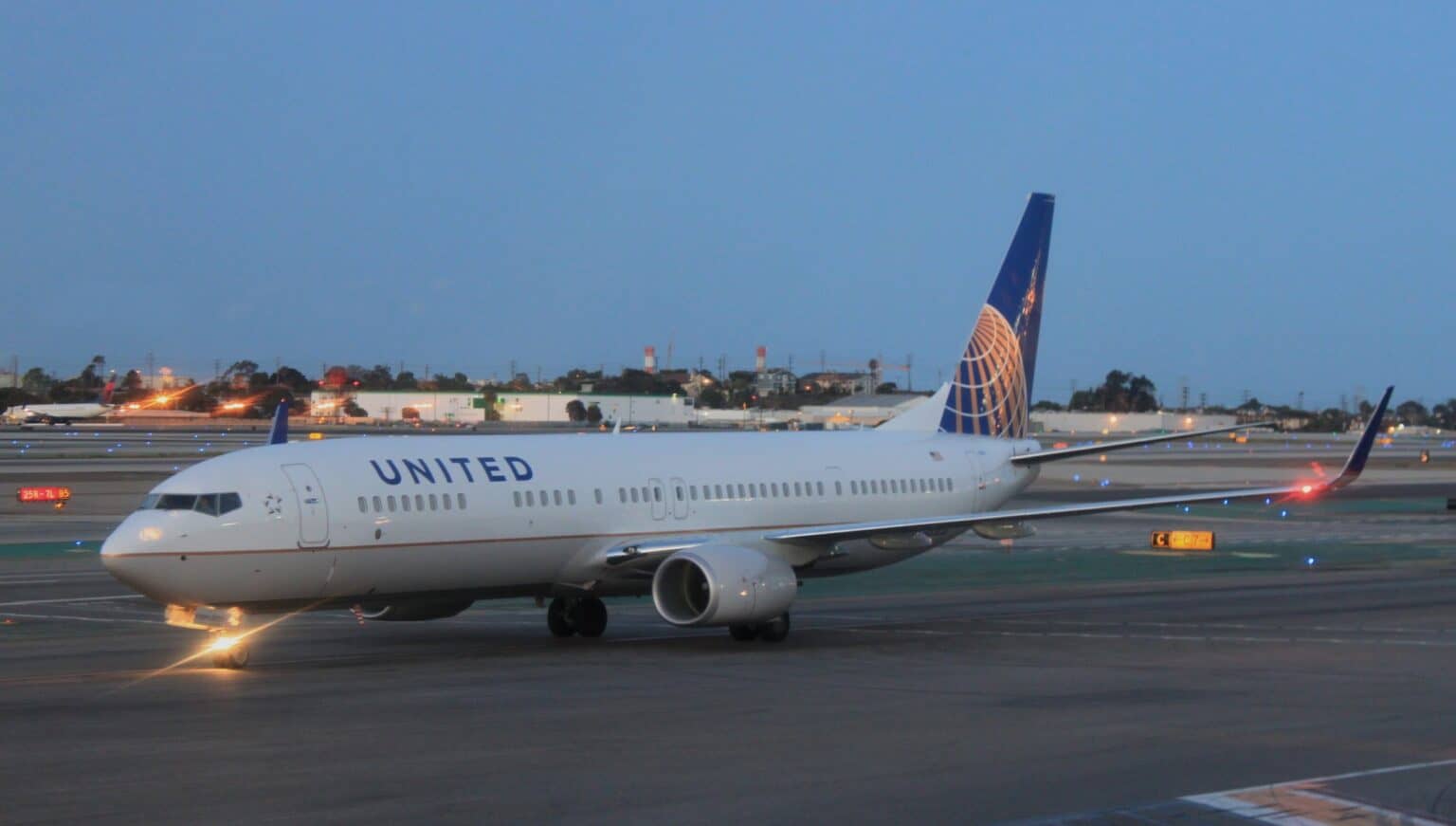
The FAA has ordered operators of the Boeing 737NG family to measure the play in the horizontal stabilizer’s pivot hinges and jackscrew, after multiple operators reported pitch oscillation events. Airworthiness Directive 2026-20-14 was published in the Federal Register on October 19, 2026, and takes effect on November 23, 2026.
It applies to certain 737-600, -700, -700C, -800, -900 and -900ER airplanes listed in a Boeing bulletin, the generation that includes the Boeing 737-800. The FAA estimates that 1,987 US-registered airplanes are affected.
The agency’s stated concern is flutter. Left unaddressed, the FAA said, excessive stabilizer freeplay “could lead to a flutter event, which can result in loss of control of the airplane.”
What the directive requires
Operators must follow Boeing Alert Requirements Bulletin 737-55A1104 RB, dated June 12, 2025. It sets out how to measure freeplay at the left and right stabilizer pivot hinges and at the jackscrew that moves the stabilizer.
Depending on the readings, the follow-up actions include working out the total stabilizer freeplay, repeating the measurements, and repairing or replacing worn parts. Where Boeing’s bulletin counts its deadlines from its own issue date, the AD counts them from its November 23 effective date instead.
The FAA puts each measurement at 6 work-hours, or $510 per airplane, about $1.01 million across the US fleet. It said it had no definitive data on which to base a cost for worn parts.
The directive does not say how many pitch oscillation events were reported, when they happened, or which airlines saw them. It describes them only as reports “from multiple operators.”
Why a little looseness in the tail matters
On the 737, the horizontal stabilizer itself moves to trim the airplane in pitch. It turns on a pair of pivot hinges and is driven by a jackscrew, and freeplay is the small amount of looseness that builds up in those joints as their parts wear.
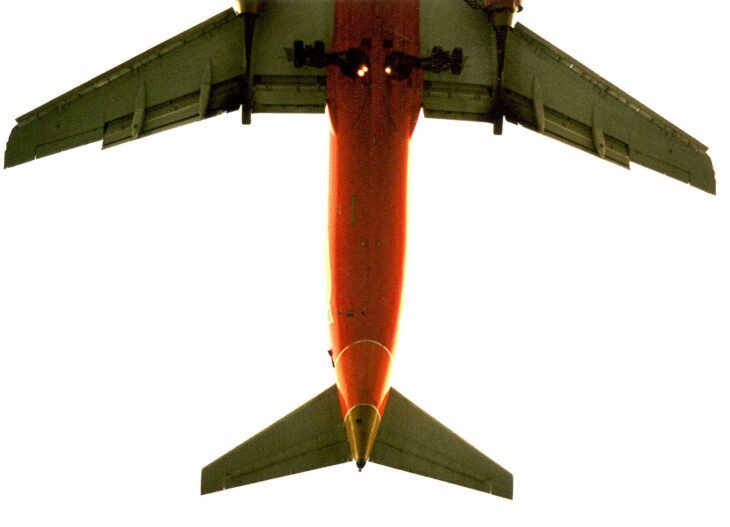
Flutter is a vibration in which the airflow and a flexing structure feed each other. The FAA’s chain of reasoning is short: worn joints, more freeplay, a possible flutter event, and a possible loss of control.
When it proposed the rule in January 2026, the FAA noted that no inspection requirement was in place for wear of the stabilizer pivot hinges and jackscrew. The directive turns that gap into a mandatory, repeating check.
Boeing has had a procedure for years. United Airlines told the FAA that a Boeing multi-operator message dated May 27, 2022, carries the same freeplay inspection steps as the 2025 bulletin, and the FAA said airplanes measured under it get some relief in the bulletin’s instructions.
Stabilizer jackscrew wear has a hard history in US aviation. In the January 31, 2000 crash of Alaska Airlines Flight 261, an MD-83, the NTSB found that worn jackscrew nut threads failed and cost the crew pitch control, killing all 88 people on board, according to the FAA’s lessons learned record.
That was a different airplane and a different failure, and the new directive does not mention it. Its lesson is the one this AD applies, though: the NTSB found that a stretched interval between end play checks let the wear progress without a chance to catch it.
What airlines asked for, and what the FAA said
The Air Line Pilots Association, Boeing and two individuals backed the proposal without change. Several operators asked for more room, and the FAA turned each of them down.
Canadian North asked to push the first inspection from 12 months to 36 months, to match the repeat interval and line up with heavy maintenance visits. United asked for longer repeat intervals on airplanes fitted with newly replaced hinge bearings.
Alaska Airlines asked to be allowed to repair worn parts straight away rather than run interim freeplay checks, which it said fall due within 3,100 flight hours or 6 months in one condition. The FAA replied that operators may do the interim check early and then repair in the same maintenance visit.
The FAA said the compliance times in Boeing’s bulletin ensure an acceptable level of safety, and that operators can apply for an alternative method of compliance with supporting data. Aviation Partners Boeing confirmed that its blended and split scimitar winglets do not affect the inspections.
It was one of two Boeing 737NG directives in the same day’s Federal Register. The other one, covering 459 US airplanes, requires replacing video monitors mounted on the overhead passenger service units that lack secondary retention lanyards, after some detached during a hard landing.
It is not the only 737NG rulemaking this year: in July the FAA proposed deeper fan blade inspections for the family’s CFM56-7B engines.
Sources and references used for research and fact-checking.
- Federal Register (FAA), Airworthiness Directives; The Boeing Company Airplanes (AD 2026-20-14, 737NG horizontal stabilizer freeplay), final rule, October 19, 2026
- Federal Register (FAA), Airworthiness Directives; The Boeing Company Airplanes, proposed rule, January 9, 2026
- Federal Register (FAA), Airworthiness Directives; The Boeing Company Airplanes (737NG PSU-mounted video monitors), final rule, October 19, 2026
- FAA, Lessons Learned: Alaska Airlines Flight 261, McDonnell Douglas MD-83, N963AS
Get the Newsletter
The latest aviation news and stories sent to your inbox.
About the Author

AeroCorner News is the aviation news desk of AeroCorner.com. It covers accidents and incidents, safety rulings, airline and airport disruption, and new aircraft. It works from primary sources such as the NTSB, FAA, EASA and the manufacturers' own announcements.