

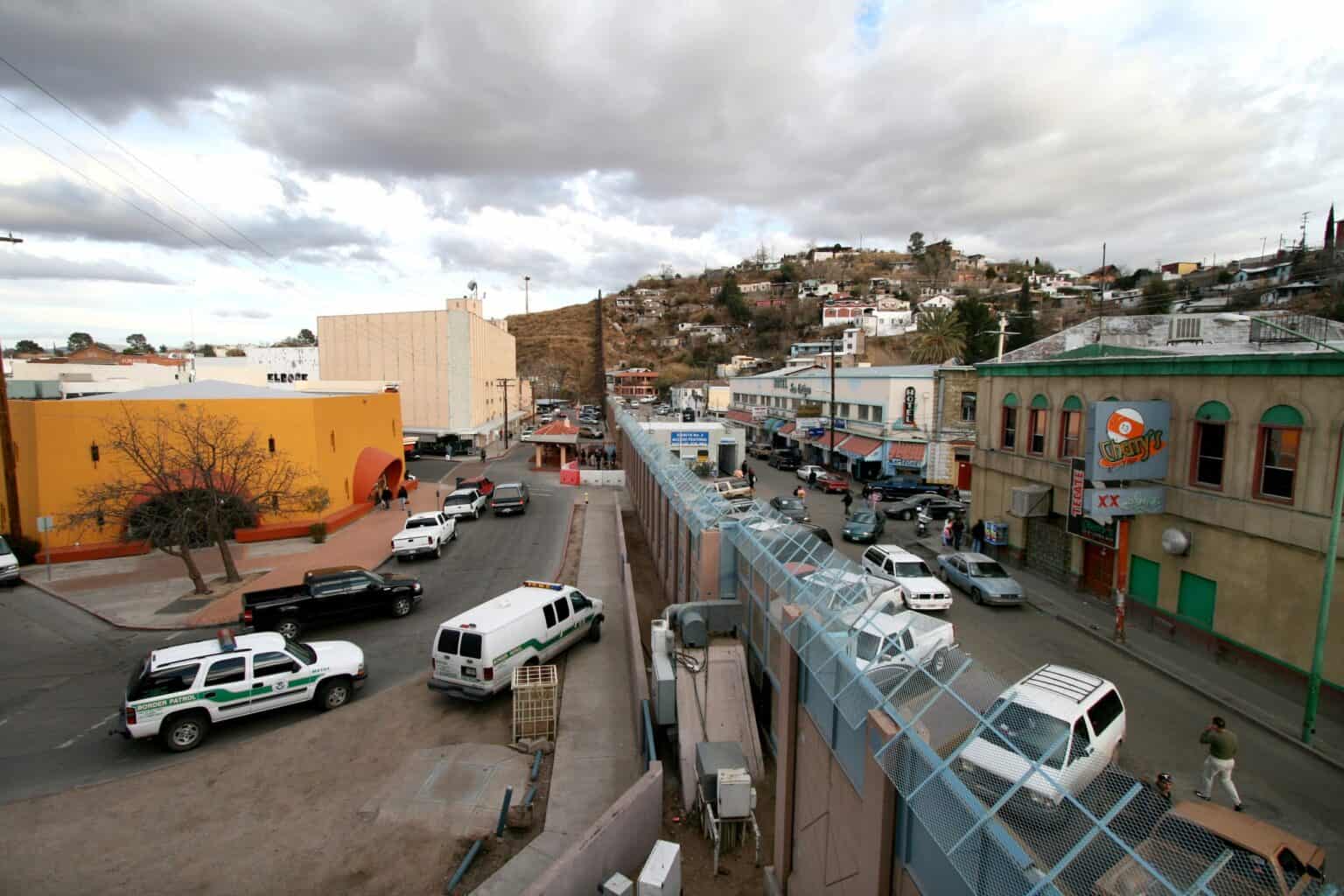
On October 16, 2026, the FAA put a drone ban in force along the US-Mexico border. The temporary flight restriction bars any unauthorized drone flight from the surface to 400 feet above ground level, within one nautical mile (about 1.15 miles, or 1.85 km) north of the border.
The Department of Transportation, the Department of War and the Department of Homeland Security announced it jointly, framing it as a defense against cartel drones. It took effect the same day it was announced, and the release gives no end date.
What the restriction covers
The FAA’s Domestic Notice says the restriction is published as three NOTAMs: ZLA 6/9954, ZAB 6/9978 and ZHU 6/9956. They belong to the Los Angeles, Albuquerque and Houston air route traffic control centers, which together handle the airspace along the border.
The notice’s map runs the strip from the Pacific coast south of San Diego to the mouth of the Rio Grande on the Gulf coast. That is the entire border, about 1,954 miles (3,145 km) long, past cities such as San Diego, Calexico, Nogales, El Paso, Laredo and Brownsville.
The ban applies to drones only. The joint announcement puts no new limits on crewed aircraft, so airline traffic into border airports such as El Paso International is not part of this action.
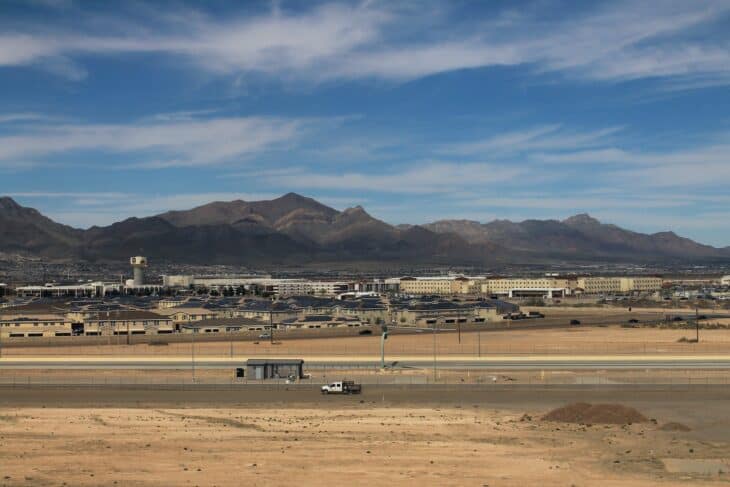
The 400-foot ceiling is the band where small drones actually fly. As DroneLife noted, it covers the normal operating altitude of most recreational drones and many commercial missions.
How to get permission to fly
Drone operators who need to fly inside the strip must email a request to US Customs and Border Protection at least 48 hours before the flight, with the operator’s name, FAA certifications, phone number, the proposed date, time and location, and the drone’s Remote ID, make, model and serial number. First responders and others handling natural disasters or other time-sensitive emergencies may be eligible for faster coordination through a CBP phone line. Details are in the FAA’s Domestic Notice.
How it differs from earlier border restrictions
The border already had drone restrictions, but they covered particular stretches. A TFR requested by CBP barred drones without a waiver over a large area north of Nogales, Arizona, from August 2025 to February 2026, the Arizona Mirror reported.
Another TFR, covering an area near Brownsville, Texas, runs through all of 2026. Its text declares the airspace “national defense airspace” and admits drones only for government, emergency, event or approved commercial work, with an FAA waiver.
That Brownsville restriction sends drone pilots to the FAA’s own waiver desk. The new strip sends them to CBP instead, which puts the request in the hands of the border security agency itself.
What a security TFR means for a drone pilot
A temporary flight restriction is a NOTAM that closes a block of airspace for a stated reason. Security TFRs go further than most: the ones already in force near Brownsville and Calexico, California, classify their airspace as national defense airspace and spell out the consequences.
Their text warns that violators may be intercepted, detained and interviewed by security personnel. They also risk FAA civil penalties, suspension or revocation of a pilot certificate, and criminal charges including under 49 USC 46307, and the government may use deadly force against an aircraft it judges an imminent threat.
For drones, the Brownsville NOTAM adds a specific warning. Under 10 USC 130i and 6 USC 124n, the Defense, Homeland Security and Justice departments may disrupt, seize, damage or destroy a drone they judge a credible threat to protected personnel, facilities or assets.
That is a federal power, set in statute, and our explainer on who can legally take down a drone covers how far it reaches.
Whether the three new NOTAMs use the same wording could not be confirmed. They were not yet listed on the FAA’s public TFR site when this was written, and the FAA advises operators to check NOTAMs often for changes.
The laser incidents behind it
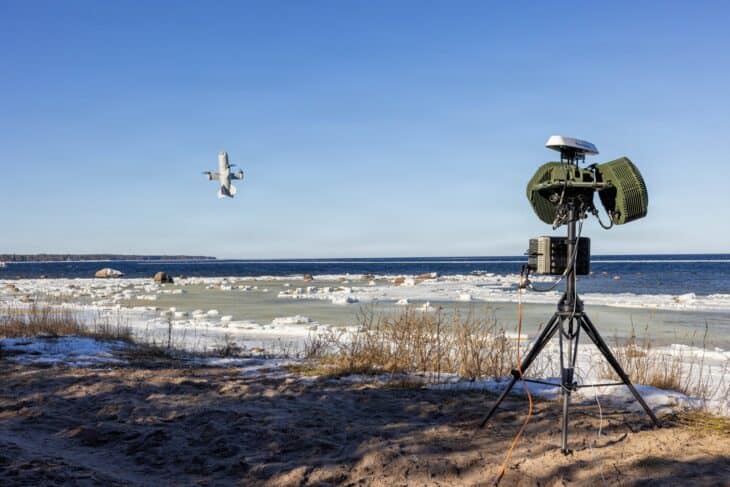
Secretary of War Pete Hegseth tied the ban to counter-drone weapons. In the joint release, he said warfighters equipped with technology including directed energy weapons “will shoot down any cartel drone that threatens America’s sovereignty.”
.jpg)
Those lasers have already disrupted civil aviation once this year. In February, the FAA halted all flights at El Paso for what was meant to be 10 days, because a Homeland Security agency had used the Pentagon laser system before an FAA safety review was complete, then lifted the order after about eight hours following White House intervention, Reuters reported.
On February 25, Reuters said, the military errantly shot down a government drone with the laser, and the FAA expanded the no-fly area around Fort Hancock, Texas. The FAA told KVIA the larger TFR did not affect commercial flights because of where it sat.
In April, the FAA and the Pentagon signed an agreement allowing the laser’s use along the border after FAA testing in New Mexico. FAA Administrator Bryan Bedford said then that the systems “do not present an increased risk to the flying public.”
The Pentagon has said there are more than 1,000 drone incursions along the border each month. A border-wide ban gives the military and CBP a simpler rule: inside the strip, any drone flying without authorization is in violation.
Sources and references used for research and fact-checking.
- Federal Aviation Administration, DOT, DoW, DHS Join Forces to Protect Southern Border Airspace
- Federal Aviation Administration, Domestic Notice: U.S. Southern Border, Temporary Flight Restrictions (TFR) for Unmanned Aircraft System (UAS)
- Federal Aviation Administration, TFR FDC 5/3678, Brownsville, TX (national defense airspace, Jan 1 2026 to Jan 1 2027)
- Federal Aviation Administration, TFR FDC 6/2657, Calexico, CA (national defense airspace, July 4, 2026 to January 2, 2027)
Get the Newsletter
The latest aviation news and stories sent to your inbox.
About the Author

AeroCorner News is the aviation news desk of AeroCorner.com. It covers accidents and incidents, safety rulings, airline and airport disruption, and new aircraft. It works from primary sources such as the NTSB, FAA, EASA and the manufacturers' own announcements.