

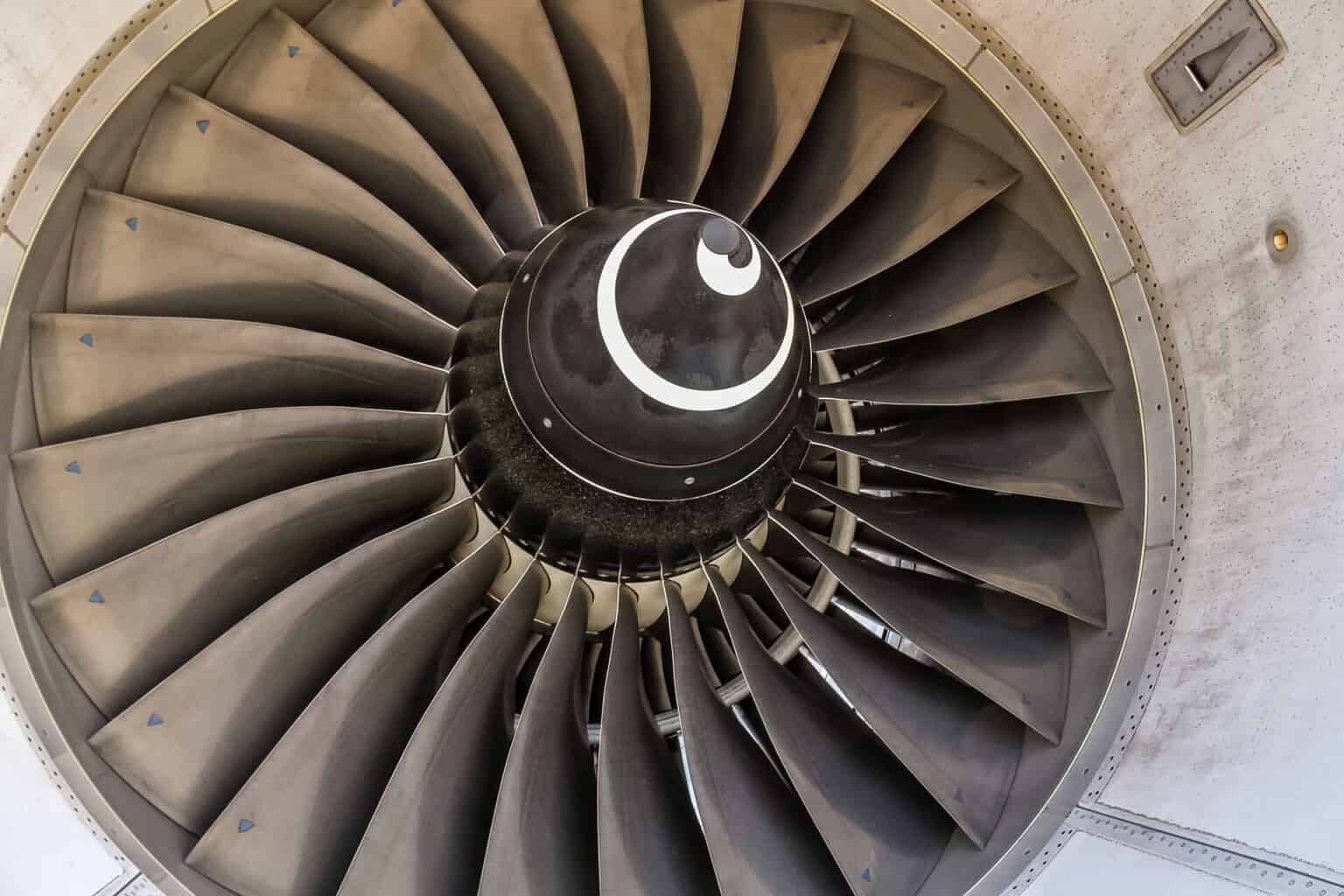
The FAA has issued a final airworthiness directive, AD 2026-20-11, ordering operators to remove a batch of low-pressure compressor (LPC) blades from Rolls-Royce Trent 700 engines after the blades went through a repair that did not conform to the approved design. The rule went on public inspection on October 9, 2026, publishes in the Federal Register on October 13 and takes effect on November 17, 2026.
It covers every Trent 768-60, 772-60 and 772B-60 engine, the Trent 700 models the FAA certifies. EASA says the engines are known to be installed on Airbus A330s, though not only on them, and they power older models such as the Airbus A330-200.
What the directive requires
According to the FAA, the blades were exposed in service to a non-conforming repair that left them deviating from the approved blade configuration, which makes them more prone to cracking. Left alone, the agency says, that could lead to multiple blade failures and a higher risk of an in-flight shutdown, an engine fire or an uncontained release of high-energy debris.
The FAA rule does not spell out the steps itself. It adopts EASA AD 2025-0288R1, the European directive issued on June 26, 2026, and requires US operators to follow it, with the FAA’s November 17 effective date standing in for the European start dates.
The affected blades carry part numbers FW23741, FW23643, FW23744, KH23403 or KH23404, and a serial number on one of two lists. One is Appendix 1 of Rolls-Royce alert service bulletin RB.211-72-AL053; the other is a table of nine extra serial numbers in the EASA directive, which labels them fan blades.
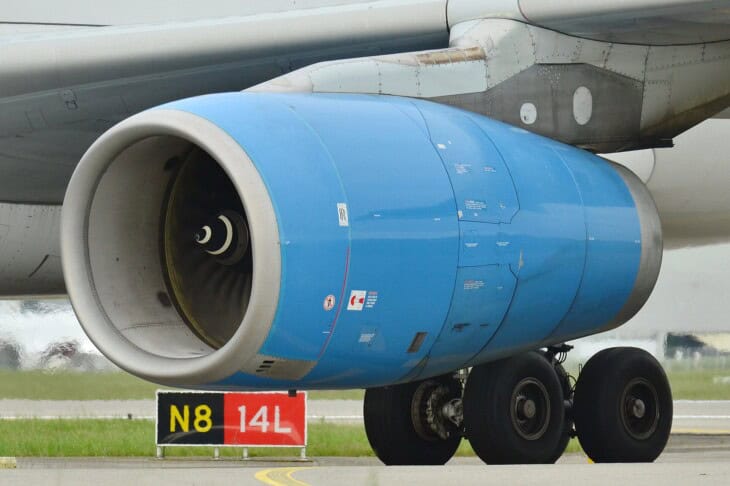
Blades that passed a Rolls-Royce in-shop re-inspection under a second bulletin, RB.211-72-L104, are excluded. Every other listed blade has to come off and be replaced with a serviceable part.
How the deadline works
Each affected blade has its own cycle limit, counted from the date it was certified back into service after the faulty repair. EASA’s table of the nine added blades shows limits between 5,100 and 9,673 flight cycles, with release dates from February 2017 to April 2022.
A blade must come off by the later of two points: its own cycle limit, or 30 flight cycles or 30 days after the effective date, whichever of those comes first. In practice, a blade already near or past its limit gets a short grace window after November 17, while one with plenty of cycles left can fly on to its limit.
Engines in the shop face a tighter rule: a blade with 100 or fewer cycles left must be swapped before the engine is released. No affected blade may be installed on any engine, although a blade taken off and refitted to the same engine in a single on-wing maintenance visit does not count as an installation.
The FAA estimates the rule affects eight engines on US-registered aircraft. It puts the cost at $225,000 in parts and $170 in labor per engine, about $1.8 million in total.
Why it took two years to reach US operators
Europe has required these blades out since July 2024. The FAA proposed a matching rule in September 2025, then withdrew it in May 2026 after it emerged that more blades were affected than the Rolls-Royce bulletin listed.
That growing list is the revealing part of the story. Rolls-Royce revised its bulletin in July 2025 to add the nine serial numbers, EASA folded them into a new directive that December, and the FAA re-proposed its rule on June 1, 2026.
May 1, 2024
Rolls-Royce bulletin. Alert bulletin RB.211-72-AL053 lists the affected blades; a second bulletin sets out an in-shop re-inspection.
July 22, 2024
EASA acts. EASA AD 2024-0130 takes effect, requiring the blades out of service.
July 31, 2025
List expands. Rolls-Royce revises the bulletin, adding nine more serial numbers.
December 31, 2025
New EASA directive. EASA AD 2025-0288 takes effect, covering the added blades.
May 29, 2026
FAA withdraws. The FAA pulls its September 2025 proposal because it missed blades.
June 1, 2026
FAA re-proposes. A new proposal follows the expanded list.
November 17, 2026
US rule in force. AD 2026-20-11 takes effect.
The main change since the June proposal tracks a June 2026 EASA revision. It loosened the refitting exception so a blade can go back on the same engine in any position, not just the slot it came from.
The FAA received one comment, from the Air Line Pilots Association, which supported the proposal without change.
What a non-conforming repair means
In airworthiness terms, a conforming part matches its approved design. EASA says these blades went through erroneous repair work that left their configuration outside that design, and both regulators treat the result as a blade more likely to crack.
A repair history alone does not condemn a blade. Rolls-Royce’s re-inspection bulletin lets affected blades that pass in the shop return to service, which is why the directive exempts them.
Neither directive names where the repairs were done or describes exactly how the blades deviate from the design. Neither describes an in-service blade failure linked to them either; both frame the risk as a higher tendency to crack.
The FAA does not say which operators hold the eight US engines. Hawaiian Airlines is one US carrier that chose the Trent 700 for its A330-200s, according to Rolls-Royce, but the directive does not say whether any of its engines carry the affected blades.
This is the latest in a run of Trent 700 directives. The FAA finalized a rule on September 11, 2026, requiring repeat ultrasonic inspections of the engine’s LPC blades for sub-surface flaws, and in September it also ordered operators to split up Trent engines so no twin carries two affected oil pumps.
EASA’s version also covers the Trent 772C-60. The FAA’s does not, because that model has no FAA type certificate.
Sources and references used for research and fact-checking.
- Federal Register (FAA), Airworthiness Directives; Rolls-Royce Deutschland Ltd & Co KG Engines (AD 2026-20-11, final rule)
- EASA, Airworthiness Directive 2025-0288R1: Engine, Low Pressure Compressor Blades, Removal from Service
- Federal Register (FAA), Airworthiness Directives; Rolls-Royce Deutschland Ltd & Co KG Engines (NPRM withdrawal, May 29, 2026)
- Federal Register (FAA), Airworthiness Directives; Rolls-Royce Deutschland Ltd & Co KG Engines (NPRM, June 1, 2026)
- Federal Register (FAA), Airworthiness Directives; Rolls-Royce Deutschland Ltd & Co KG Engines (AD 2026-18-04, LPC blade ultrasonic inspections)
Get the Newsletter
The latest aviation news and stories sent to your inbox.
About the Author

Tim is the owner and lead editor of AeroCorner since 2019, overseeing aviation content covering aircraft, airlines, airports, and the broader aviation industry. Through years of researching, writing, editing, and publishing aviation-focused content, he has developed extensive practical knowledge of commercial aviation and air travel. Based in Asia and a frequent traveler himself, Tim also brings firsthand passenger experience to AeroCorner’s coverage. Outside of publishing, he has also explored aviation firsthand through hands-on flight training in New Zealand.