

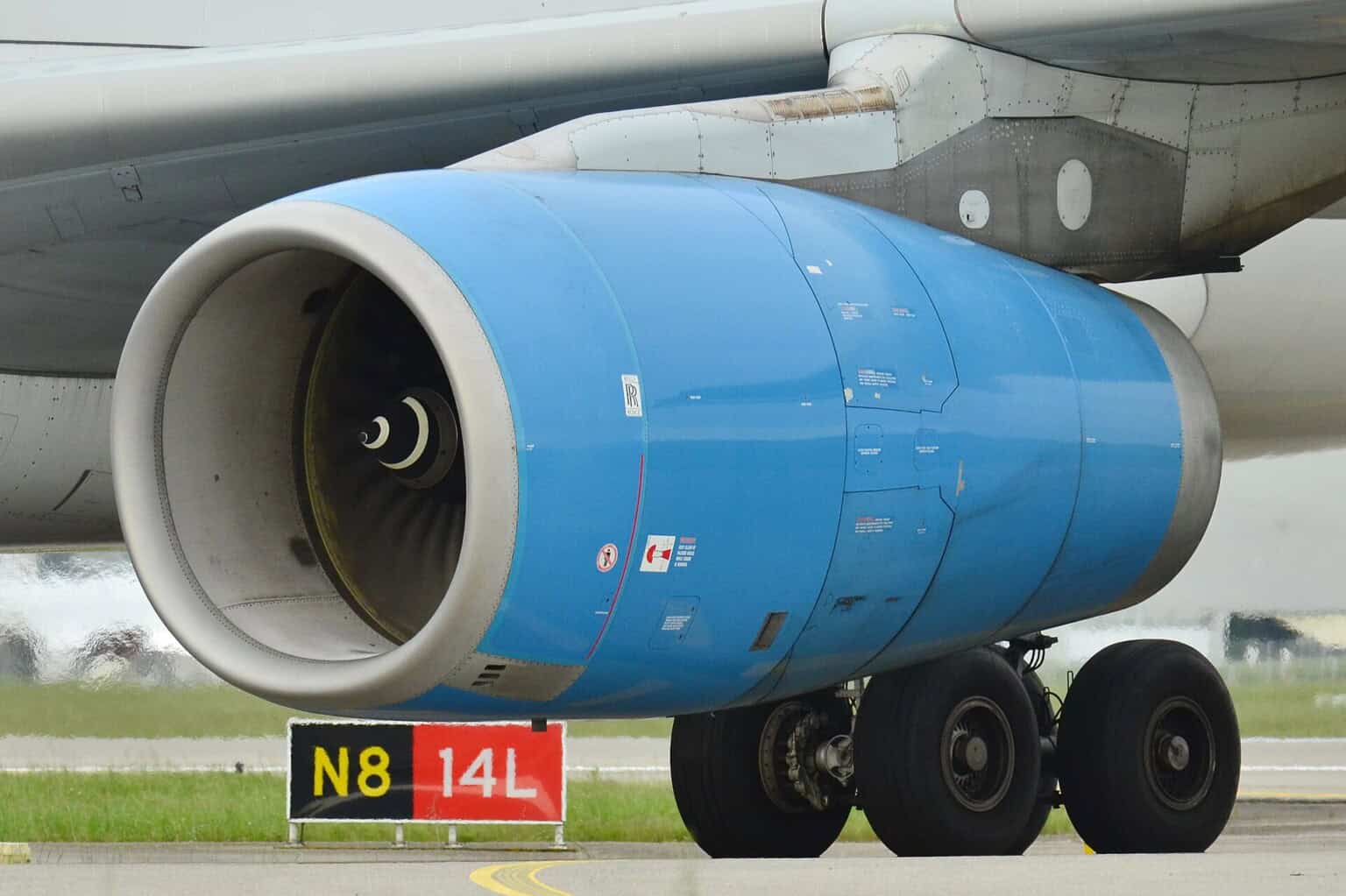
On September 4, 2026, the European Union Aviation Safety Agency issued two emergency airworthiness directives covering Rolls-Royce Trent 700 and Trent 800 engines, the powerplants on older Airbus A330s and the first generation of Boeing 777s. The FAA adopted matching emergency directives the following day. Both regulators want operators to make sure no aircraft flies with a suspect oil pump installed on both engines at once.
What the regulators found
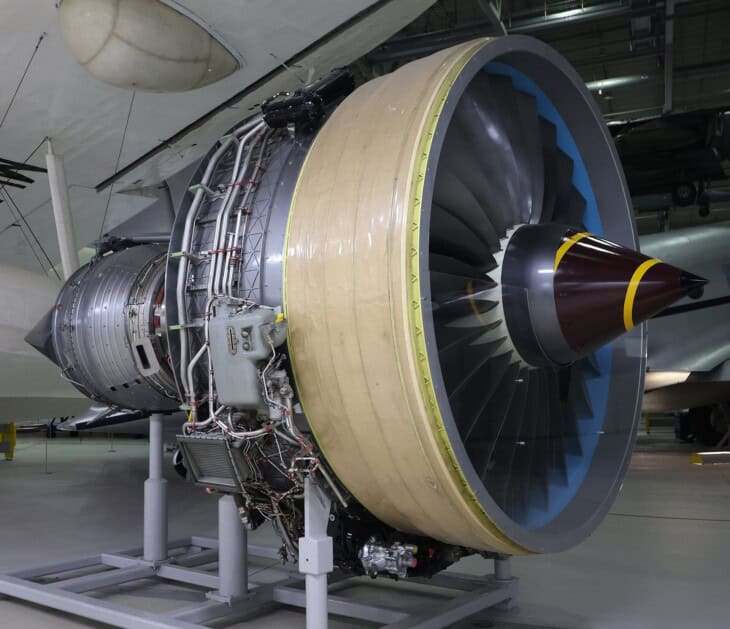
The directives target a defect in the engine oil pump. EASA describes it as non-conformities linked to low oil pressure events in pumps with low accumulated time, with a possible failure at the pump input coupling shear neck. The FAA frames the same problem as cracking of the pump internal rotor, which can make the pump fail early.
The revealing detail is the phrase low accumulated time. The pumps at risk are relatively new rather than worn out, which points to a manufacturing or quality problem instead of normal service wear.
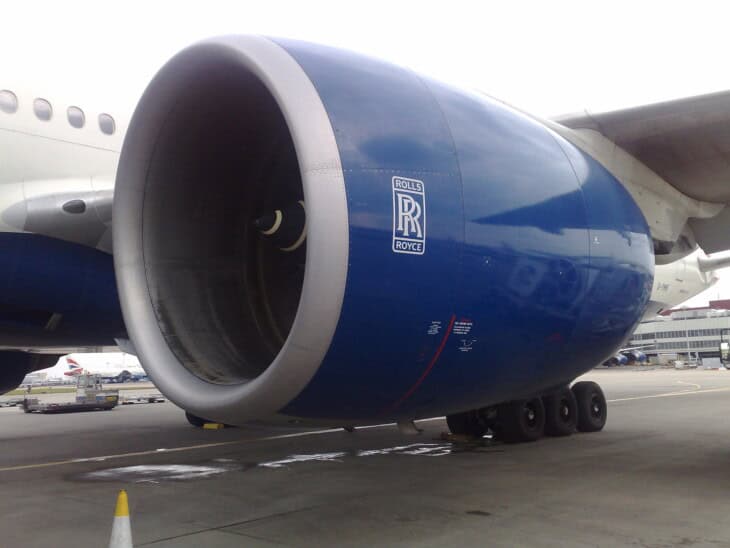
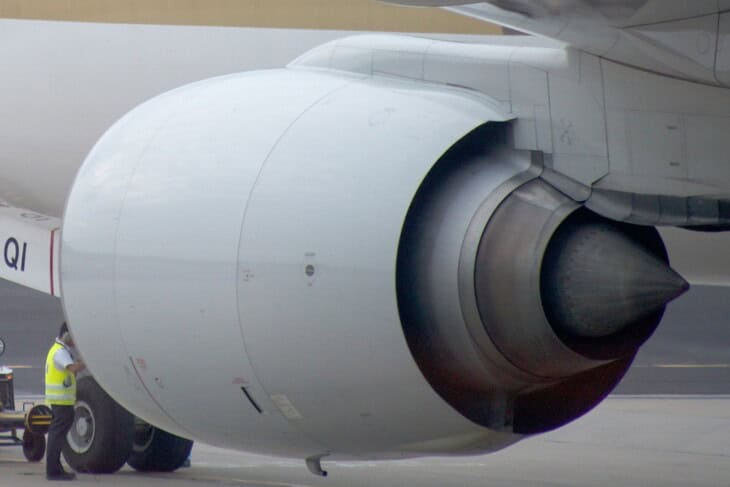
Neither agency has disclosed an in-service failure that triggered the orders. The affected engines are the Trent 700 on the A330-200 and Airbus A330-300, and the Trent 800 on the 777-200, Boeing 777-200ER, and 777-300. Newer variants are not covered: the Trent 7000 on the A330neo, the Trent 1000 on the 787, and the engines on the 777-300ER and 777X all use different pumps.
Why de-pairing is the fix
The regulators are not grounding any fleet. Instead, they require operators to reconfigure engine assignments so that only one affected oil pump part is installed on a given airframe. Rolls-Royce set out the identification and replacement steps in an alert service bulletin, and special flight permits to reposition non-compliant aircraft are prohibited.
The reasoning is about independence. A twin-engine airliner is certified on the assumption that its two engines will not fail for the same reason at the same moment.
If both engines carry the same defective part, that assumption breaks down. EASA and the FAA both describe the worst case as a dual in-flight shutdown followed by reduced control of the aircraft. De-pairing keeps at least one sound pump on every airplane, so a single failure stays survivable.
A stopgap, not a closeout
De-pairing buys time; it is not the end state. Every suspect pump still has to be inspected or replaced on Rolls-Royce’s schedule. Until that work is finished fleet-wide, airlines must track which pump is on which engine on which aircraft every time they swap a powerplant.
This is the same principle that underpins ETOPS, the rules that let twin-engine jets fly long ocean routes far from any diversion airport. Before those rules matured, such routes needed three or four engines. Modern twins earned the same freedom by proving their engines are both reliable and independent of one another.
The order follows a run of engine directives in 2026, including a proposed 787 engine-cowl rule that also involves the Trent 1000. First reported by FlightGlobal, the de-pairing order stands out because it manages the risk through fleet planning rather than a hangar visit.
Who is affected
The Trent 700 and Trent 800 power a shrinking but still active pool of A330ceo and 777 Classic aircraft with passenger and cargo operators worldwide. The A330 MRTT tanker and the Beluga XL outsize freighter also use the Trent 700.
Sources and references used for research and fact-checking.
Get the Newsletter
The latest aviation news and stories sent to your inbox.
About the Author

Tim is the owner and lead editor of AeroCorner since 2019, overseeing aviation content covering aircraft, airlines, airports, and the broader aviation industry. Through years of researching, writing, editing, and publishing aviation-focused content, he has developed extensive practical knowledge of commercial aviation and air travel. Based in Asia and a frequent traveler himself, Tim also brings firsthand passenger experience to AeroCorner’s coverage. Outside of publishing, he has also explored aviation firsthand through hands-on flight training in New Zealand.