

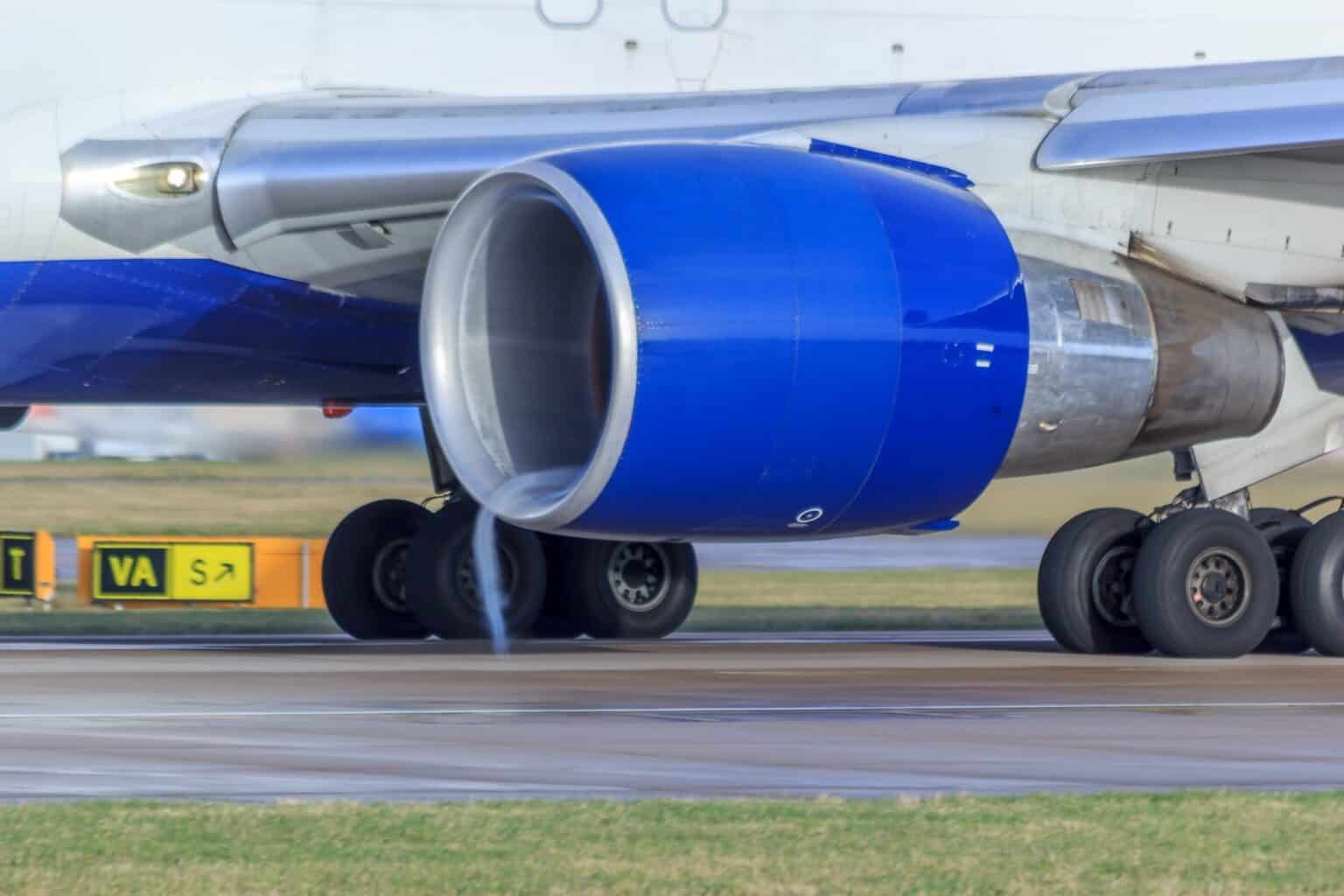
The FAA has ordered operators of Pratt & Whitney PW4000-94 engines to replace a pressure sensor inside each engine’s electronic control, after deteriorating sensors led to tailpipe fires, loss of thrust control and in-flight shutdowns. Airworthiness directive 2026-21-06 was signed on October 14, 2026, appears in the Federal Register on October 19 and takes effect on November 23.
The rule covers every PW4052, PW4056, PW4060, PW4060A, PW4060C, PW4062, PW4062A, PW4152, PW4156, PW4156A, PW4158, PW4460 and PW4462 engine. The FAA estimates that 210 of them are installed on US-registered aircraft.
What went wrong with the Pb sensors
According to the directive, the FAA was told of multiple events on PW4000-94 engines involving a tailpipe fire, a loss of thrust control or an engine shutdown in flight. A Pratt & Whitney investigation traced them to undetected deterioration of the epoxy in pressure burner (Pb) sensors.
A deteriorated sensor can give erroneous pressure readings, which the FAA says lead to incorrect fuel commands. Left alone, the agency warns, the condition could cause an engine fire, a loss of thrust control or an in-flight shutdown.
The sensor sits inside the electronic engine control (EEC), the computer that schedules fuel to the engine. Pratt & Whitney describes the PW4000-94’s control as a Full-Authority Digital Electronic Control, or FADEC: the computer, not a mechanical linkage, decides how much fuel reaches the engine.
If the computer is fed a wrong pressure value, the fuel it commands is wrong too, which is how a sensor fault can end in the loss of thrust control the directive describes.
Neither the final rule nor the May 26 proposal lists the individual events, their dates or the operators involved.
What operators must do, and by when
Each Pb sensor must be replaced with one that has fewer than 30,000 flight hours and less than 10 years since new or since its last repair. The replacement then has to come out again before it reaches either limit, whichever comes first, so the swap becomes a recurring maintenance task.
How soon the first swap is due depends on the hours and age of the sensor installed when the rule takes effect on November 23, 2026:
| Sensor on November 23, 2026 | Replace within |
|---|---|
| 60,000 flight hours or more, 16 years or more, or hours or age unknown | 10 months |
| 50,000 to 59,999 flight hours, or 14 to 16 years | 14 months |
| 40,000 to 49,999 flight hours, or 12 to 14 years | 21 months |
| 30,000 to 39,999 flight hours, or 10 to 12 years | 30 months |
| Under 30,000 flight hours and under 10 years | Before 30,000 hours or 10 years, or within 30 months if that is later |
The tightest deadline, 10 months, lands on September 23, 2027. The FAA puts the work at two hours of labor and $15,694 in parts, or $15,864 per engine, and about $3.33 million across the 210 US engines.
The fix was already on paper before the mandate. The FAA says Pratt & Whitney Service Bulletin PW4ENG 73-221, Revision 3, dated July 1, 2024, and Collins Aerospace Service Bulletin EEC1-73-62 are both acceptable ways to comply, though it did not write either into the rule because the AD allows any FAA-approved replacement method.
Who still flies the PW4000-94
Pratt & Whitney says the 94-inch-fan PW4000 entered revenue service in 1987, spans 52,000 to 62,000 pounds of thrust and powers five airplanes: the Boeing 747, the 767, the MD-11, the Airbus A300 and the A310. It has delivered more than 2,500 of the engines.
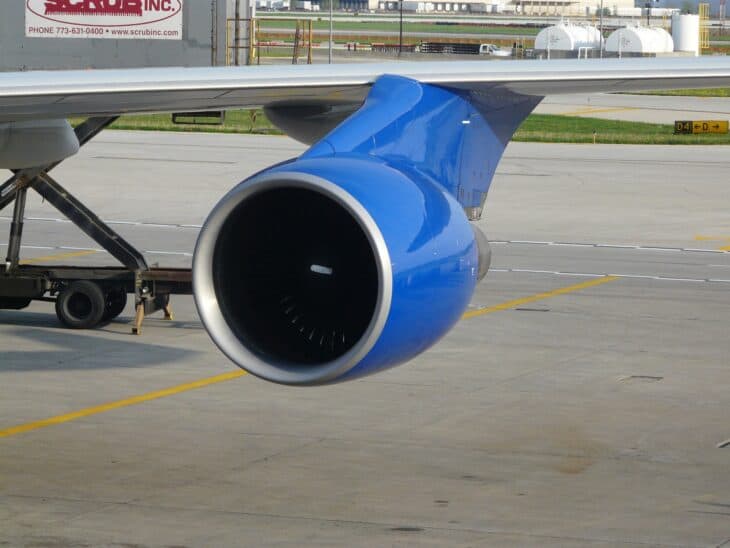

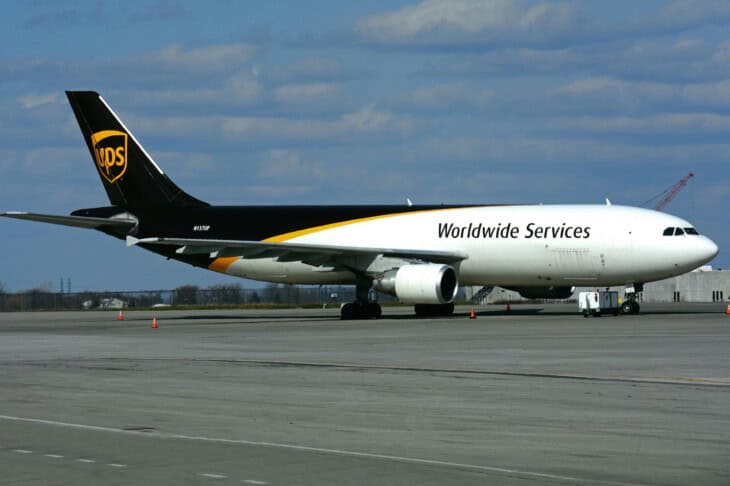
FAA registry entries show two examples still on the US register. N686UA, a United Boeing 767-300 certified airworthy in 2003, is listed with PW4060 engines, and N137UP, a UPS A300-600 freighter, with PW4158s.
Six operators commented on the proposal: Atlas Air, Delta, European Air Transport Leipzig, FedEx, United and UPS. Boeing, Pratt & Whitney, the Air Line Pilots Association and the Foundation for Aviation Safety also weighed in, with ALPA and Boeing backing the rule unchanged.
UPS asked for a 15-year calendar limit instead of 10 for low-utilization operators flying fewer than 1,200 cycles a year. The FAA refused, saying UPS gave no justification and that its analysis found the epoxy breakdown is driven by both use and calendar time.
FedEx noted that for cargo and other low-utilization fleets the calendar limit may bite before the flight-hour limit. European Air Transport Leipzig argued that controls kept in storage do not deteriorate like ones in service, but the FAA said it has no data showing a different rate.
The Foundation for Aviation Safety pushed the other way, asking why a replacement it called a two-hour fix was not required immediately. The FAA replied that compliance time is not driven by how easy a job is, and that the phased schedule eases the burden on operators while keeping the fleet safe.
Apart from minor edits, the main change from the May proposal is wording: “years in service” became “years since new or since last repair,” after Delta and European Air Transport Leipzig questioned the term.
A recent PW4000 767 diversion
The engine type was in the news last week. On October 12, United flight UA946 from Washington Dulles to Amsterdam diverted to St. John’s over what the airline told CBC News was an unspecified “engine issue.”
FlightAware shows the flight was operated by N644UA, a 767-300 certified airworthy in 1991 that the FAA registry lists with PW4000-series engines. United had not published a cause at the time of writing, and the directive names no individual flight, so there is no public basis for connecting the two.
Sources and references used for research and fact-checking.
- Federal Register / FAA, Airworthiness Directives; Pratt & Whitney Division Engines (AD 2026-21-06, final rule, Docket FAA-2026-4643)
- Federal Register / FAA, Airworthiness Directives; Pratt & Whitney Division Engines (NPRM, May 26, 2026)
- Pratt & Whitney, PW4000-94 Engine
- FAA Aircraft Registry, N686UA
- FAA Aircraft Registry, N137UP
- FAA Aircraft Registry, N644UA
Get the Newsletter
The latest aviation news and stories sent to your inbox.
About the Author

AeroCorner News is the aviation news desk of AeroCorner.com. It covers accidents and incidents, safety rulings, airline and airport disruption, and new aircraft. It works from primary sources such as the NTSB, FAA, EASA and the manufacturers' own announcements.