

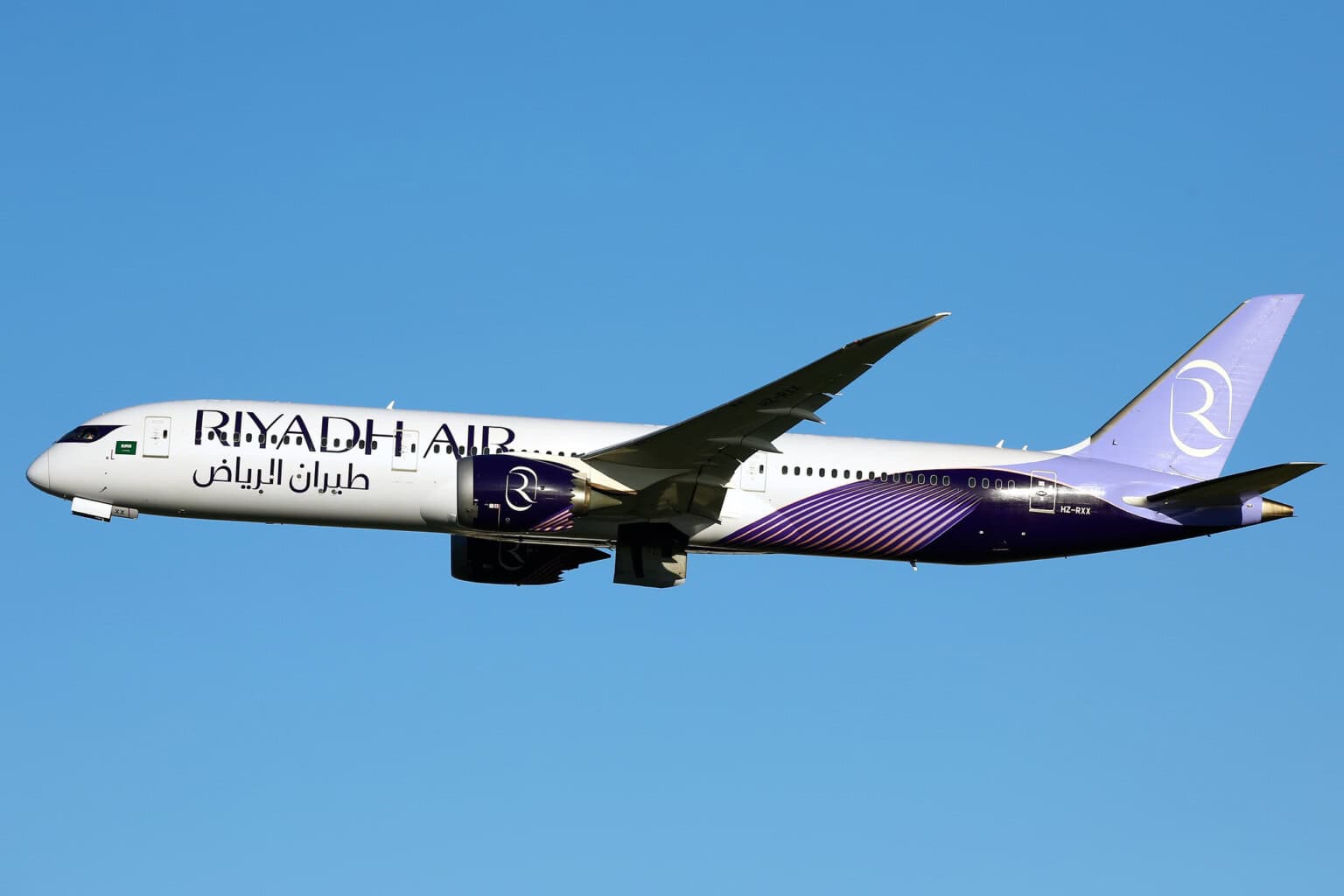
On August 7, 2026, the FAA proposed a new airworthiness directive for Boeing 787-8, 787-9, and 787-10 jets fitted with certain Rolls-Royce Trent 1000 engines, after finding a gap in the shielding meant to protect one engine from debris thrown by the other. The agency is taking public comment on the proposal through September 21, 2026.
What the FAA found
The proposed rule, published in the Federal Register as document 2026-16157, targets a fan cowl on the left engine that does not fully shield the right engine’s oil lines and a pressure sensor called the P30 sense line.
Those components could be struck by debris if the left engine’s intermediate-pressure turbine broke apart in flight, a scenario the FAA describes as cross-engine debris. The proposal covers 787 Dreamliners fitted with seven named Trent 1000 variants, from the AE3 through the K3, spanning all three fuselage lengths.
Why one engine has to survive the other’s failure
Twin-engine jets are certified on the assumption that a catastrophic failure of one engine cannot be allowed to cripple the other. When an engine breaks apart without its casing containing the pieces, engineers call it an uncontained failure, and design rules require the airframe to shield critical systems on the opposite side from that debris path.
The FAA’s finding is narrow on paper, a fan cowl that covers a slightly smaller area than it should, but significant given what it is meant to protect: the oil supply that keeps the other engine turning.
Regulators treat this kind of shielding gap as a design issue rather than an operational one. No in-service failure has been linked to it, and the FAA’s proposal reads as a precaution against a scenario that has not happened rather than a response to one that has.
Not the Trent 1000's first flag
Rolls-Royce’s Trent 1000 has drawn heavy scrutiny before, including intermediate-pressure compressor blade durability problems that grounded dozens of 787s worldwide between 2016 and 2019. This proposal addresses a separate structural containment issue, not a repeat of that durability problem.
What happens next
Because this is a proposed rule, it does not require anything of operators yet. The FAA opens every new airworthiness directive to public comment first, and can revise or drop requirements based on what airlines, Boeing, and Rolls-Royce submit before finalizing it.
If adopted as written, operators would have to check maintenance records or inspect the right engine to identify which fan cowl part number is installed, then carry out on-condition actions, likely replacement or modification, on any airplane with the affected part.
It follows a separate FAA directive on the 737 MAX issued just a day earlier, another reminder that Boeing’s two current production families can each be carrying more than one open safety action at once.
A proposal, not yet a requirement
This is a Notice of Proposed Rulemaking. Nothing is mandatory until the FAA reviews comments and issues a final airworthiness directive, which can differ from what was proposed.
Sources and references used for research and fact-checking.
Get the Newsletter
The latest aviation news and stories sent to your inbox.
About the Author

Tim is the owner and lead editor of AeroCorner since 2019, overseeing aviation content covering aircraft, airlines, airports, and the broader aviation industry. Through years of researching, writing, editing, and publishing aviation-focused content, he has developed extensive practical knowledge of commercial aviation and air travel. Based in Asia and a frequent traveler himself, Tim also brings firsthand passenger experience to AeroCorner’s coverage. Outside of publishing, he has also explored aviation firsthand through hands-on flight training in New Zealand.