

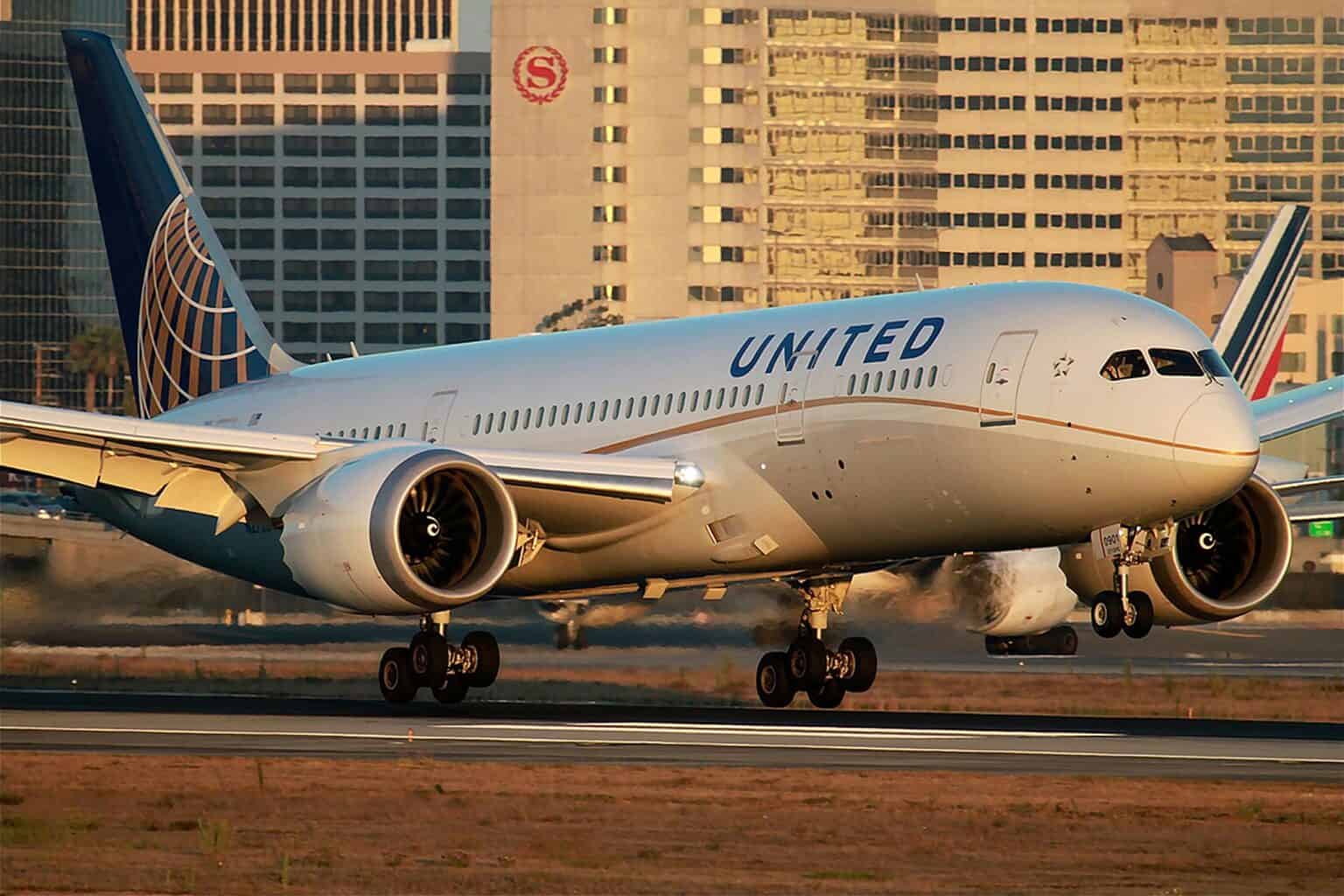
The FAA has ordered operators of Boeing 787s to replace the outboard slat actuators at two positions on each affected jet, in an airworthiness directive published in the Federal Register on October 8, 2026. AD 2026-20-10 takes effect on November 12 and covers the 787-8, 787-9 and 787-10 airplanes listed in a Boeing bulletin.
The new part, a leading edge outboard lockout actuator (LEOLA), replaces the geared rotary actuator at the slat 2 and slat 11 outboard positions. Fitting it ends a set of repeat slat checks and a flight manual restriction that 787 Dreamliner operators have worked under since October 2019.
What the FAA found
The story starts with five failed actuators. In its 2019 directive, the FAA said five outboard slat geared rotary actuators had failed during taxi, leaving their slats out of the commanded position, with an alert on the flight deck.
The bigger worry came from a later review of the 787’s high-lift system. It found a way the outboard slats could end up out of position with no flight deck annunciation at all.
Left unaddressed, the FAA says, that condition “could result in insufficient lift, resulting in inability to maintain continued safe flight and landing.”
Leading-edge slats extend from the front of the wing for takeoff and landing, so the wing can keep producing lift at low speed. A slat sitting somewhere other than where it was commanded, with no alert, is a fault the crew has no reason to suspect.
From repeat checks to a hardware fix
The 2019 AD was a stopgap. The FAA adopted it without the usual public comment period because it judged the risk justified immediate action, and it said the manufacturer was developing a modification.
Until then, operators had to run repeated operational checks of the outboard slats, add a new operation check to their maintenance programs and revise the flight manual. The manual change prohibits retracting the flaps after landing in icing conditions.
The new AD keeps all of those requirements but makes them temporary. Once an airplane has the new actuators, the old checks and the icing restriction no longer apply to it.
An operator can take the flight manual page and the extra check out of its documents once its whole affected fleet is done.
The fix comes with a new certification maintenance requirement, 27-CMR-14: a functional check of the leading edge power drive unit’s half-system torque brake. A CMR is a scheduled task set during certification to catch a hidden failure that, combined with another, could lead to a hazardous or catastrophic outcome, according to FAA guidance.
Boeing first issued the replacement bulletin on December 12, 2023, and the AD credits operators who already did the work under it. The version the AD requires, Issue 002, is dated November 25, 2024.
The compliance times are not printed in the AD itself. They sit in Boeing’s bulletin, which the FAA says is available in the public docket, FAA-2026-2712.
Cost and who it covers
The FAA estimates that the AD affects 174 US-registered airplanes. Replacing the actuators takes about 9 work-hours and $31,610 in parts per airplane, or $32,375 each and about $5.6 million across the US fleet.
Each operator also faces an estimated 90 work-hours, about $7,650, to update its maintenance program. According to Boeing, some or all of the costs may be covered under warranty.
The new rule is narrower than the 2019 AD, which applied to every 787-8, 787-9 and 787-10. It covers only the airplanes identified in Boeing’s bulletin, and the FAA does not say how many were dropped or why.
Comments on the March 2026 proposal were few. The Air Line Pilots Association and United Airlines supported it without change, and Boeing asked only for wording clarifications.
The rule follows another 787 directive the FAA published on September 29, which ends a dispatch allowance for Trent 1000-powered 787s to fly with an inoperative intermediate pressure bleed valve.
Sources and references used for research and fact-checking.
Get the Newsletter
The latest aviation news and stories sent to your inbox.
About the Author

Tim is the owner and lead editor of AeroCorner since 2019, overseeing aviation content covering aircraft, airlines, airports, and the broader aviation industry. Through years of researching, writing, editing, and publishing aviation-focused content, he has developed extensive practical knowledge of commercial aviation and air travel. Based in Asia and a frequent traveler himself, Tim also brings firsthand passenger experience to AeroCorner’s coverage. Outside of publishing, he has also explored aviation firsthand through hands-on flight training in New Zealand.