

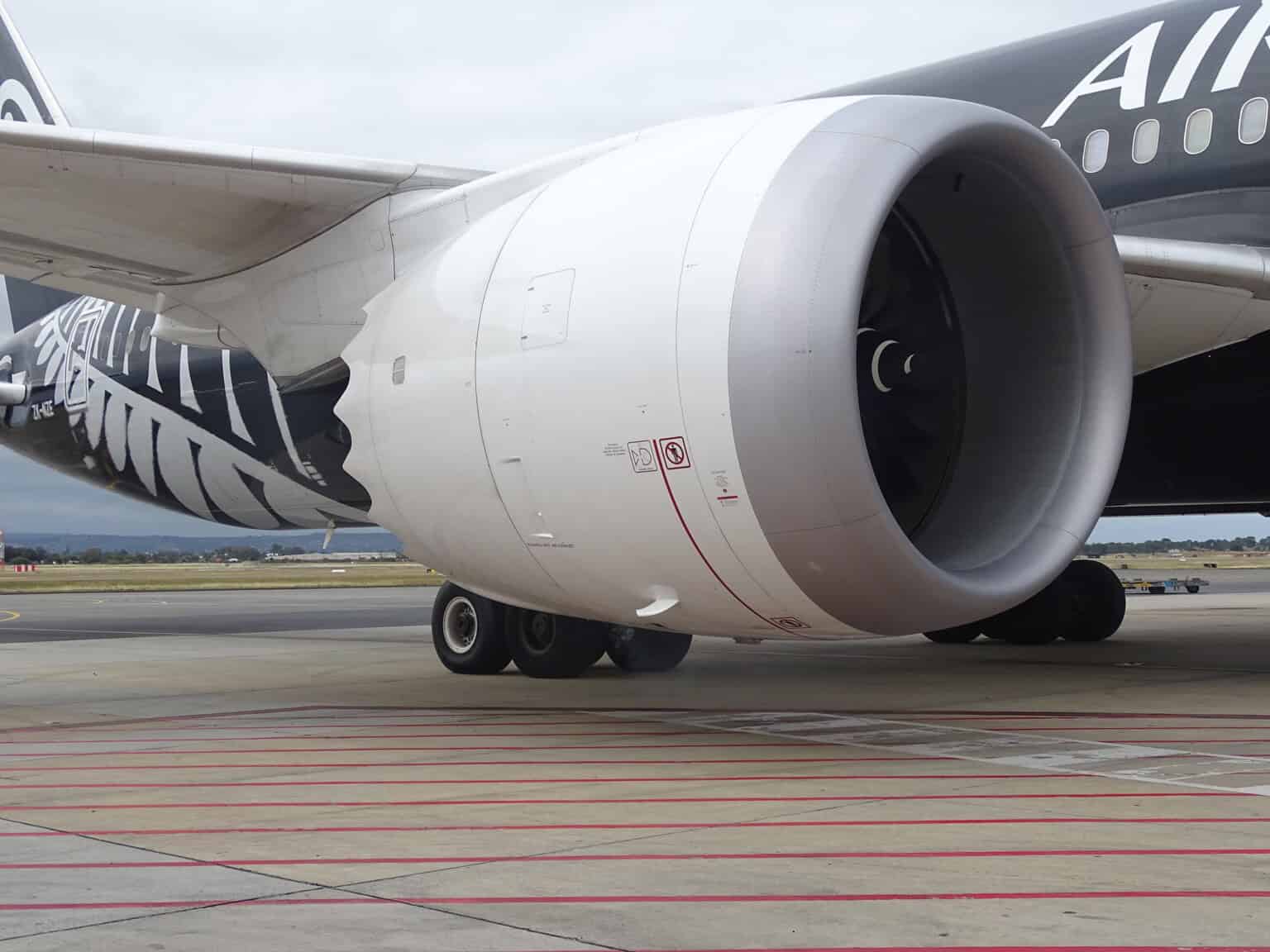
The FAA published an airworthiness directive on September 29, 2026, that ends a dispatch allowance for Boeing 787-8 and 787-9 jets powered by Rolls-Royce Trent 1000 engines. The allowance lets those airplanes fly for up to three days with one intermediate pressure bleed valve (IPBV) inoperative on each engine.
The rule, AD 2026-20-02, takes effect on October 14, 2026. The ban itself applies from 60 days after that date, which works out to December 13, 2026.
Why the FAA acted
The directive was prompted by Rolls-Royce Deutschland, which holds the Trent 1000 type certificate. The engine maker reported that it lacks data to show the engine operates safely when a 787 is dispatched with an inoperative IPBV.
The unproven areas the FAA lists are compressor stability, relight capability, surge recovery and inclement weather capability. The agency says the condition could lead to loss of engine thrust control and, in turn, loss of control of the airplane.
The FAA’s reasoning is blunt. With the valve inoperative on both engines, a 787 could lose thrust control on both, and with it inoperative on one engine, the airplane would be “a single failure away from a catastrophic outcome,” the directive says.
That is why the FAA skipped the usual public comment period before adopting the rule. It is taking comments until November 13, 2026, and may amend the directive based on what it receives.
What a dispatch allowance is
Airliners are allowed to fly with some equipment inoperative, within limits. The master minimum equipment list, or MMEL, is the manufacturer-created and regulator-approved list of items on a given type that may be inoperative for flight, and under what conditions.
Each airline builds its own minimum equipment list from that master, and it may be stricter but never more lenient. An MEL item is what lets a jet keep flying while a part waits for repair, often with performance or operating limits attached.
The item in question is MMEL 75-33-01, “Engine Intermediate Pressure (IP) Bleed Valves (RR).” It allowed three days of dispatch with one IPBV inoperative on each engine, provided the crew applied the required performance adjustments.
The directive works through each airline’s own list: it forbids dispatch under the MEL item that corresponds to 75-33-01. Unless the FAA approves an alternative method of compliance, a 787 with a failed IPBV will have to be fixed before it flies.
What the valve does
The Trent 1000 is a three-shaft engine with separate low, intermediate and high pressure compressors, according to EASA’s type certificate data sheet. A compressor bleed system dumps unwanted air to keep the compressor from stalling.
That explains the list of unknowns in the directive, which describes no in-flight event. The problem is that, without the data, the FAA says the engine is not assured to recover from surges or flameouts or keep running in every anticipated operating environment.
Which 787s are affected
| Item | Detail |
|---|---|
| Directive | AD 2026-20-02, Docket FAA-2026-11785 |
| Airplanes | 787-8 and 787-9 only |
| Engines | 18 Trent 1000 models, from the Trent 1000-A to the Trent 1000-L2 |
| Effective | October 14, 2026 |
| Dispatch ban applies | 60 days after the effective date |
| Comments due | November 13, 2026 |
| US-registered fleet | 16 airplanes |
| Estimated cost | $85 per airplane, $1,360 across the US fleet |
The 787 Dreamliner can be ordered with Trent 1000 or General Electric GEnx engines, and only the Rolls-Royce jets are covered. None of the 18 engine models listed carries the “3” suffix that EASA’s data sheet uses for the later Trent 1000 TEN, and the 787-10 is not included.
The FAA counts only 16 affected airplanes on the US register, and it does not name their operators. Trent-powered 787s registered in other countries answer to their own regulators, which decide whether to take similar action.
The FAA’s estimate is one work-hour and no parts per airplane. The larger effect for an airline is operational: a failed IPBV will keep the jet on the ground until it is repaired, instead of giving maintenance three days to catch up.
The Trent 1000 has been on the FAA’s desk before this year. In August, the agency proposed inspections over a gap in engine debris protection on 787s with certain Trent 1000 engines.
Sources and references used for research and fact-checking.
Get the Newsletter
The latest aviation news and stories sent to your inbox.
About the Author

Tim is the owner and lead editor of AeroCorner since 2019, overseeing aviation content covering aircraft, airlines, airports, and the broader aviation industry. Through years of researching, writing, editing, and publishing aviation-focused content, he has developed extensive practical knowledge of commercial aviation and air travel. Based in Asia and a frequent traveler himself, Tim also brings firsthand passenger experience to AeroCorner’s coverage. Outside of publishing, he has also explored aviation firsthand through hands-on flight training in New Zealand.