

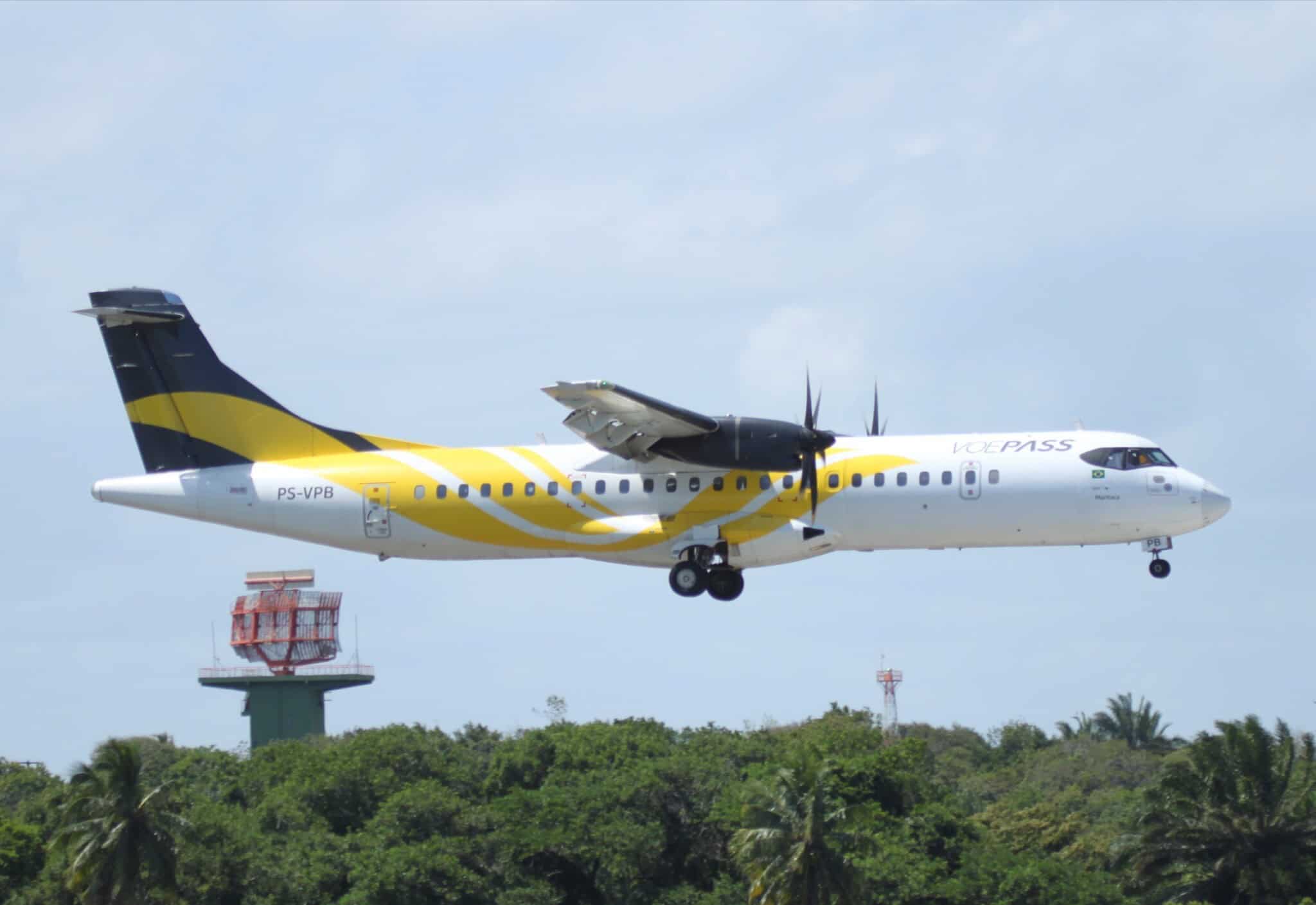
On July 23, 2026, Brazil’s aviation accident investigator, CENIPA, released its final report on the crash of Voepass Flight 2283. The ATR 72-500 went down in Vinhedo, São Paulo, on August 9, 2024, killing all 62 people aboard.
The report, numbered IG-141/CENIPA/2026, lists 19 contributing factors. It centers on severe icing, a malfunctioning deicing system the crew cycled on and off during the flight, and a pattern of not writing problems down that let the aircraft keep flying with a known defect.
What happened in the air
CENIPA found the aircraft encountered conditions favorable to severe airframe icing while the deicing system was already degraded. Cockpit recordings showed the captain reported the system was malfunctioning, while the first officer admitted forgetting to turn it on.
The crew received eight low-speed warnings from the aircraft’s performance monitoring system and did not carry out the required recovery procedure. Investigators said high workload likely caused a form of tunnel vision, so repeated alerts were missed or discounted as the aircraft’s performance degraded.
When the aircraft stalled, the pilots pulled the nose up instead of following the prescribed stall recovery, according to CENIPA. That input triggered a flat spin that lasted roughly 68 seconds before impact.
A pattern of not logging failures
CENIPA said the same right-wing deicing fault had shown up on three consecutive flights that day but was reported only verbally between crews, never entered in the aircraft’s technical logbook.
The report describes a “culture of informality” at Voepass in which pilots and mechanics avoided formal write-ups so the aircraft could keep flying its schedule, rather than being grounded to satisfy minimum equipment list requirements.
CENIPA also found weaknesses in how Voepass used flight-data monitoring to catch this kind of drift before it became fatal, and it faulted Brazil’s civil aviation regulator, ANAC, for not turning earlier audit findings at the airline into corrective action.
August 9, 2024
Flight 2283 crashes. The Voepass ATR 72-500, registration PS-VPB, goes down in Vinhedo en route from Cascavel to São Paulo/Guarulhos, killing all 62 aboard.
April 2025
Voepass exits the market. The airline files for bankruptcy protection, about a month after ANAC suspended its parent operator’s air operator certificate over safety concerns.
July 23, 2026
CENIPA publishes its final report. Investigators cite icing, a disabled deicing system, and unlogged maintenance defects among 19 contributing factors.
Why maintenance logs are a safety system, not paperwork
A technical logbook entry is what triggers a formal maintenance response and, if needed, a minimum equipment list restriction on how or whether the aircraft can keep flying. Skip the entry, and that safety check never happens.
CENIPA’s report treats that gap, not just the icing itself, as the core failure: a known, recurring defect that never became a paperwork problem because no one wrote it down.
What CENIPA's report does and doesn't do
CENIPA investigations are preventive by law. The final report identifies contributing factors and issues safety recommendations, but it does not assign civil or criminal liability, which in Brazil is handled separately by police and the courts.
CENIPA recommended that the European Union Aviation Safety Agency work with ATR to review the “degraded performance” alert logic on the ATR 72 fleet. It also urged ANAC to strengthen its oversight of airline flight-data monitoring and risk management programs.
ATR has not issued a public response to the specific recommendations. Voepass, which operated under the Passaredo brand, ceased flying after ANAC pulled its operating certificate in 2025.
Sources and references used for research and fact-checking.
Get the Newsletter
The latest aviation news and stories sent to your inbox.
About the Author

Tim is the owner and lead editor of AeroCorner since 2019, overseeing aviation content covering aircraft, airlines, airports, and the broader aviation industry. Through years of researching, writing, editing, and publishing aviation-focused content, he has developed extensive practical knowledge of commercial aviation and air travel. Based in Asia and a frequent traveler himself, Tim also brings firsthand passenger experience to AeroCorner’s coverage. Outside of publishing, he has also explored aviation firsthand through hands-on flight training in New Zealand.