

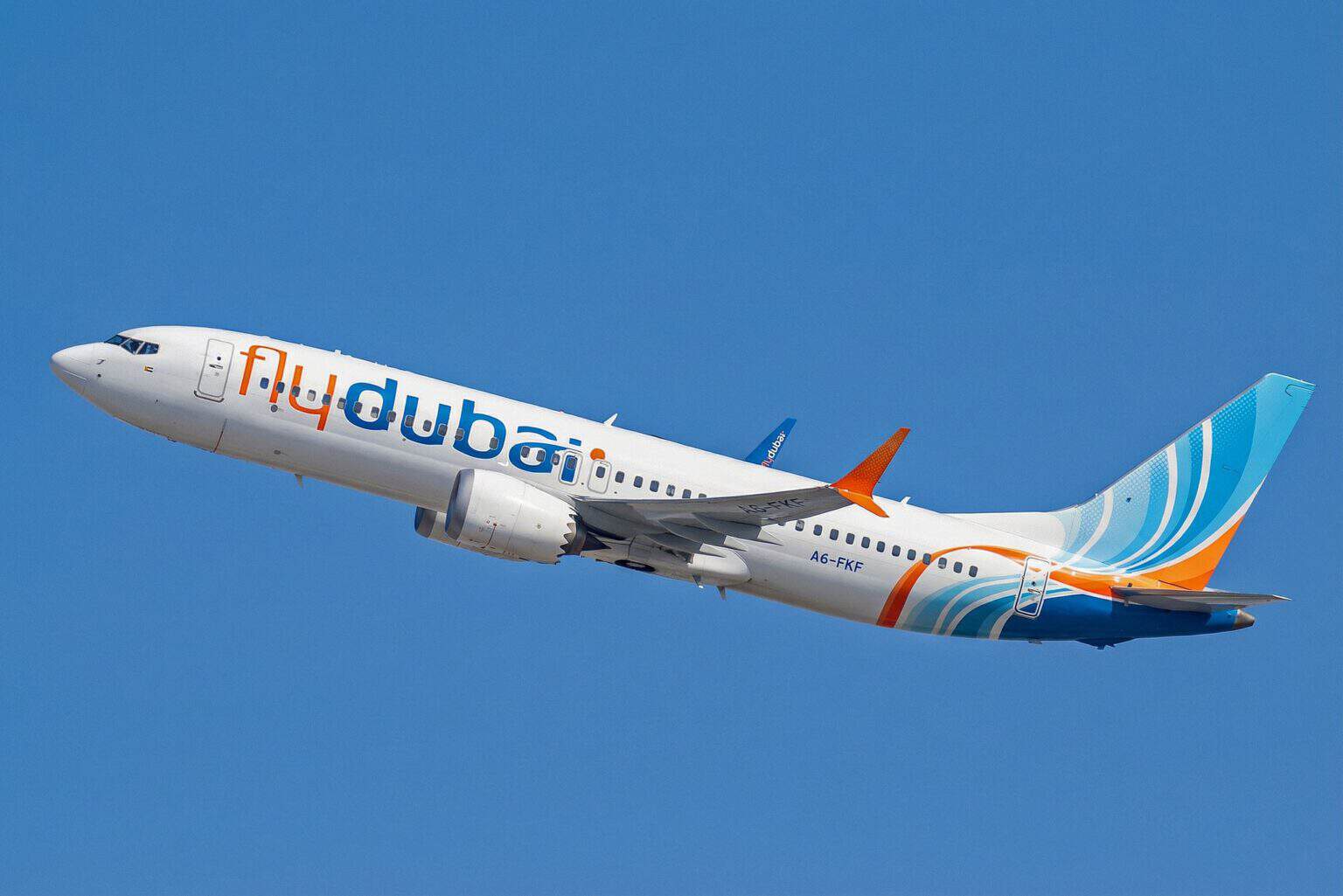
The UAE attorney general said on Saturday, October 3, 2026, that the co-pilot of flydubai flight FZ1073 tried to carry out a terrorist act when he attacked the captain with a crash axe in the flight deck. The Dubai to Tel Aviv flight diverted to Tabuk, Saudi Arabia, on Wednesday, September 30.
The statement puts a UAE official on the record about the weapon and the intent. Our earlier FZ1073 report relied mostly on Israeli officials, who described a stabbing.
What the Attorney General Said
Attorney General Hamad Saif al-Shamsi said investigations had established that the co-pilot “attempted to carry out a terrorist act,” according to the statement from the state news agency WAM, carried by Emirates 24|7. He said the co-pilot “began executing his plan during the flight, attacking the captain inside the flight deck using a crash axe and attempting to take control of the aircraft’s flight controls.”
The office said investigators are still working to establish the full circumstances, motives and any links, and to finish technical examinations and analysis of physical and digital evidence. It said the final results will be announced when the necessary procedures are complete.
What Is Still Unconfirmed
The statement does not name the co-pilot, give a motive or say who else may have been involved. Israeli Prime Minister Benjamin Netanyahu has said the man underwent “Islamist radicalization” and that authorities are checking whether someone sent him.
ABC News reported, citing unnamed senior intelligence and law enforcement officials, that he was found with extremist materials while training at Oman Air in 2024 and kept in an administrative role. The UAE statement does not mention this, and neither the UAE nor Oman has confirmed it in the coverage reviewed for this report.
Axe versus stabbing
Israeli officials first described a stabbing. The UAE statement names a crash axe and does not describe the captain’s injuries. Both are official claims, and no investigation findings have been published yet.
What a Crash Axe Is Doing on the Flight Deck
A crash axe is an emergency tool, which The Tribune describes as standard equipment on flight decks. In the United States, 14 CFR 91.513 says each airplane accommodating more than 19 passengers must be equipped with one, and the rule does not say where it must be kept.
The aircraft was a Boeing 737 MAX 8, according to the flight-tracking reports in our earlier story. The UAE’s own equipment rules were not checked for this report, so how flydubai stows the axe across its fleet is an open question.
The case shows the limit of hardened cockpit doors, which are designed to keep a threat in the cabin out of the flight deck. A door does nothing when the threat is one of the two pilots already seated inside.
What Flydubai and the Authorities Have Said
In its fourth statement, flydubai said all 172 passengers and crew were safe and that the captain had returned to the UAE after medical clearance. It said a full official investigation, led by the relevant authorities, was underway.
At the authorities’ request, flydubai said it had temporarily suspended operations to Tel Aviv until further notice. The General Civil Aviation Authority has said its investigators are examining the causes and circumstances, including the operational and security aspects, according to Gulf News.
Questions investigators have not answered publicly include how the co-pilot was vetted before he was hired and whether he acted alone. Until the UAE publishes its results, those remain open.
Sources and references used for research and fact-checking.
Get the Newsletter
The latest aviation news and stories sent to your inbox.
About the Author

Tim is the owner and lead editor of AeroCorner since 2019, overseeing aviation content covering aircraft, airlines, airports, and the broader aviation industry. Through years of researching, writing, editing, and publishing aviation-focused content, he has developed extensive practical knowledge of commercial aviation and air travel. Based in Asia and a frequent traveler himself, Tim also brings firsthand passenger experience to AeroCorner’s coverage. Outside of publishing, he has also explored aviation firsthand through hands-on flight training in New Zealand.