

Table of Contents
Every large passenger jet is required to carry a door built to stop someone forcing their way in from the cabin. It was never designed for the person in the other seat.
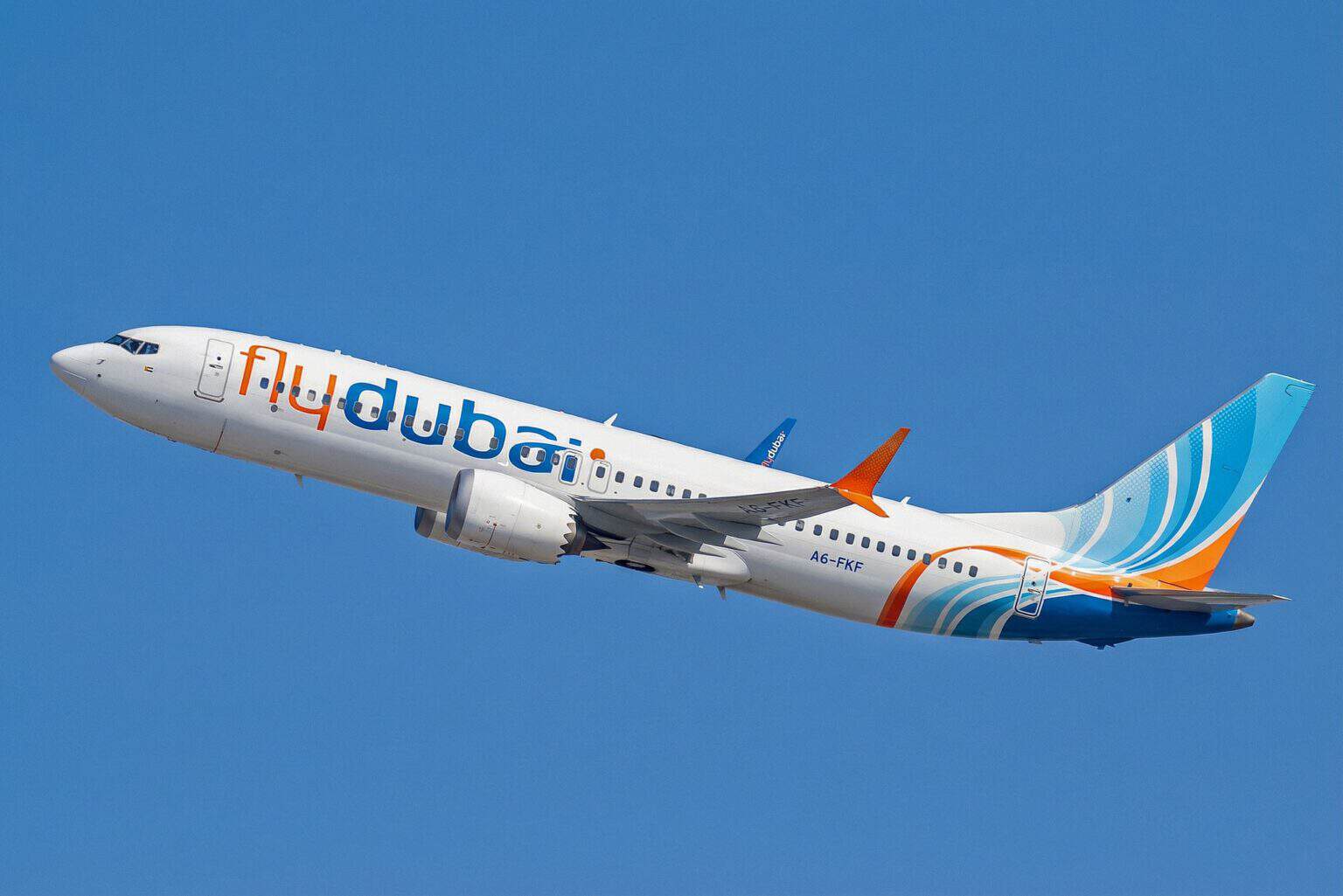
On September 30, 2026, Flydubai flight FZ1073 from Dubai to Tel Aviv dropped as much as 17,400 feet in under two minutes and diverted to Tabuk, Saudi Arabia. On October 1, Saudi Arabia’s Interior Ministry said preliminary investigations had “revealed an assault on the captain by the co-pilot, resulting in various injuries to both.”
The attacker, in other words, was already on the secure side of the reinforced cockpit door. The door did exactly what it was built to do. What ended the attack was that, during the struggle, it was opened from the inside and passengers got in.
Israel’s prime minister says the co-pilot was trying to crash the jet. Flydubai and the UAE have not confirmed that, and no motive has been established.
A Door Designed for a Threat in the Cabin
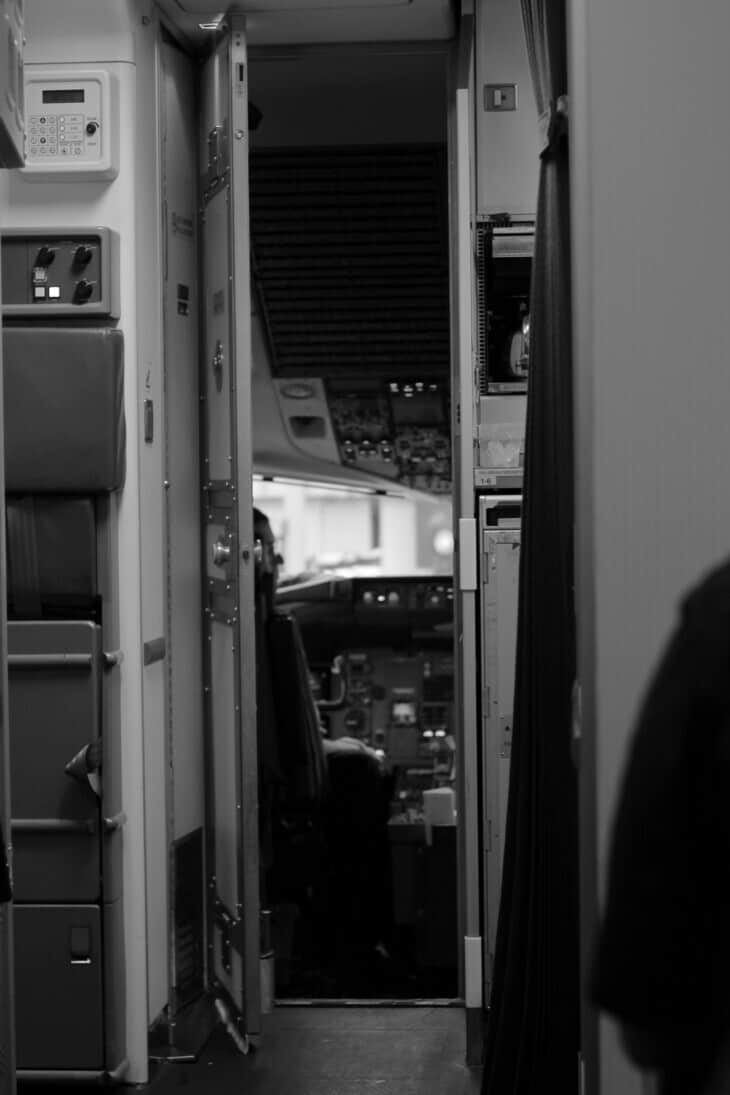
The modern cockpit door is a direct product of September 11. On January 10, 2002, the FAA signed an emergency rule ordering airlines to reinforce their doors at once, and gave them until April 9, 2003 to install stronger doors built to a new design standard.
The rest of the world followed. From November 1, 2003, ICAO’s Annex 6 required every passenger airliner heavier than 100,300 pounds (45,500 kg) or with more than 60 seats to have a door that resists small arms fire, grenade shrapnel and forcible intrusion.
The same standard says the door “shall be capable of being locked and unlocked from either pilot’s station.” That clause is the whole design philosophy in one line. Either pilot, alone, can decide who comes in.
Most doors can also be unlocked from the cabin in an emergency, but with a built-in delay, so a conscious pilot inside can override the request. The system trusts the people on the flight deck completely, because in 2001 the threat came from the cabin.
FZ1073 was a Boeing 737 MAX 8, registration A6-FKF, carrying more than 170 people. It sits far above both thresholds, so it carries exactly this kind of door.
Three Earlier Flights Where the Threat Was Already Inside
FZ1073 is not the first time the danger sat behind the door rather than in front of it. In each of these three cases, one pilot was alone at the controls. On FZ1073, both were in their seats.
LAM Mozambique Airlines 470, November 29, 2013. When the first officer of the Embraer 190 went to the lavatory, the captain locked the door and set the autopilot to descend. Namibia’s 2016 final report found the captain’s inputs caused the crash, and all 33 people aboard died while the cockpit voice recorder captured repeated banging on the door.
Ethiopian Airlines 702, February 17, 2014. The co-pilot of the Boeing 767 locked the captain out during a restroom visit, squawked 7500, and flew the jet to Geneva to seek asylum. It landed with about 10 minutes of fuel left and one engine flamed out, but none of the 202 people aboard was hurt.
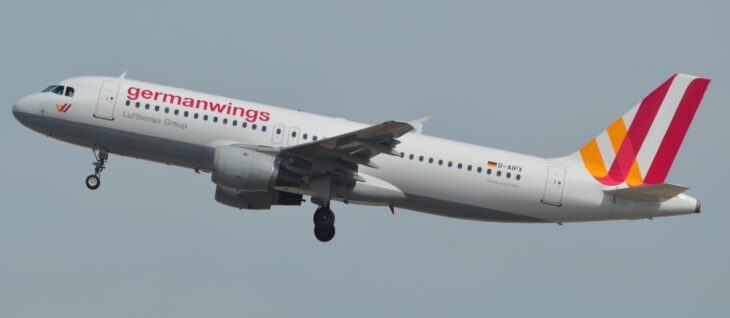
Germanwings 9525, March 24, 2015. The co-pilot of the Airbus A320 locked the captain out and put the jet into a descent from 38,000 feet that lasted about 10 minutes. France’s BEA concluded it was a deliberate act, and all 150 people aboard were killed in the French Alps.
.jpg)
FZ1073 moved much faster. Flightradar24 data shows the jet left 34,000 feet at 05:21 UTC in a steep descent, then a sharp climb, then another dive, and was holding around 15,000 feet by 05:33.
The transponder showed 7700, general emergency, at 05:28 and 7500, unlawful interference, at 05:35. CNN reported the plunge as 17,400 feet in under 120 seconds.
Europe Dropped the Two-Person Rule, Then Brought It Back
Germanwings produced the obvious fix. Three days after the crash, on March 27, 2015, EASA recommended that airlines keep at least two authorized people in the cockpit at all times, so that a pilot stepping out for a break never leaves a colleague alone behind a locked door.
It did not last. In July 2016, EASA replaced that bulletin with one that left the choice to each airline’s own risk assessment, and German airlines had dropped the rule by 2017.
Then, on February 17, 2024, a Lufthansa A321 captain returned from a short break and at first could not get back in. The first officer had suffered a seizure almost as soon as he left, and the flight diverted to Madrid.
On May 18, 2026, EASA reversed itself. Its revised bulletin reinstates two-person occupancy “at all times as the preferred approach,” and notes that the US, China and Japan already mandate it.
“Reinforced cockpit doors, while essential for preventing unlawful interference, may introduce specific safety risks in certain scenarios, particularly in cases of pilot incapacitation.”
EASA Safety Information Bulletin 2016-09R1, May 18, 2026
That is a regulator saying in writing that the door is a trade-off. But the two-person rule solves a different problem from FZ1073. It protects against a pilot left alone, and on September 30 both pilots were in their seats.
How FZ1073 Got Back on the Ground
The cockpit door was opened during the struggle, CNN reported, and passengers rushed in to subdue the attacker. Aviation analysts on CNN credited the wounded captain, Smit Machchhar, with unlocking it, and AirlineGeeks reported that he opened the door and called for help.
One passenger told Israeli media he pulled back on the yoke to level the jet, crediting the TV series Mayday, before handing over, according to AirlineGeeks. Flydubai says the aircraft was then “secured by on-duty flydubai crew travelling on the flight,” who landed it at Tabuk.
Machchhar, reported to be 39, flew 11 years for India’s SpiceJet before joining Flydubai, according to CNN. India’s embassy in the UAE says he has been moved to Abu Dhabi and is recovering well.
What Investigators Still Have to Answer
The co-pilot, who has not been publicly identified, left for Abu Dhabi with a security team after being medically cleared, according to Saudi Arabia’s Interior Ministry. The UAE is investigating whether the attack was linked to terrorism.
The weapon is still unconfirmed. Benjamin Netanyahu has suggested the attacker may have taken an ax from the aircraft’s own equipment, or that pilots do not always pass through metal detectors, while adding: “We’re looking into that, we can’t draw conclusions yet.”
Flydubai has suspended its Israel flights while the investigation runs. Whatever it finds, the door did what the 2002 rule asked of it on September 30.
What saved the flight was the moment it stopped doing its job and opened.
Sources and references used for research and fact-checking.
- CNN, Captain Smit Machchhar: The 'jovial' pilot and father who thwarted the Flydubai attacker
- CNN, Pilot suspected of Flydubai attack transferred to UAE as investigation unfolds
- Flightradar24, FlyDubai flight to Tel Aviv diverts to Tabuk amid onboard incident
- AirlineGeeks, Trump Praises 'Genius' Boeing After Thwarted 737 Hijacking
- Gulf News, Flydubai FZ1073: What happened on board and what we know so far
- Federal Register / FAA, SFAR 92-3, Flightcrew Compartment Access and Door Designs (67 FR 2112)
- SKYbrary, Flight Deck Security
- EASA, Safety Information Bulletin 2015-04: Authorised persons in the flight crew compartment
- EASA, Safety Information Bulletin 2016-09R1: Minimum Cockpit Occupancy
- Wikipedia, Germanwings Flight 9525
- Wikipedia, LAM Mozambique Airlines Flight 470
- Wikipedia, Ethiopian Airlines Flight 702
Get the Newsletter
The latest aviation news and stories sent to your inbox.
About the Author

Tim is the owner and lead editor of AeroCorner since 2019, overseeing aviation content covering aircraft, airlines, airports, and the broader aviation industry. Through years of researching, writing, editing, and publishing aviation-focused content, he has developed extensive practical knowledge of commercial aviation and air travel. Based in Asia and a frequent traveler himself, Tim also brings firsthand passenger experience to AeroCorner’s coverage. Outside of publishing, he has also explored aviation firsthand through hands-on flight training in New Zealand.