

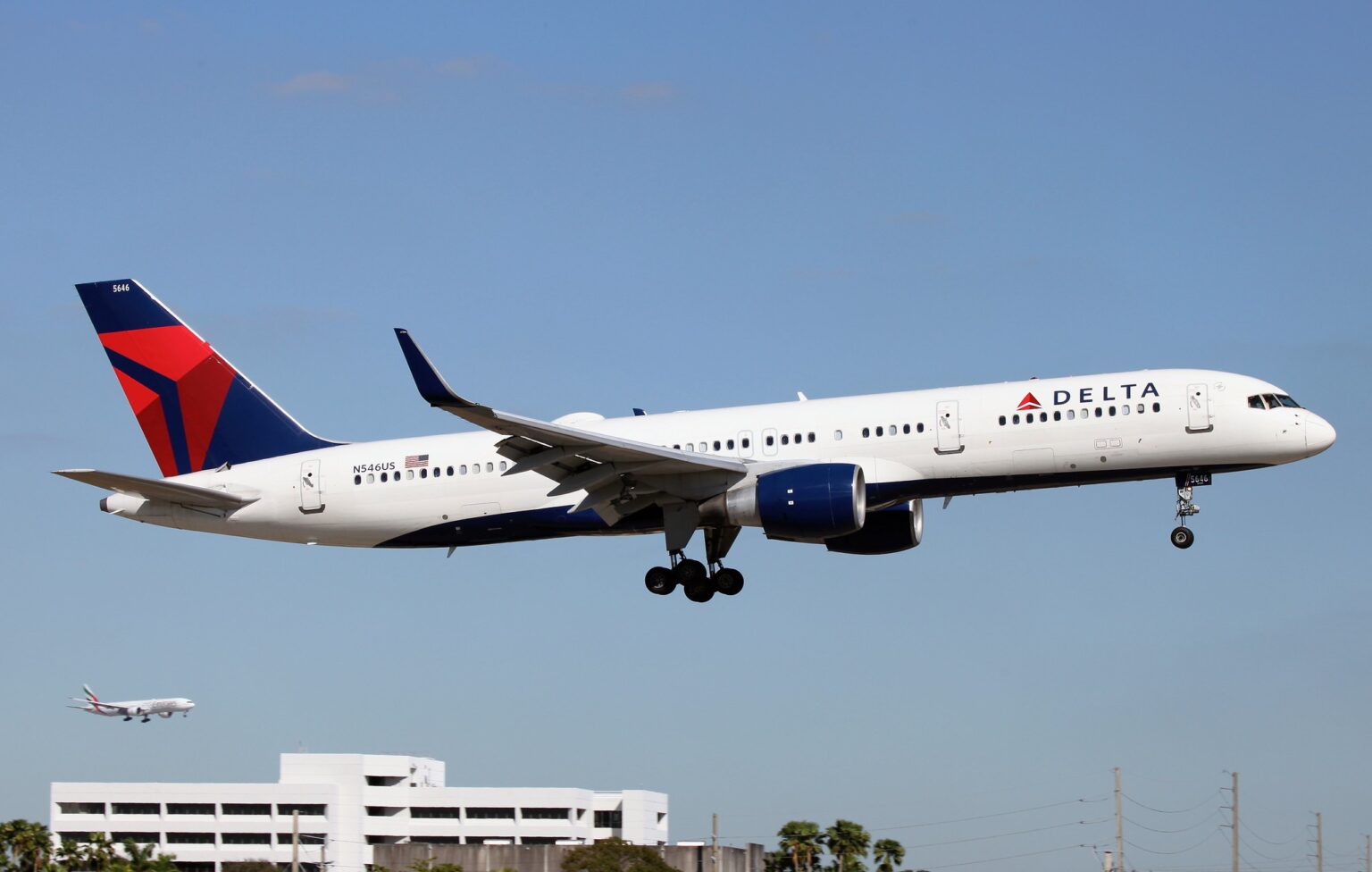
The FAA has ordered operators of every Boeing 757 to search the lower fuselage frames for old reinforcing repairs, after cracks were found at three of them. Airworthiness Directive 2026-23-05 was published in the Federal Register on November 20, 2026, and takes effect 35 days later, on December 25.
The rule covers the 757-200, the 757-200PF freighter, the 757-200CB combi and the 757-300. The FAA estimates it affects 427 airplanes on the US register.
Where the cracks were found
Boeing told the FAA that all three crack reports came from frames in fuselage Section 46. One crack sat at a repair taken from the type’s Structural Repair Manual that carried no damage-tolerance inspections, on the frame at station 1400 between stringers 26 and 27 on the left side.
The other two were at undocumented repairs with no known inspection requirements: one on the station 1420 frame on the left side, the other on the station 1600 frame on the right.
The FAA’s April proposal described what one of them looked like. When a repair was removed, a crack was found on the first fastener row of the repair splice, starting at a repair fastener hole in the inner frame flange and growing to both edges of it. That repair had no post-repair inspections.
The agency’s concern is that other repairs in these areas may lack the inspections needed to catch such cracks. Left unchecked, it says, a principal structural element could become unable to sustain limit load, which federal design rules define as the maximum load expected in service.
What the directive requires
The AD makes Boeing Alert Requirements Bulletin 757-53A0129 RB, dated December 8, 2025, mandatory. It calls for a general visual inspection for existing reinforcing repairs on the lower lobe frames in two zones, on both sides of the airplane.
The first runs from station 440 to 820 between stringers 20 and 25, and the second from station 1300 to 1661 between stringers 25 and 28. The bulletin places them in fuselage Sections 43 and 46.
Where the bulletin tells operators to contact Boeing about a repair, the AD instead requires the repair and any follow-up actions to be done before further flight, using a method the FAA or Boeing’s designated organization approves. The compliance times are set in the bulletin, which is filed in the FAA’s docket. Where the bulletin counts from its own issue date, the AD substitutes its effective date.
| Item | Requirement |
|---|---|
| Applies to | All Boeing 757s (427 on the US register) |
| Effective | December 25, 2026 |
| Inspection | General visual check for existing reinforcing repairs on lower lobe frames, Sections 43 and 46 |
| Repair found | Approved repair and follow-up actions before further flight |
| Timing | Per Boeing bulletin 757-53A0129 RB; times tied to the bulletin’s issue date run from the AD’s effective date |
| FAA cost estimate | Up to 263 work-hours ($22,355) per airplane; up to $9,545,585 for the US fleet |
Those costs cover only the inspection. The FAA says it has no definitive data to estimate the cost of the repairs that follow.
Airlines asked for 36 months and were turned down
Airlines for America, the US airline trade group, and FedEx Express asked for 36 months to deal with repairs done to two standard Structural Repair Manual designs or approved on FAA forms. A4A warned that the number of repairs in the inspection area was expected to be high, and that a before-further-flight deadline could ground airplanes.
The FAA refused. It said every existing reinforcing repair is affected, including those done to the manual or approved on FAA forms, so the follow-up actions are due before further flight for all of them.
Boeing asked the FAA to widen the stated reason for the rule. It said some repairs that already carry approved inspections also need re-evaluation, and that the bulletin covers Section 43 because repairs in its high-stress areas may need the same review, though it said it has had no crack reports there. The FAA agreed and reworded the rule.
Aviation Partners Boeing said its blended winglet modification does not affect the work, and the FAA wrote that into the final rule.
How this differs from October’s 757-300 directive
The October 757-300 directive covered only the stretched model, 37 US jets, and repeat crack checks of frame splices in the upper fuselage.
That rule was prompted by a crack growth analysis showing the existing inspection tasks gave too few chances to find cracks. The new one applies to every 757 model, looks at the lower frames, and was prompted by reports of real cracks at existing repairs.
Why old repairs need their own inspections
A reinforcing repair is fastened into the original frame, and the crack described in the proposal began at one of the repair’s own fastener holes. Federal aging-airplane rules treat repairs to key structure as needing inspections of their own.
Under 14 CFR 26.43, Boeing must run a damage-tolerance evaluation and set inspections for repairs to fatigue-critical structure in its published repair data, and give operators guidelines to survey and document the repairs already on their airplanes. The cracks here sat at one repair with no such inspections and two that were never documented at all.
Boeing built 1,050 757s before production ended in October 2004, and the last one was delivered in November 2005, so every 757 flying today is at least 20 years old.
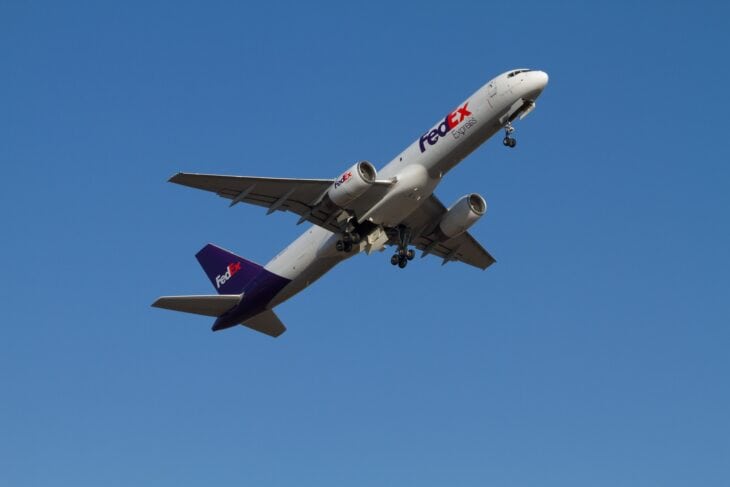
Simple Flying, citing ch-aviation data, counted 436 active in February 2026. Delta Air Lines flew 83, UPS 68, FedEx 63 and United Airlines 51, and cargo versions made up 268 of the total.
Sources and references used for research and fact-checking.
- FAA / Federal Register, Airworthiness Directives; The Boeing Company Airplanes (AD 2026-23-05, final rule, FR Doc. 2026-23688, public inspection Nov 19, 2026)
- FAA / Federal Register, Airworthiness Directives; The Boeing Company Airplanes (NPRM, 91 FR 23185)
- eCFR, 14 CFR 26.43 Holders of and applicants for type certificates: Repairs
- FAA / Federal Register, Airworthiness Directives; The Boeing Company Airplanes (AD 2026-20-04, 757-300, final rule)
- eCFR, 14 CFR 25.301 Loads
Get the Newsletter
The latest aviation news and stories sent to your inbox.
About the Author

AeroCorner News is the aviation news desk of AeroCorner.com. It covers accidents and incidents, safety rulings, airline and airport disruption, and new aircraft. It works from primary sources such as the NTSB, FAA, EASA and the manufacturers' own announcements.