

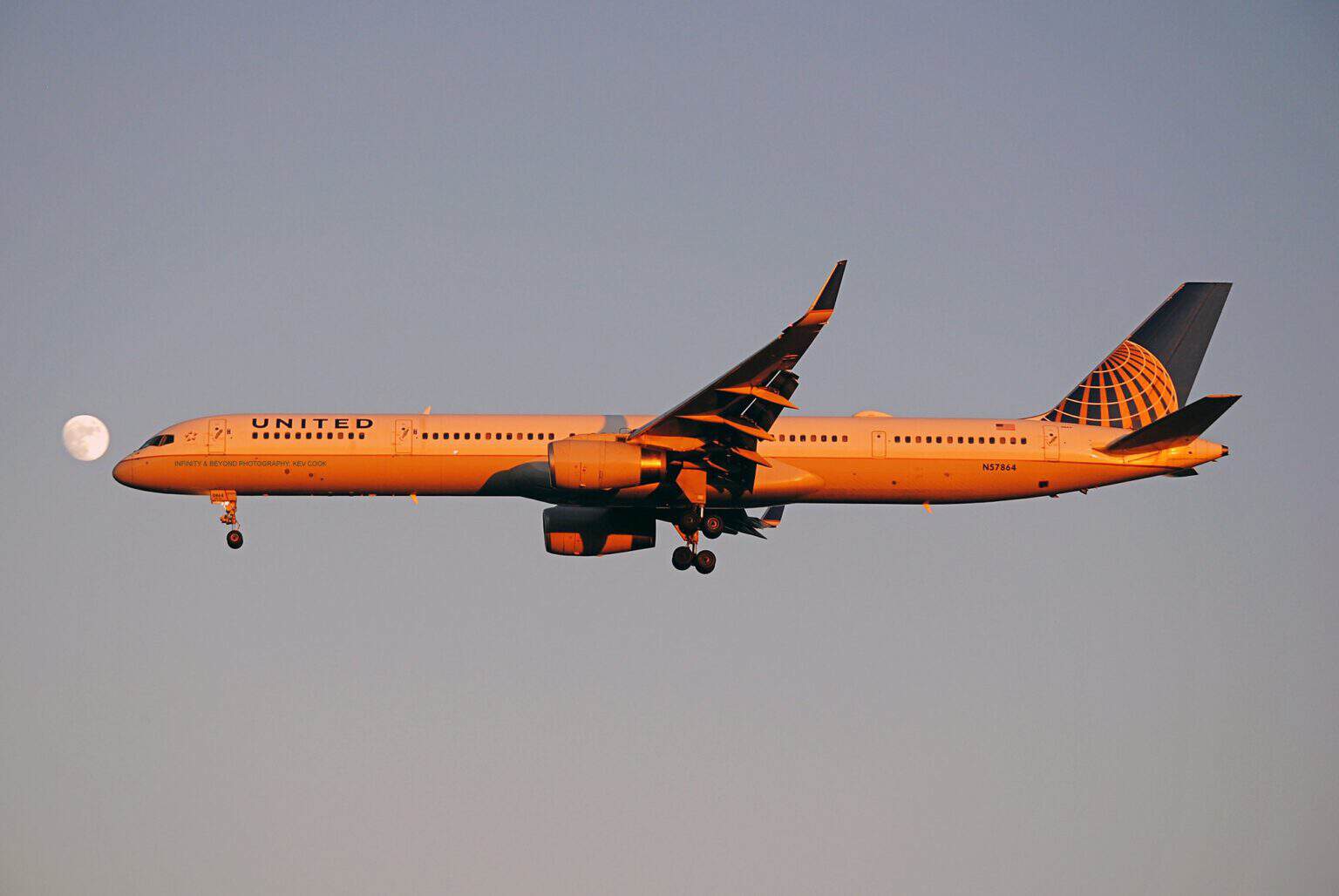
The FAA has ordered repeat inspections for cracks in the upper fuselage frames of every Boeing 757-300, the stretched version of the Boeing 757. Airworthiness Directive 2026-20-04 was published in the Federal Register on October 1, 2026, and takes effect on November 5.
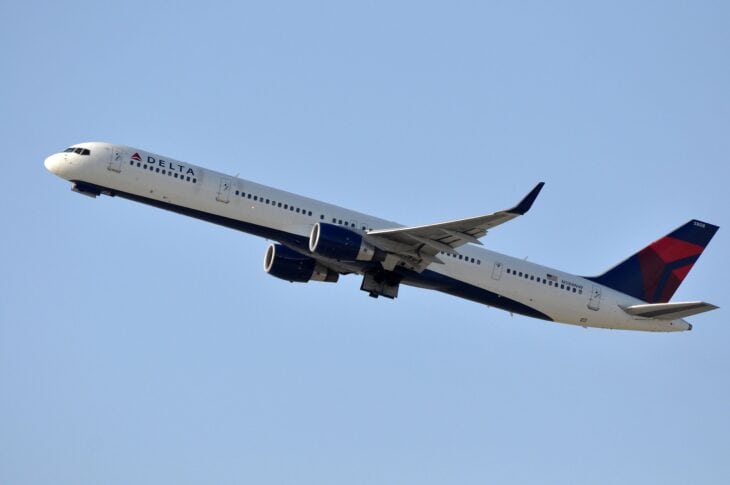
The FAA estimates that the rule affects 37 airplanes on the US register. United Airlines and Delta Air Lines both fly the type.
What the 757-300 directive requires
The problem sits at the frame splices between stringers 13 and 14, from fuselage station 1380 to station 1620, in the area Boeing calls Section 46. The checks focus on the upper frames around the topmost fastener shared with the fail-safe chord, a redundant load path built into the splice.
According to the final rule, a crack growth analysis showed that the existing maintenance planning data and supplemental structural inspection tasks did not give mechanics enough chances to find cracks there.
Left undetected, the FAA says, such cracks could lead to multiple upper frame failures. In the worst case, a principal structural element could no longer carry limit loads, risking the loss of continued safe flight and landing.
The AD makes Boeing Alert Requirements Bulletin 757-53A0122 RB, dated September 26, 2025, mandatory. Operators must first check records or do a general visual inspection for existing repairs in the area, then run detailed inspections of the frames for cracks.
The bulletin, filed in the FAA’s public docket, sets the timing. The first checks are due before an airplane reaches 40,000 total flight cycles or within 3,000 flight cycles of the AD’s effective date, whichever comes later.
The detailed inspection then repeats every 12,000 flight cycles. Any crack must be repaired before further flight using an FAA-approved method, and areas that already carry a repair need alternative inspections approved under the AD’s procedures.
| Item | Requirement |
|---|---|
| Applies to | All Boeing 757-300s (37 on the US register) |
| Effective | November 5, 2026 |
| First inspection | Later of 40,000 total flight cycles or 3,000 flight cycles after Nov. 5, 2026 |
| Repeat interval | 12,000 flight cycles |
| Crack found | Repair before further flight |
| FAA cost estimate | Up to 70 work-hours ($5,950) for the repair check, then $340 per detailed inspection |
The FAA puts the first step at up to $220,150 across the US fleet. It said it has no data on which to base costs for any repairs that inspections turn up.
United fixed a typo, and the winglets do not matter
The FAA proposed the rule on April 2, 2026, and adopted it largely unchanged. Boeing supported it without changes, and two other comments changed the wording.
United pointed out that one table in Boeing’s bulletin covered the right side of the fuselage but referred to left-side stringers. The FAA wrote the correction into the AD itself.
Aviation Partners Boeing, which holds the certificate for the 757-300’s blended winglet modification, said its winglet modification does not affect the inspections. The FAA agreed, so operators of winglet-equipped jets do not need separate approval to comply.
Why an analysis, not a crack, triggered the rule
The FAA’s notice traces the rule to an analysis and does not mention a crack found on an airplane. It is a reminder that an inspection schedule is only as good as the crack growth analysis behind it.
Federal rules for airliners require a damage-tolerance evaluation showing that catastrophic failure from fatigue, corrosion or manufacturing defects will be avoided throughout an airplane’s operational life. Inspection thresholds for key structure must be based on crack growth analyses or tests.
Here the new analysis found the existing checks too sparse, and the fix is a targeted inspection with its own repeat interval. “Limit loads” are the maximum loads an airplane is expected to see in service, so a frame that cannot carry them has lost its margin.
Metal fatigue in the fuselage has shaped these rules for decades. In 1988, Aloha Airlines Flight 243, a 737-200, lost part of its fuselage in flight to fatigue and poor maintenance, an accident with far-reaching effects on how the industry inspects older jets.
The 757-300 fleet is small and aging. Boeing built only 55 of the 178.7-foot (54.5 m) stretch, which entered service with Condor in 1999, and the bulletin’s effectivity list covers 55 line numbers.
Simple Flying, citing ch-aviation data, counted 32 still active in February 2026, mostly at Delta and United. Both airlines seat 234 passengers on theirs, and no new 757 has been built since 2004, which is why the hunt for a 757 replacement took two decades.
.jpg)
Sources and references used for research and fact-checking.
- FAA / Federal Register, Airworthiness Directives; The Boeing Company Airplanes (AD 2026-20-04, final rule, 91 FR 62299)
- FAA / Federal Register, Airworthiness Directives; The Boeing Company Airplanes (NPRM, 91 FR 16593)
- Boeing (FAA docket FAA-2026-2730), Alert Requirements Bulletin 757-53A0122 RB, Fuselage Section 46 frame splice inspection
- eCFR (via Cornell LII), 14 CFR 25.571 Damage-tolerance and fatigue evaluation of structure
- eCFR (via Cornell LII), 14 CFR 25.301 Loads
- United Airlines, Boeing 757-300
- Delta Air Lines, Boeing 757-300 (75Y)
Get the Newsletter
The latest aviation news and stories sent to your inbox.
About the Author

Tim is the owner and lead editor of AeroCorner since 2019, overseeing aviation content covering aircraft, airlines, airports, and the broader aviation industry. Through years of researching, writing, editing, and publishing aviation-focused content, he has developed extensive practical knowledge of commercial aviation and air travel. Based in Asia and a frequent traveler himself, Tim also brings firsthand passenger experience to AeroCorner’s coverage. Outside of publishing, he has also explored aviation firsthand through hands-on flight training in New Zealand.