

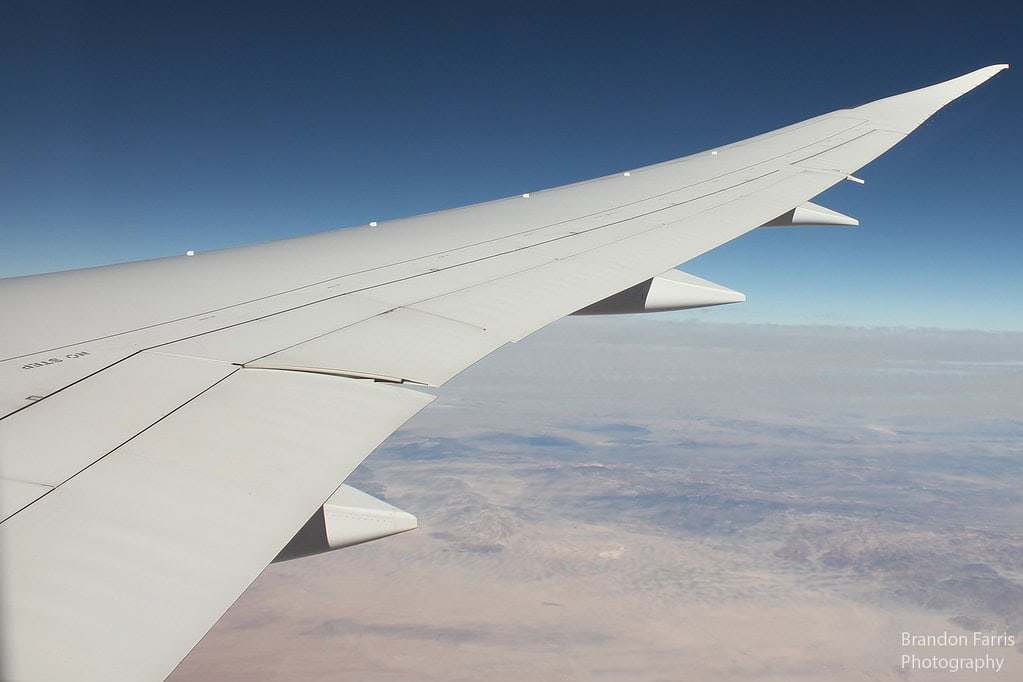
On August 27, 2026, the FAA finalized a rule requiring repeated inspections of a wing joint on certain Boeing 787-8, 787-9, and 787-10 jets. The rule follows a Boeing investigation that found manufacturing errors capable of triggering fatigue cracks in the wing structure. It takes effect October 1, 2026.
What Boeing found
The directive centers on splice plates that join the lower wing skins at the side of body, the point where the wing center section meets the fuselage. Boeing’s investigation concluded that shim gaps at these joints sometimes exceeded engineering allowances during assembly.
That gap forced excessive pull-up loads onto the splice plates as they were bolted into place, according to the FAA. Over time, those loads can start fatigue cracks at the fastener holes.
What the rule requires
Depending on an aircraft’s build configuration, operators must run repetitive ultrasonic inspections of the splice plates, rear spar terminal fittings, lower chords, front spar terminal fittings, and jack pads for cracks, plus repetitive detailed visual checks of the splice plates themselves. Any crack found triggers an approved repair before further flight.
American Airlines asked the FAA to simplify how compliance deadlines are tracked, since Boeing’s schedule mixes total flight hours and cycles for the first inspection with flight hours and cycles for each repeat. The FAA declined, saying a simplified limit would be more conservative and could put airplanes out of compliance the moment the rule takes effect.
A narrow but costly fix
The FAA estimates 17 US-registered 787s are affected. Each inspection cycle costs up to $24,310 per aircraft, or about $413,270 across the fleet, though Boeing may cover some of that under warranty.
Why the FAA treats it as urgent
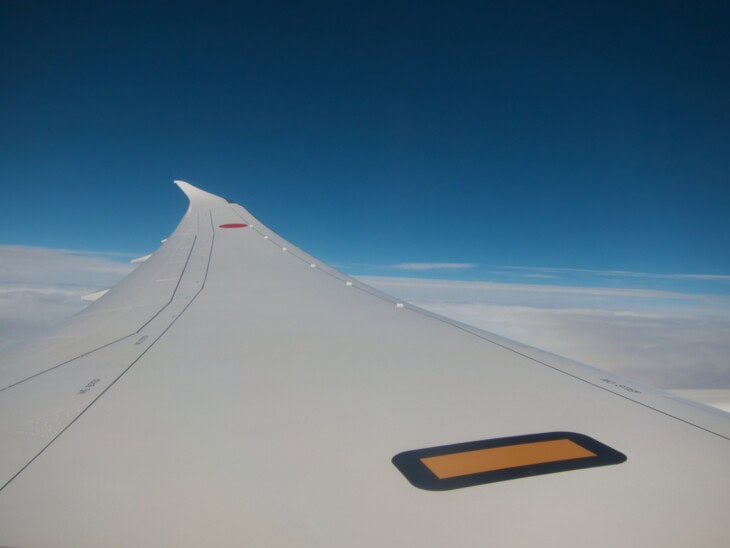
The wing’s lower skin carries much of the load during flight, so the FAA classifies undetected cracking there as a genuine safety risk, not routine wear. Left unaddressed, the agency says the cracks could grow enough to weaken the primary wing structure below its required strength, risking loss of continued safe flight and landing.
There is no indication any in-service 787 has reached that point. The inspections exist to catch the defect long before it could.
Notably, the shim gaps at issue are a factory assembly problem, not something an airline caused through hard landings or heavy use. That is why the fix is a repeat inspection schedule rather than a one-time repair: Boeing cannot simply retorque every affected joint and call the defect closed, since the underlying gap remains until a crack is found and repaired or the part is replaced.
It is also the third structural directive the FAA has issued or proposed for the Boeing 787 this month, after separate rules addressing a gap in engine debris protection and corrosion in the tail’s fin bolts. Each traces to a build or design issue rather than in-service wear.
A build issue, not an age issue
Unlike many aging-fleet directives, this one traces to how the splice plates were shimmed and torqued at assembly. Newer jets are not automatically exempt; applicability depends on which airplanes match the configuration in Boeing’s bulletin, not on how long a jet has been flying.
Sources and references used for research and fact-checking.
Get the Newsletter
The latest aviation news and stories sent to your inbox.
About the Author

Tim is the owner and lead editor of AeroCorner since 2019, overseeing aviation content covering aircraft, airlines, airports, and the broader aviation industry. Through years of researching, writing, editing, and publishing aviation-focused content, he has developed extensive practical knowledge of commercial aviation and air travel. Based in Asia and a frequent traveler himself, Tim also brings firsthand passenger experience to AeroCorner’s coverage. Outside of publishing, he has also explored aviation firsthand through hands-on flight training in New Zealand.