

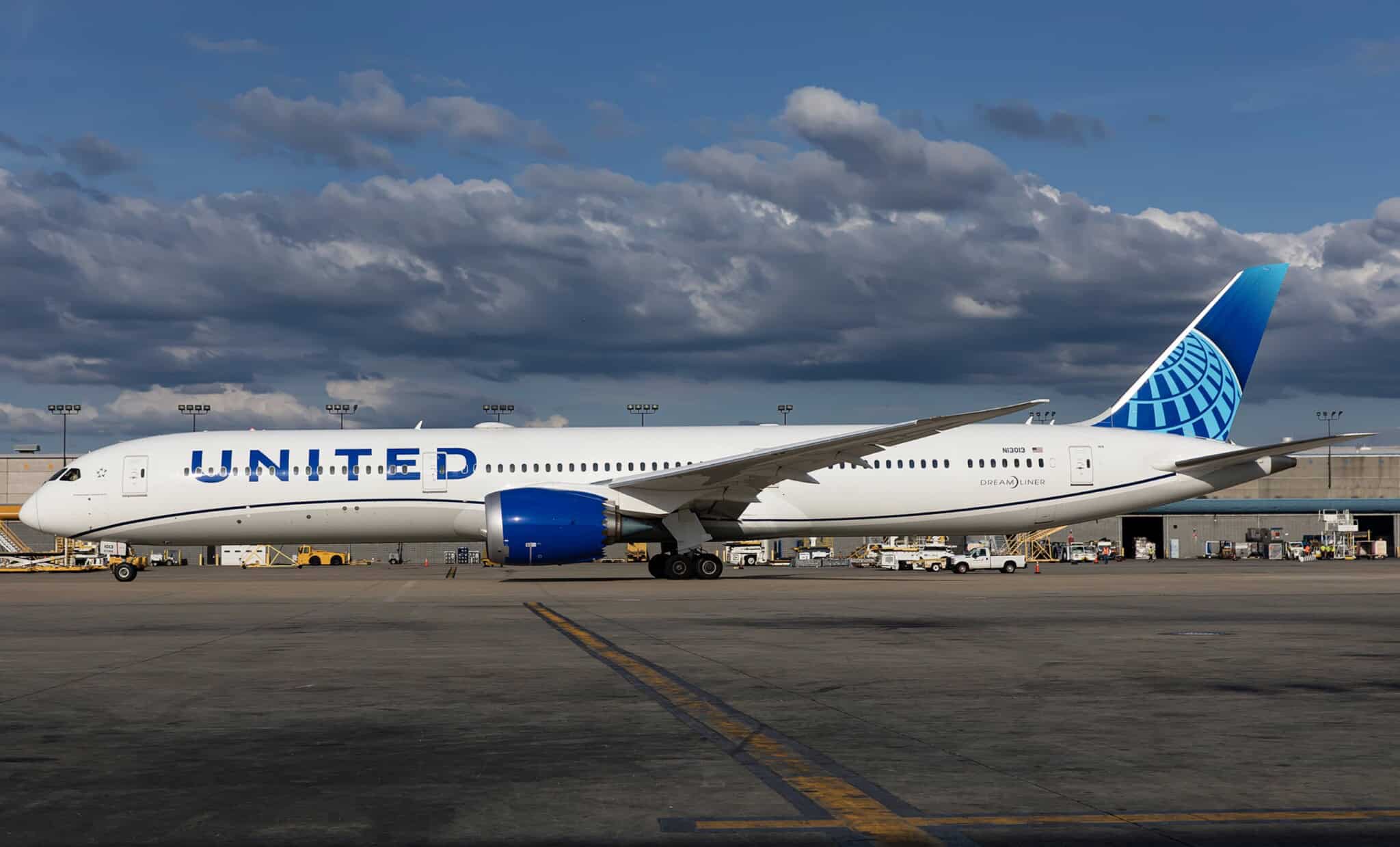
On August 12, 2026, the Federal Aviation Administration proposed a new rule tightening how often mechanics must inspect the bolts holding the vertical fin onto Boeing 787 Dreamliners. The rule would replace a 2022 directive after inspectors kept finding corrosion in those bolt holes that was worse than expected.
What the FAA found
The parts in question are called vertical fin tension bolts. They sit in the aluminum crown frames at a structural section near the base of the tail, known as Section 48, where the vertical fin attaches to the fuselage.
The FAA first ordered inspections there in 2022, after a routine C-check turned up corrosion in one of those bolt holes. That directive required inspections, a review of how sealant was applied, and bolt replacement where needed.
Since then, the agency says it has kept finding corrosion, in some cases worse than inspectors expected. It also determined that an optional sealant type allowed under the 2022 rule may not give mechanics enough working time to install the bolts properly, which can damage the seal itself.
What changes under the new proposal
The proposed rule would keep the actions required in 2022, but with shorter compliance times. For some aircraft, it would also require airlines to check maintenance records to confirm the correct sealant application method was used, and to make repairs where it was not.
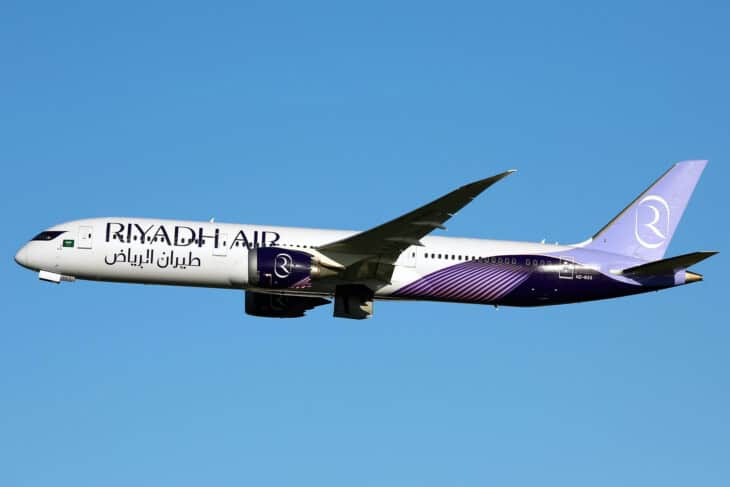
The FAA estimates the rule would affect 116 Boeing 787s on the US registry. Inspecting, resealing, and replacing bolts and barrel nuts where corrosion turns up would cost up to $38,260 per aircraft.
Two corrections in four years
This is the second time the FAA has tightened this exact rule. The 2022 directive already required inspections and bolt replacements after corrosion was first found; this proposal responds to more corrosion turning up since, in some cases worse than expected.
Why a bolt hole becomes a big deal
The FAA treats this as an unsafe condition, not just a routine maintenance item, because of what untreated corrosion could eventually do. If it goes undetected long enough, the bolt holes could weaken below the structure’s required residual strength.
That could lead to loss of the vertical fin and, in turn, loss of control of the airplane, according to the FAA’s own description of the risk. There is no evidence that has happened on an in-service 787; the directive exists to catch corrosion long before it reaches that point.
The proposal follows a separate FAA decision to let Boeing resume self-certifying its jets as airworthy, a practice largely suspended since 2019. Together, the two moves show the agency still issuing direct safety mandates whenever a known defect resurfaces, even as it hands back day-to-day sign-off authority elsewhere.
This is a proposal, not a final rule
The FAA is taking public comment on this directive through September 26, 2026, before deciding whether to adopt it. Airlines are not yet required to comply, and the compliance times could still change before a final rule is issued.
Sources and references used for research and fact-checking.
Get the Newsletter
The latest aviation news and stories sent to your inbox.
About the Author

Tim is the owner and lead editor of AeroCorner since 2019, overseeing aviation content covering aircraft, airlines, airports, and the broader aviation industry. Through years of researching, writing, editing, and publishing aviation-focused content, he has developed extensive practical knowledge of commercial aviation and air travel. Based in Asia and a frequent traveler himself, Tim also brings firsthand passenger experience to AeroCorner’s coverage. Outside of publishing, he has also explored aviation firsthand through hands-on flight training in New Zealand.