

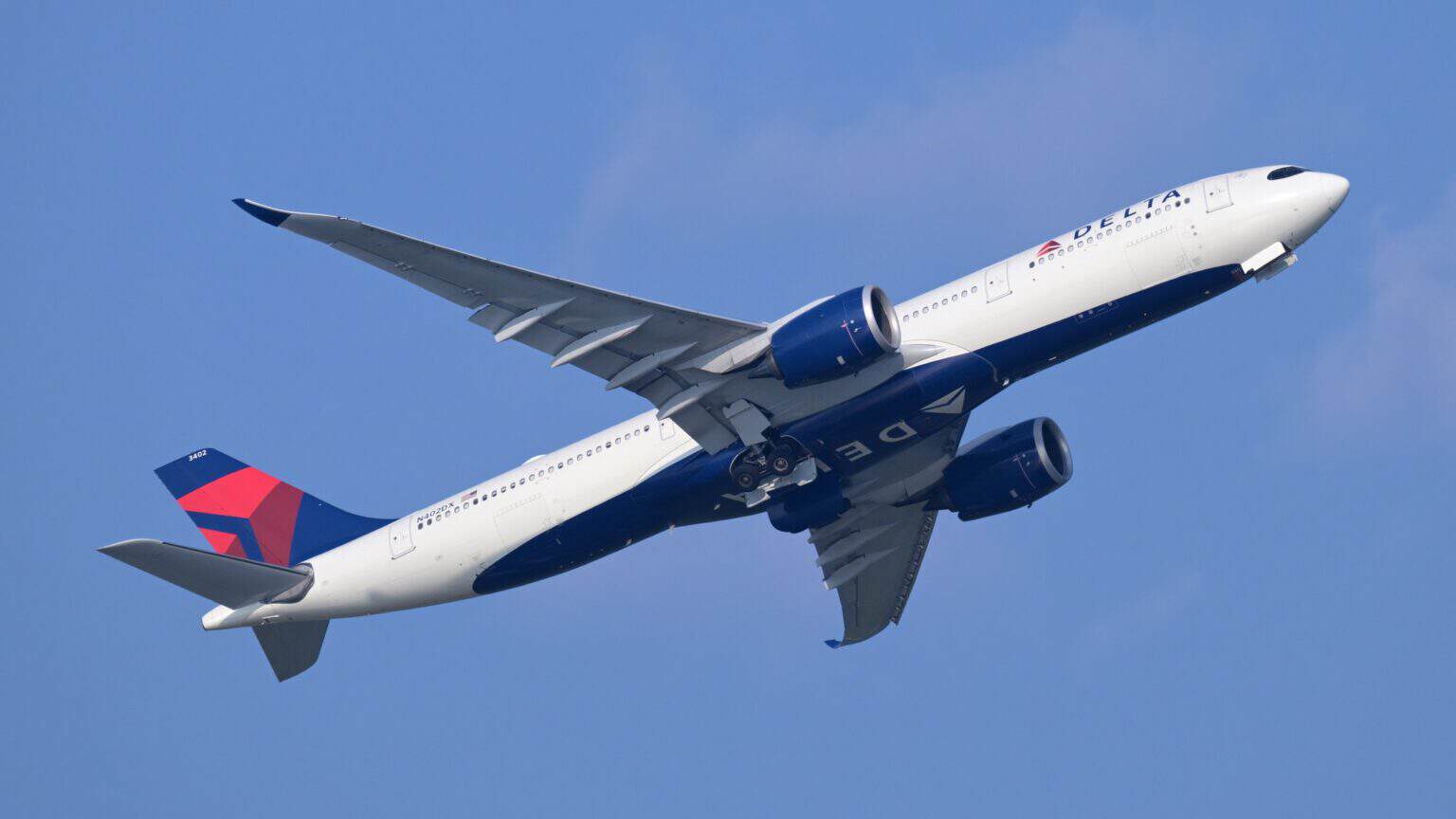
The FAA published a final airworthiness directive on November 20, 2026, that orders a fix for engine fire extinguisher bottles on the Airbus A330-841 and A330-941, the A330-800 and A330-900 of the A330neo family. The rule, AD 2026-23-01, was prompted by reports of cracks on the bottles’ discharge outlets.
It takes effect 35 days after publication, on December 25, 2026. The FAA counts 35 affected airplanes on the US register.
What the A330neo directive requires
The FAA rule adopts EASA AD 2025-0034, which Europe’s regulator issued on February 12, 2025, as the safety authority for Airbus designs. The affected part is the engine fire extinguisher bottle with part number 34500063-11.
According to EASA, investigations found that the heat treatment applied in production leaves those bottles susceptible to stress corrosion cracking. The cracks were found on the discharge outlet, the fitting through which the agent leaves the bottle.
The directive splits the fleet in two. Airplanes with an affected bottle installed must have each one replaced with a serviceable bottle, part number 34500074-11, within 30 months, following Airbus service bulletin A330-26-3076.
That bulletin also lets operators convert an old bottle by replacing its discharge outlet, following a bulletin from the vendor, Meggitt Safety Systems. The converted bottle is then reidentified under the new part number.
Airplanes without an affected bottle get only a parts ban: from the effective date, an old-standard bottle may not be installed on any A330neo. A modified airplane falls under the same ban once its work is done.
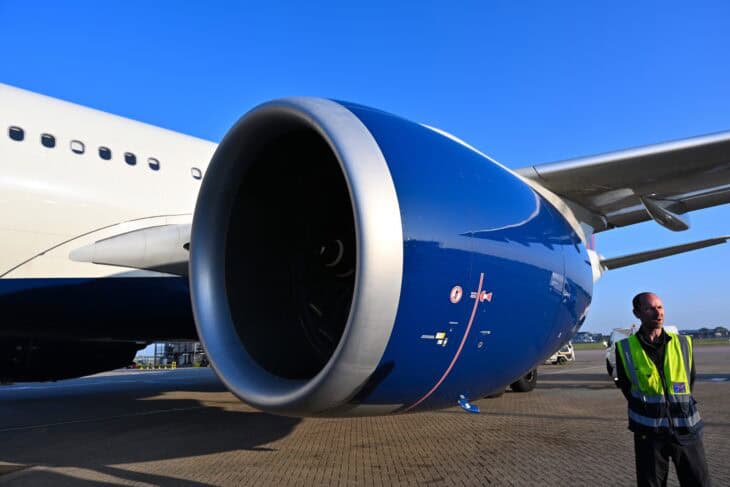

The FAA puts the work at 11 labor hours, or $935 per airplane and $32,725 across the US fleet. It had no definitive data for the parts cost, and says Airbus told it some or all of the costs may be covered under warranty.
Why a cracked outlet matters
EASA’s own assessment is measured. Its investigations found that the performance of the engine fire extinguishing system is not significantly affected, but the rate of findings was high enough to class the cracking as potentially unsafe.
The FAA adds that the cracking could get worse over time and eventually lead to a leak of extinguishing agent. Left unaddressed, it says, the fire extinguishing system might not work as intended.
An airliner’s engine fire bottle is a pressurized container, the FAA’s maintenance technician handbook explains. It stores a liquid extinguishing agent charged with a gas, typically nitrogen, and Halon 1301 is the agent in current use on commercial aircraft.
The outlet is the business end. A small explosive cartridge, known as a squib, ruptures a disc in the discharge valve when the bottle is fired, and open-ended tubes can then deliver the agent in 1 to 2 seconds.
A leak through a cracked fitting would drain agent before that moment comes, which is the FAA’s concern. Certification rules for transport-category jets already require two discharges for the engine fire zones, each able to produce an adequate agent concentration on its own.
US operators get more time than Europe’s
The 30-month clock runs from each regulator’s own effective date. EASA’s AD took effect on February 26, 2025, so airplanes under its rules are due by August 2027, while US operators have until June 25, 2029.
The gap drew criticism. The FAA proposed the rule on February 20, 2026, and the Foundation for Aviation Safety argued that an administrative delay of more than a year was unacceptable for a repair estimated at 11 hours, asking the agency to re-evaluate the compliance time.
The FAA declined, saying 30 months lets operators fit the work into scheduled maintenance such as a C-check and allows for parts availability. It said it may revisit the timing if new reports or data justify it.
Delta Air Lines asked to be allowed approved substitutes for the consumables listed in the vendor’s instructions, such as the adhesives used to reidentify a converted bottle. The FAA refused a blanket exception but said it will consider specific requests as alternative methods of compliance, and the Air Line Pilots Association backed the rule without changes.
The order adds to a run of FAA directives on the Rolls-Royce Trent 7000-powered Airbus A330-900 and its smaller sibling this fall. In October the agency mandated new bleed computer software over leaking high-pressure valves and ordered a new flight control computer standard after a triple PRIM fault at touchdown.
Sources and references used for research and fact-checking.
- FAA / Federal Register, Airworthiness Directives; Airbus SAS Airplanes (AD 2026-23-01, final rule, FR Doc. 2026-23691)
- FAA / Federal Register, Airworthiness Directives; Airbus SAS Airplanes (NPRM, FR Doc. 2026-03389)
- EASA, EASA AD 2025-0034: Fire Protection, Engine Fire Extinguisher Bottles, Modification
- FAA, Aviation Maintenance Technician Handbook, Powerplant (FAA-H-8083-32B), Chapter 9: Engine Fire Protection Systems
- Airbus, A330-900
Get the Newsletter
The latest aviation news and stories sent to your inbox.
About the Author

AeroCorner News is the aviation news desk of AeroCorner.com. It covers accidents and incidents, safety rulings, airline and airport disruption, and new aircraft. It works from primary sources such as the NTSB, FAA, EASA and the manufacturers' own announcements.