


The FAA proposed an airworthiness directive on October 19, 2026, that would require a wiring and software modification on certain Airbus A330-941s, the A330-900neo, to stop their radio management panels (RMPs) losing data synchronization. The proposal would replace AD 2025-09-07, an interim rule that has relied on a cockpit procedure and a dispatch limit since May 2025.
The FAA estimates the proposal would affect 12 airplanes on the US register. Comments are due by December 3, 2026.
What the A330neo proposal would require
The proposal adopts EASA AD 2025-0286, which Europe’s regulator issued on December 17, 2025, as the authority for the Airbus design. It mandates Airbus modification 211442, which installs wiring and the L4.3 software standard for the jet’s digital radio and audio integrating management system, known as DRAIMS.
Under the EASA text, operators have 12 months to do the work, and the FAA would count those months from the effective date of its own final rule. The instructions are in Airbus service bulletin A330-23-3514, first issued on October 24, 2025.
Until a jet is modified, the existing requirements stay. Crews keep an emergency procedure in the flight manual, and the airplane cannot be dispatched with RMP 3 inoperative under the operator’s minimum equipment list.
Once the modification is done, both of those limits can come out of the manuals. The proposal would then bar operators from installing the affected parts on a modified jet, which EASA lists as an audio control panel, the audio management unit software, a configuration table and the RMP software.
The cost is small. The FAA puts the new work at 6 work-hours and $1,242 in parts, or $1,752 per airplane, plus $170 for the carried-over manual revisions.
Why a radio panel losing sync matters
The RMPs are the cockpit panels that manage the radios, and the directives show they also carry the transponder and collision avoidance settings and a standby navigation mode. The digital RMP function uses three panels, and each has to stay in sync with the audio management unit behind them.
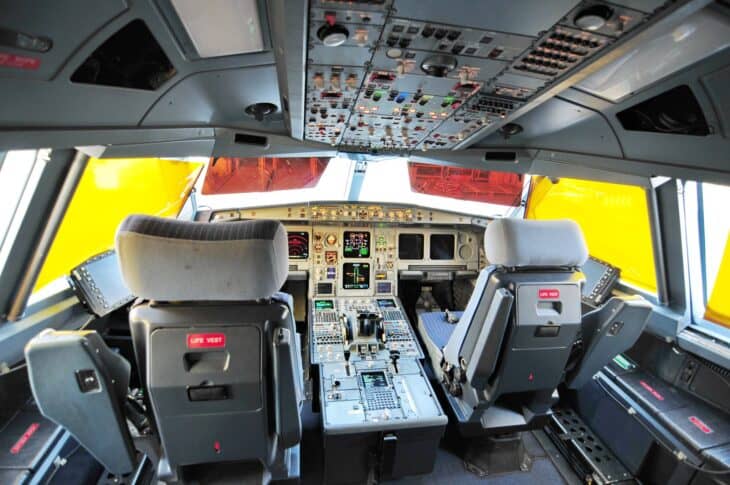

EASA says occurrences were reported in which that synchronization was lost. The result can be loss of control of radio communication, uncommanded changes to transponder settings and the traffic alert and collision avoidance system (TCAS), and standby navigation mode switching on across all the panels.
RMP 3 is the backstop. The FAA warned that if both of the other panels lost sync in flight on a jet that took off with RMP 3 already broken, the crew could lose radio communication, transponder function and standby navigation altogether.
The interim cockpit fix
Since 2025, the flight manual procedure for a dual loss of RMP data synchronization tells pilots to switch off RMP 1 and RMP 2 and check their communication, transponder, TCAS and radio navigation settings. With both panels off, communication is available only on RMP 3, and aural alerts are not available on the loudspeakers.
The FAA also went further than Europe on dispatch in 2025. EASA’s minimum equipment list update let airplanes leave with either RMP 1 or RMP 2 inoperative, but the FAA kept the ban on dispatching without RMP 1, because it is the only panel that works when the jet is in its emergency electrical configuration.
From 86 jets to 12
The first rule cast a wider net. AD 2025-09-07 covered A330-243, -243F, -841 and -941 airplanes with the digital RMP function, and the FAA counted 86 of them on the US register.
The FAA adopted it without prior public comment, effective May 15, 2025, saying the risk to the flying public justified skipping that step and that the 7-day compliance time was shorter than any comment period. It called the rule interim and said Airbus was developing a modification.
The list then shrank. EASA revised its directive in August 2025 because airplanes that received the modification on the production line are not affected, and the new proposal drops the A330-243, -243F and -841, which the FAA says are not affected by the unsafe condition.
What remains is a group of A330-900neo airframes that EASA lists by manufacturer serial number, in a set of ranges between 2056 and 2105. The FAA does not name their operators.
It is the second A330neo directive in the October 19 Federal Register: the FAA also issued a final rule ordering new bleed computer software on the type the same day. This one is still a proposal, and the FAA says it may amend it in response to comments.
Sources and references used for research and fact-checking.
- FAA / Federal Register, Airworthiness Directives; Airbus SAS Airplanes (NPRM, FR Doc 2026-21334, Docket FAA-2026-11813)
- EASA, AD 2025-0286: Communications, Digital Radio and Audio Integrating Management System, Modification
- FAA / Federal Register, Airworthiness Directives; Airbus SAS Airplanes (AD 2025-09-07, FR Doc 2025-07453)
Get the Newsletter
The latest aviation news and stories sent to your inbox.
About the Author

AeroCorner News is the aviation news desk of AeroCorner.com. It covers accidents and incidents, safety rulings, airline and airport disruption, and new aircraft. It works from primary sources such as the NTSB, FAA, EASA and the manufacturers' own announcements.