

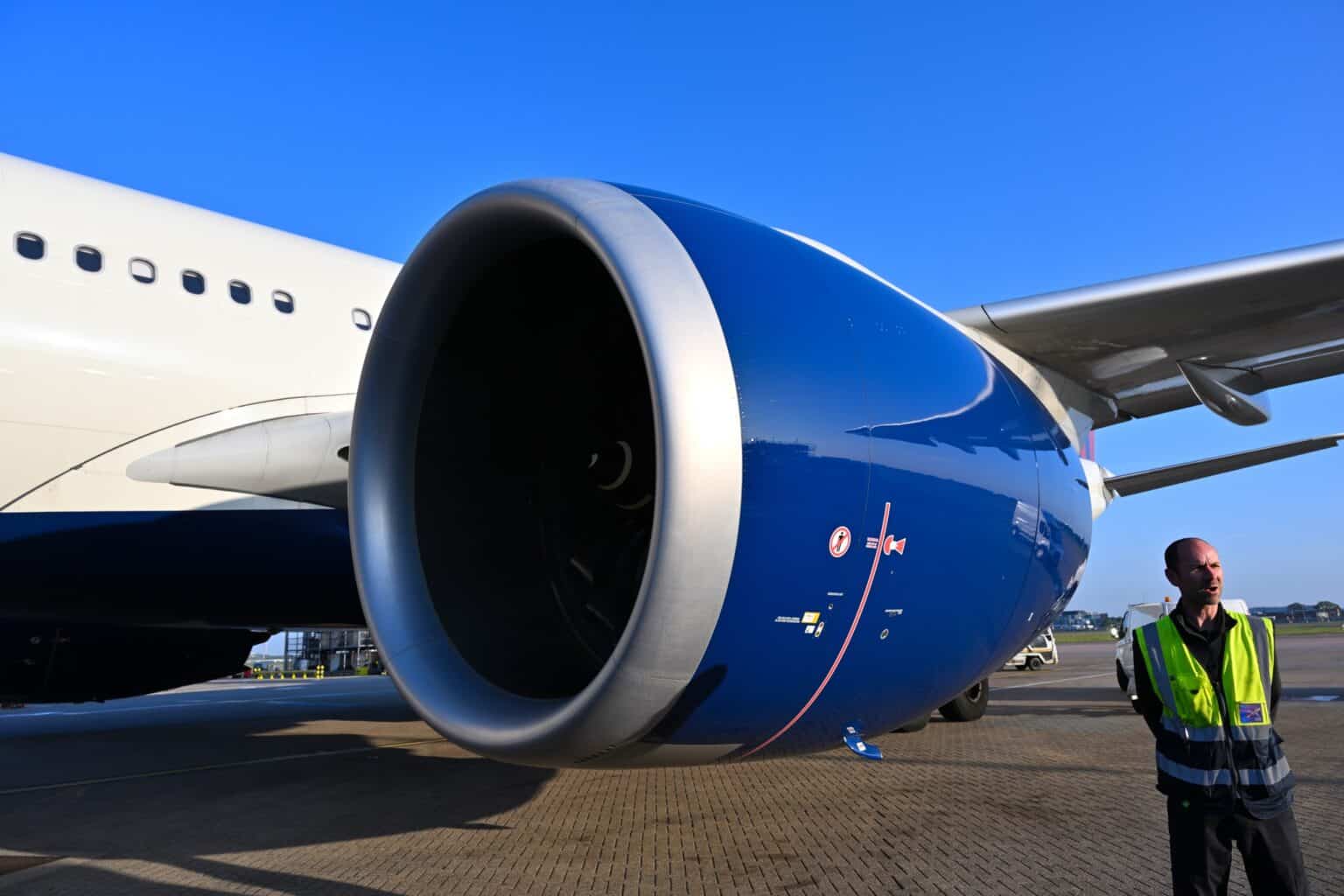
On October 19, 2026, the FAA published Airworthiness Directive 2026-21-03, which requires repeated leak checks of the fuel low pressure shut-off valves (LPSOVs) on Rolls-Royce-powered Airbus A330s and four A340 families. The rule follows reports that closed valves had leaked fuel because they failed to seal.
The FAA estimates the directive affects 115 airplanes on the US register. It takes effect on November 23, 2026.
What the directive requires
The FAA rule adopts EASA AD 2026-0060R1, issued by the European Union Aviation Safety Agency on June 9, 2026, with a few US changes. Mechanics must leak-check each affected valve and replace it before the next flight if any discrepancy, such as a leak, is found.
After the first check, the inspection repeats at intervals of no more than 13,000 flight hours, 6,500 flight cycles or 144 months, whichever comes first. EASA lists no terminating action, so the checks continue at that interval.
Where the EASA table sets a first-check deadline between November 12, 2025 and March 3, 2029, the FAA instead requires it within 35 months of the November 23 effective date. Under the EASA rule, an aircraft delivered on or after April 3, 2026 gets its first check within the same hours, cycles or months limit, counted from its delivery to the first operator.
An affected valve may still be installed, provided it passes a leak check before the next flight. The FAA dropped the service bulletin instructions to report findings to Airbus and send removed parts back to the manufacturer.
The FAA puts the check at up to 8 work-hours, or up to $680 per airplane at $85 an hour, and up to $78,200 across the US fleet. A valve replacement adds an estimated $10,425 per airplane, $10,000 of it in parts, but the FAA says it cannot predict how many aircraft will need one.
Which A330s and A340s are covered
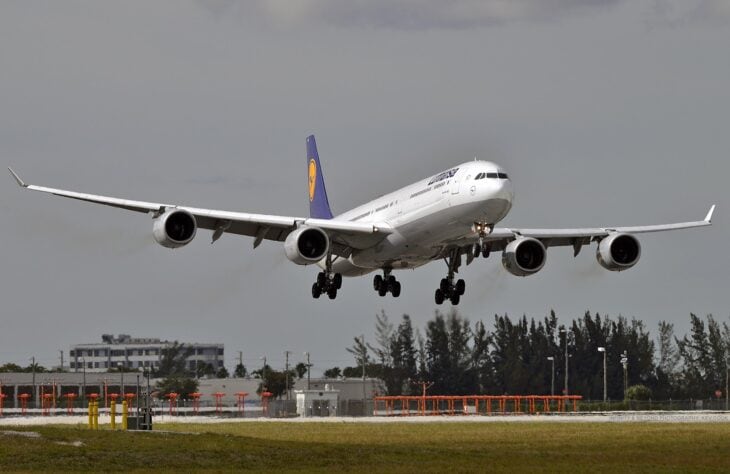
The FAA rule names the A330-243, A330-243F, A330-341, A330-342 and A330-343, plus the A330-841 and A330-941 neo models. On the A340 side it lists the A340-211, -212, -213, -311, -312, -313, -541 and -642.
Every A330 model on that list flies on Rolls-Royce engines, according to the EASA type certificate data sheet: the Trent 700 on the original A330 and the Trent 7000 on the A330-900neo and -800neo. The General Electric CF6 and Pratt & Whitney PW4000 versions are not on the list, and neither directive says why.
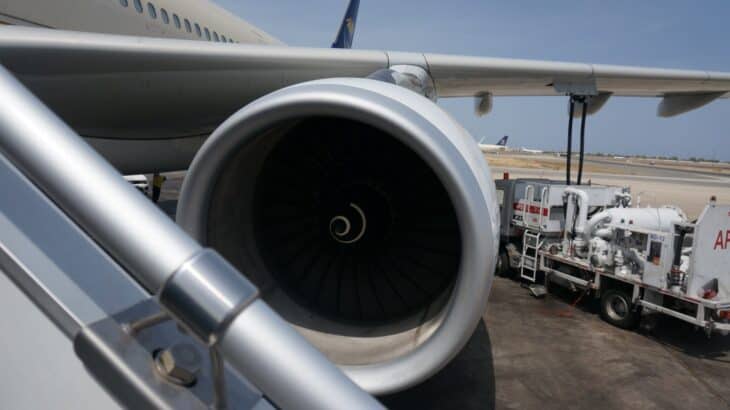

The neo half of the list reaches every A330neo, because Rolls-Royce calls the Trent 7000 the jet’s exclusive powerplant. That includes the A330neos ordered by Delta Air Lines, whose order Rolls-Royce said had reached 35 aircraft in 2018.
The European directive is slightly wider. It also covers the A330-743L BelugaXL transporter, the A340-542 and the A340-643, which the US version does not list.
EASA names six affected valve part numbers, and the work follows three Airbus service bulletins dated November 13, 2025: A330-28-3145, A340-28-4146 and A340-28-5064.
Why a leaking shut-off valve is a fire risk
The LPSOV is the valve that cuts the fuel supply to its engine. One of the maintenance tasks EASA accepts for compliance is titled “Operational Check to Confirm LP Valve Isolates Fuel Supply to Associated Engine”, which describes the job in a line.
That matters in an engine fire. The FAA says fuel leaking past a closed valve could, depending on the amount, sustain a fire, leading to an inability to extinguish it and significant damage to the airplane’s structure or systems.
The same valve has drawn a directive before, for a different fault. A 2003 French DGAC directive described an A340 maintenance engine run in which the fire pushbutton was operated but engine No. 4 kept running for about six minutes, while the fuel display showed the valve closed.
In that case the valve was found not fully closed, and the supplier found damage to the locating pin of its twin motor actuator and to the pedestal. The new directive deals with valves that close but fail to seal.
How the rule got here
EASA posted its proposal for consultation on December 16, 2025, and issued the original AD 2026-0060 on March 20, 2026, effective April 3. It revised the directive in June after operator comments, clarifying it and correcting the definition of aircraft that do not have an affected valve installed.
The FAA proposed its version on August 13, 2026. The only comment came from the Air Line Pilots Association, which supported the rule without change, and the agency adopted it as proposed apart from minor editorial changes.
It is another Rolls-Royce-powered A330 directive in a busy autumn. In September the FAA ordered work on cracked anti-ice piccolo tube brackets on Trent 700 A330s, and on October 13 it ordered wrongly repaired compressor blades pulled from Trent 768 and 772 engines.
On the A340, the new check overlaps work already in Airbus’s maintenance planning document. EASA says a leak check done to the service bulletin also meets the existing certification maintenance requirement task for the A340-200/300 and A340-500/600 families.
Sources and references used for research and fact-checking.
- FAA / Federal Register, Airworthiness Directives; Airbus SAS Airplanes (AD 2026-21-03, Amendment 39-23492, Docket FAA-2026-8780)
- EASA, AD 2026-0060R1: Fuel, Fuel Low Pressure Shut-Off Valve, Leak Check
- EASA, Type Certificate Data Sheet EASA.A.004, Airbus A330 (Issue 56)
- DGAC France (via EASA), Airworthiness Directive 2003-240(B): A330 Fuel, inspection for correct closure of the LP Shut-Off Valve
- Rolls-Royce, Rolls-Royce wins Trent 7000 order from Delta Air Lines (Nov 16, 2018)
Get the Newsletter
The latest aviation news and stories sent to your inbox.
About the Author

AeroCorner News is the aviation news desk of AeroCorner.com. It covers accidents and incidents, safety rulings, airline and airport disruption, and new aircraft. It works from primary sources such as the NTSB, FAA, EASA and the manufacturers' own announcements.