

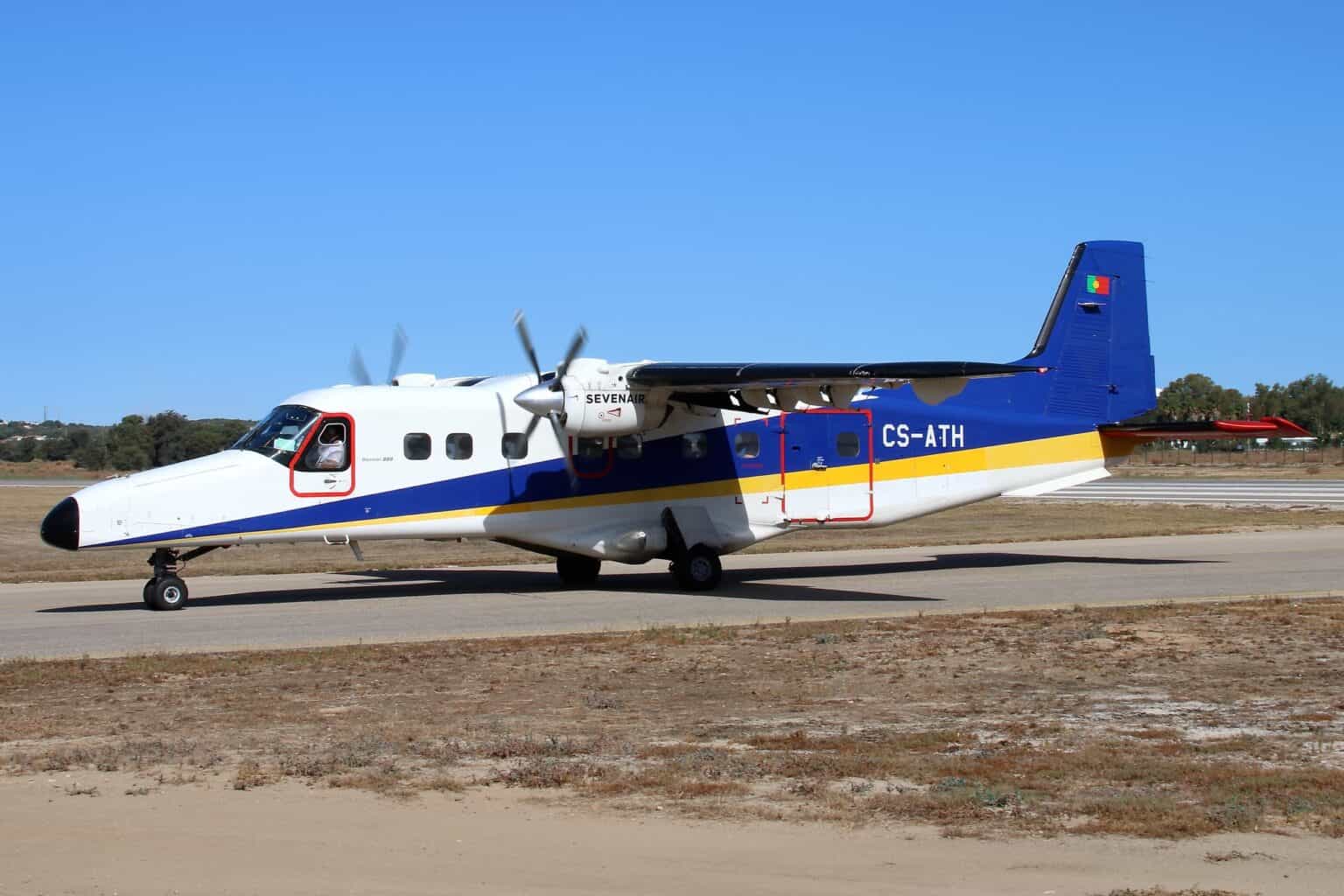
The FAA has issued a final airworthiness directive requiring Dornier 228s on the US register to have hydraulic pump motor part number 1259A replaced with an improved design. The rule, AD 2026-24-01, was published in the Federal Register on November 19, 2026, and takes effect 35 days later, on December 24, 2026.
It follows reports of several of the motors being severely damaged by excessive heat. The FAA says the condition, if not addressed, could result in an uncontained fire, possible injury to passengers and crew, and loss of control of the airplane.
What the directive requires
The AD covers all Dornier 228-100, 228-101, 228-200, 228-201, 228-202 and 228-212 airplanes. The type certificate is now held by General Atomics AeroTec Systems GmbH in Germany, and was previously held by RUAG Aerospace Services GmbH.
Operators must fit a motor with part number A-752511A00B within 200 hours of hydraulic pump motor time-in-service, for airplanes with a hydraulic system elapsed time indicator. Airplanes without that indicator get 600 landings instead, both counted from the effective date.
From December 24, a 1259A motor may not be installed on any airplane. General Atomics AeroTec Dornier 228 Service Bulletin SB-228-360, dated May 28, 2025, describes the replacement.
The FAA estimates the rule affects 16 US-registered airplanes. It puts the cost at 3 work-hours and $8,900 in parts per airplane, or $9,155 each and $146,480 across the US fleet.
Carbon brushes behind the overheating
The US rule adopts EASA AD 2025-0172, issued on August 4, 2025 and effective in Europe since August 18, 2025. EASA named the root cause: the characteristics of the motor’s carbon brushes, part number 43071L1.
In a brushed electric motor, carbon brushes are the sliding contacts that carry current to the spinning part of the motor, so they wear and heat up in normal use. According to EASA, the brush maker introduced a new design, part number 7900132, and General Atomics built the improved motor around it.
The fix is a whole motor with a new part number, not a brush swap in the field. For background on what these systems do, see our explainer on how airplanes use hydraulics.
Operators pushed back, and the FAA held firm
The FAA proposed the rule on January 5, 2026, and received comments from two parties: Bighorn Airways and Consolidated Aircraft Supply Company. It changed nothing in response, adopting the AD as proposed apart from minor editorial changes.
Bighorn asked the FAA to withdraw the proposal, saying its multi-airplane fleet had not seen the problem in more than 14,000 hours of operation. The FAA replied that the finding rests on data from the worldwide fleet, gathered by EASA and the type certificate holder and confirmed by the FAA.
Bighorn also asked for 600 hours instead of 200, so the swap could line up with the next pump motor overhaul. The FAA refused, citing the reports of heat-damaged motors and the manufacturer’s statement that enough parts will be available to modify the US fleet in time.
Consolidated Aircraft asked that FAA-approved repair stations be allowed to carry out the motor modification. The FAA said no: under the service bulletin, operators contact General Atomics for a modification slot or exchange the motor, and outside shops may not re-identify the motors.
The agency also confirmed there is no time between overhaul for the 1259A motor, and declined to add the pump itself to the AD, saying it has no data linking pump wear to the motor failures.
May 28, 2025
Service bulletin. General Atomics AeroTec issues SB-228-360 for the motor replacement.
August 4, 2025
EASA acts. EASA AD 2025-0172 mandates the new motor in Europe, effective August 18, 2025.
January 5, 2026
FAA proposal. The FAA proposes the same requirement for US-registered airplanes.
November 19, 2026
Final rule. AD 2026-24-01 is published in the Federal Register.
December 24, 2026
Effective date. The 200-hour or 600-landing replacement clock starts.
Where the Dornier 228 flies
The 228 is a twin-turboprop utility aircraft. General Atomics AeroTec’s current version, the Do228 NXT, uses two Honeywell TPE331-10 engines, and the company lists passenger, cargo, maritime patrol, medevac, paratrooper and VIP cabin layouts for it.
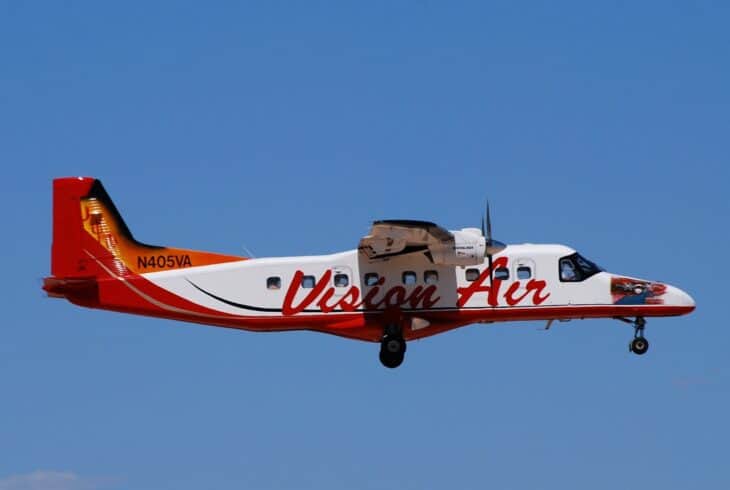

The type also flies in Nepal, where a Sita Air Dornier 228 lost a main wheel landing at Dolpa. The type’s lineage traces back to Dornier, before RUAG and then General Atomics took on the program.
Sources and references used for research and fact-checking.
- FAA / Federal Register, Airworthiness Directives; General Atomics AeroTec Systems GmbH (Type Certificate Previously Held by RUAG Aerospace Services GmbH) Airplanes (AD 2026-24-01, FR Doc. 2026-23633)
- EASA (via CASA Australia mirror), EASA AD 2025-0172, Hydraulic Pump Motor Replacement
- General Atomics AeroTec Systems, Do228 technical data
Get the Newsletter
The latest aviation news and stories sent to your inbox.
About the Author

AeroCorner News is the aviation news desk of AeroCorner.com. It covers accidents and incidents, safety rulings, airline and airport disruption, and new aircraft. It works from primary sources such as the NTSB, FAA, EASA and the manufacturers' own announcements.